Cupid's Bow
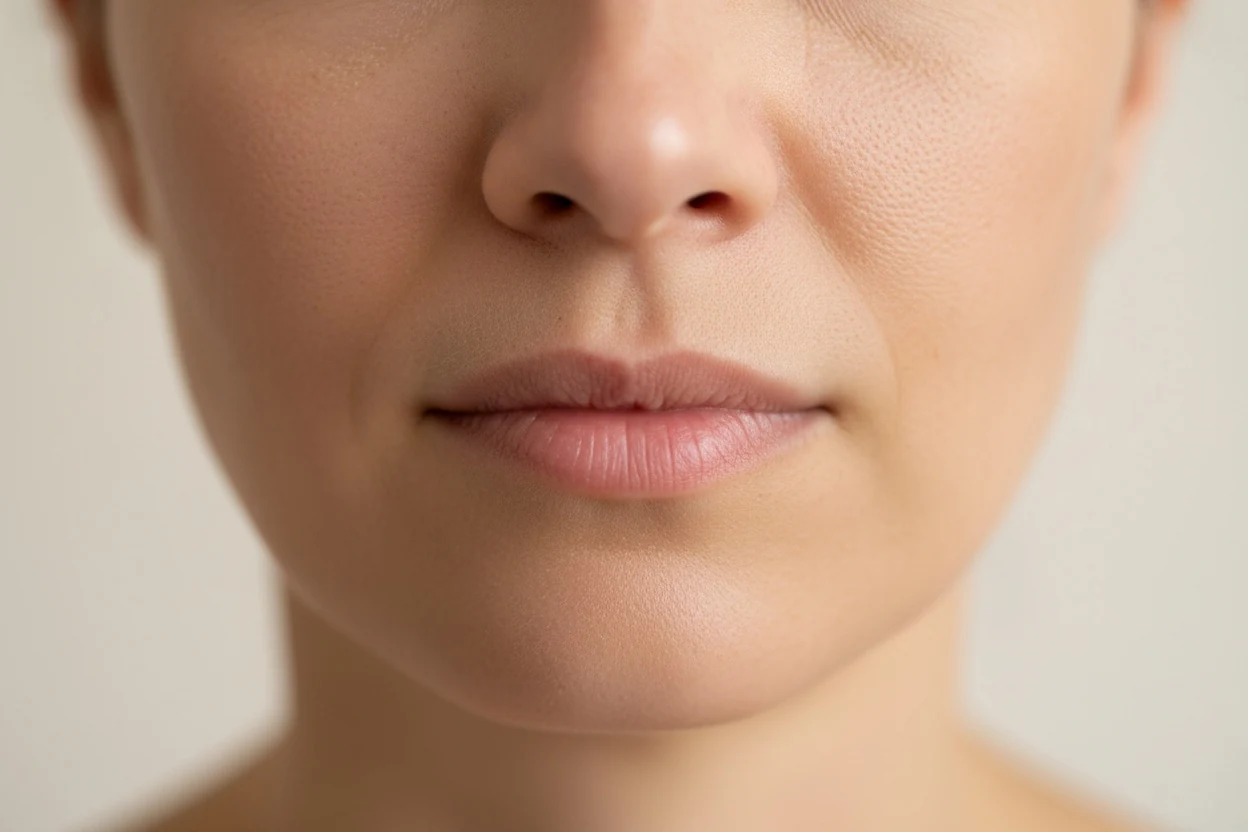
The Cupid's bow is the double curve along the top edge of your upper lip — two peaks with a dip between them, named after the shape of the bow the Roman god is drawn holding. This test measures the height of the two peaks above the dip against mouth width and calls the bow defined from 0.035.
- ≥ 0.035
- bow depth ÷ mouth width
- 4
- lip measurements per photo
- Free
- photo not uploaded
The panel measures all four lip axes and says where a Cupid's bow sits among them.
 Example
Choose your own photo
Discover your lip shape and proportions.
Choose your own photoClick to choose a photo, or drop one here
Front-facing · Even lightingStraight-on, even lighting, at arm's length gives the most comparable reading.
Runs in your browser. Your photo is not uploaded.
How a Cupid's bow is measured
The height of the two peaks above the central dip, measured against mouth width. Above roughly 0.035 of mouth width the bow reads as defined; below that it reads as soft or flat.
- Two peaks on the upper lip's vermilion border with a dip between them
- The peaks sit at the outer edges of the philtral columns
- Definition varies from sharp and angular to almost flat
- Definition tends to soften with age as the vermilion border loses its edge
A Cupid's bow is not a lip type but a feature — the double curve at the top edge of the upper lip, named for the shape of the bow carried by the Roman god. Every mouth has one; what varies is how deep the notch is and how far apart the peaks sit. This page exists because it is the single most searched term in the lip cluster, and because most of what is written about it describes it without ever saying how it is measured.
How to tell if you have a Cupid's bow
- Look straight on in good, flat light. Side lighting hides the border entirely.
- Trace the top edge of your upper lip with your eye. Two distinct peaks and a clear dip mean a defined bow; a single gentle curve means a soft one.
- Neither is a defect. A soft bow is simply a different border shape and is extremely common.
Makeup for a Cupid's bow
Almost every Cupid's bow technique is about the border rather than the lip surface — it is a line-drawing problem, not a colour problem.
Works
- Overline slightly at the peaks only, not around the whole lip, if you want more definition
- A light concealer or highlight just above the peaks to sharpen the edge
- A lip liner one shade deeper than your lipstick, drawn on the border itself
Works against it
- Overlining the entire lip, which changes proportion rather than definition and reads as an outline
- Gloss concentrated on the border, which softens exactly the edge you are trying to sharpen
What changes a Cupid's bow
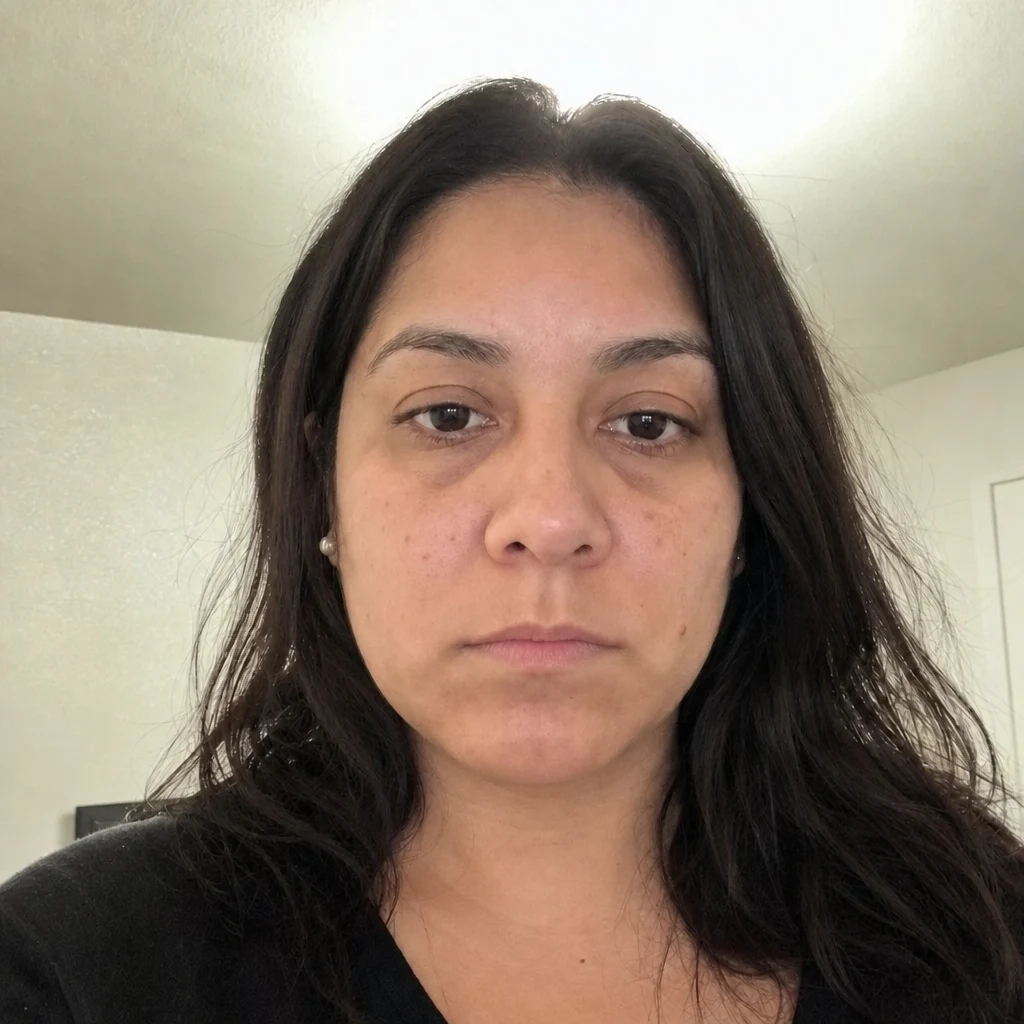
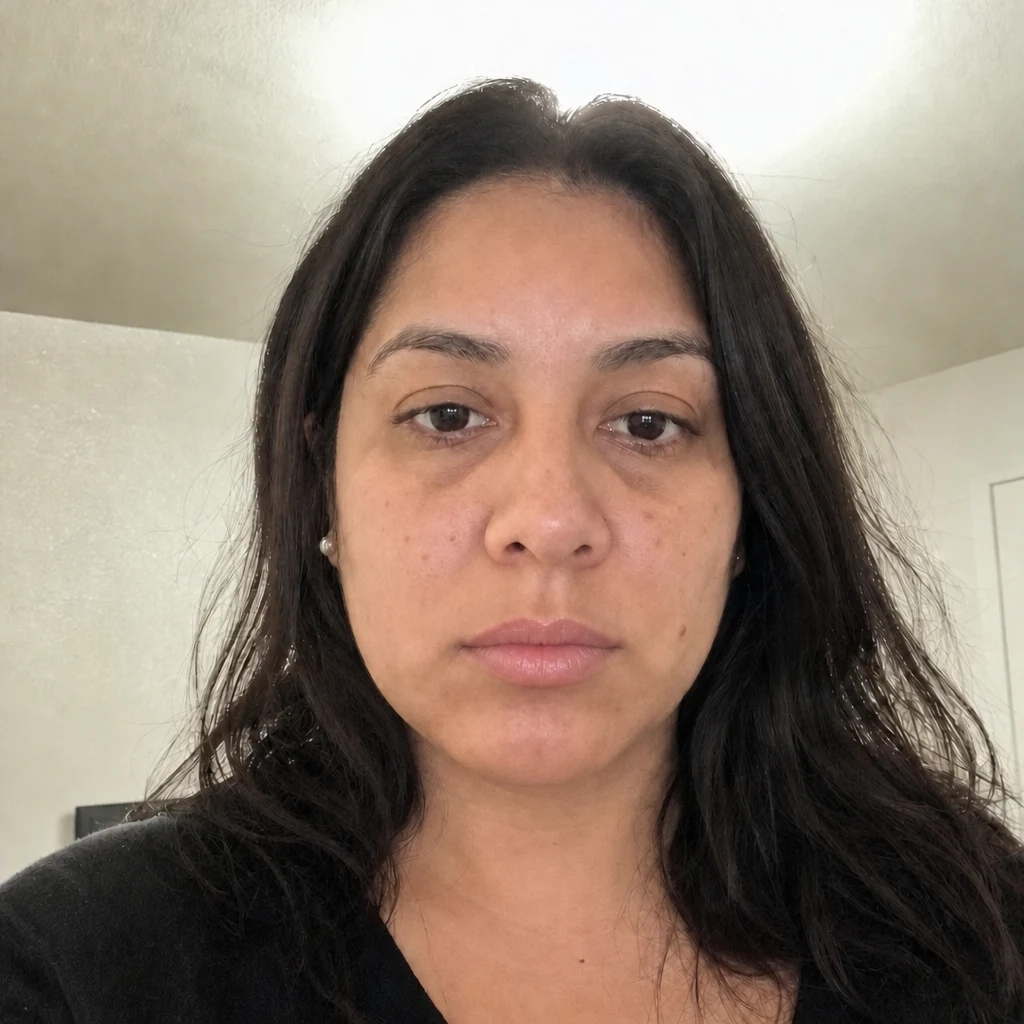
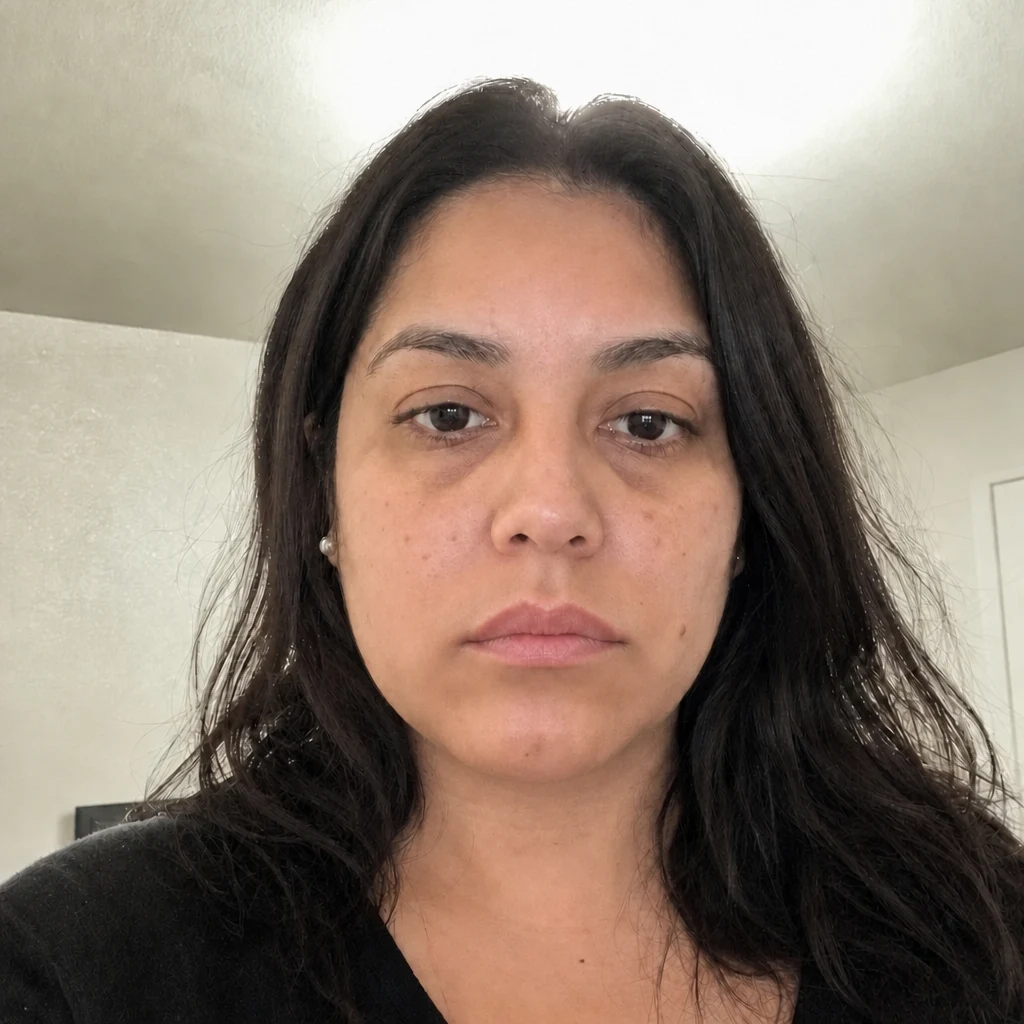
Lip filler
A small amount placed in the philtral columns sharpens the bow without adding overall volume.
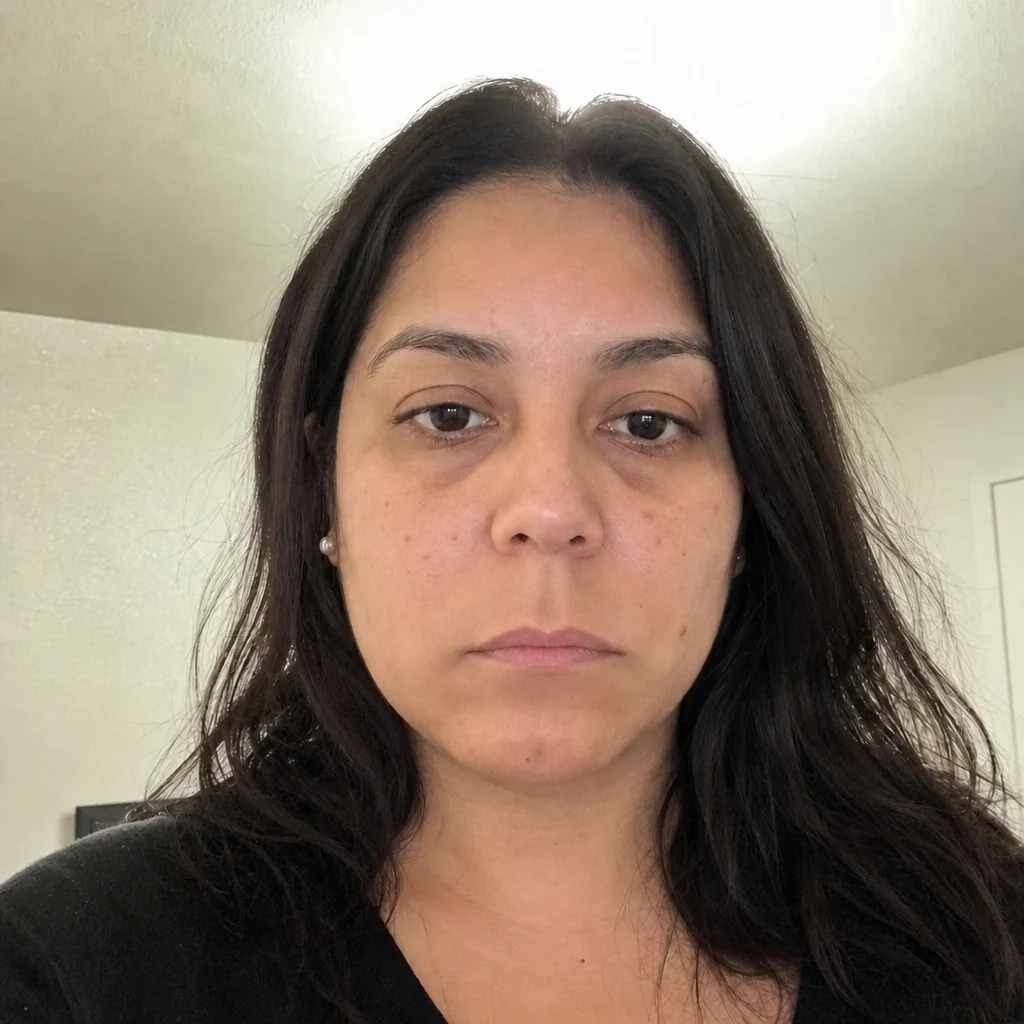
See it simulated on your own photo →Lip lift
Shortens the philtrum and rolls the upper lip outward, which makes the border more prominent.
See it simulated on your own photo →
Lipstick for a Cupid's bow
Almost all Cupid's bow technique is about edge precision, since the feature is a line rather than a volume.
- Draw the two peaks as separate points and connect them through the notch, rather than tracing one continuous arc
- Highlight the skin directly above the bow — the philtral columns — rather than the vermilion itself
- A sharpened pencil beats a brush here; the feature is a few millimetres across
- Gloss migrates and blurs the notch, which is the one part of the shape you are drawing
How to get a Cupid's bow
A flat bow can be made more defined, within limits set by your own vermilion border.
- Filler at the peaks: the standard approach, and precision matters far more than volume — a heavy hand fills the notch and removes the feature entirely.
- A lip lift: rolls the upper lip outward and makes an existing bow more visible.
- Makeup: liner at the peaks plus highlight above them, which is reversible and costs nothing.
How a Cupid's bow change with age
The bow flattens with age as the vermilion border loses definition and the upper lip lengthens. It is one of the clearest visible markers of the change and one of the reasons the lip lift exists as a procedure.
Cupid's Bow celebrities
The Cupid's bow is the most makeup-dependent feature on this site, which makes celebrity examples close to meaningless — liner and highlight create a defined bow on any mouth in about thirty seconds. What a photograph shows you is a technique, not an anatomy.
Cupid's Bow — frequently asked questions
Can a Cupid's bow disappear?
It flattens rather than disappears. The vermilion border loses definition with age and the upper lip lengthens, so the two peaks soften and the notch between them becomes shallower. The anatomy is still there; the edge that made it visible is not.
Why do my Cupid's bow peaks sit unevenly?
Because faces are not symmetrical and the upper lip is no exception. A difference of a millimetre or two between the two peaks is ordinary and is below what anyone notices. A difference that appeared suddenly rather than always having been there is a different question and worth asking a doctor about.
Does filler ruin a Cupid's bow?
It can, and this is the most common way lip filler goes wrong. The feature is a notch — a gap — and volume placed across it fills the gap in. Precision at the two peaks preserves the shape; volume spread evenly along the upper lip removes it.
What is a Cupid's bow?
The double curve along the top edge of the upper lip — two peaks with a dip between them. Everyone has one; the definition varies.
Does everyone have a Cupid's bow?
Yes. What differs is how sharply defined it is, from angular peaks to an almost flat border.
Can you make a Cupid's bow more defined?
Makeup on the border is the reversible option. A small amount of filler in the philtral columns sharpens it structurally, and a lip lift rolls the border outward.
Why is it called a Cupid's bow?
The shape resembles the double-curved bow that Cupid is depicted carrying in classical and Renaissance art.