Buccal Fat Removal Before and After: What Changes, What It Costs, How It Ages
Buccal fat removal takes out part of a fat pad in the lower cheek to hollow the area under the cheekbone. It is permanent, popular and thinly studied. Here is what it changes, what it costs, how recovery goes, what the evidence says about risks and aging — and a render on your own photo first.
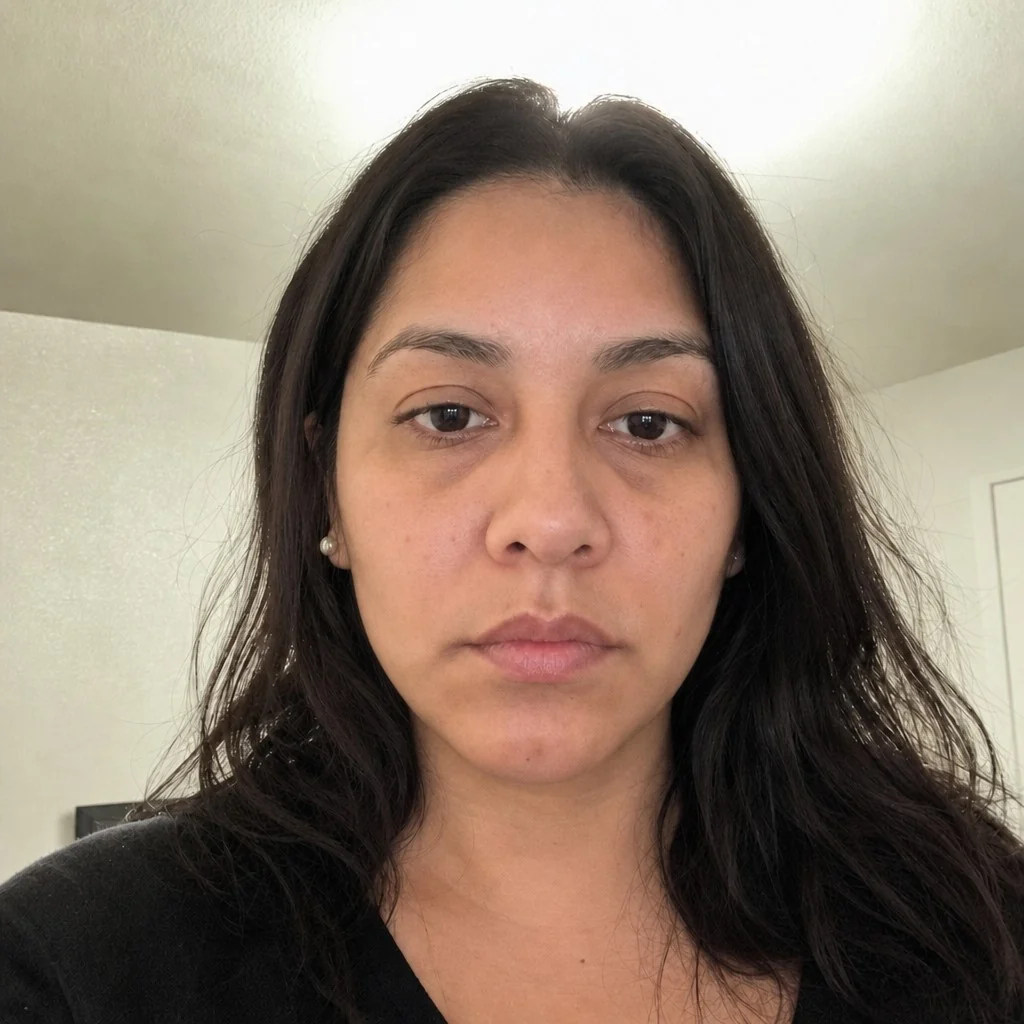
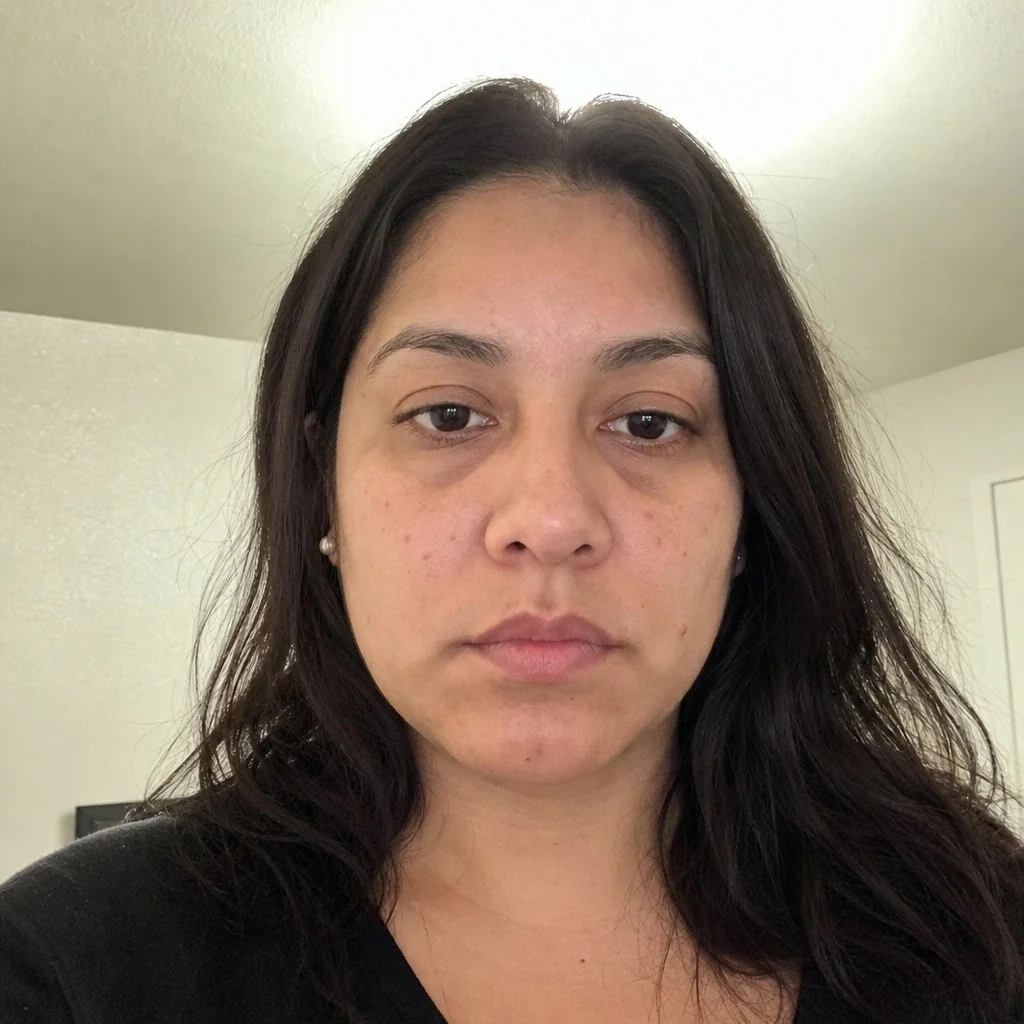
Buccal Fat Removal simulator — example render
- Type
- Surgical, permanent
- Typical US cost
- Roughly $2,000–$5,000
- Recovery
- 1–2 weeks of swelling; final shape 3–6 months
- Long-term data
- Very limited — few studies follow patients for years
- Upload one front-facing photo
- The render changes cheek fullness below the cheekbone — and leaves the rest of your face alone
- Compare your before and after side by side
1 render = 1 credit
5 credits $4.99, no subscription · or Starter $7.99/month for 10. The face analysis is free.
What is buccal fat removal?
The buccal fat pad is a discrete pocket of fat deep in the cheek, below the cheekbone and in front of the chewing muscle. It is separate from the fat just under the skin and has its own thin capsule. Buccal fat removal is a short operation in which a surgeon makes a small incision inside the mouth, opposite the upper back teeth, and removes part of the pad. There is no external scar.
Because the pad is a separate structure, removing some of it creates a specific hollow in the lower cheek rather than slimming the whole face. The same operation is called a bichectomy in much of the world — after the anatomist the pad is named for — and that page covers the name and where it is used.
Buccal fat removal before and after: what actually changes
| Area | What buccal fat removal changes | What stays the same |
|---|---|---|
| Lower cheek | Less fullness between the cheekbone and the jaw | The skin and the fat just under it |
| Cheekbone | More contrast — the hollow below makes it stand out | The bone, its height and its projection |
| Jawline | Can look more defined because the cheek above it is less full | The jaw itself, its width and angle |
| Face width | Slightly narrower lower-cheek contour, especially at three-quarters | Width at the cheekbones and at the jaw angles |
That distinction is why buccal fat removal is so often marketed as a cheekbone procedure and isn't one. The high cheekbones guide goes through what sets cheekbone height and which options change height, width, projection or only the shadow around the bone.
How to read buccal fat removal before and after photos
- Time since surgery. Swelling masks the result for weeks and the final contour takes months. A two-week after is not the result; neither is a two-week before-and-after that looks unchanged.
- Cheeks drawn in. Slightly sucking in the cheeks creates the exact hollow the operation is sold on. Check that the mouth is relaxed in both frames.
- Weight. Lower-face fullness changes with body weight. A few kilos lost between frames does part of the work.
- Light and lens. Overhead light carves a hollow under any cheekbone, and a phone held close widens the lower face.
- The long term. Ask whether the surgeon has photographs of the same patients several years later. Few do, and that absence is informative in itself.
Who buccal fat removal is usually considered for
Buccal fat removal is usually considered for people whose lower cheeks look full even at a healthy weight — often described as "chubby cheeks" or a round lower face — where the fullness sits in the buccal pad rather than elsewhere. That last condition is the one that matters, because several different things make a lower face look wide, and only one of them is this pad.
| What makes the lower face full | Does buccal fat removal change it? |
|---|---|
| A large buccal fat pad | Yes — this is what it targets |
| General fat under the skin | No; that changes with body weight |
| A large chewing muscle (masseter) | No; that is a muscle, often treated with toxin |
| A wide jaw bone | No; that is bone |
| Fullness under the chin | No; that is a different fat compartment |
The round face shape page explains why soft tissue makes round the one face shape that genuinely changes, and the masseter botox simulation renders the muscle-width case. Surgeons commonly describe a naturally lean face, or a face that has already lost volume, as a case where removal risks a gaunt result.
Buccal fat removal for men
Men usually ask for a flatter, more angular lower cheek and a sharper-looking jaw. The same limits apply: the jaw does not change, and in men a wide lower face is often masseter muscle or bone rather than buccal fat, so the question of what is causing the width comes first. A deep hollow can also read as drawn rather than angular, which is a reason to render the change before deciding how much of it you want.
Buccal fat removal cost
Buccal fat removal is commonly quoted at roughly $2,000–$5,000 in the United States. It is a cosmetic procedure and is not covered by insurance.
- Surgeon — board-certified facial plastic, plastic, or oral and maxillofacial surgeons price differently, and experience with the face matters more than the specialty label.
- Anesthesia — local anesthesia in the office costs less than sedation or general anesthesia in a surgical facility.
- Combined procedures — it is often done alongside a chin, neck or facelift procedure, which changes the total.
- City — large metropolitan areas sit at the top of the range.
Much lower prices abroad are one reason buccal fat removal cost is searched so often. Whatever the price, the relevant number includes follow-up care and what happens if a complication appears after you have gone home.
Buccal fat removal recovery time: the swelling timeline
| When | What is commonly reported |
|---|---|
| First days | Cheek swelling, tightness and some difficulty opening the mouth wide; soft or liquid diet; mouth rinses |
| 1–2 weeks | Most visible swelling settles; many people return to work; dissolvable stitches go |
| 1 month | The face looks close to normal to others; the hollow begins to show |
| 3–6 months | Final contour — the point at which the result is actually judged |
BeforeAfter — simulatedSee a buccal fat removal on your own face
Run this simulationDoes buccal fat removal age you? The 10-years-later question
This is the most common criticism of the procedure, and the honest answer is that nobody knows with data. The facial fat that remains after surgery declines with age anyway, and the concern surgeons raise is that removing a pad in your twenties compounds with what time does — so a face that looks sculpted at 25 may look hollow at 50.
That concern is reasoning from anatomy, not a measured finding. A 2021 systematic review found only four studies suitable to analyze and noted a lack of published long-term follow-up; searches for "buccal fat removal 10 years later" are, in effect, asking a question the literature has not answered. What surgeons commonly do in response is remove conservatively, and many are cautious in very young patients.
Buccal fat removal regret is searched often too. There is no reliable regret rate for this procedure, and any figure you see quoted without a study behind it should be treated as a guess.
Buccal fat removal risks: what the studies found
The evidence base is small, and the two main reviews paint different pictures.
- 2021 systematic review — 4 studies included out of more than 1,400 records. It reported 7 complications across 134 cheek refinement procedures, and a generally favorable early outcome, while calling the evidence scarce and of low quality.
- 2025 meta-analysis — 12 studies and 308 patients, of whom 81 had some complication: about one in four. The most common were swelling, restricted mouth opening, pain and asymmetry; facial nerve paralysis occurred in under 1%. The authors concluded the procedure should be recommended with caution.
The two reviews included different studies, and both are small: the one-in-four estimate came with a wide uncertainty range. Neither figure is precise, but together they say the procedure is not as trivial as its marketing suggests. Other risks commonly listed by surgeons include injury to the salivary duct that opens inside the cheek, infection, bleeding, and removing too much, which cannot be undone.
Is buccal fat removal permanent?
Yes. The removed fat does not grow back. Volume can be added later with filler or fat grafting, and that is how buccal fat removal gone wrong is usually addressed, but it restores fullness rather than the original structure.
Buccal fat removal vs masseter botox, filler and weight loss
| Option | What it changes | Permanent? |
|---|---|---|
| Buccal fat removal | Fullness in the lower cheek, via the buccal pad | Yes |
| Masseter botox | Lower-face width from the chewing muscle | No — months |
| Cheek filler | Adds contrast from above by projecting the cheekbone | No — about a year or more |
| Weight loss | General facial fat, including some buccal fat | Only while it is maintained |
| Contour makeup | The shadow under the cheekbone | No — until you wash it off |
A reversible option is also a way of testing the look: cheek filler adds contrast from above, which some people find gives them the sculpted look they wanted without removing anything.
Buccal fat removal simulator: see the lower-cheek hollow on your own face
The buccal fat removal simulation renders a slimmer, more sculpted midface with more defined hollows below the cheekbones, keeping the result natural rather than gaunt. It is the cheapest way to test a permanent change: plenty of people find the hollow suits them less than the photographs they saved.
Two things it cannot do. It cannot tell whether your fullness is actually the buccal pad, or muscle, bone or general fat, which a surgeon's examination decides. And it cannot show your face in twenty years with that pad gone, which is the question that matters most with this procedure. The face shape detector shows whether your face reads round by proportion, which is a useful first check.
Measure length against width and jaw definition — the proportions that decide whether a face reads full.
Check if your face reads roundQuestions to ask your surgeon before buccal fat removal
- Is my fullness the buccal fat pad, or subcutaneous fat, muscle or bone that this will not change?
- How much are you removing, how do you decide the amount, and what would you not do on my face?
- What do you expect this to look like as I age — and can I see photographs of your patients several years after surgery?
Alternatives to buccal fat removal
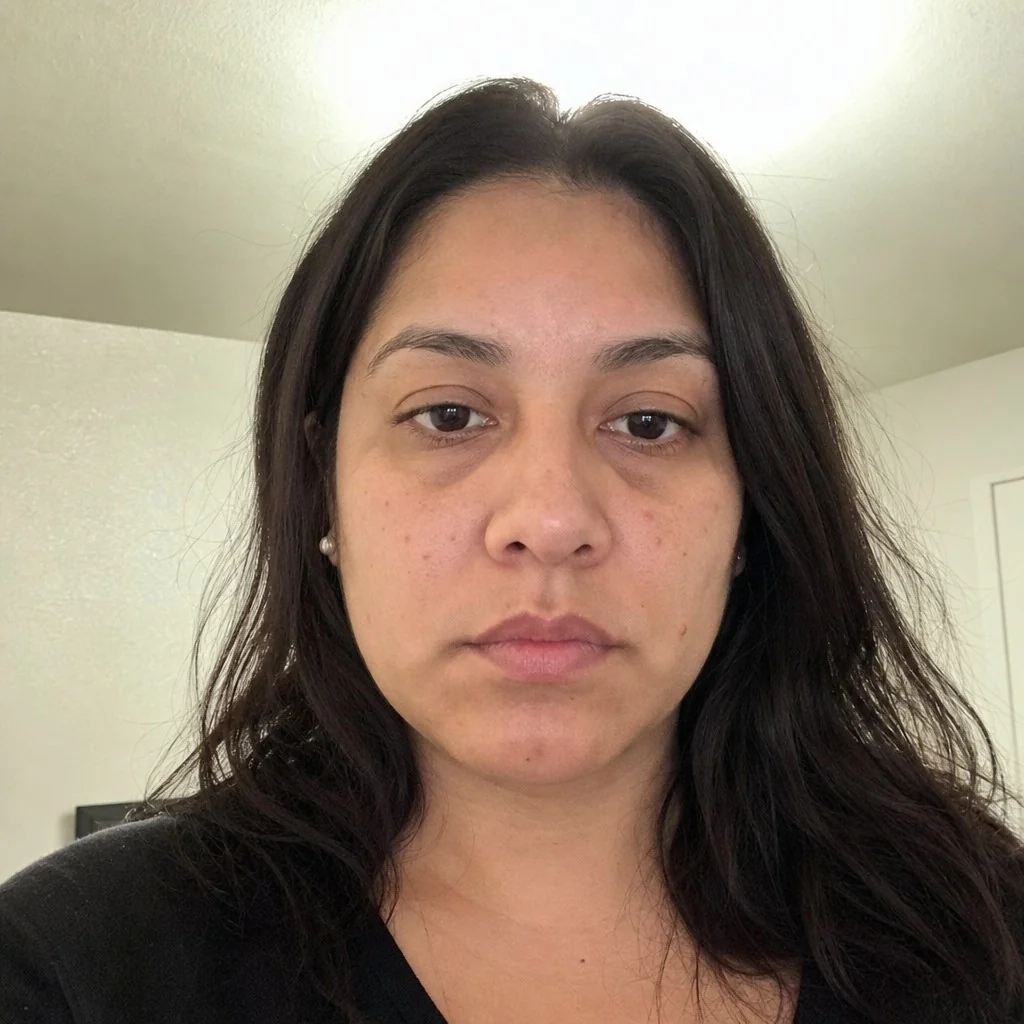
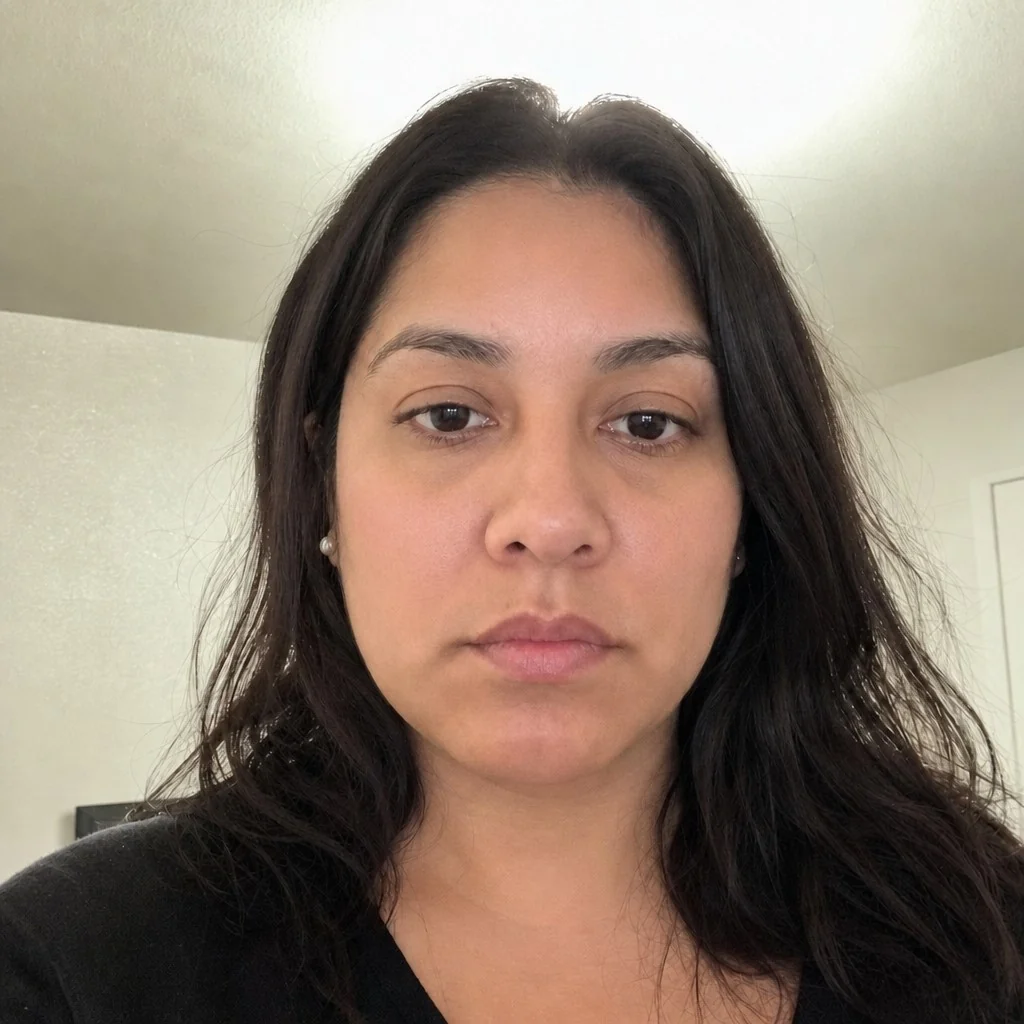


How the buccal fat removal simulation works
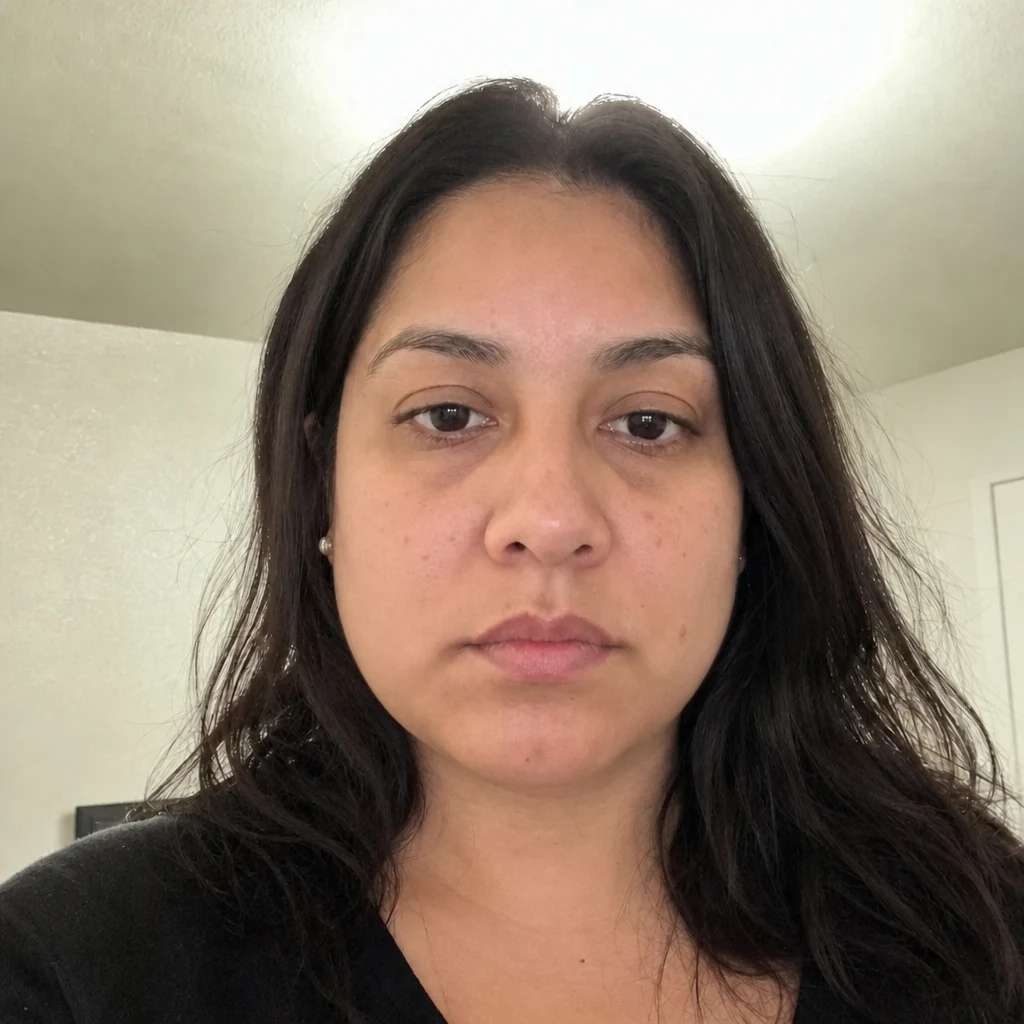
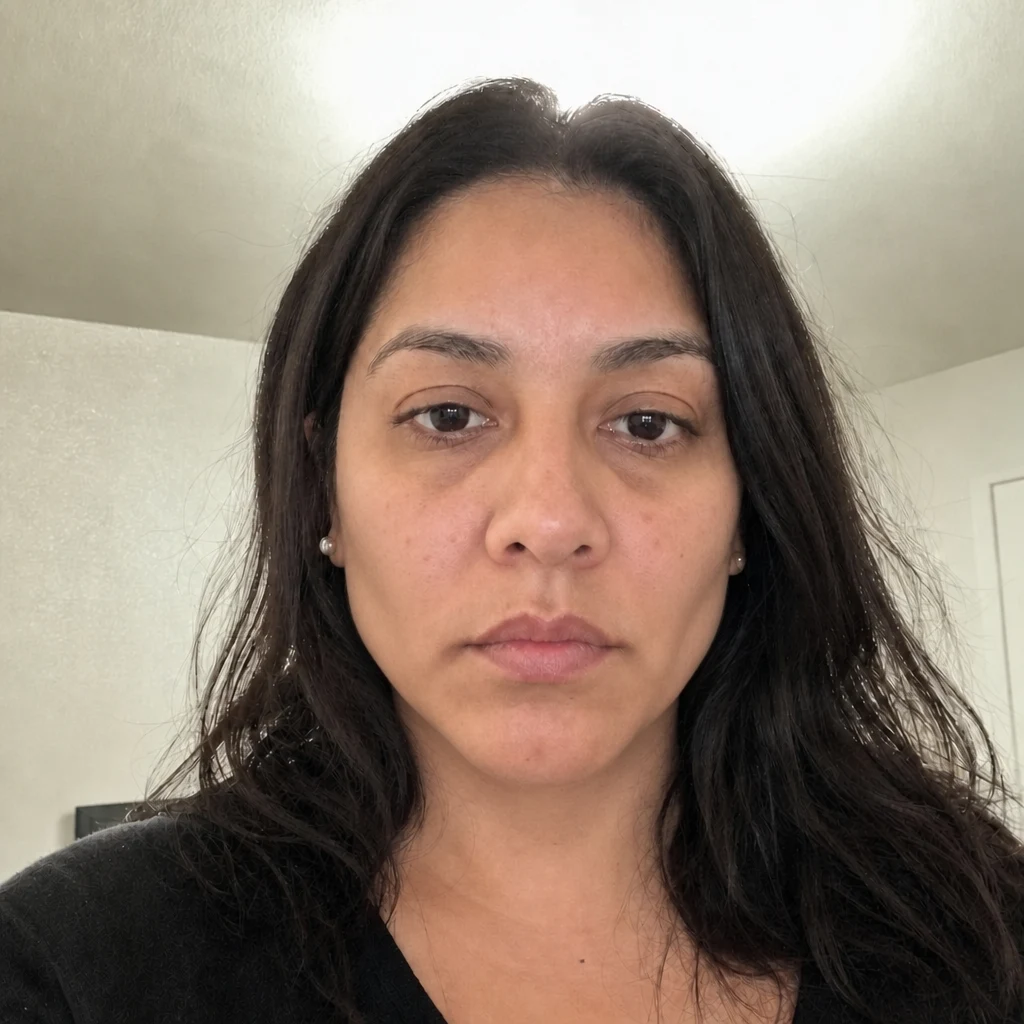
Your photo is analysed for the landmarks that matter to this procedure, and the render changes cheek fullness below the cheekbone while leaving the rest of your face alone. That constraint is the hard part — a generic image model will happily redraw your whole face and hand you a stranger who looks better.
The render hollows the lower cheek in a photograph. It cannot show what your face will look like in twenty years with that pad gone, which is the objection surgeons raise most often about this procedure.
It is an illustration of a plausible direction, not a prediction of your result and not a medical opinion. What it is genuinely good for is finding out whether you want the change at all — plenty of people render one, find the difference smaller than they imagined, and stop there.
Measure your face before a buccal fat removal simulation
The free analysis tools measure symmetry, facial proportion and face shape, and tell you which measurements sit outside the reference range. Choosing a procedure from that is a much better starting point than choosing one from a photo you saved.



Buccal Fat Removal simulator — frequently asked questions
Is buccal fat removal worth it?
For some people with genuinely full lower cheeks, the early results are well liked. It is also permanent, the long-term evidence is thin and one meta-analysis found complications in about a quarter of patients, mostly temporary. Worth it depends on whether the fullness is really the buccal pad and how much weight you give the unknown long term.
Is buccal fat removal the same as a bichectomy?
Yes. Bichectomy is the name for the same operation used widely in Spanish- and Portuguese-speaking countries and in Turkey, after Bichat, the French anatomist the fat pad is named for.
Can buccal fat be removed without surgery?
No non-surgical treatment removes the buccal pad specifically. Weight loss reduces facial fat generally, masseter toxin narrows a muscular lower face, and contour makeup creates the shadow — but none targets the pad.
Does buccal fat removal change your smile?
The operation does not involve the muscles that make you smile. Some people feel the cheek looks different when smiling, because there is less volume to push up, and a hollow can look deeper or more uneven in expression than at rest. Ask to see smiling after photos.
How much buccal fat is usually removed?
Surgeons remove part of the pad, not all of it, and decide the amount by examination. In the one study in a 2021 review that measured it, the mean volume of excised tissue was about 2.7 ml. Conservative removal is the standard response to the aging concern.
Does buccal fat removal leave a scar?
Not a visible one. The incision is inside the mouth and is closed with dissolvable stitches.
Is the buccal fat removal simulator free?
The face analysis is free and needs no account. A rendered simulation costs credits because it runs on a GPU — $4.99 buys five and does not require a subscription.
How accurate is an AI buccal fat removal simulation?
It is an illustration of a plausible outcome, not a prediction of your result. Real outcomes depend on your anatomy, the facial plastic surgeon and how you respond. Treat it as a conversation starter for a consultation, not a promise.
Do you keep my photo?
The free measurements never leave your browser. A simulation does send the photo to a rendering service, which is why it asks for explicit consent first, and you can delete the result from your dashboard at any time.
Can I show this to a facial plastic surgeon?
Yes, and that is the most useful thing to do with it. Bringing a picture of the direction you want is far more precise than describing it in words.
Other cheeks & midface simulations
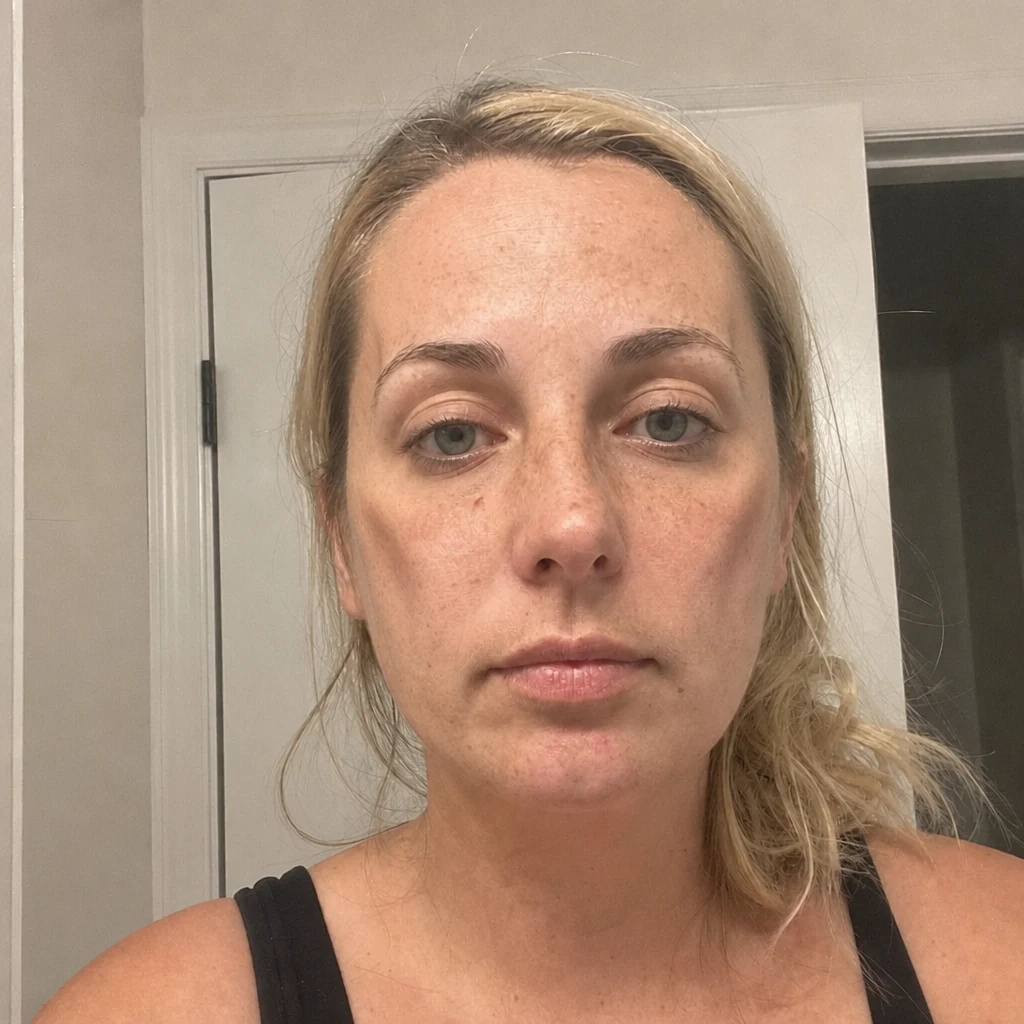
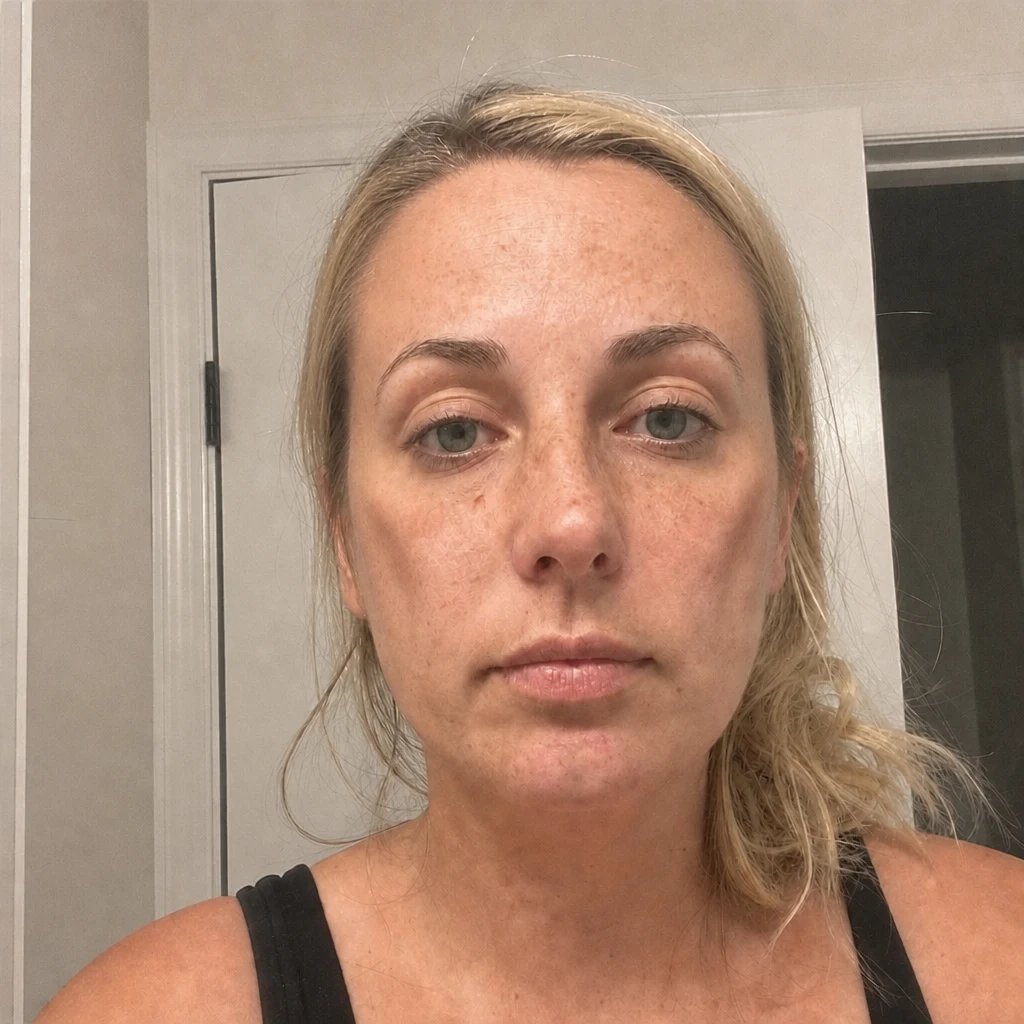
This page is not medical advice and we are not clinicians. A simulation cannot tell you whether a procedure is appropriate for you, what it costs, or what the risks are. Those questions belong with a qualified facial plastic surgeon.