Botox Before and After: What Changes, Area by Area
Botox relaxes the muscles that fold your skin, so the lines they make soften while your face keeps its shape. Here is what changes on the forehead, between the brows and around the eyes, how many units each area usually takes, what it costs and how long it lasts — plus a render of smoother lines on your own photo.
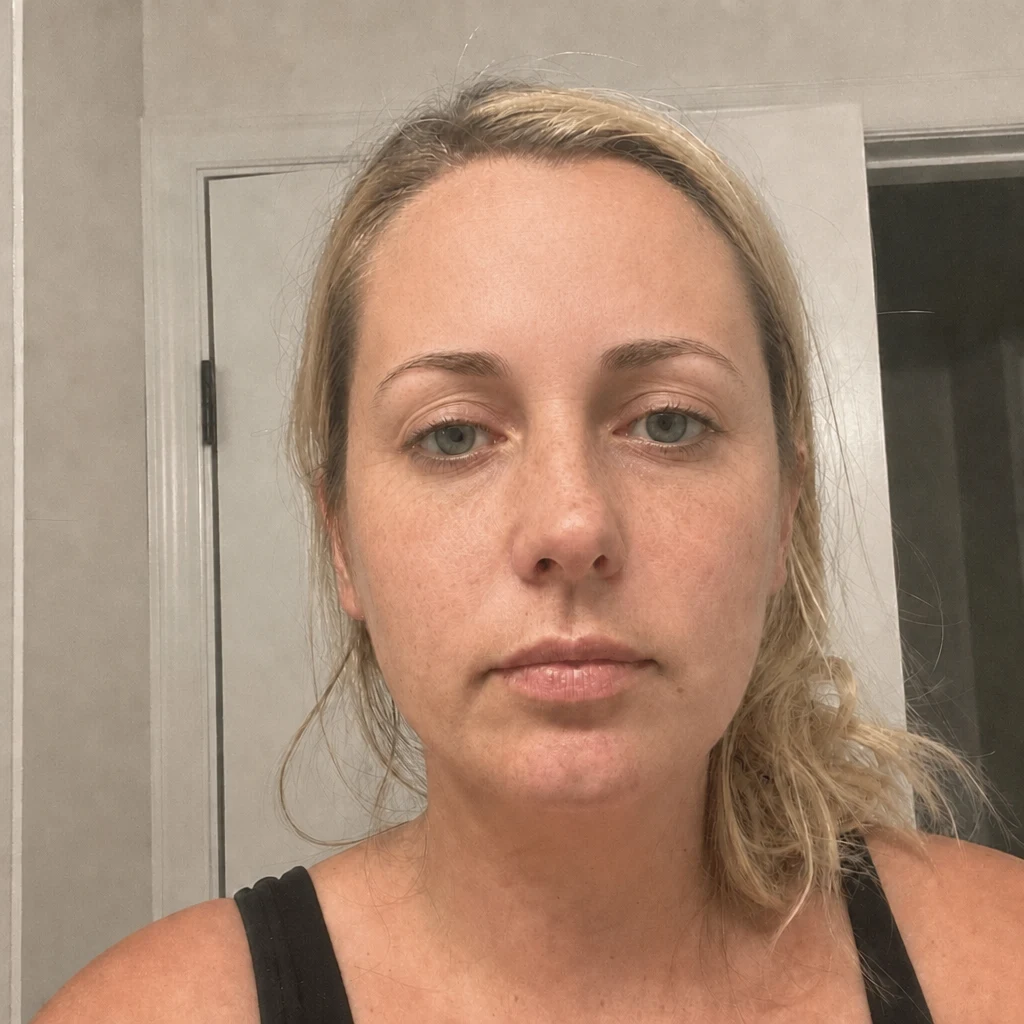
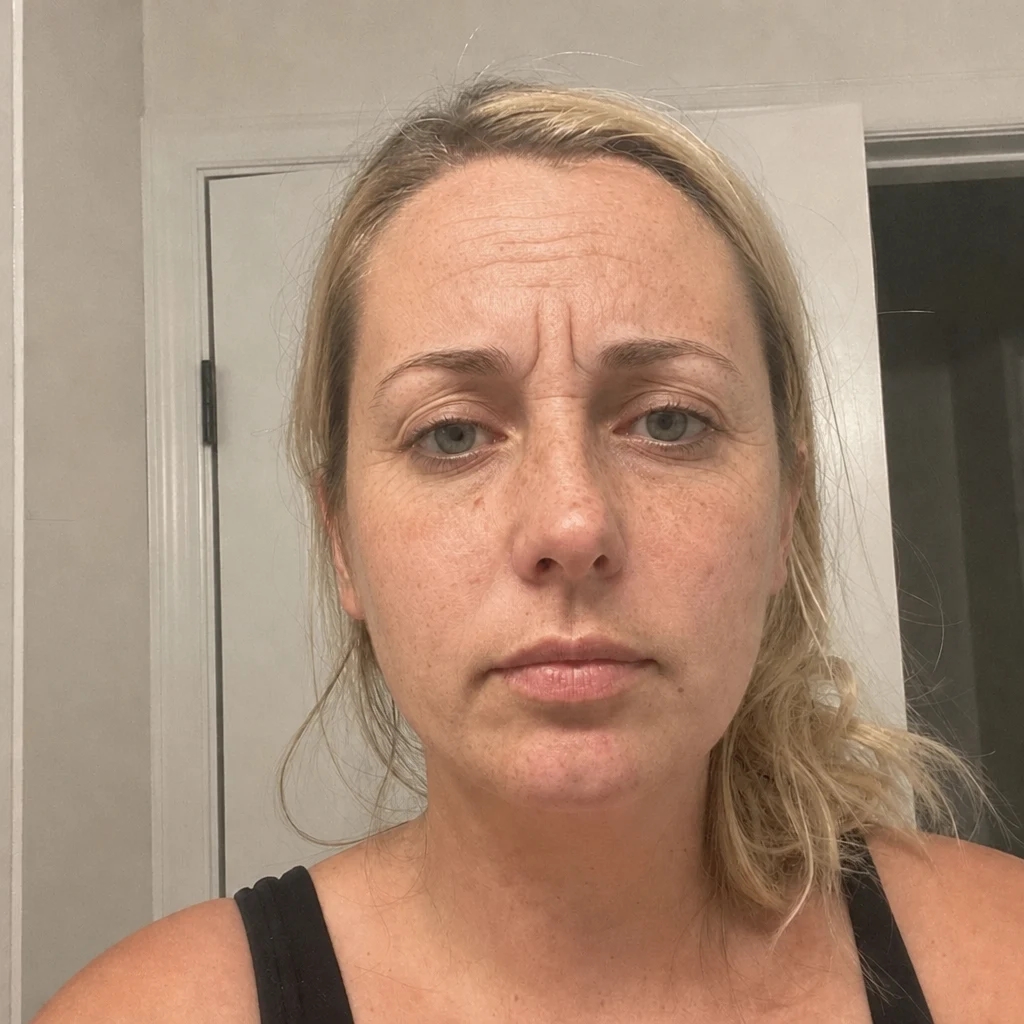
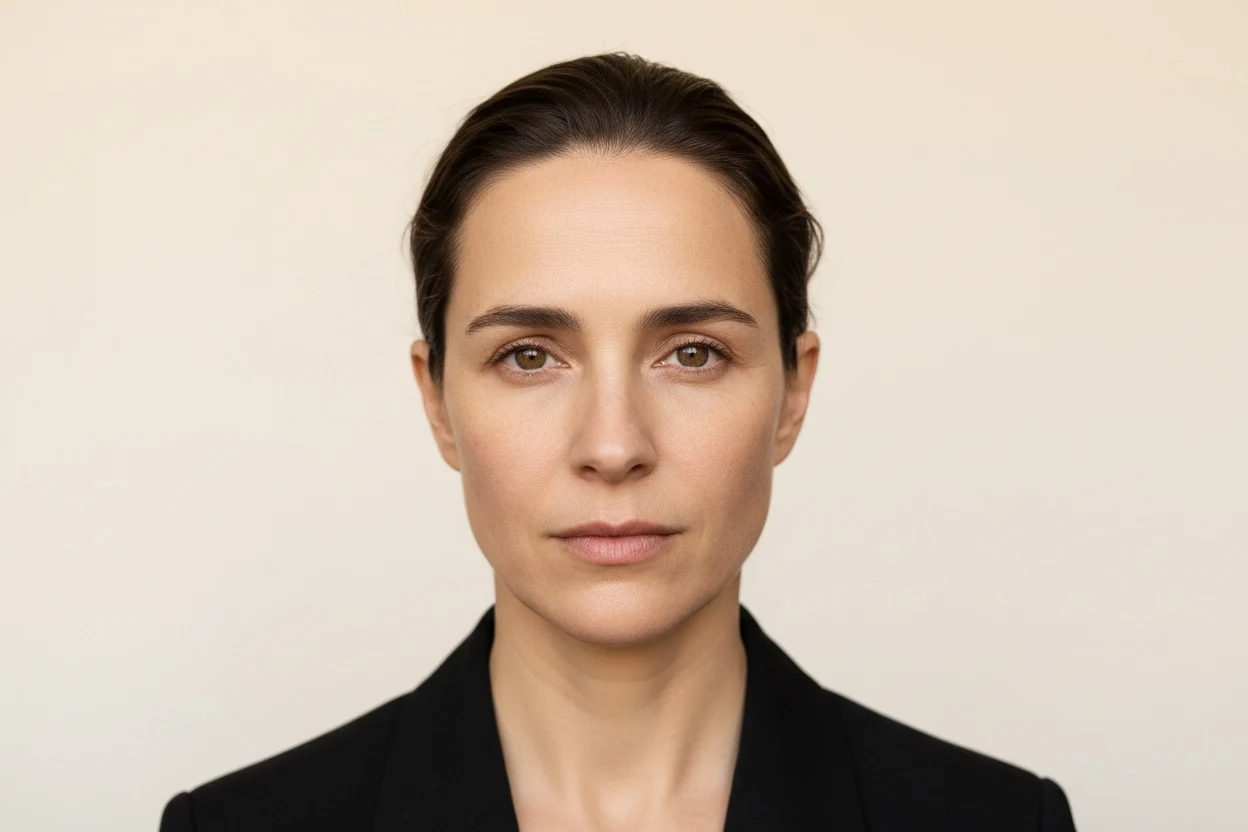
Botox simulator — example render
- How long it lasts
- Typically 3–4 months
- When it shows
- A few days; peaks at about 2 weeks
- Typical US cost
- Commonly $10–$20 per unit
- Type
- Injection, temporary, no downtime
- Upload one front-facing photo
- The render changes forehead, glabella and crow's feet lines — and leaves the rest of your face alone
- Compare your before and after side by side
1 render = 1 credit
5 credits $4.99, no subscription · or Starter $7.99/month for 10. The face analysis is free.
What botox does, and what it cannot do
Botox is botulinum toxin type A injected in tiny doses into specific facial muscles. It blocks the nerve signal that makes the muscle contract, so the muscle moves less and the skin over it stops creasing as deeply. Dysport, Xeomin and Daxxify are other brands of the same kind of toxin; people often say "botox" for all of them.
The distinction that explains most botox before and after photos: it treats dynamic lines, the ones made by movement. It does not fill anything. A line still visible when your face is completely relaxed has become partly etched into the skin, and relaxing the muscle softens it without erasing it. Lines from volume loss or sagging — the fold from nose to mouth, jowls — are a different problem; the nasolabial folds guide explains why injectors usually reach for filler there instead.
Botox before and after by area: forehead, 11 lines and crow's feet
The upper face is where botox is used most and where almost every before and after photo comes from. Each area has its own muscle, its own typical dose and its own way of going wrong.
Forehead botox
Horizontal forehead lines come from the frontalis, the muscle that raises your brows. It is also the only muscle holding them up, which is why forehead botox is dosed carefully: too much, too low, and the brows sit heavier. In a forehead before and after, look for lines softened with the brows still in the same place.
Botox for 11 lines (frown lines)
The two vertical lines between the brows come from the corrugator and procerus muscles pulling the brows together. This was the first cosmetic use approved in the United States, and it is where results tend to be most visible — the frown simply becomes harder to make.
Crow's feet botox
Crow's feet are the fan of lines at the outer eye made by the orbicularis oculi when you smile or squint. Treatment softens them while leaving a smile intact, which is why good crow's feet before and afters are photographed smiling.
Other areas people search for
Lip flips, bunny lines on the nose, a gummy smile, chin dimpling, neck bands and jaw slimming are all treated with the same kind of toxin, mostly off-label and at smaller or very different doses. The jaw is different enough to have its own page: masseter botox slims the lower face over months rather than softening lines.
How many units of botox for the forehead and other areas?
Botox is dosed in units. The US prescribing information for BOTOX Cosmetic gives a fixed dose for each approved area, and it is a useful reference point when a quote seems very high or very low. Real doses are adjusted to muscle strength, and men often need more because the muscles are larger.
| Area | Labeled dose (BOTOX Cosmetic) | Injection points | Notes |
|---|---|---|---|
| Frown lines (11 lines) | 20 units | 5 | The first approved cosmetic use |
| Crow's feet | 24 units total | 3 per side | 12 units each side |
| Forehead lines | 20 units | 5 | Labeled together with frown-line treatment, to reduce brow drop |
| All three together | 64 units | 16 | Often called an upper-face treatment |
Many injectors use fewer units on the forehead than the label, especially for a first treatment or a lighter look, and add a top-up at two weeks if needed. That habit is also why two people quoting "forehead botox" can be describing very different amounts.
How to read botox before and after photos
Botox before and after photos are easy to make flattering, because the treatment changes movement and a still photo contains none. A few checks separate a real comparison from a staged one.
- Expression in both frames. The honest version shows the same frown, raised brows or smile before and after. A relaxed before next to a relaxed after shows almost nothing either way.
- Timing. Results peak at about two weeks. A photo at two days understates it; a photo at four months shows it wearing off.
- Light. Frontal, diffuse light erases fine lines on anyone. Shadows from a light above make them deeper.
- Makeup and skin prep. Foundation and a fresh facial fill fine lines too.
- Brow position. In forehead photos, check that the brows did not drop — that is the trade-off the photo is least likely to point out.
How long does botox last? The results timeline
| When | What is typically reported |
|---|---|
| Day 0 | Small bumps at injection points that settle within an hour; occasional pinpoint bruises |
| Days 2–5 | The muscle starts to weaken; lines soften first when you move |
| Around 2 weeks | Full effect — the usual point for photos and for any top-up |
| 2–3 months | Movement slowly returns |
| 3–4 months | Most of the effect has worn off and lines look much as before |
Botox is not permanent. The nerve endings grow new connections to the muscle, which is why treatment is repeated. Some people find the interval stretches after several rounds; others notice no difference. Plan around your own last treatment rather than a brochure figure — the interval at which lines return for you is the most reliable number you will get.
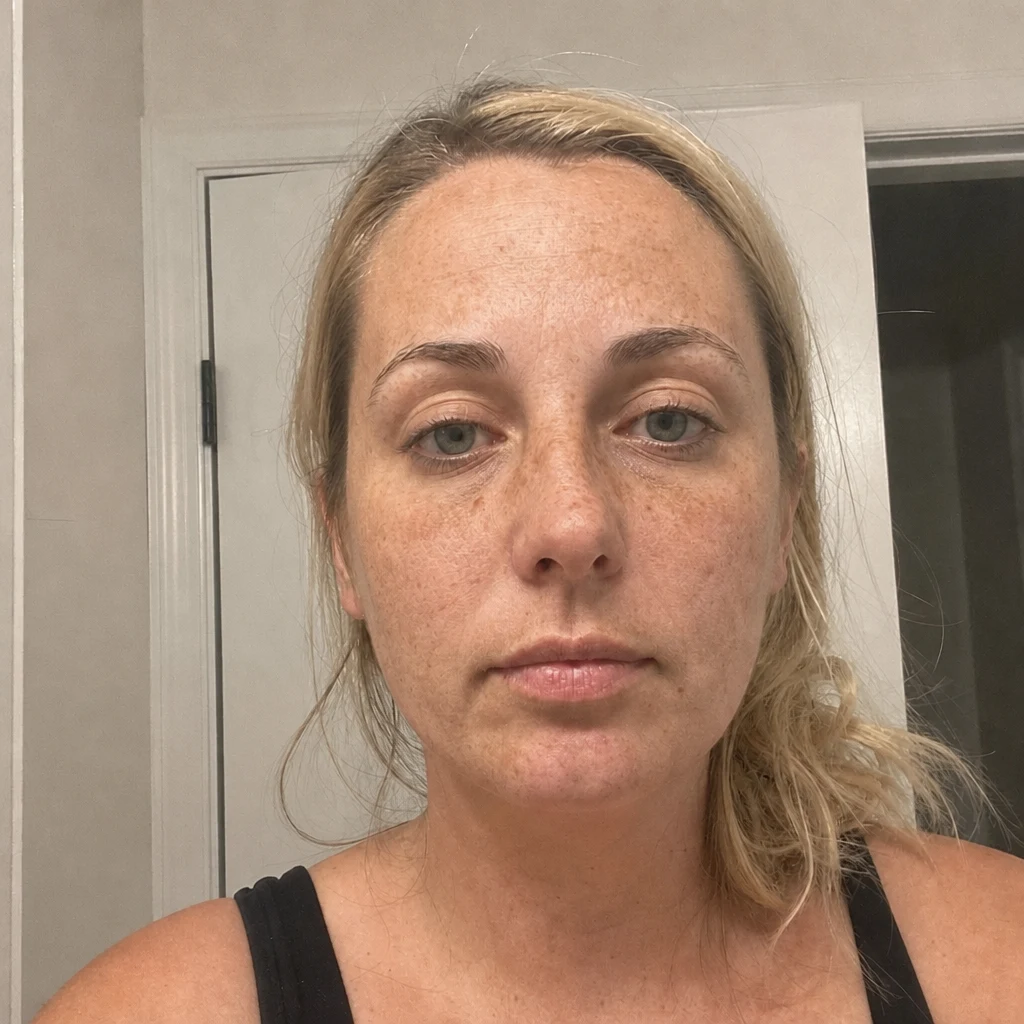
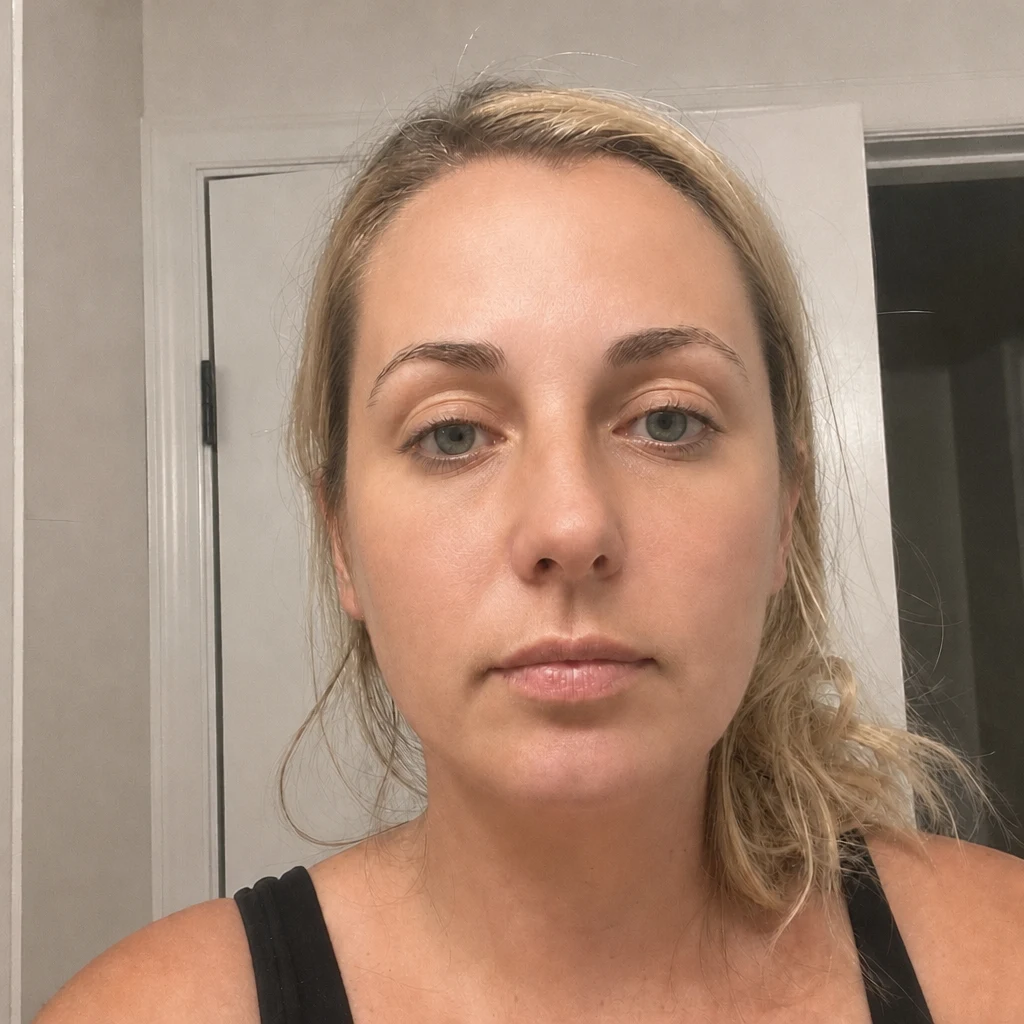
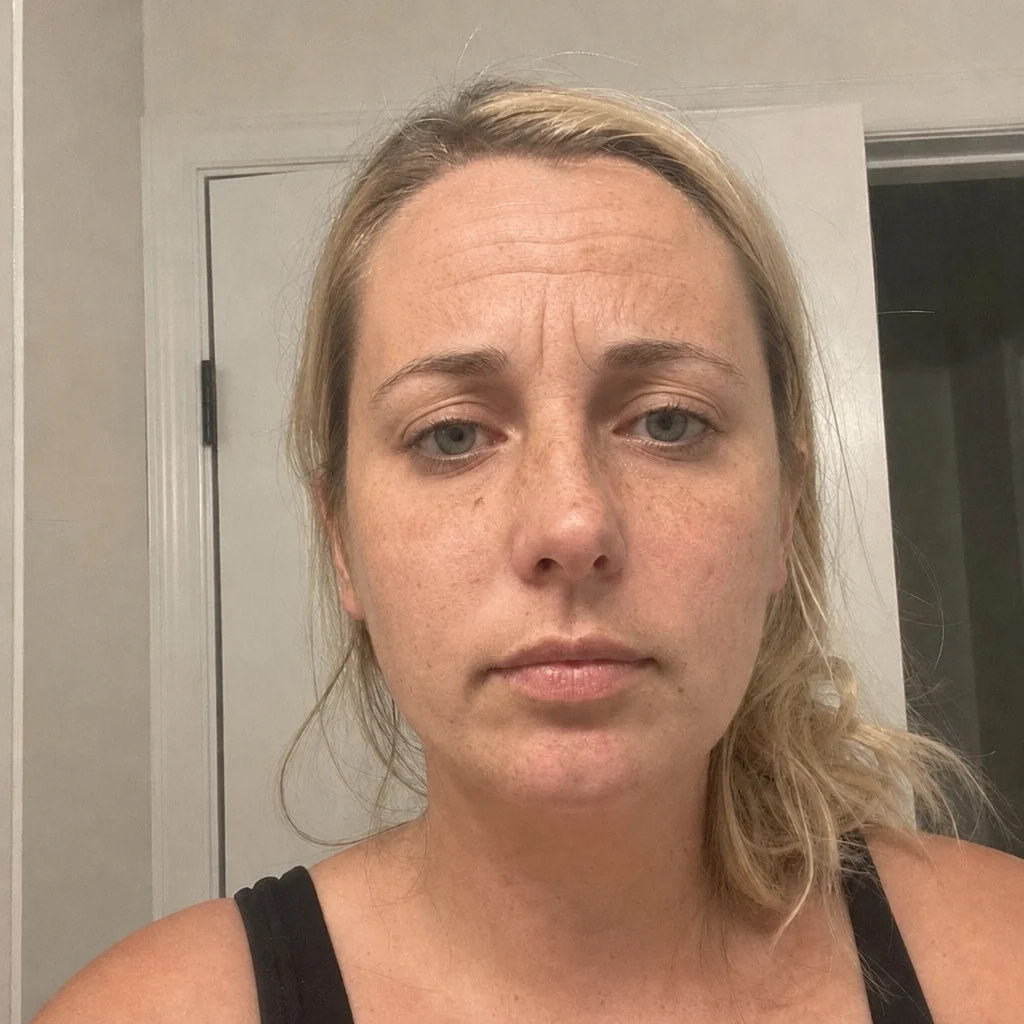
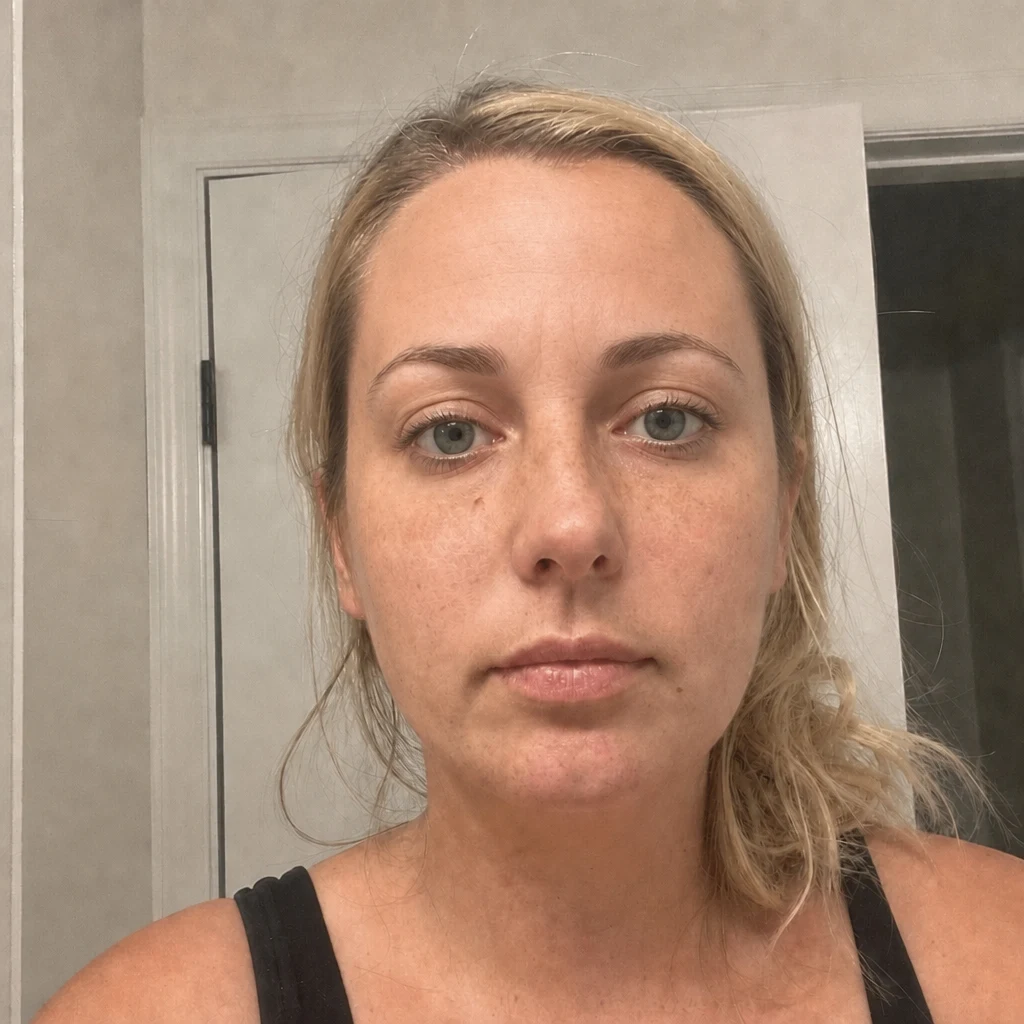
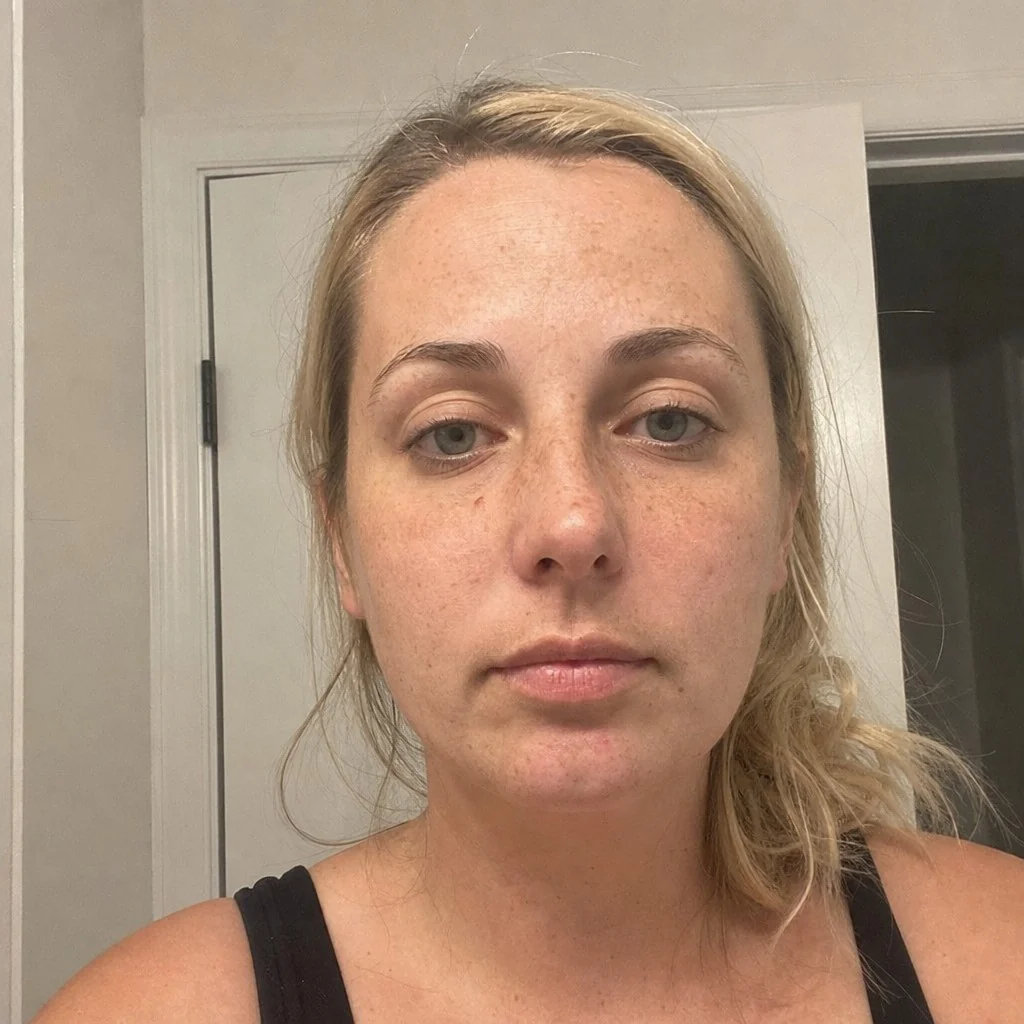
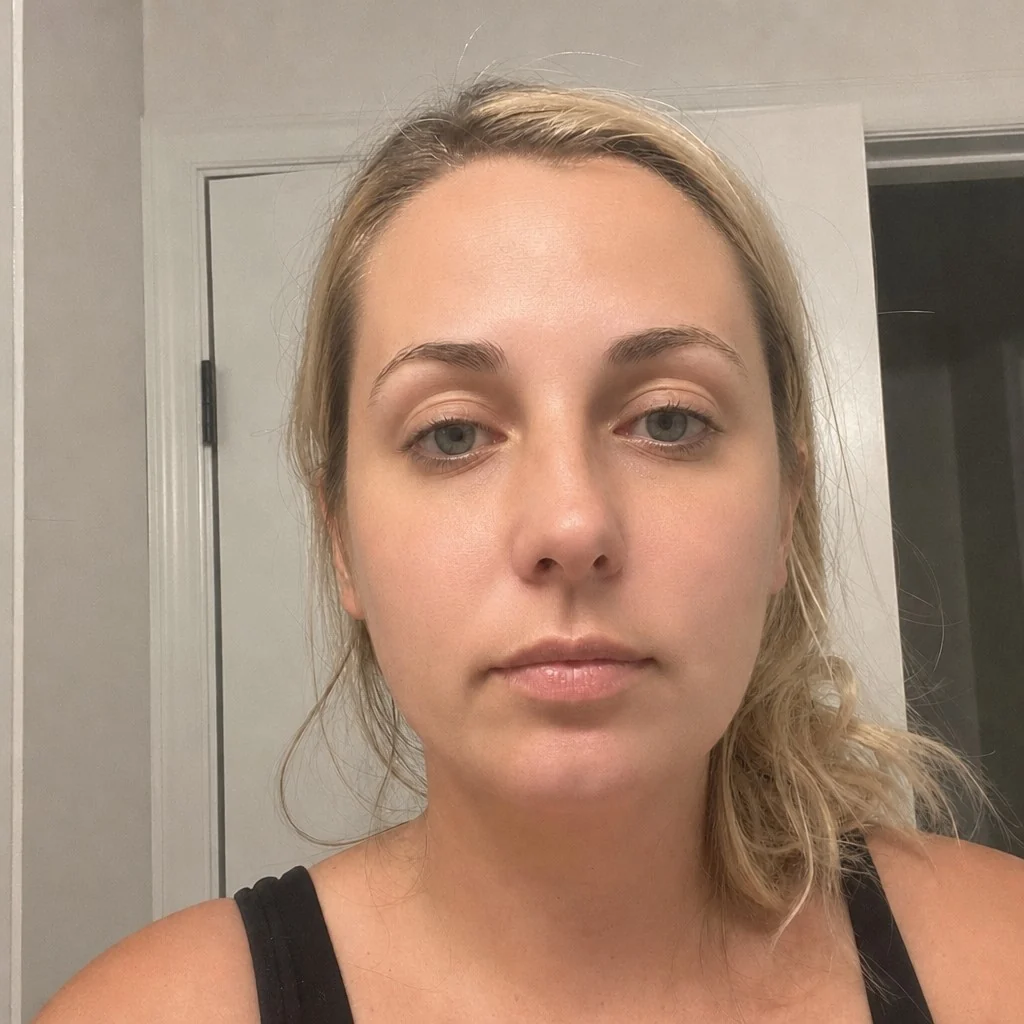
Before — generatedAfter — simulatedSee a botox on your own face
Run this simulationBotox cost: per unit, per area and per visit
Clinics price botox either by the unit or by the area. Per-unit prices are commonly quoted at roughly $10–$20 in the United States, higher in big cities. The American Society of Plastic Surgeons lists an average of $435 for botulinum toxin injections. A single area usually costs a few hundred dollars; the full upper face more.
| Cost factor | Why it moves the price |
|---|---|
| Number of units | The biggest factor — a strong frown muscle takes more than a light forehead |
| Number of areas | Forehead, frown lines and crow's feet together is roughly triple one area |
| Brand | Units and prices differ between Botox, Dysport, Xeomin and Daxxify |
| Who injects | Dermatologists and plastic surgeons usually charge more than med spas |
| City | Metro prices commonly run well above the national range |
| Frequency | Three or four visits a year is the real annual cost |
A low per-area price with an unstated unit count is the quote to question. Ask how many units are included, and whether a two-week top-up costs extra.
Botox side effects, and what "botox gone wrong" usually means
Most botox side effects are mild and temporary: redness or small bumps at the injection points, bruising, a headache on the first day, and tenderness. Because the toxin wears off, most unwanted results also wear off — which is small comfort for three months, but a real difference from surgery.
- Heavy or dropped brows — forehead dosed too strongly or too low. Brows can feel tired to lift.
- Drooping eyelid (ptosis) — toxin reaching the muscle that lifts the lid. Uncommon, and usually resolves over weeks.
- "Spock brow" — the outer brows arch up sharply because the center of the forehead was treated and the sides were not. Often corrected with a few extra units.
- Frozen or flat look — too many units for the result wanted. Expression returns as it wears off.
- Asymmetry — one side responding more; commonly addressed at the two-week review.
The US label also carries a boxed warning that the toxin's effect can spread beyond the injection site, causing trouble swallowing, speaking or breathing. The reported cases came mainly from higher-dose medical uses, but those symptoms after any treatment need urgent medical attention.
Baby botox, preventative botox and botox for men
Baby botox
Baby botox is not a product — it means fewer units spread across the same area, for softened lines with more movement left. The trade-off is that a lighter dose usually wears off sooner.
Preventative botox
Starting in your twenties to stop lines forming is heavily marketed. The logic — less creasing, fewer etched lines — is plausible, but long-term evidence that it changes how a face ages is limited, and it means many more years of repeat visits.
Botox for men
The areas are the same. Men usually have stronger forehead and frown muscles and often need more units, and a flat, arched brow can look more out of place on a face that had a straight, low one. Injectors commonly aim to keep the brow shape as it was.
Botox simulator: smoother lines on your own photo
The botox simulation renders your photo with forehead lines, the frown lines between the brows and crow's feet smoothed, for a more rested upper face, while keeping your natural skin texture and expression. It is a quick way to see how much of what bothers you in a photo is actually lines.
What it cannot show is movement — and movement is what botox changes most. A render cannot tell you how your brows will sit when you raise them, whether a line visible at rest is etched in, or how a lighter or heavier dose would read. If one brow sits higher than the other at rest, the face symmetry test will show it; injectors sometimes dose the two sides differently for that reason.
Measure how far your left and right sides differ at rest — worth knowing before any upper-face treatment.
Check your brow symmetryQuestions to ask your injector before botox
- How many units are you planning, in which muscles, and what is each injection meant to do?
- If one side responds more than the other, what happens at the two-week review — and does a top-up cost extra?
- Should we start with a lower dose and add at two weeks, rather than aim for the full result on day one?
Alternatives to botox
How the botox simulation works
Your photo is analysed for the landmarks that matter to this procedure, and the render changes forehead, glabella and crow's feet lines while leaving the rest of your face alone. That constraint is the hard part — a generic image model will happily redraw your whole face and hand you a stranger who looks better.
The render smooths lines in a still photograph. Botulinum toxin acts on movement, so the thing it changes most is what your face does — which no still image contains.
It is an illustration of a plausible direction, not a prediction of your result and not a medical opinion. What it is genuinely good for is finding out whether you want the change at all — plenty of people render one, find the difference smaller than they imagined, and stop there.
Measure your face before a botox simulation
The free analysis tools measure symmetry, facial proportion and face shape, and tell you which measurements sit outside the reference range. Choosing a procedure from that is a much better starting point than choosing one from a photo you saved.
Botox simulator — frequently asked questions
What does 10 years of Botox look like?
There is little good long-term photographic data. People treated regularly for years typically still look like themselves, with softer frown and forehead lines than they would otherwise have. Repeated treatment can thin the treated muscles somewhat, which some people see as a benefit and others notice as less movement.
What is the 4-hour rule for Botox?
A common aftercare instruction: stay upright and avoid rubbing or pressing the treated areas for about four hours, so the toxin stays where it was placed. The evidence behind the exact number is thin, but it costs nothing to follow your injector's version.
What should you avoid after Botox injections?
Commonly advised for the first day: no massaging the area, no lying face-down for a few hours, no hard exercise, saunas or facials. Many injectors also suggest skipping alcohol that day to limit bruising.
Is it better to start Botox younger or older?
There is no good evidence for an ideal age. Starting young is sold as prevention; starting when lines bother you means fewer years of treatment. Lines already etched at rest respond less completely, which is the one practical argument for not leaving it very late.
Does botox stop working over time?
Most people keep responding. A small number develop antibodies and respond less, which is documented but uncommon at cosmetic doses. Practitioners cite the lowest effective dose and not re-treating too frequently as the way to reduce the risk.
Can botox get rid of lines that show at rest?
Partly. Relaxing the muscle stops the line deepening and often softens it over several treatments, but a line etched into the skin has a skin component too. Resurfacing or filler is often discussed alongside for those.
Is the botox simulator free?
The face analysis is free and needs no account. A rendered simulation costs credits because it runs on a GPU — $4.99 buys five and does not require a subscription.
How accurate is an AI botox simulation?
It is an illustration of a plausible outcome, not a prediction of your result. Real outcomes depend on your anatomy, the dermatologist or injector and how you respond. Treat it as a conversation starter for a consultation, not a promise.
Do you keep my photo?
The free measurements never leave your browser. A simulation does send the photo to a rendering service, which is why it asks for explicit consent first, and you can delete the result from your dashboard at any time.
Can I show this to a dermatologist or injector?
Yes, and that is the most useful thing to do with it. Bringing a picture of the direction you want is far more precise than describing it in words.
Other skin simulations
This page is not medical advice and we are not clinicians. A simulation cannot tell you whether a procedure is appropriate for you, what it costs, or what the risks are. Those questions belong with a qualified dermatologist or injector.