Blepharoplasty: Before and After, on Your Own Eyes
Blepharoplasty is eyelid surgery that removes excess skin from the upper lid, bags from the lower lid, or both. Here is what each version changes, what it costs, how recovery usually goes and how to read a before and after gallery — plus a render of more open lids on your own photo.
Blepharoplasty simulator — example render
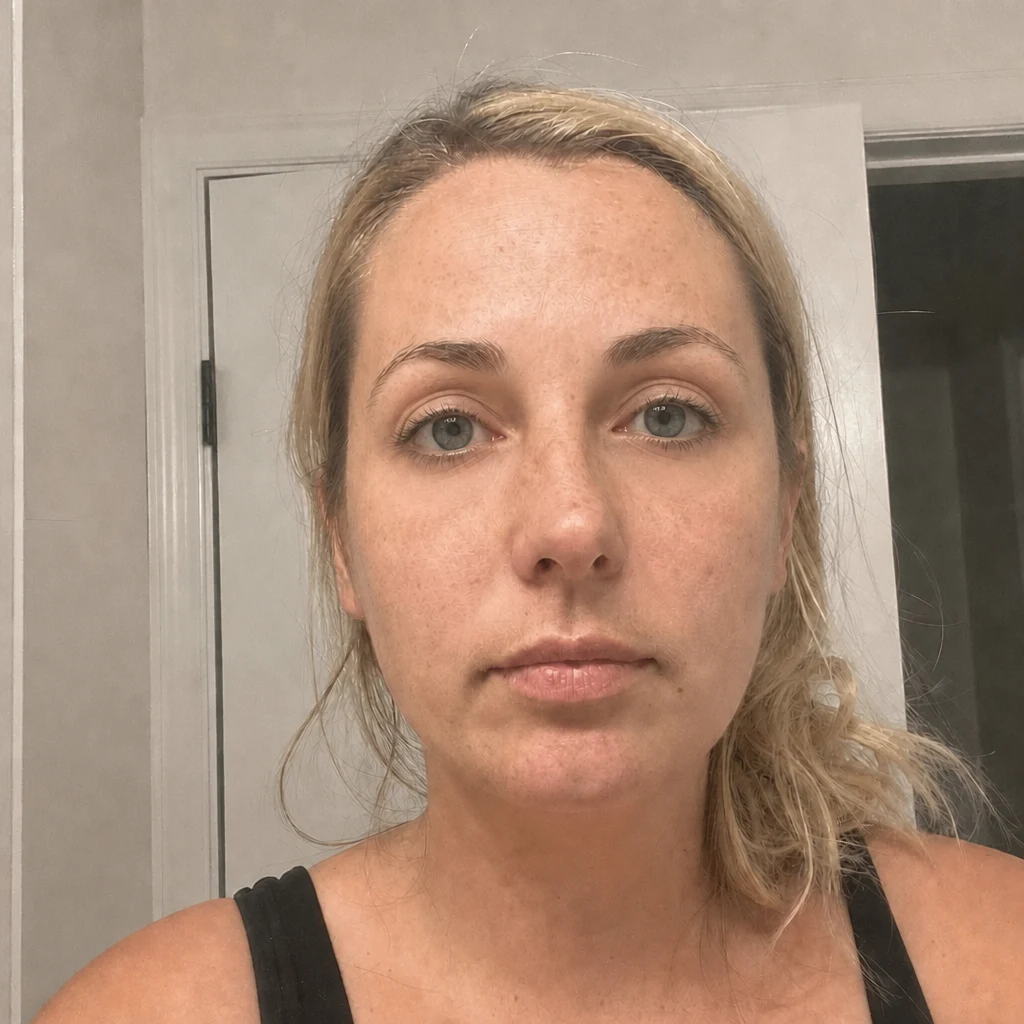
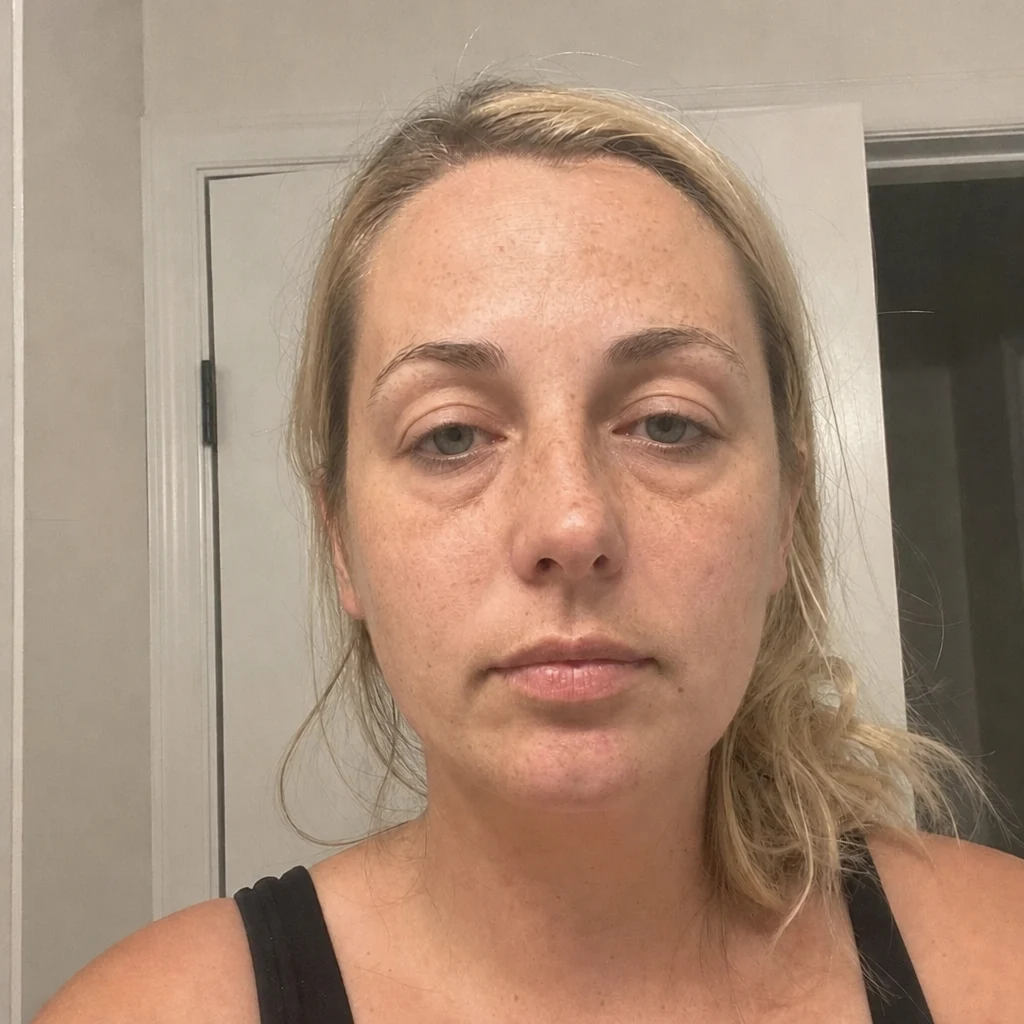
- Type
- Surgical, long-lasting
- ASPS average surgeon's fee
- $3,359 upper · $3,876 lower
- Presentable again
- Commonly around two weeks
- Insurance
- Sometimes, if upper-lid skin blocks vision
- Upload one front-facing photo
- The render changes upper and lower eyelid skin — and leaves the rest of your face alone
- Compare your before and after side by side
1 render = 1 credit
5 credits $4.99, no subscription · or Starter $7.99/month for 10. The face analysis is free.
What is blepharoplasty?
Blepharoplasty is the medical name for eyelid surgery. It covers two different operations that share a name: upper blepharoplasty, which removes excess skin (and sometimes a little fat) from the upper lid, and lower blepharoplasty, which treats bags and the groove between the lower lid and the cheek.
They can be done together or separately, under local anesthesia with sedation or under general anesthesia. Upper-lid surgery is one of the more common facial operations in older adults, largely because upper-lid skin loosens with age regardless of how well someone looks after their skin.
Blepharoplasty before and after: what actually changes
A typical blepharoplasty before and after shows a handful of specific changes. Knowing which ones belong to which operation makes a gallery much easier to read.
| What changes | Before | After | Which operation |
|---|---|---|---|
| Upper-lid skin | A fold resting on or near the lashes | A visible strip of lid between lashes and crease | Upper blepharoplasty |
| Upper-lid fullness near the nose | A soft bulge at the inner upper lid | Flatter inner lid | Upper, when fat is trimmed |
| Lower-lid bags | Puffiness that casts a shadow below | Smoother lid-cheek transition | Lower blepharoplasty |
| Tear trough groove | A visible line where lid meets cheek | Softer line, if fat is repositioned | Lower, fat repositioning technique |
| Eye shape and corners | — | Usually unchanged | Not what blepharoplasty moves |
Upper vs lower blepharoplasty: the types of eyelid surgery
Upper blepharoplasty
The incision sits in the natural upper-lid crease, so the scar usually hides when the eyes are open. The surgeon marks how much skin to remove while leaving enough for the eye to close comfortably. Some fat, most often at the inner corner, may be trimmed. Upper eyelid surgery is the version sometimes covered by insurance, when a formal visual field test shows the skin is blocking vision.
Lower blepharoplasty and transconjunctival eyelid surgery
Lower-lid surgery is usually done one of two ways. Transconjunctival eyelid surgery goes through the inside of the lower lid, leaves no external scar and suits bags without much loose skin. The transcutaneous approach uses an incision just below the lashes and allows skin to be removed too. Many surgeons now reposition lower-lid fat into the groove below instead of only removing it, to avoid a hollow look.
Asian blepharoplasty and double eyelid surgery
Asian blepharoplasty, often called double eyelid plastic surgery, creates or defines an upper-lid crease rather than mainly removing excess skin. It is done with an incision or with a suture-based method that uses no long incision. It is sometimes combined with epicanthoplasty at the inner corner. A single upper lid is a normal anatomical variant; the operation is a preference, not a correction.
Eyelid laser surgery
“Laser blepharoplasty” usually means a laser used as the cutting tool instead of a scalpel — it is still surgery. Laser resurfacing of the lid skin is a different thing: it can tighten crepey skin slightly but does not remove a real fold of excess skin.
Blepharoplasty for hooded eyelids — or is it ptosis, or a low brow?
A heavy upper eye has three common causes, and they look alike in a mirror. Blepharoplasty for hooded eyelids treats only the first one.
- Excess lid skin (dermatochalasis) — skin folds over the crease while the lid edge sits at a normal height. This is what blepharoplasty removes.
- A descended brow — the brow sits lower and pushes tissue onto the lid. A brow lift addresses that; removing lid skin alone can pull the brow lower still.
- A low lid margin (ptosis) — the edge of the lid itself covers more of the iris because the lifting muscle has stretched or detached. That needs ptosis correction, not skin removal.
Often more than one is present, which is why many surgeons assess brow and lid height before recommending eyelid surgery. The hooded eyes page explains what a photo can and cannot tell apart.
Blepharoplasty cost: what you'll actually pay
The American Society of Plastic Surgeons lists an average surgeon's fee of $3,359 for upper blepharoplasty and $3,876 for lower blepharoplasty. ASPS notes that this is only part of the price — anesthesia, the operating facility and related expenses are billed on top, so quotes for the full procedure run higher, and higher again when upper and lower lids are done together.
| Cost factor | Why it moves the price |
|---|---|
| Upper, lower, or both | Each is a separate operation; combining them usually costs less than two separate visits but more than one |
| Anesthesia | Local with sedation is typically cheaper than general anesthesia |
| Facility | Office-based suite vs surgical center vs hospital |
| Location and surgeon | Major metro areas and highly specialized surgeons quote more |
| Added procedures | Brow lift, ptosis repair or fat repositioning add time and cost |
| Insurance | Functional upper-lid surgery may be covered; cosmetic surgery is not |
Blepharoplasty cost is also searched heavily because prices abroad are lower. Revision surgery, travel for follow-up and complications handled at home are part of that comparison.
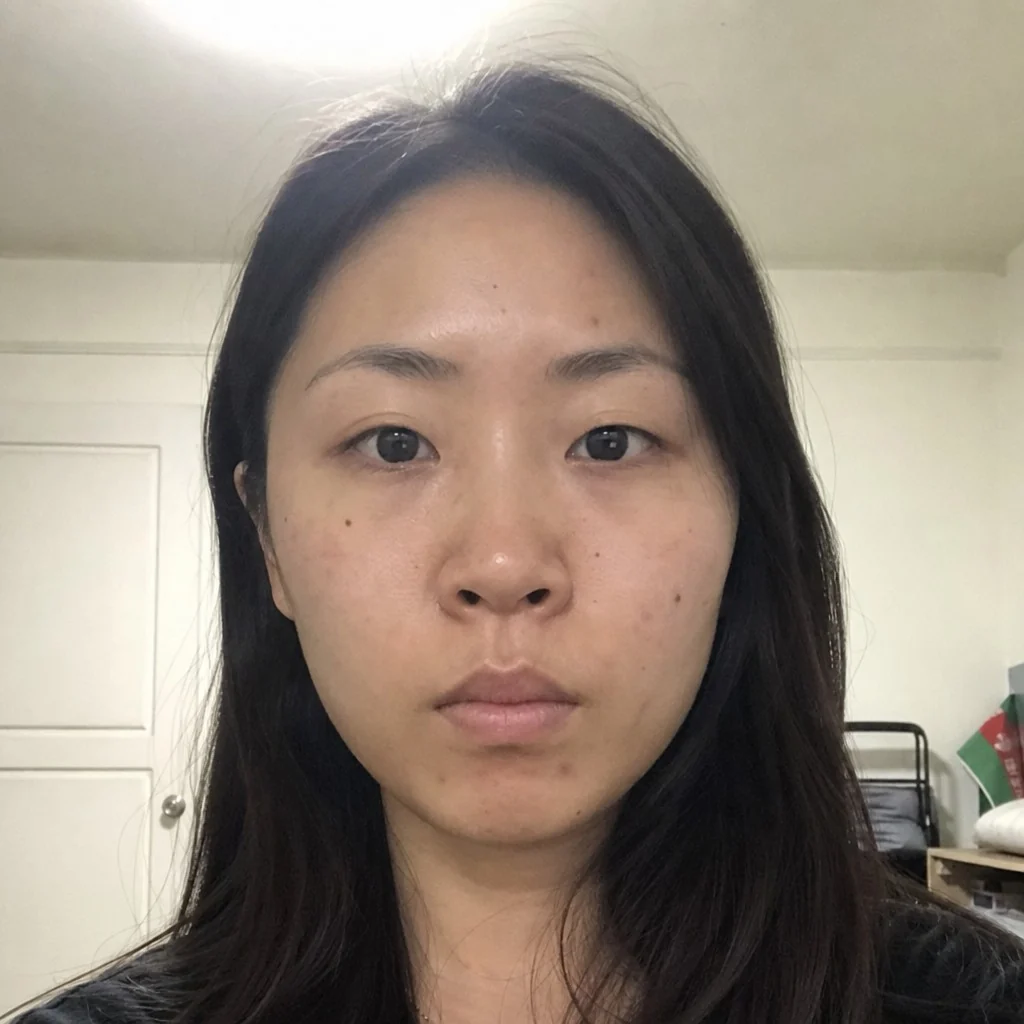
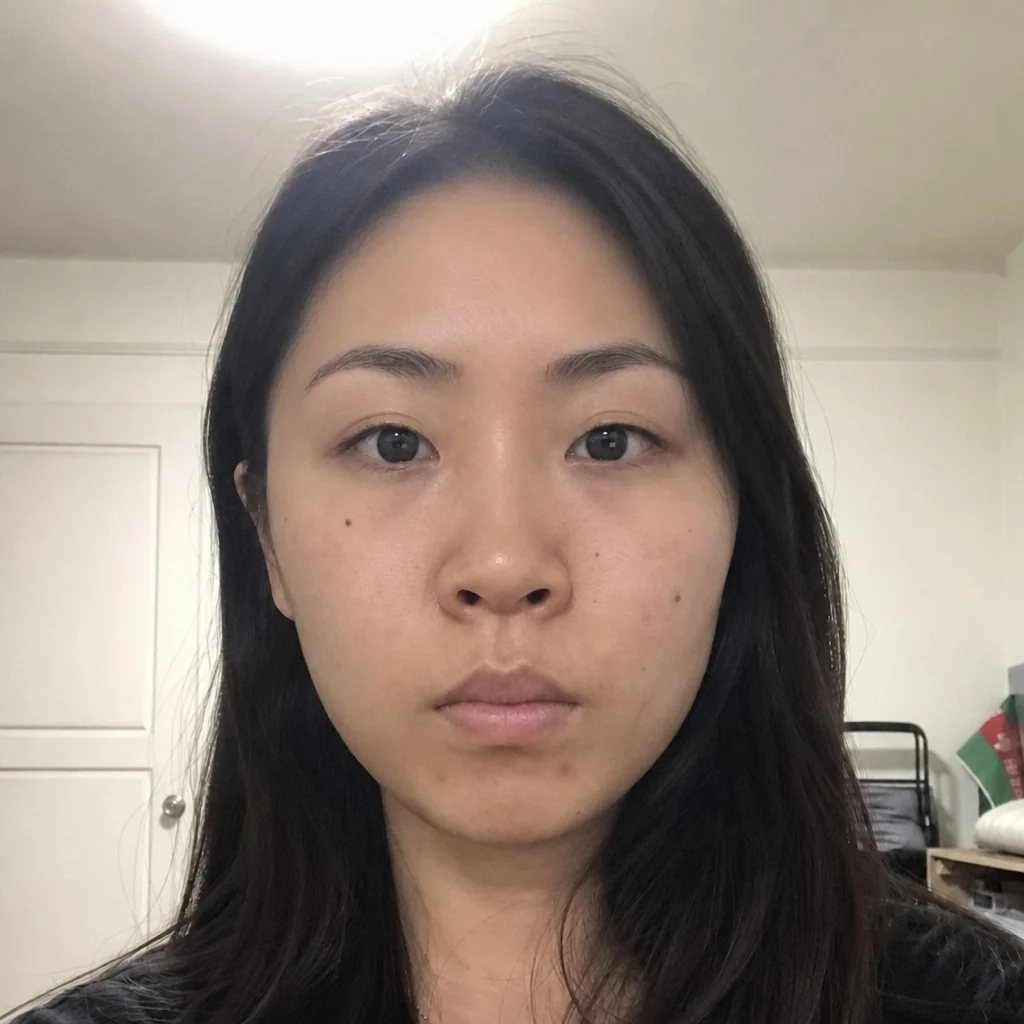
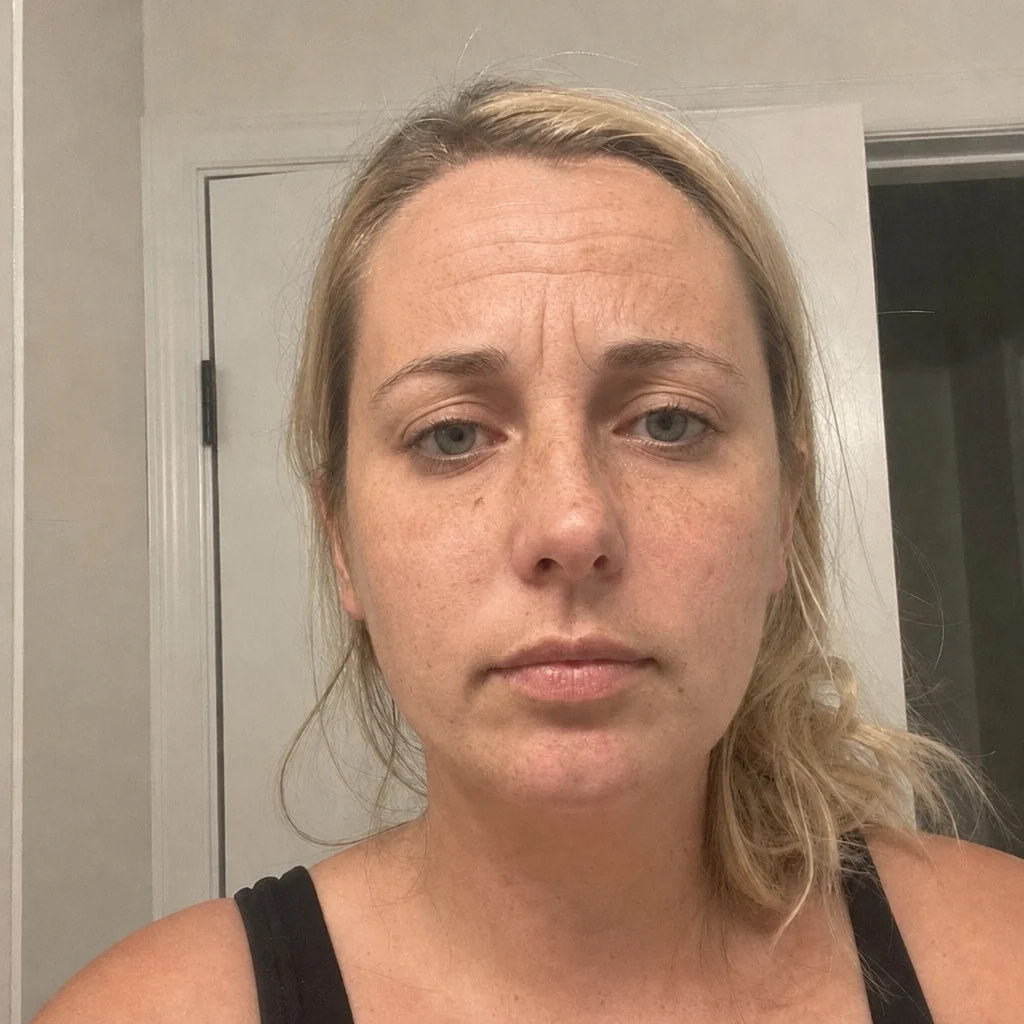
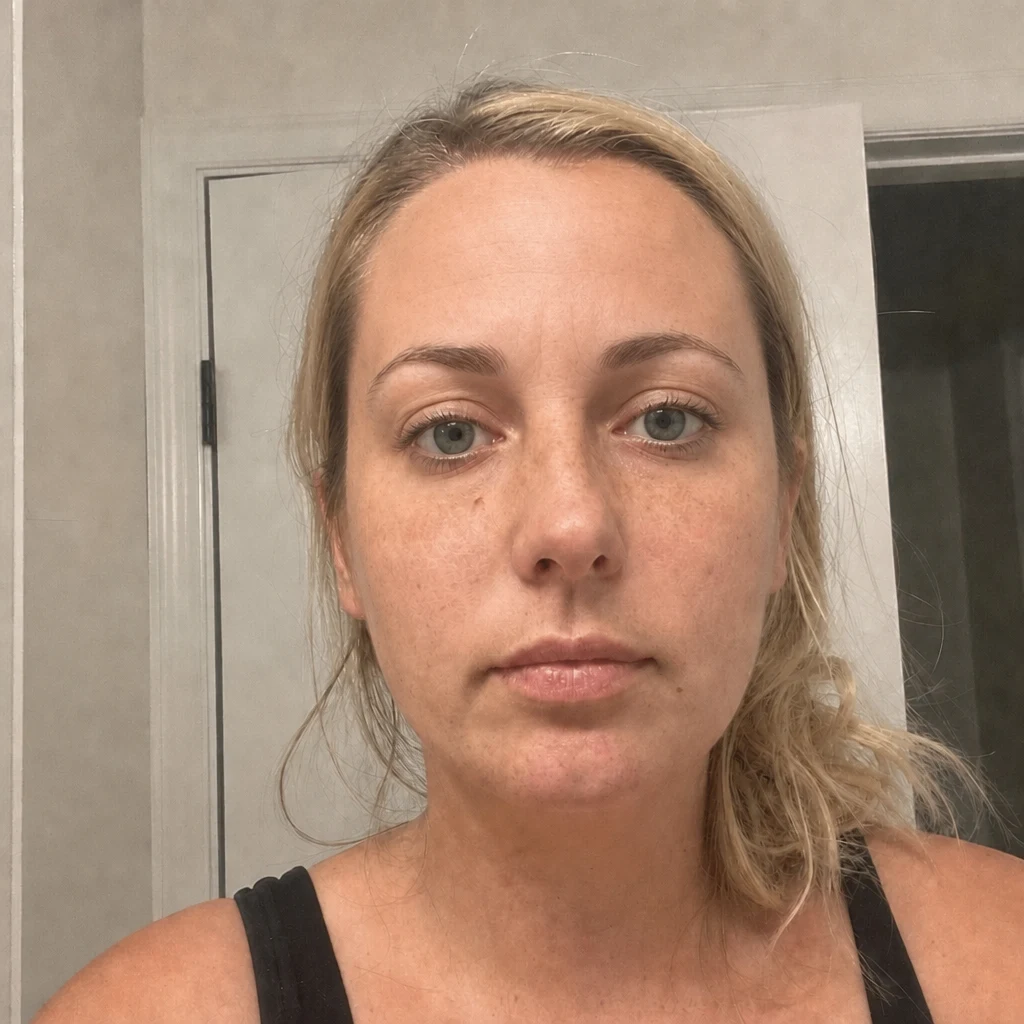
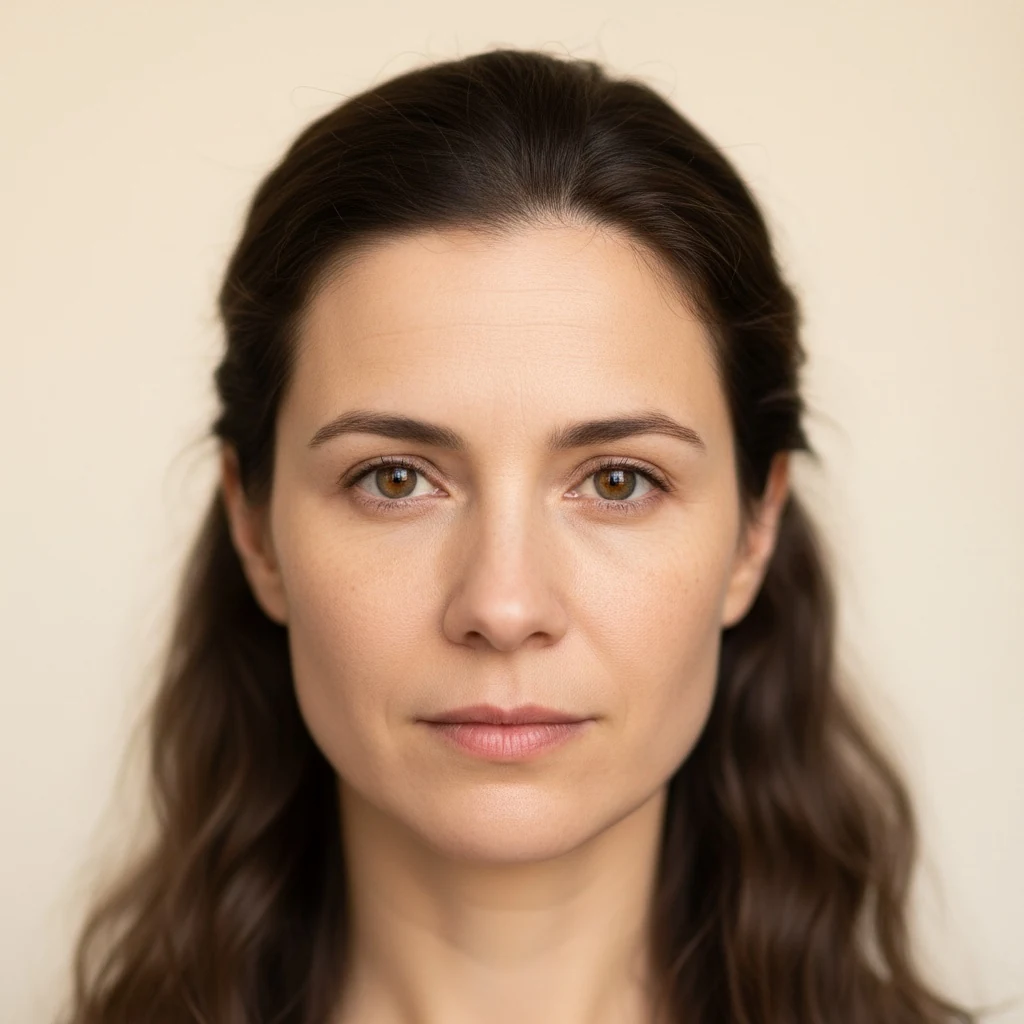
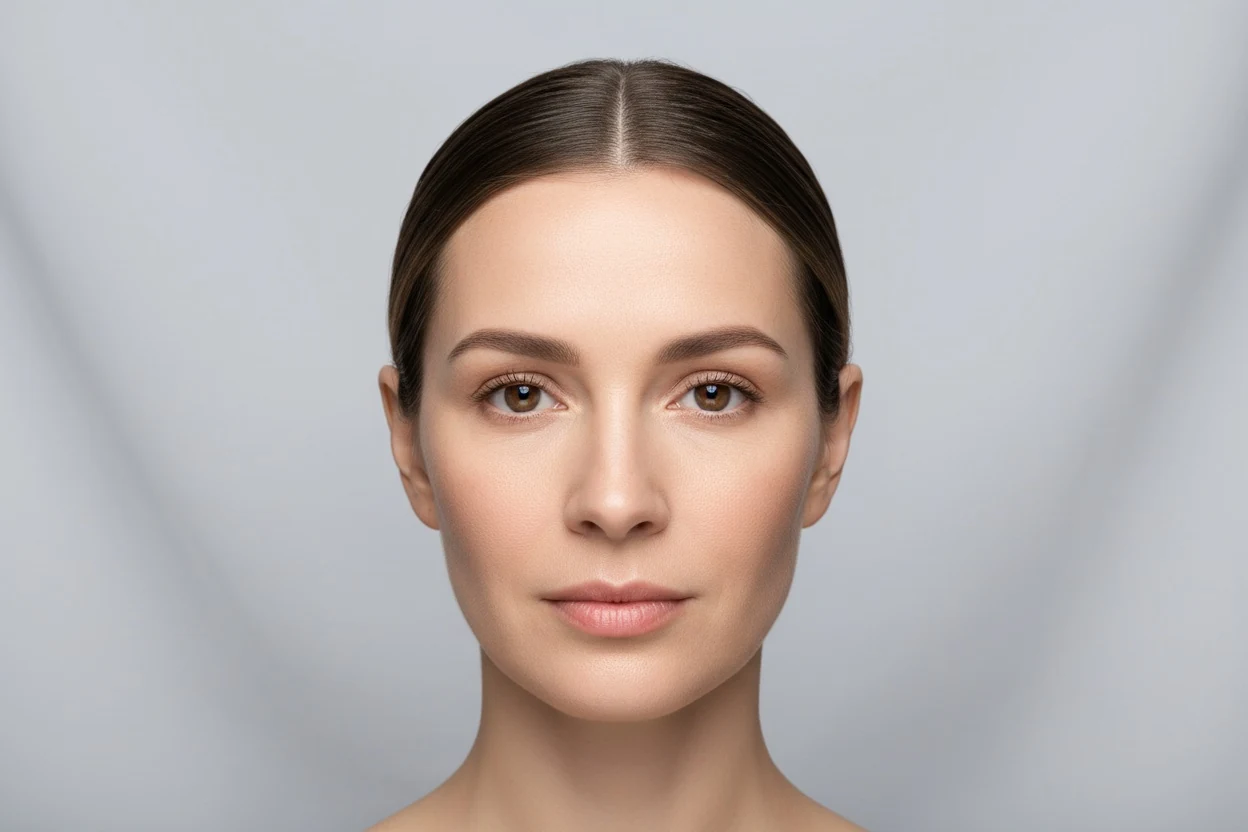
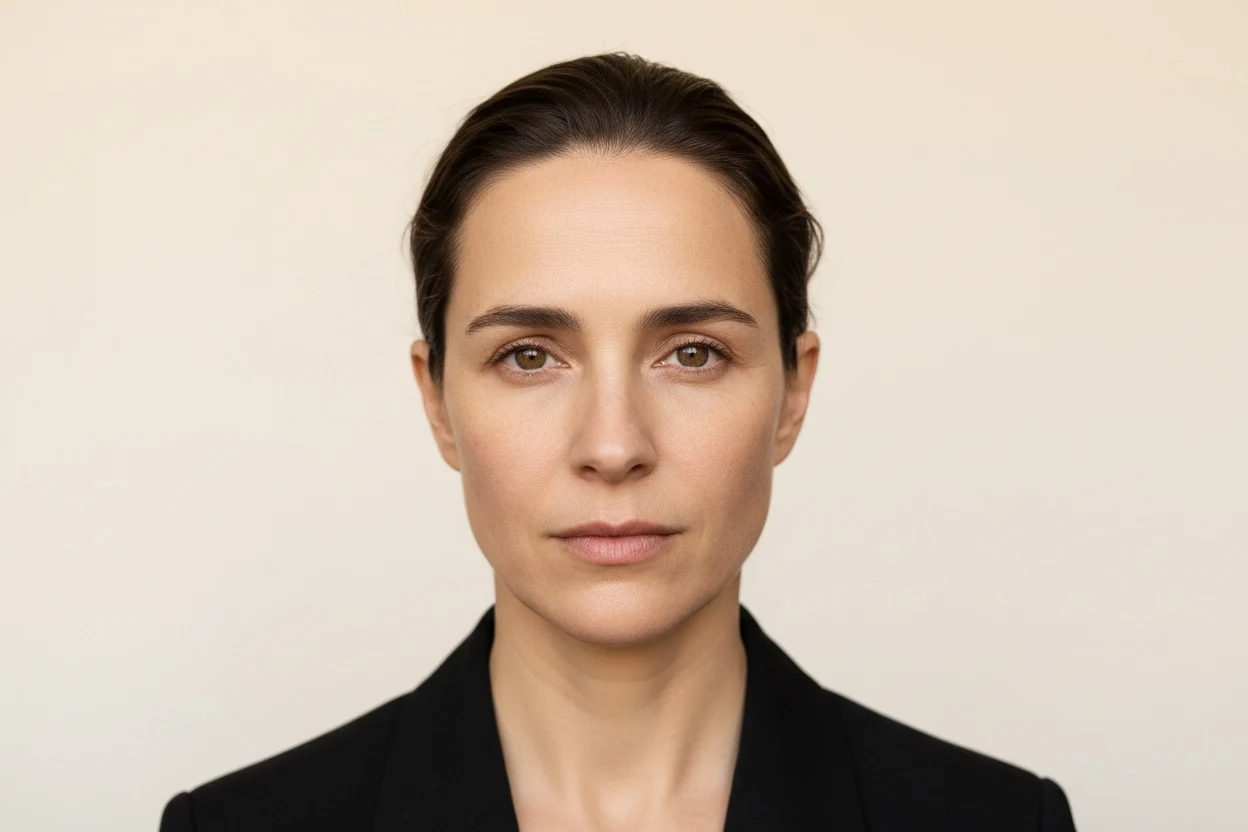
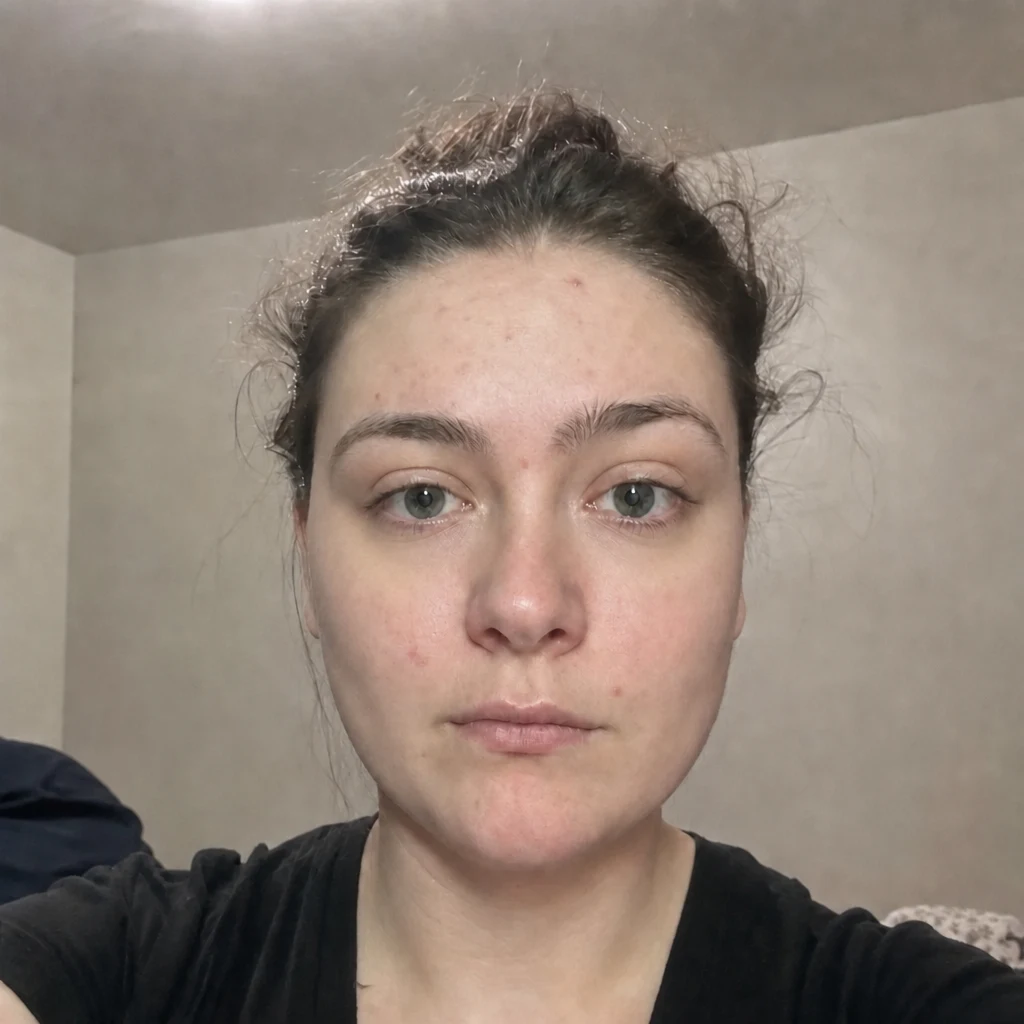
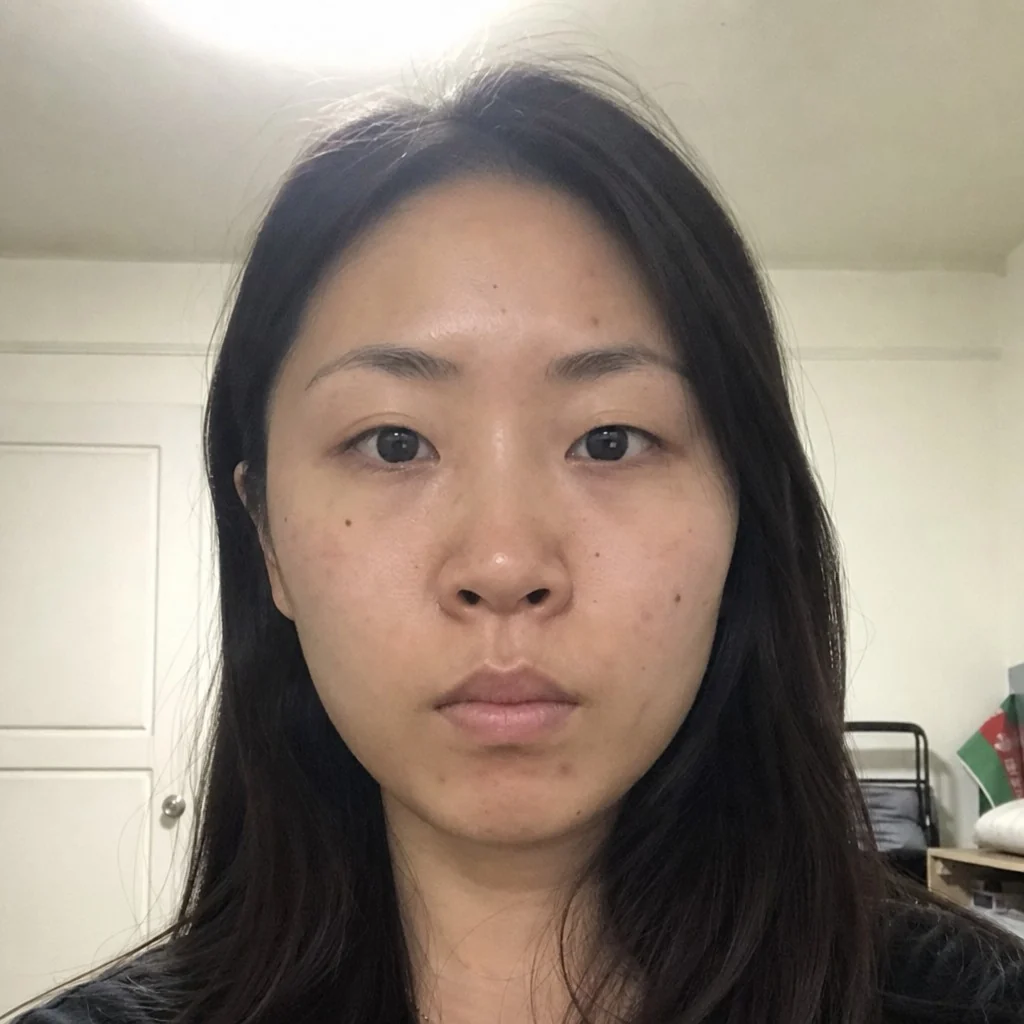
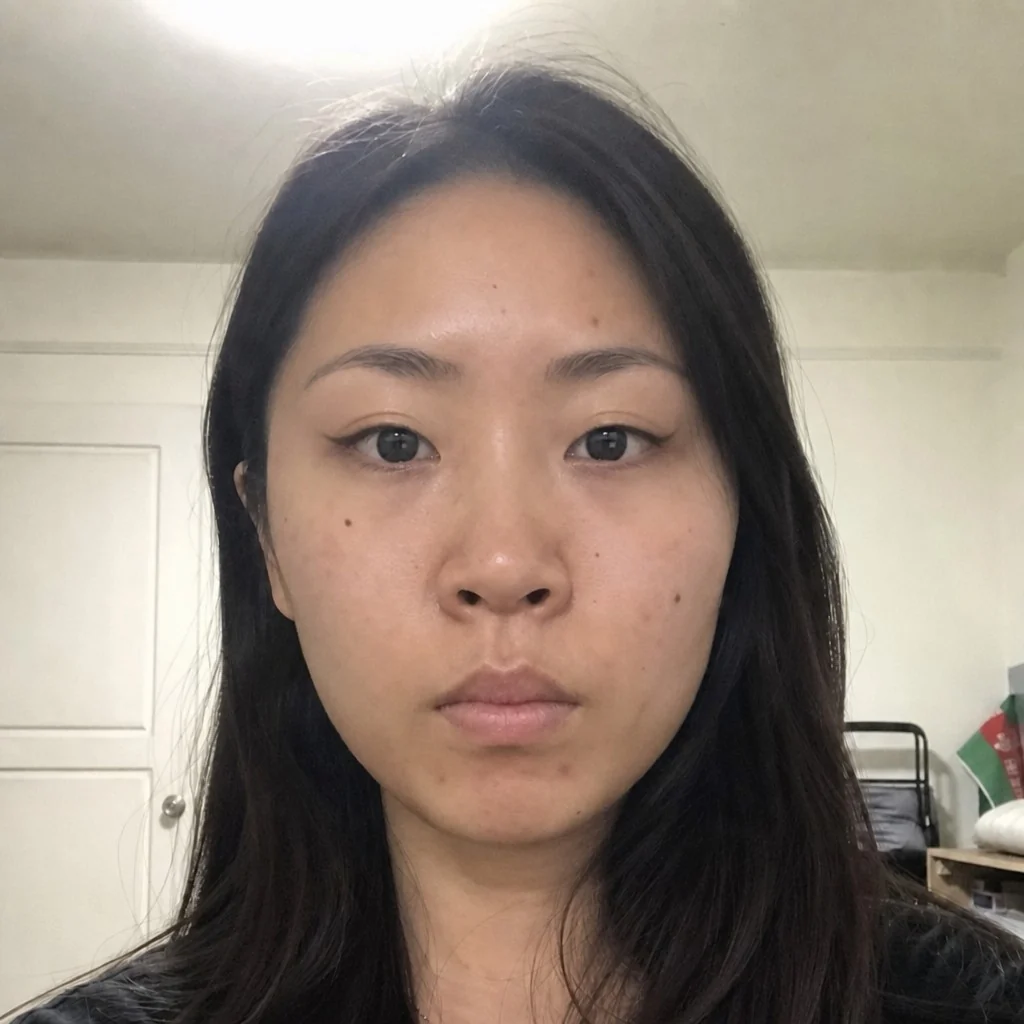
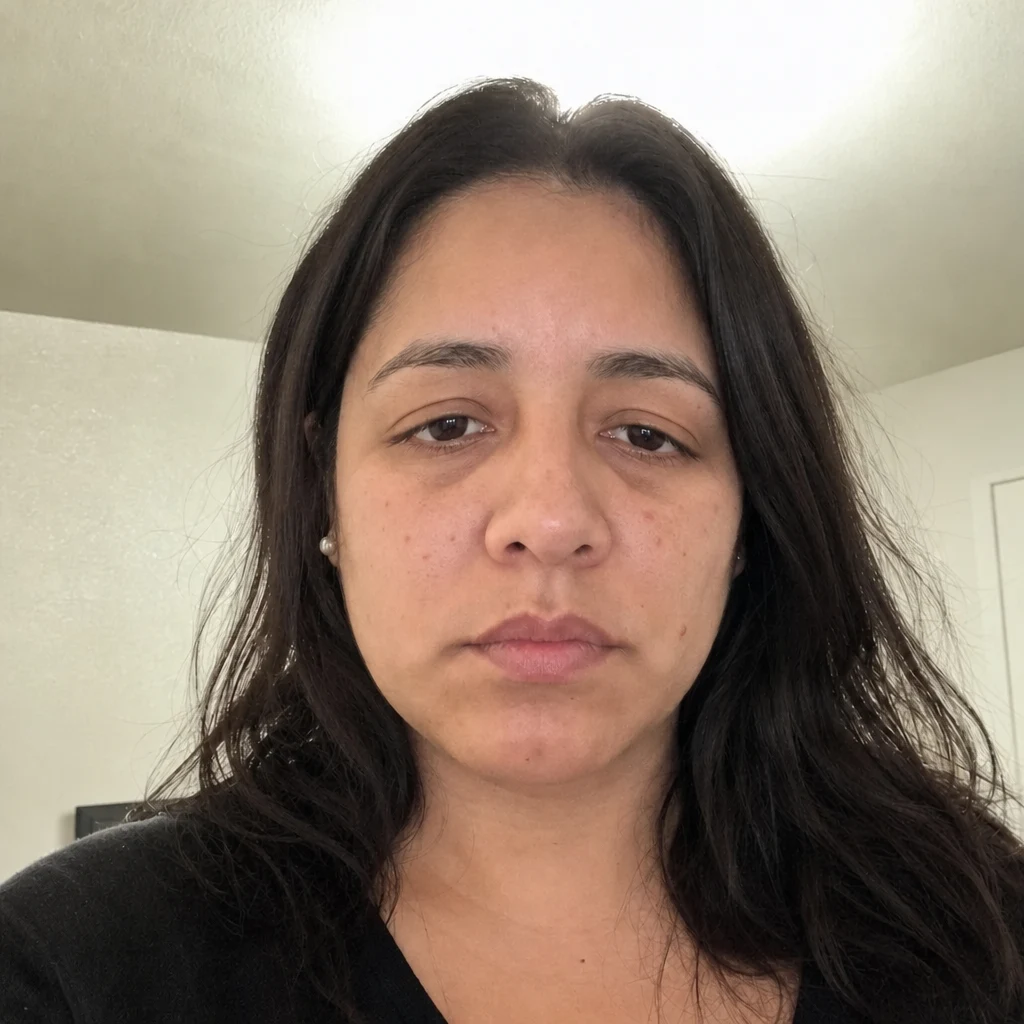
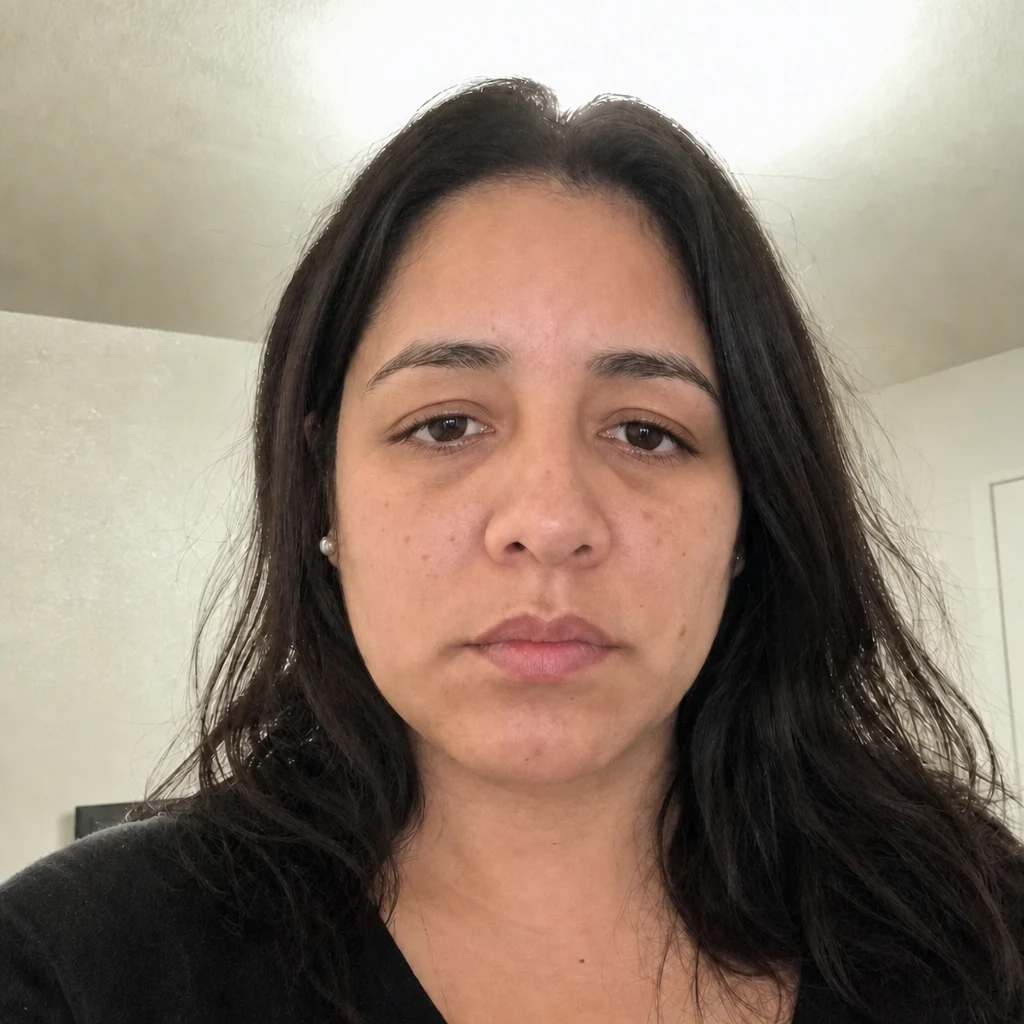
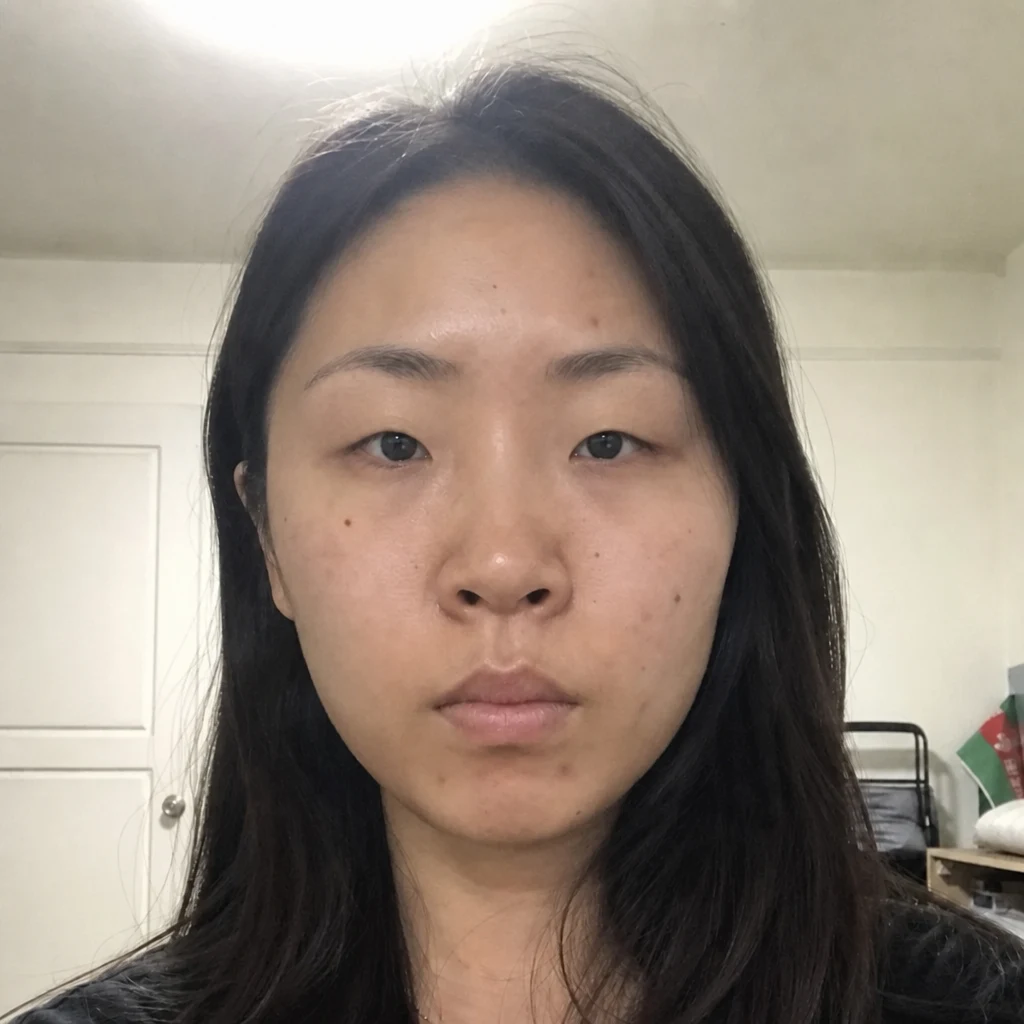
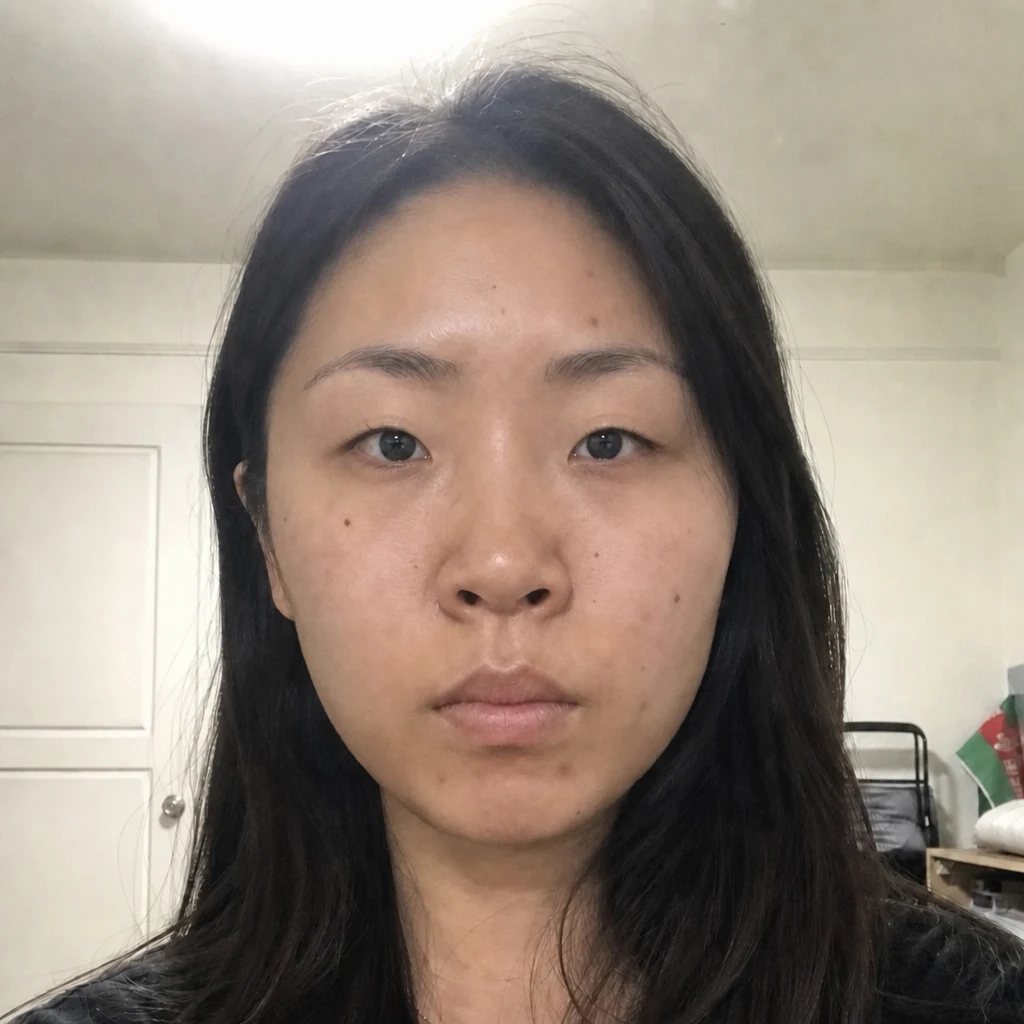
Before — generatedAfter — simulatedSee a blepharoplasty on your own face
Run this simulationBlepharoplasty recovery time, week by week
Blepharoplasty recovery is usually shorter than people expect and more visible than they would like. This is the commonly reported course; individual surgeons give their own instructions.
| Time after surgery | What is typically reported |
|---|---|
| Days 1–3 | Swelling and bruising peak; cold compresses, head elevated; lids feel tight, eyes may water or feel dry |
| Around day 5–7 | Stitches usually removed; bruising turning yellow |
| Weeks 1–2 | Most bruising fades; many people return to desk work and are presentable with light makeup |
| Weeks 2–6 | Residual swelling, especially in the morning; strenuous exercise usually resumed during this window |
| Months 3–6 | Swelling fully settles; crease and incision lines soften |
| Around 1 year | Scars at their most mature |
Screen time is often limited early on because it reduces blinking and worsens dryness, and bending over is often discouraged in the first days because it increases swelling. Contact lenses are commonly avoided for a period after surgery.
Blepharoplasty risks and downsides
Most eyelid surgery heals without trouble, but the downsides are well documented and worth knowing in advance:
- Dry, gritty or watery eyes, usually temporary.
- Difficulty closing the eyes fully when too much upper-lid skin is removed.
- Asymmetry between the two sides, sometimes needing a touch-up.
- Lower-lid malposition — the lower lid pulling down or away from the eye after lower blepharoplasty.
- A hollow, older look when too much fat is removed. This is the usual answer to “why do I look older after blepharoplasty”, and the reason fat preservation and repositioning are now common.
- Visible scarring, uncommon in the upper crease, more of a concern with incisions below the lashes.
- Bleeding behind the eye, rare but serious, which is why sudden pain or vision change after surgery is treated as urgent.
How long does blepharoplasty last?
The skin removed does not grow back, so upper blepharoplasty results are commonly described as lasting many years. The face keeps aging around them: brows descend, remaining skin loosens, and some people have a second upper-lid procedure much later. Lower-lid fat removal tends to be long-lasting because the fat does not return, though the midface continues to change.
Blepharoplasty simulator: more open lids on your own photo
The blepharoplasty simulation removes the hooding skin above the eyes and the bags beneath them, so the eyes read more open and rested, while keeping your face otherwise unchanged. It is a quick way to see whether that change is the one you are imagining before booking a consultation.
What the render does not do is diagnose the cause. It opens the eye area the same way whether the heaviness comes from lid skin, a low brow or a low lid margin — and those need different operations. It also does not change your canthal tilt or eye shape, because blepharoplasty does not move the corners. For lower-lid hollows rather than bags, compare the tear trough filler simulation.
See how much of your upper lid is visible and whether your eyes read as hooded — the starting point for a blepharoplasty conversation.
Check your eye shapeQuestions to ask your surgeon before blepharoplasty
- Is my heaviness mainly lid skin, brow position or a low lid margin — and would treating only the skin fix what I see?
- How much skin and fat are you removing, and what are you leaving so my eyes still close comfortably and don't look hollow later?
- For the lower lids: are you removing fat, repositioning it, or both — and do I need lid support to prevent the lid pulling down?
Alternatives to blepharoplasty
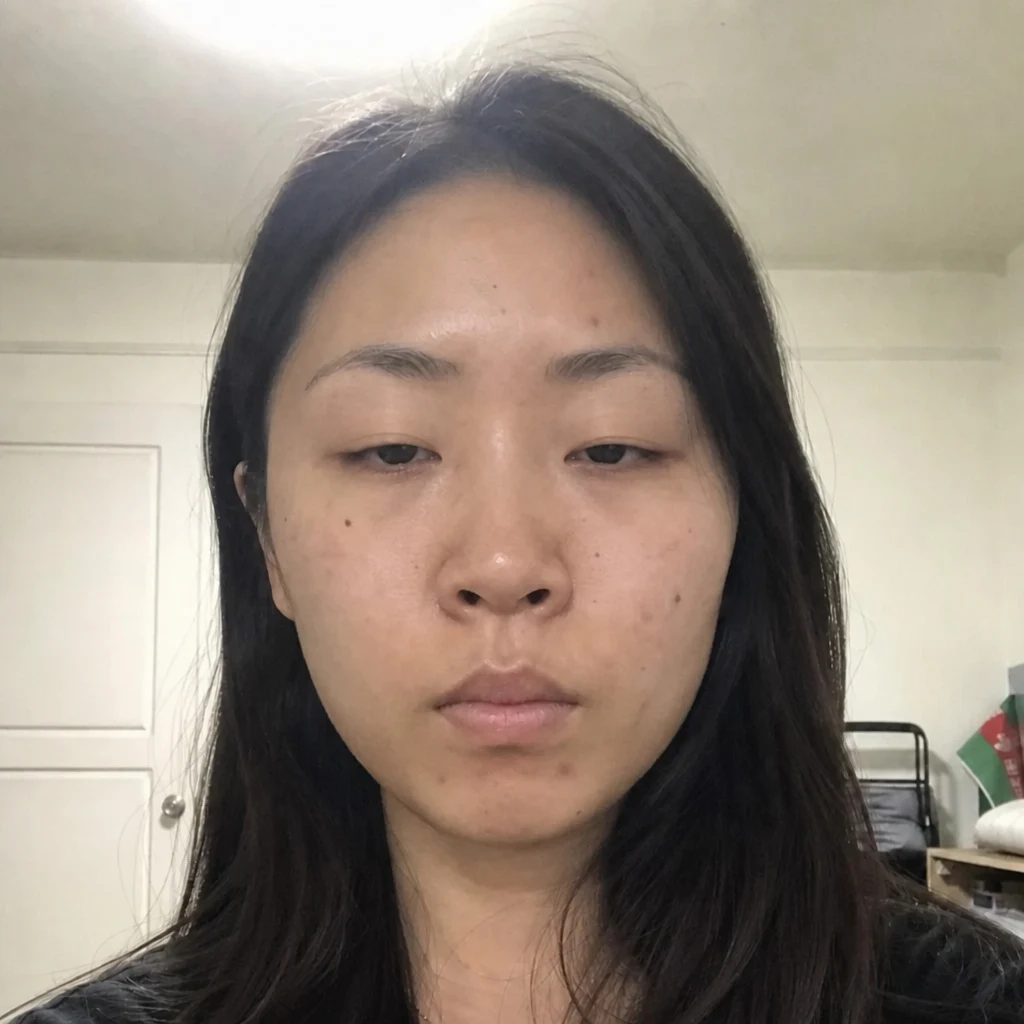
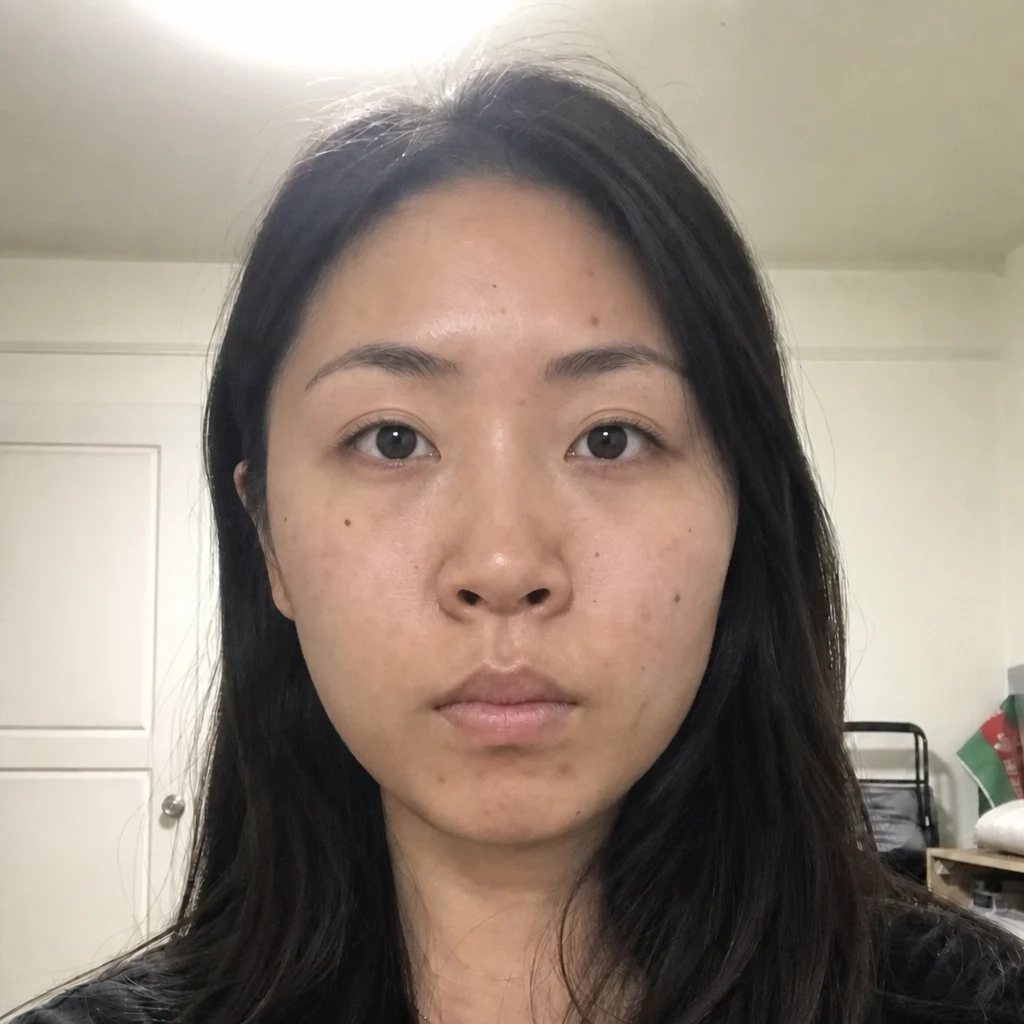
How the blepharoplasty simulation works
Your photo is analysed for the landmarks that matter to this procedure, and the render changes upper and lower eyelid skin while leaving the rest of your face alone. That constraint is the hard part — a generic image model will happily redraw your whole face and hand you a stranger who looks better.
The render opens the eye area in the frame. It cannot distinguish skin excess from a low lid margin from a low brow — three different causes of the same appearance, with three different operations.
It is an illustration of a plausible direction, not a prediction of your result and not a medical opinion. What it is genuinely good for is finding out whether you want the change at all — plenty of people render one, find the difference smaller than they imagined, and stop there.
Measure your face before a blepharoplasty simulation
The free analysis tools measure symmetry, facial proportion and face shape, and tell you which measurements sit outside the reference range. Choosing a procedure from that is a much better starting point than choosing one from a photo you saved.
Blepharoplasty simulator — frequently asked questions
Does anyone regret blepharoplasty?
Some people do, most often after over-correction — a hollow upper lid, a changed eye shape or a lower lid pulled down. There is no reliable single regret figure for eyelid surgery. Conservative skin and fat removal is the approach surgeons point to for avoiding it.
Will people notice I had eyelid surgery?
Early on, the bruising is obvious. Once healed, a conservative upper blepharoplasty usually reads as looking rested rather than operated on, and the crease scar is hidden when the eyes are open.
Is blepharoplasty covered by insurance?
Cosmetic eyelid surgery is not. Upper-lid surgery may be covered when excess skin blocks vision, which insurers typically require to be documented with a visual field test and photographs.
Is blepharoplasty painful?
It is usually described as more uncomfortable than painful: tightness, soreness and dry or watery eyes for the first days, commonly managed with cold compresses and mild pain relief.
What does blepharoplasty look like for men?
The same operation, planned differently. Men's brows usually sit lower and flatter and the crease lower, so surgeons tend to remove less skin and avoid a high, sharp crease that can look feminizing or overdone.
Can you get rid of hooded lids without surgery?
Not a true fold of excess skin. Toxin can lift the brow slightly, and resurfacing can tighten crepey skin a little, but neither removes the fold. Makeup changes how hooding reads in photos.
Is the blepharoplasty simulator free?
The face analysis is free and needs no account. A rendered simulation costs credits because it runs on a GPU — $4.99 buys five and does not require a subscription.
How accurate is an AI blepharoplasty simulation?
It is an illustration of a plausible outcome, not a prediction of your result. Real outcomes depend on your anatomy, the facial plastic surgeon and how you respond. Treat it as a conversation starter for a consultation, not a promise.
Do you keep my photo?
The free measurements never leave your browser. A simulation does send the photo to a rendering service, which is why it asks for explicit consent first, and you can delete the result from your dashboard at any time.
Can I show this to a facial plastic surgeon?
Yes, and that is the most useful thing to do with it. Bringing a picture of the direction you want is far more precise than describing it in words.
Other eyes & brows simulations
This page is not medical advice and we are not clinicians. A simulation cannot tell you whether a procedure is appropriate for you, what it costs, or what the risks are. Those questions belong with a qualified facial plastic surgeon.