Under Eye Filler: Tear Trough Before and After, Cost and Risks
Under eye filler — tear trough filler — softens the hollow between the lower lid and the cheek. It helps one cause of tired-looking eyes and not the others. Here is how to tell which you have, what it costs, how it heals and what goes wrong, plus a render on your own photo.
Tear Trough Filler simulator — example render
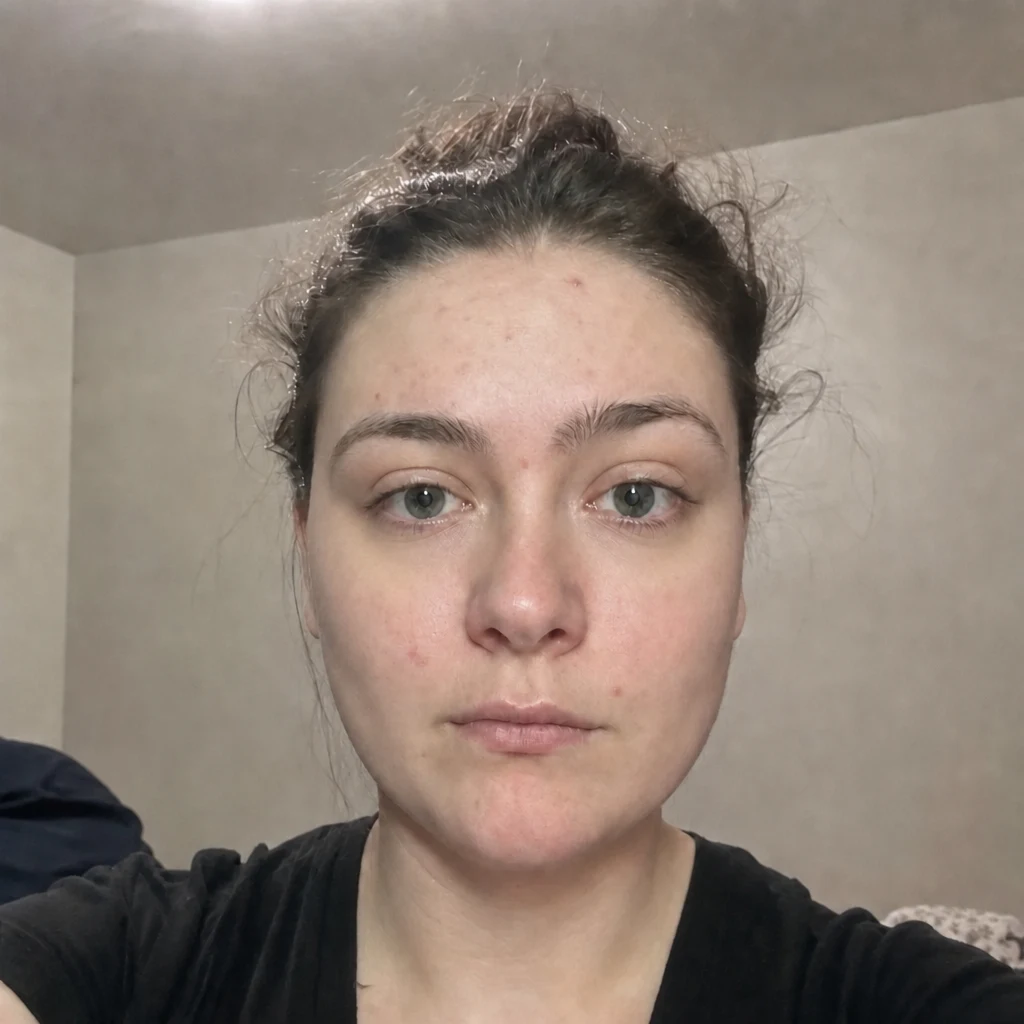
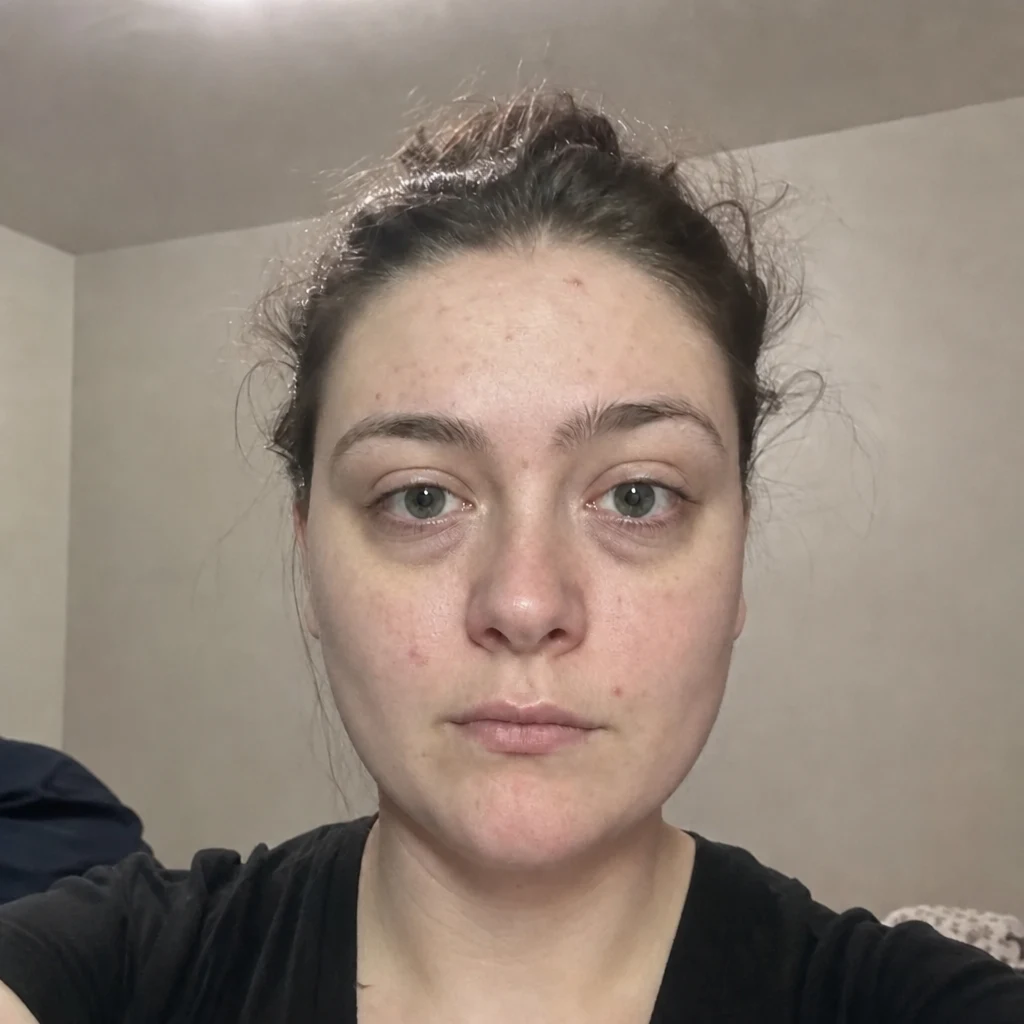
- What it treats
- A hollow that casts a shadow — not pigment or bags
- How long it lasts
- Commonly quoted at 12 months or more
- Typical US cost
- Roughly $600–$1,500 per session
- Recovery
- Bruising common; swelling settles in 1–2 weeks
- Upload one front-facing photo
- The render changes the hollow under your eyes — and leaves the rest of your face alone
- Compare your before and after side by side
1 render = 1 credit
5 credits $4.99, no subscription · or Starter $7.99/month for 10. The face analysis is free.
What is tear trough filler?
The tear trough is the groove that runs from the inner corner of the eye down and out toward the cheek. When it deepens, it casts a shadow that reads as a dark circle or a tired look. Tear trough filler — sold to most people as under eye filler — is a soft hyaluronic acid gel placed along that groove to reduce the step between the lower lid and the cheek.
It is one of the most technically demanding filler areas. The skin under the eye is thin, so product placed too close to the surface shows, and the vessels around the eye socket make depth and technique unusually important. In February 2022 the FDA approved the first filler specifically for under-eye hollows in adults over 21, with a required training program for the practitioners using it; others have followed. Before that, every under eye filler treatment in the United States was off-label use of a product approved for somewhere else.
Under eye filler before and after: what changes and what doesn't
The honest version of any under eye filler before and after starts with what the "before" actually is. Four different things make the under-eye area look dark or tired, and filler helps mainly one of them.
| Cause | What it looks like | Does under eye filler help? |
|---|---|---|
| Hollow (tear trough) | A groove that casts a shadow, worse under overhead light | Yes — this is what it treats |
| Pigment | Brown or grey color that stays the same in any light | No — color is not volume |
| Thin skin over vessels | A bluish or purple tint, often visible from a young age | Rarely, and can look worse if filler is too superficial |
| Bags (lower-lid fat) | A bulge above the groove that is worse in the morning | Sometimes camouflaged; often not, and can add puffiness |
How to read tear trough filler before and after photos
- Light from above. No area of the face is more affected by light direction. An overhead-lit before and a flat-lit after erases the shadow with no filler at all.
- Head tilt. Chin down deepens the trough; chin up flattens it.
- Smiling. A slight smile pushes the cheek up and hides the groove. Galleries rarely show an after taken while smiling, which is where overfilling shows.
- Concealer. Under-eye makeup is the most common uncredited treatment in these photos.
- Timing. A same-day after shows swelling, which plumps the area. Two weeks or more is the honest frame.
Under eye filler for hollows, dark circles and bags
Under eye filler for hollows
Hollows are the case under eye filler was designed for: a visible groove with reasonably good skin quality and little puffiness. The goal is a shorter, smoother transition from lid to cheek, not a filled pad under the eye. Deep-set eyes are a related trait that is mostly structure and light rather than volume loss, and the deep-set eyes page explains the difference.
Filler for under eye dark circles
Filler for dark circles only works when the darkness is a shadow. A quick check: look in a mirror under a single overhead light, then tilt your face up toward the light. If the darkness fades as the light fills the groove, it is largely shadow. If the color stays, it is pigment or vessels, which respond to skin treatments, sun protection or nothing — not volume.
Under eye filler for bags
"Under eye filler for bags" is one of the biggest searches in this area and one of the most common sources of disappointment. Filler can blend a small bag into the cheek by filling the groove beneath it. It cannot remove the fat that forms the bag, and in people with puffiness or fluid retention it can make the area look fuller. Prominent lower-lid bags are usually a surgical question — lower blepharoplasty removes or repositions that fat.
Practitioners also commonly describe very thin or crepey skin, significant lid laxity and a history of under-eye swelling as situations where under eye filler tends to disappoint. Sometimes the better first step is supporting the cheek below, which shortens the groove indirectly — the cheek filler simulation shows that change.
Under eye filler cost: what you'll actually pay
Under eye filler is commonly quoted at roughly $600–$1,500 per session in the United States. The area uses small amounts — often one syringe or less shared between both sides — so the price reflects the skill and time involved more than the product.
- Who injects — this is the area where experience carries the most weight, and where a dermatologist, oculoplastic surgeon or facial plastic surgeon typically charges more.
- Product — thinner, softer hyaluronic acid gels are used here; pricing varies by product.
- Review visit — some clinics include a two-week top-up in the price, others charge separately.
- Dissolving — if a previous treatment needs dissolving first, that is usually an additional fee.
Under eye filler is cosmetic and not covered by insurance. The spread in quoted prices is one reason "under eye filler cost" is searched so often; the cheaper end of that spread is also where many "gone wrong" stories start.
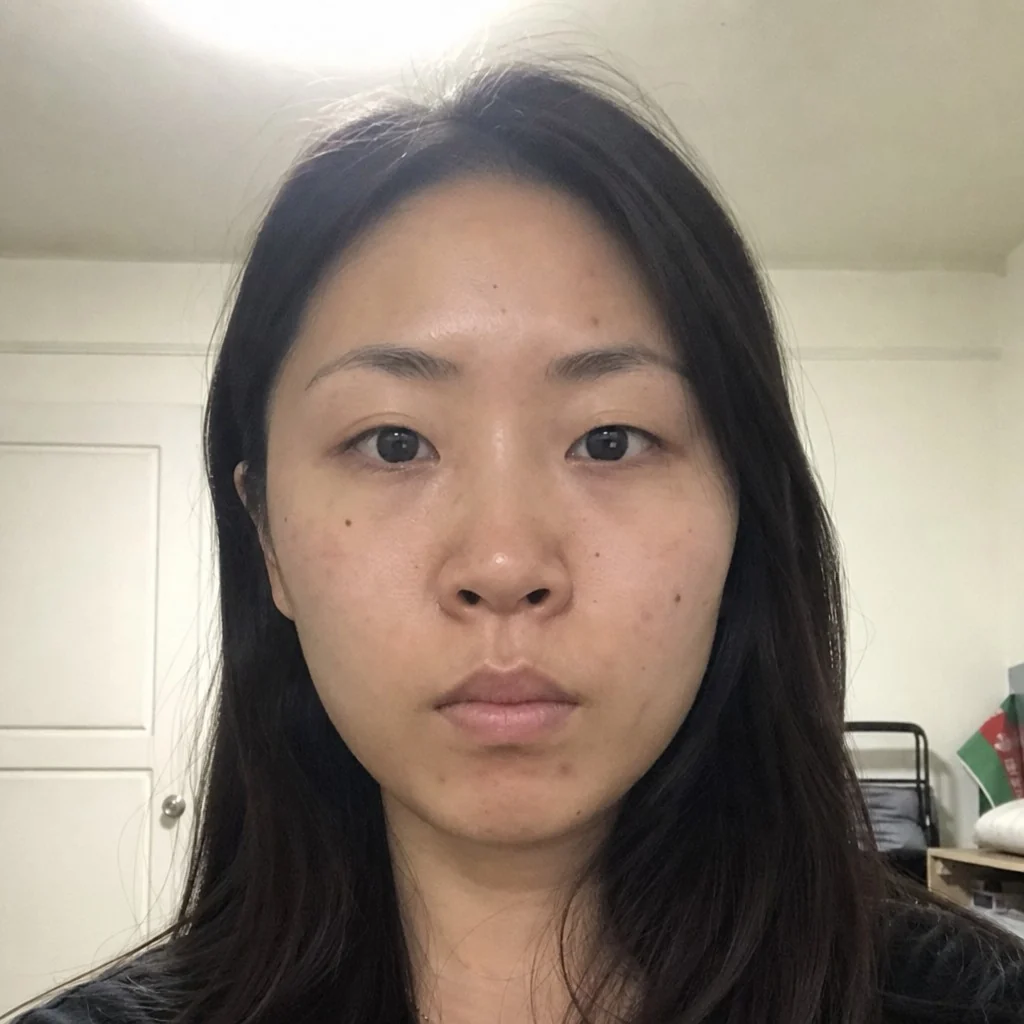
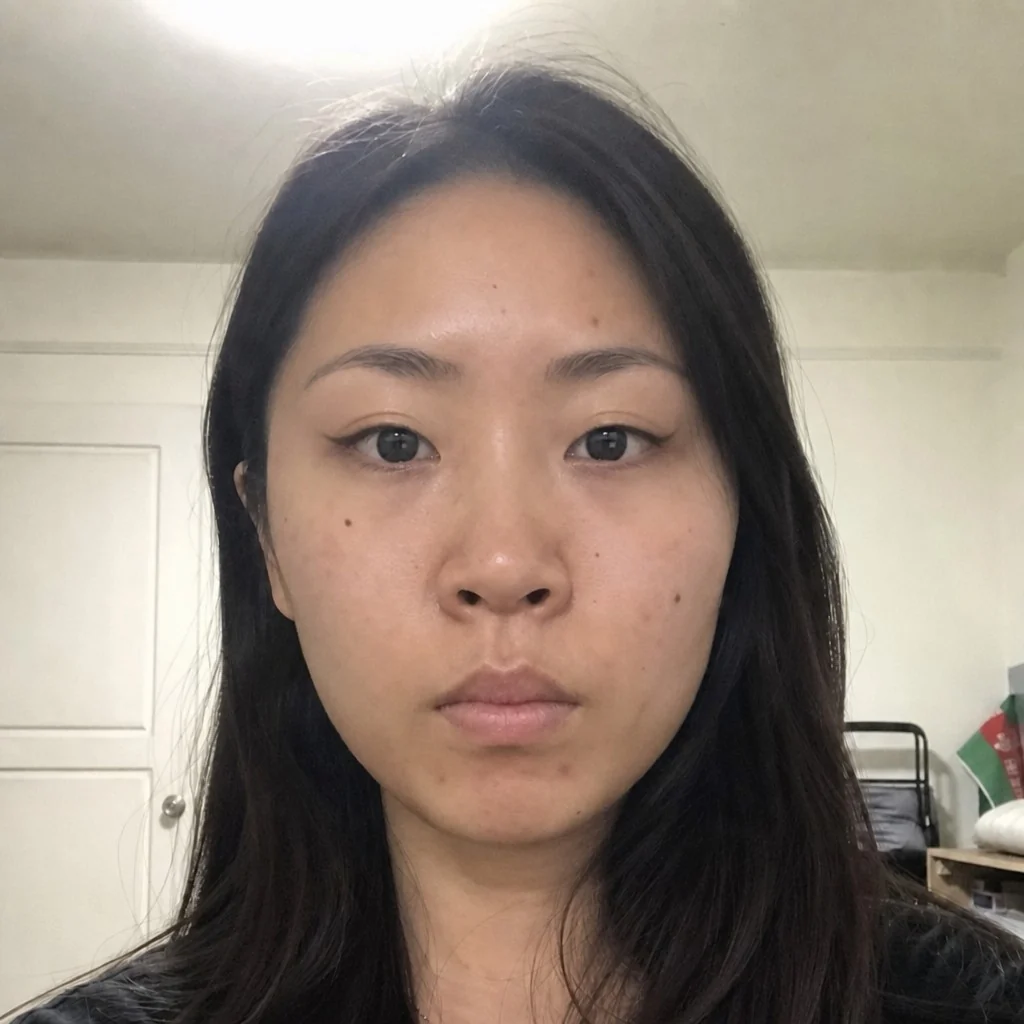
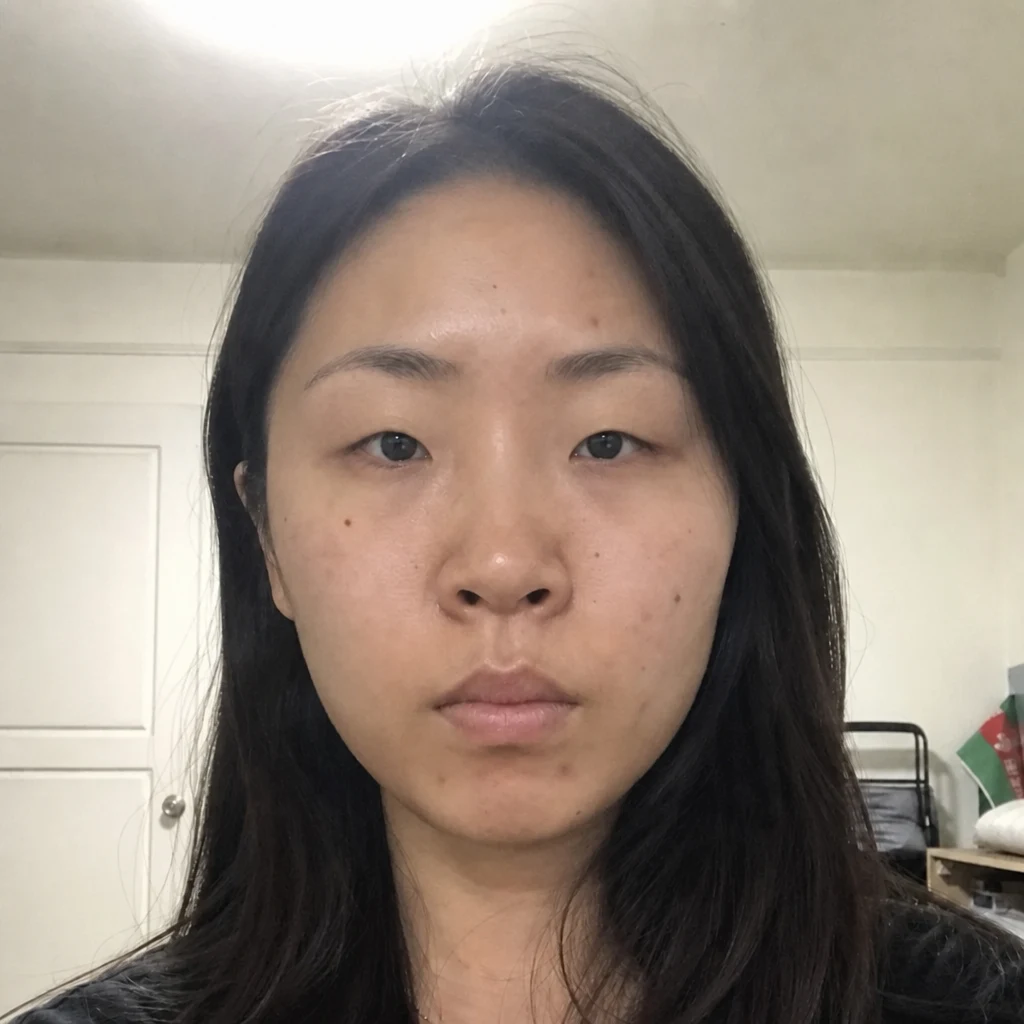
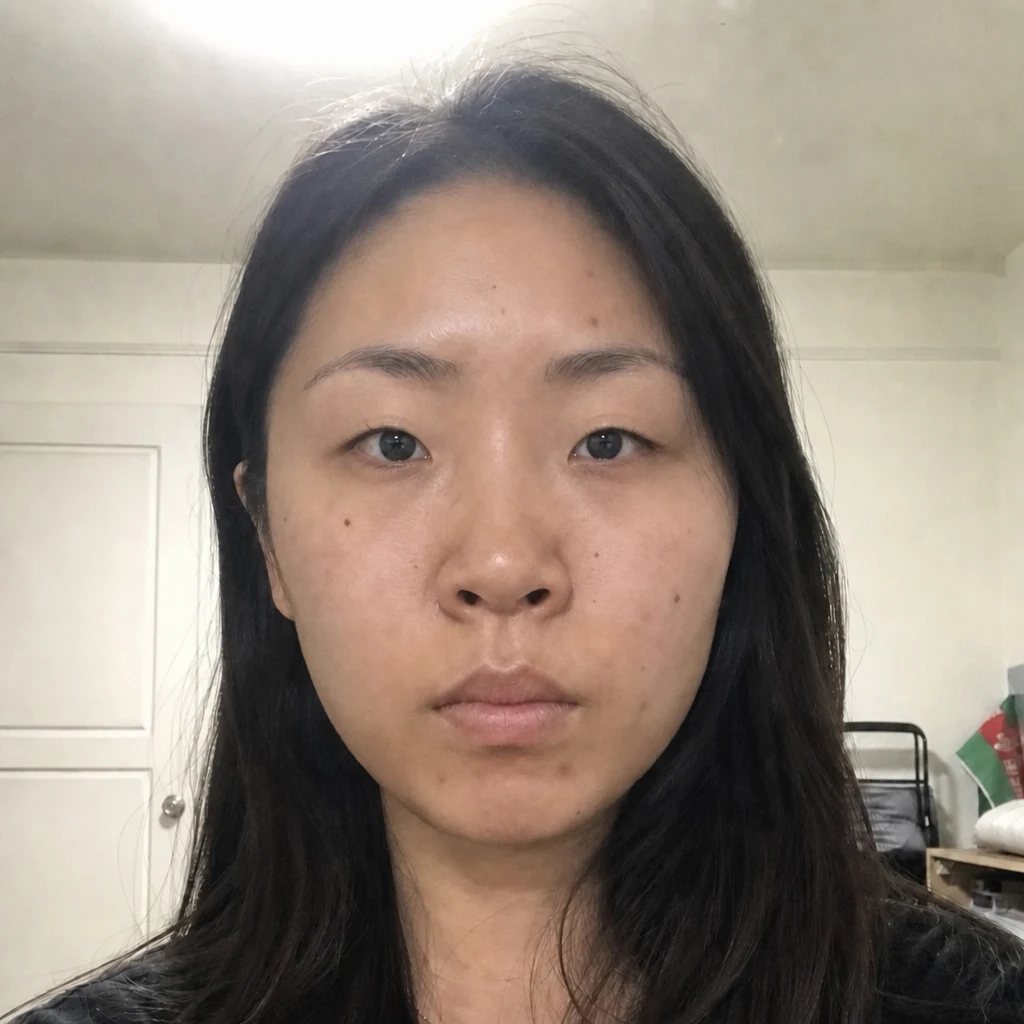
Before — generatedAfter — simulatedSee a tear trough filler on your own face
Run this simulationHow long does under eye filler last?
Under eye filler is commonly quoted at twelve months or more, and many practitioners say longer, because the tissue under the eye moves little and the amounts used are small. In the trial behind the 2022 FDA approval, most participants reported satisfaction through one year after treatment.
Longevity cuts both ways here. Hyaluronic acid can persist in this area well after the visible effect has faded, so repeated top-ups on a fixed schedule can build up and show as puffiness. A review before each new treatment, rather than a calendar, is the common recommendation.
Under eye filler swelling stages and bruising
| When | What is commonly reported |
|---|---|
| Day of treatment | Immediate improvement, small bumps or needle marks, sometimes the start of a bruise |
| Days 1–3 | Swelling peaks; the area can look puffy or uneven, often worse in the morning |
| Days 4–10 | Bruising — common in this area — changes color and fades; it can last a week or more |
| Weeks 2–4 | Swelling settles; the result is judged and any small adjustment made |
Under eye filler gone wrong: the problems and the fixes
Most under eye filler gone wrong stories fall into a few recognizable patterns, and most are fixable when hyaluronic acid was used.
- Tyndall effect — a bluish tint when product sits too close to the surface and scatters light.
- Puffiness and too much under eye filler — filler attracts water, and overfilling or repeated top-ups can create a swollen pad that looks worse than the hollow did.
- Migration and lumps — product moving or clumping, sometimes visible only when smiling.
- Contour problems — a visible sausage-like ridge, or a dent beside the treated line.
- Vascular complications — rare but serious. The area around the eyes is commonly grouped with the nose and the frown area as higher-risk zones for filler, and loss of vision has been reported after facial filler injections.
Hyaluronic acid can be dissolved with hyaluronidase, and this is one of the areas where that option is used most often. Thicker or permanent fillers are generally avoided under the eye for exactly this reason.
Tear trough filler simulator: see the under-eye change on your own face
The tear trough filler simulation fills the under-eye hollows and removes the dark shadow at the lid-cheek junction for a more rested look, while keeping your natural skin texture. It is a quick way to see how much of what bothers you is the hollow — and whether removing it changes the face as much as you expect.
Read it with one caveat above all: the render lightens the under-eye area whatever the cause, and real filler only helps a hollow. If your circles are pigment or vessels, the render shows a result filler cannot give. The full analysis looks at pigmentation separately from shape, which is the distinction that decides whether this treatment is relevant at all.
Questions to ask your injector before under eye filler
- Is my dark circle a hollow, pigment, thin skin or a bag — and which of those will under eye filler actually improve?
- How deep are you placing it, with a needle or a cannula, and what happens if it shows as a bluish tint or puffiness?
- How often do you dissolve filler in this area, and what is your plan if a vascular complication occurs?
Alternatives to tear trough filler
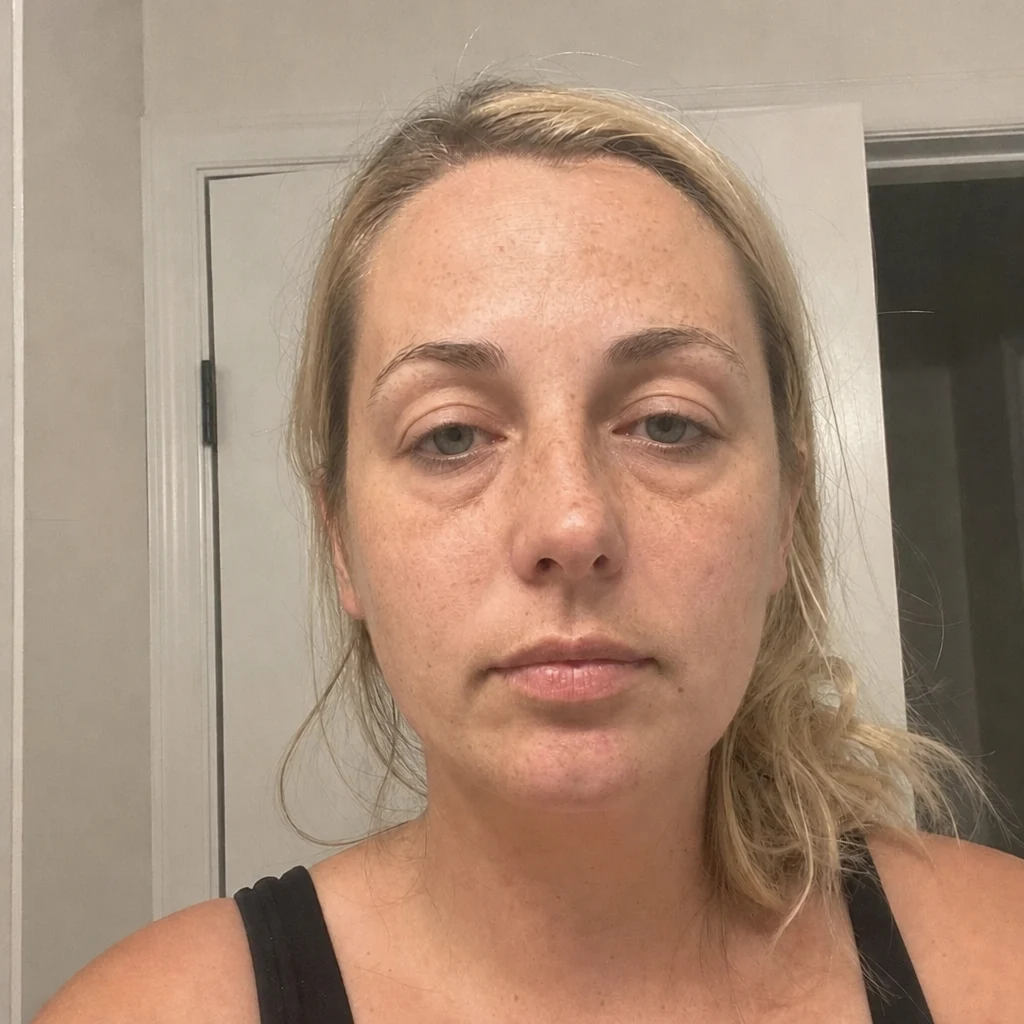
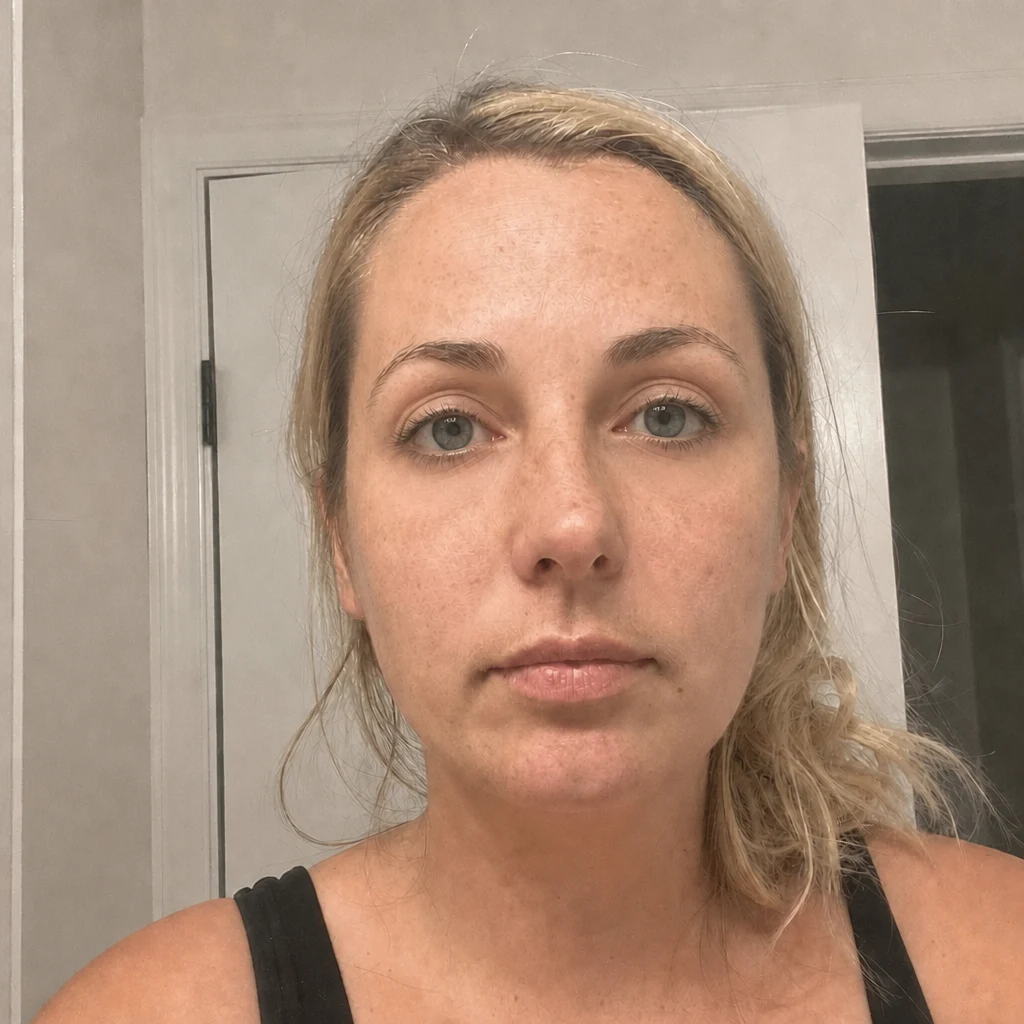


How the tear trough filler simulation works
Your photo is analysed for the landmarks that matter to this procedure, and the render changes the hollow under your eyes while leaving the rest of your face alone. That constraint is the hard part — a generic image model will happily redraw your whole face and hand you a stranger who looks better.
The render lightens the hollow in the frame. Whether your dark circles are a hollow, pigment, or thin skin showing vessels is the whole question, and a photograph cannot separate the three — filler only helps the first.
It is an illustration of a plausible direction, not a prediction of your result and not a medical opinion. What it is genuinely good for is finding out whether you want the change at all — plenty of people render one, find the difference smaller than they imagined, and stop there.
Measure your face before a tear trough filler simulation
The free analysis tools measure symmetry, facial proportion and face shape, and tell you which measurements sit outside the reference range. Choosing a procedure from that is a much better starting point than choosing one from a photo you saved.



Tear Trough Filler simulator — frequently asked questions
Are under eye fillers a good idea?
For a true hollow with good skin quality and little puffiness, many people are happy with the result. For pigment, visible vessels, prominent bags or chronic swelling, filler tends to disappoint or make things worse. The cause decides it, which is why an in-person assessment matters more here than almost anywhere else.
Does filler age you over time?
There is no good evidence that well-placed hyaluronic acid itself ages the face. What does happen in this area is accumulation: repeated treatments can build up and cause lasting puffiness, which looks tired rather than rested. That is a reason to treat conservatively, not a known aging effect of the product.
Is under eye filler safe?
It is widely performed, and most side effects are temporary bruising and swelling. It is also consistently described as one of the more demanding areas, with rare but serious vascular risks. Safety depends heavily on who injects and what product they use.
Can under eye filler be dissolved?
Hyaluronic acid can be dissolved with an enzyme called hyaluronidase, usually within a day or two of the injection. Swelling after dissolving is common, and some people need more than one session.
Does tear trough filler hurt?
Most people describe pressure and brief stinging. Numbing cream is commonly used, many products contain lidocaine, and some injectors use a blunt cannula, which some people find more comfortable.
How can you fix under-eye hollows without filler?
Nothing topical fills a hollow. Sleep, sun protection and treating allergies help the darkness that sits on top of it, and concealer with a peach or orange corrector counters shadow in photos. Surgical options such as lower blepharoplasty with fat repositioning exist for more pronounced cases.
Is the tear trough filler simulator free?
The face analysis is free and needs no account. A rendered simulation costs credits because it runs on a GPU — $4.99 buys five and does not require a subscription.
How accurate is an AI tear trough filler simulation?
It is an illustration of a plausible outcome, not a prediction of your result. Real outcomes depend on your anatomy, the injector and how you respond. Treat it as a conversation starter for a consultation, not a promise.
Do you keep my photo?
The free measurements never leave your browser. A simulation does send the photo to a rendering service, which is why it asks for explicit consent first, and you can delete the result from your dashboard at any time.
Can I show this to an injector?
Yes, and that is the most useful thing to do with it. Bringing a picture of the direction you want is far more precise than describing it in words.
Other eyes & brows simulations


This page is not medical advice and we are not clinicians. A simulation cannot tell you whether a procedure is appropriate for you, what it costs, or what the risks are. Those questions belong with a qualified injector.