Masseter Botox: Before and After, and Your Jaw Slimmed in a Render
Masseter botox relaxes the chewing muscle at the corner of your jaw until it shrinks, narrowing a square lower face over weeks. Here is when it shows, how many units it takes, what it costs, what goes wrong — and how to tell whether your jaw is wide because of muscle or bone before you see the render on your own photo.
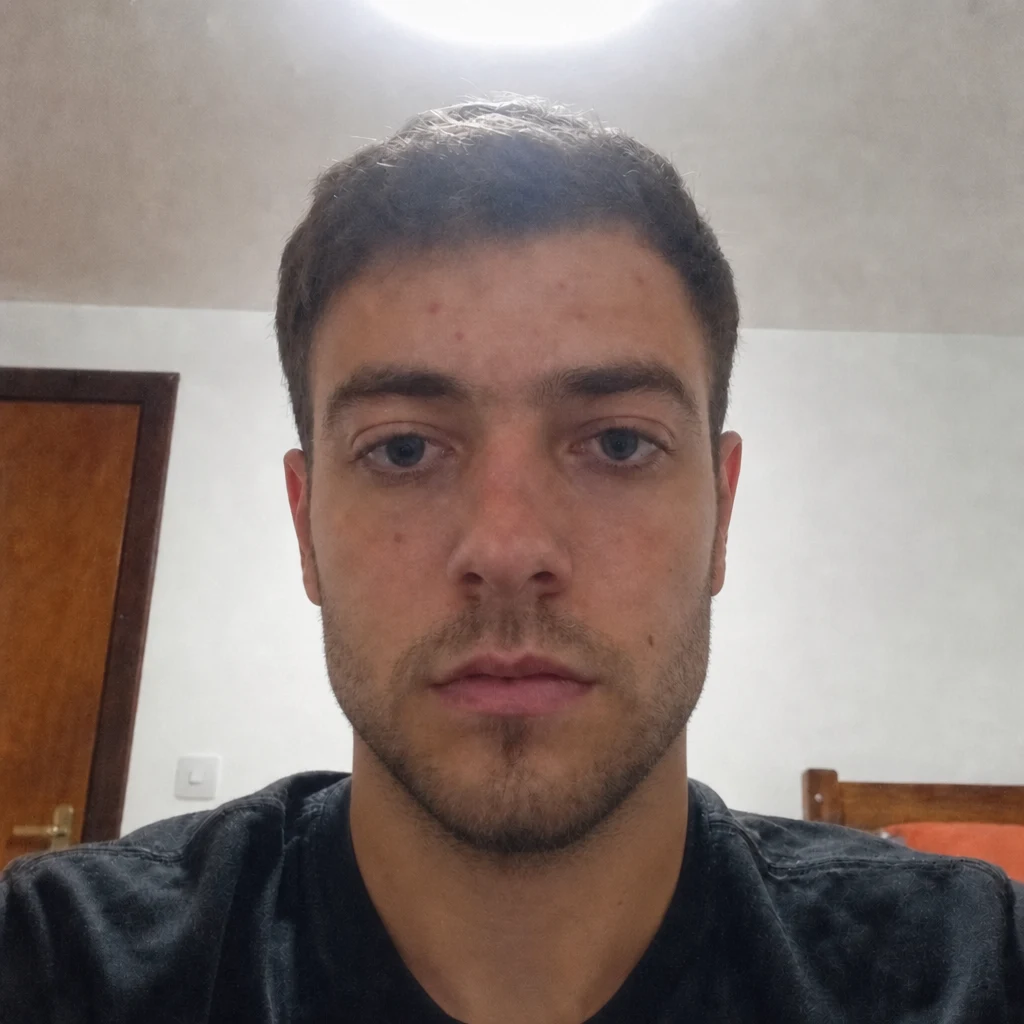
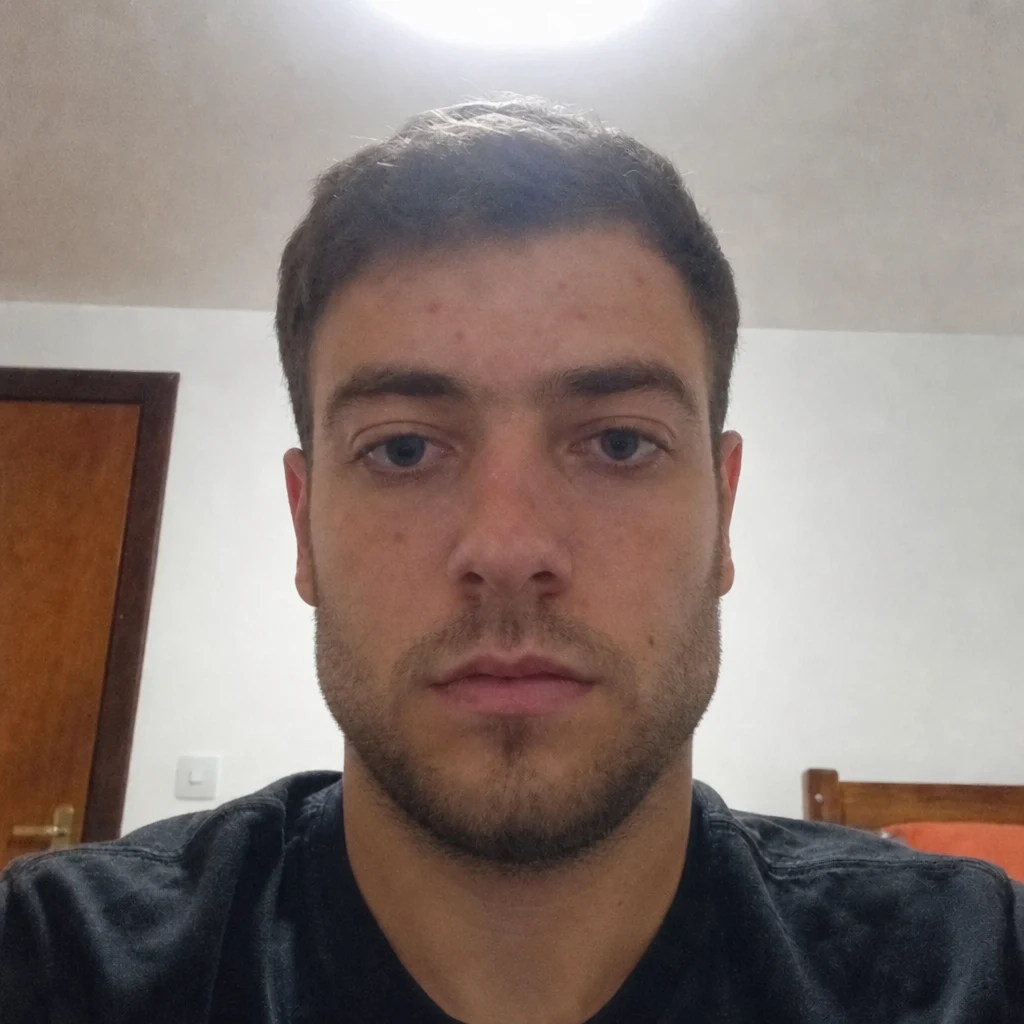
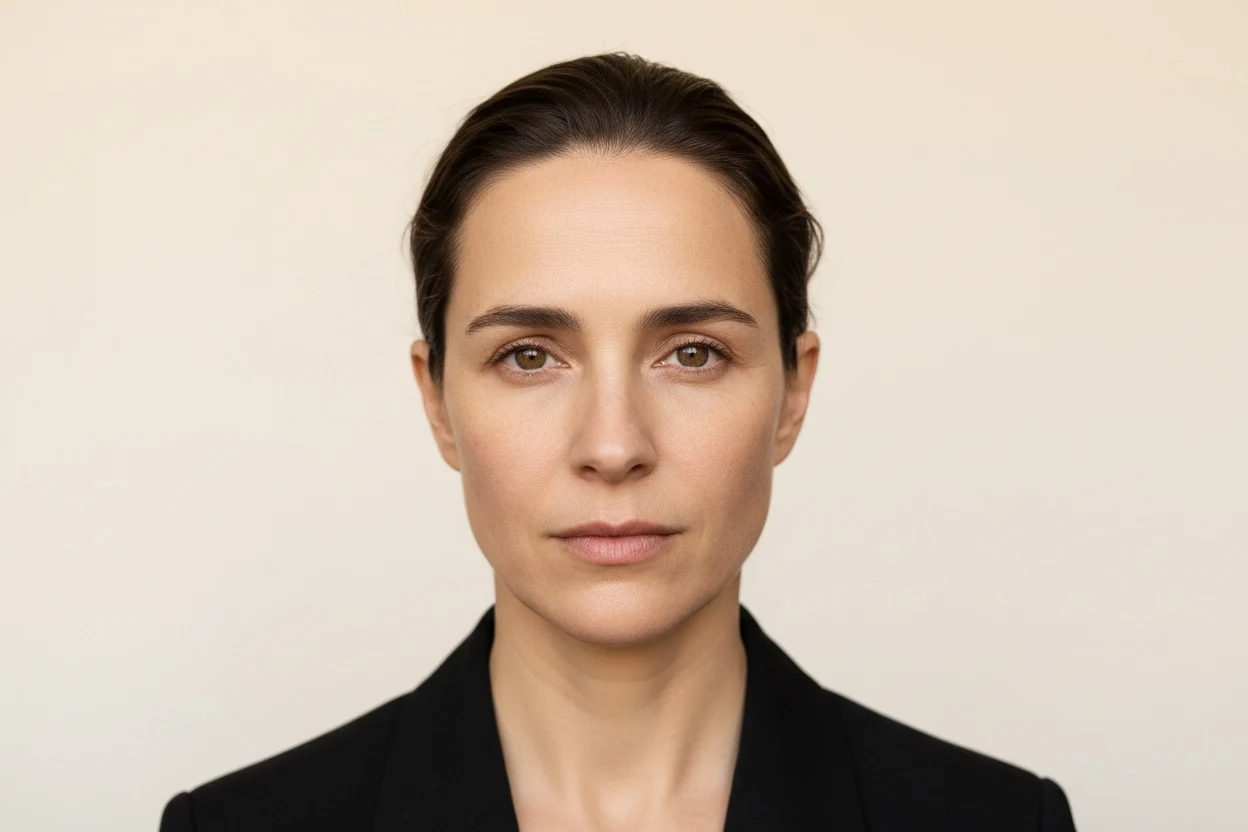
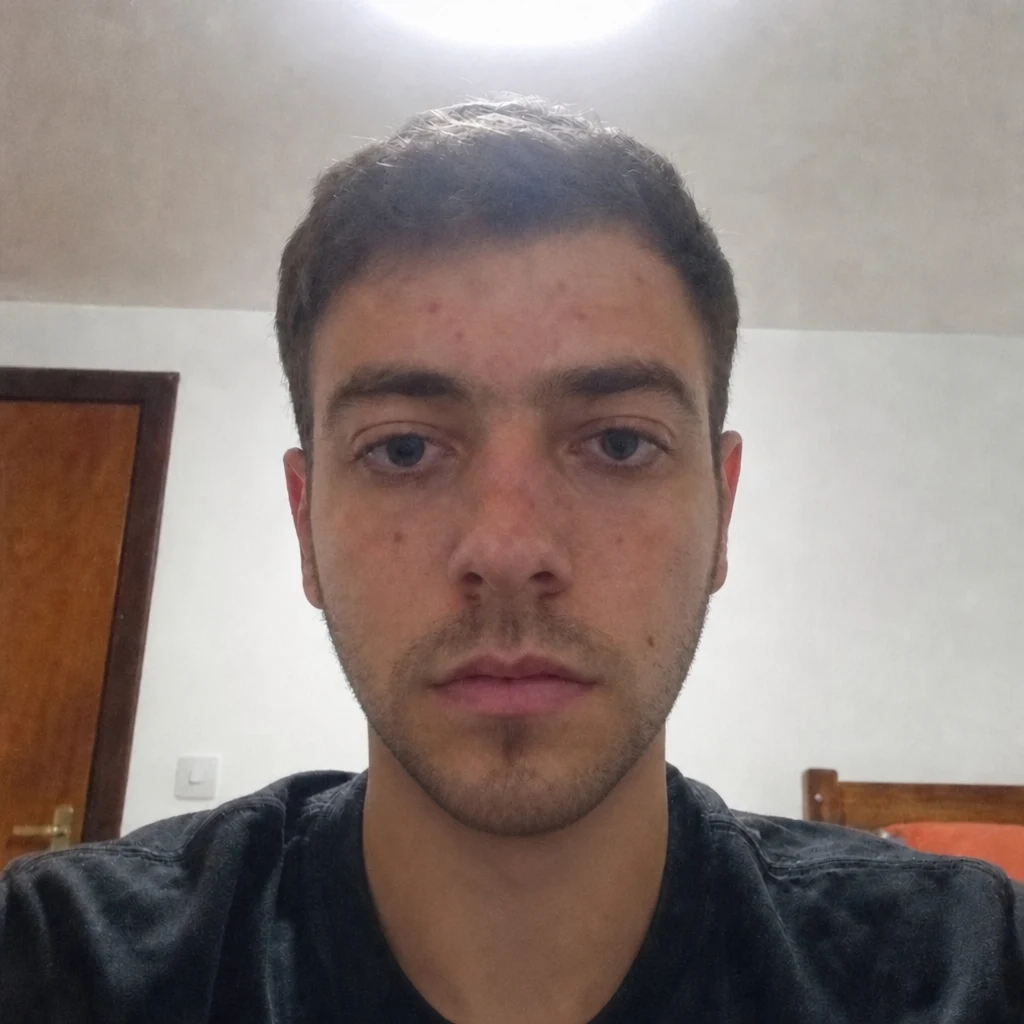
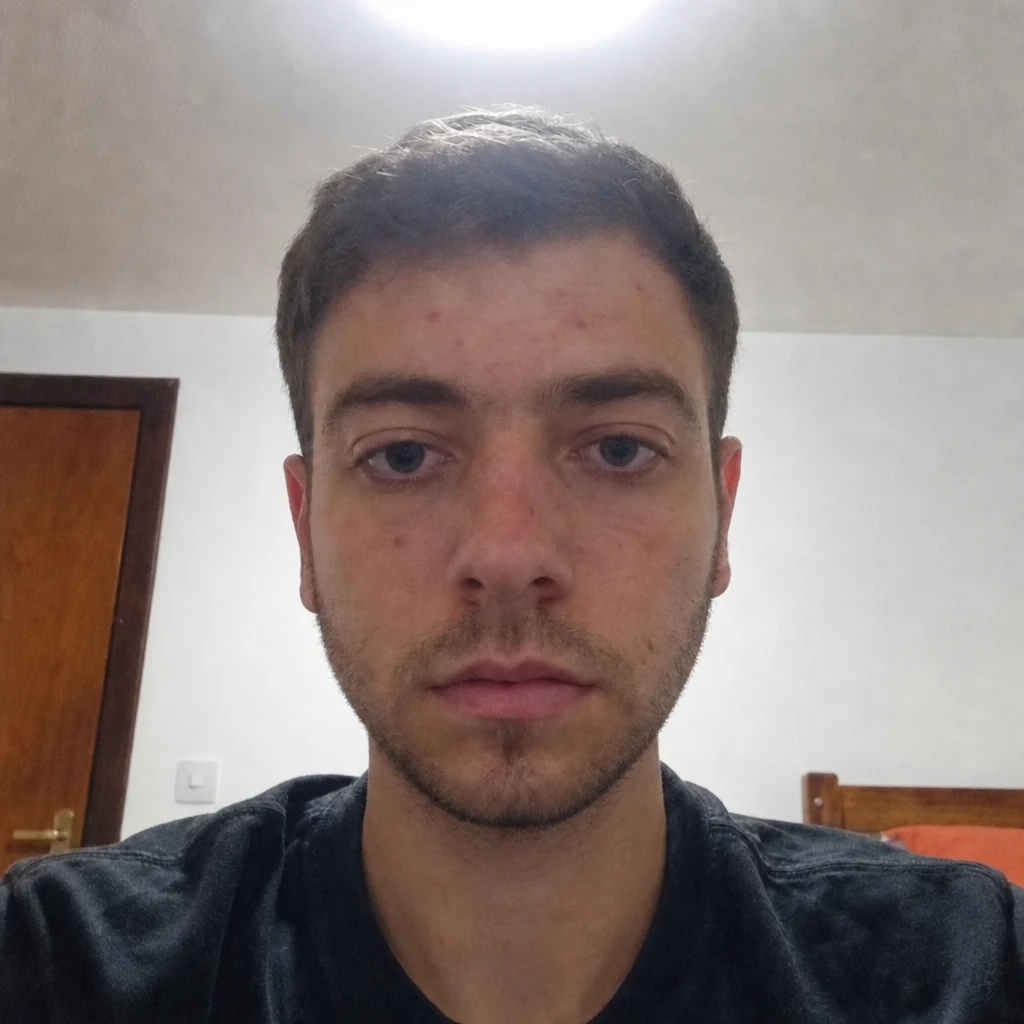
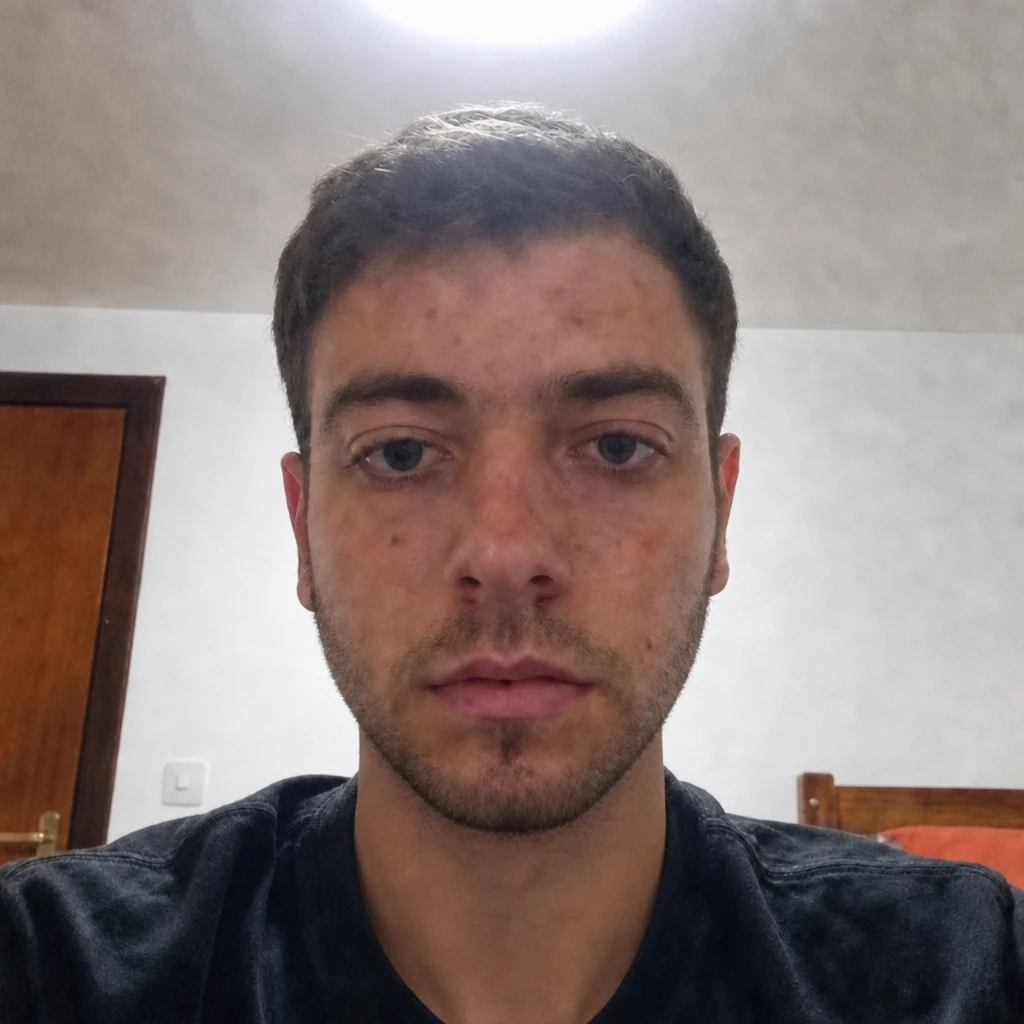
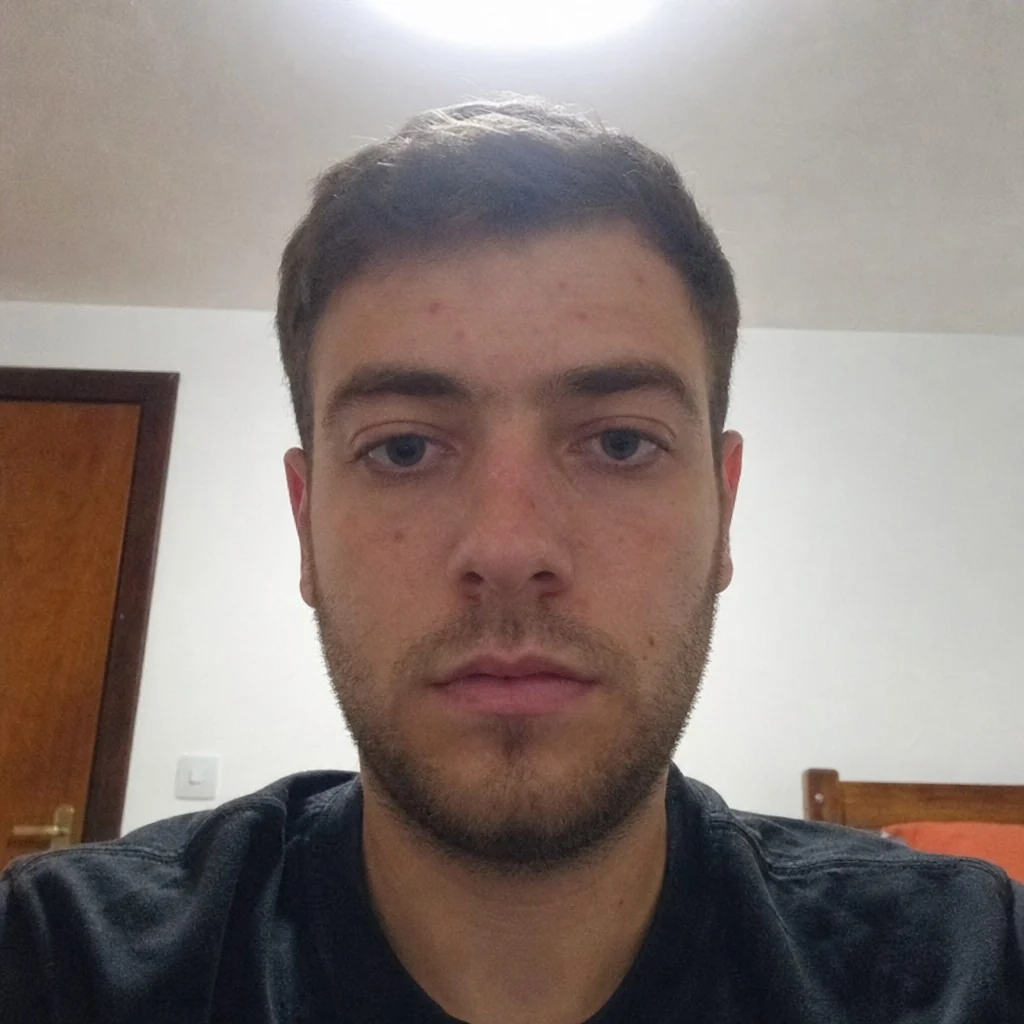
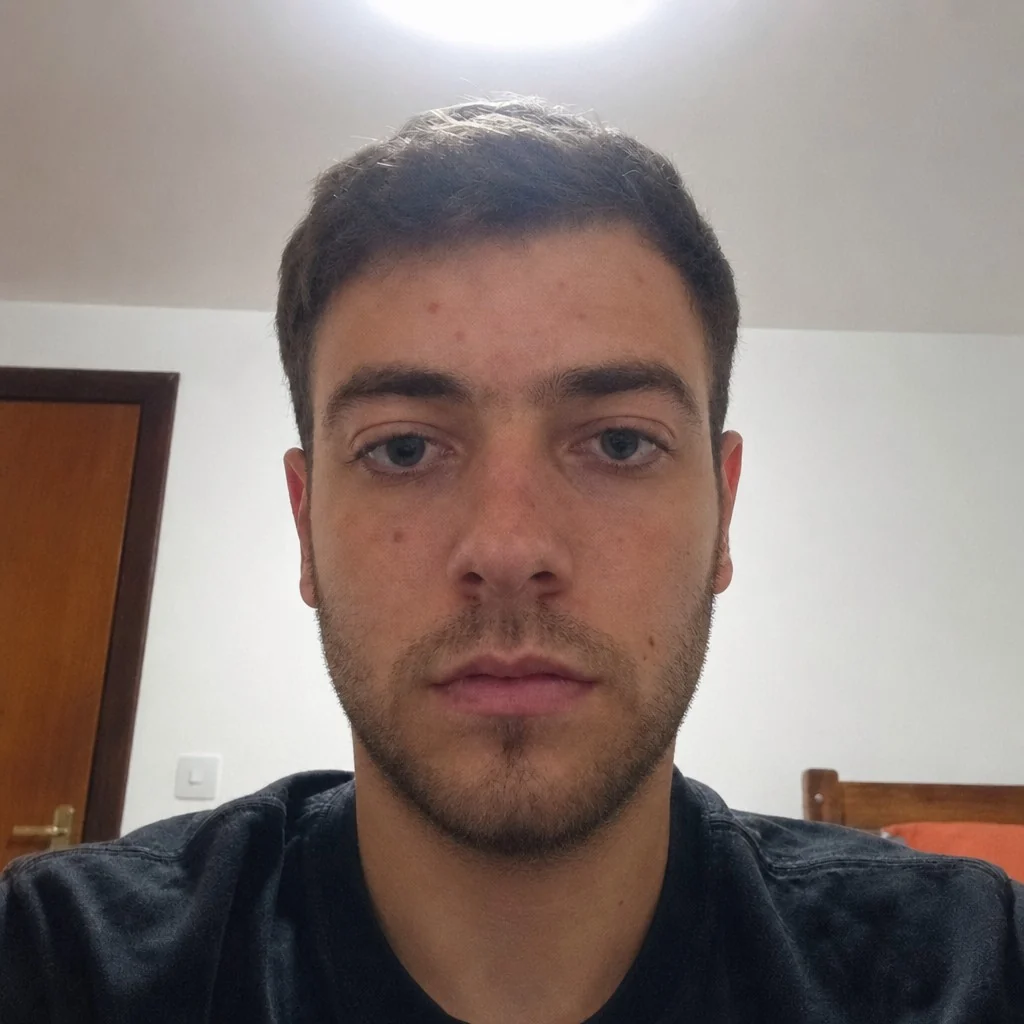
Masseter Botox simulator — example render
- When it shows
- Gradually, over 4–8 weeks
- How long it lasts
- 3–6 months per session
- Typical US cost
- Commonly $400–$1,200 a session
- Type
- Injection, temporary; off-label for slimming
- Upload one front-facing photo
- The render changes the width of your lower face at the masseter — and leaves the rest of your face alone
- Compare your before and after side by side
1 render = 1 credit
5 credits $4.99, no subscription · or Starter $7.99/month for 10. The face analysis is free.
What masseter botox is, and why it slims the jaw
The masseter is the thick chewing muscle you can feel bulge at the back of your jaw when you clench. In some people it is large enough to square off the lower face — from genetics, or from years of clenching and grinding. Masseter botox is botulinum toxin injected into that muscle so it contracts less.
A muscle that works less gets smaller. That is the whole mechanism, and it is why jaw botox behaves so differently from forehead botox: forehead lines soften within days, but jaw slimming depends on the muscle actually losing bulk, which takes weeks and builds over repeated sessions. The same injection is used for clenching and teeth grinding, and many people come to it for that first.
In the United States, botox is not approved specifically for masseter slimming, so it is used off-label — common and legal, but worth knowing when you read claims about it. Much of the early published experience with it comes from Korea and elsewhere in East Asia, where a slimmer, V-shaped lower face is a long-standing ideal.
Masseter botox before and after: what changes, and when
The change is a narrower lower face seen straight on: less width at the angle of the jaw, a softer transition from cheek to jaw, and a more oval or tapered outline. The profile barely changes, and nothing happens to the chin or the jaw bone itself.
How long does masseter botox take to work?
| When | What is typically reported |
|---|---|
| First week | Nothing visible; chewing hard foods can start to feel tiring |
| 2–3 weeks | Clenching feels weaker; the jaw may look very slightly softer |
| 4–8 weeks | Visible slimming as the muscle loses bulk — the photo most galleries use |
| 3 months | Around the fullest effect of a single session |
| 4–6 months | Strength and bulk slowly return unless treatment is repeated |
Repeated treatment tends to keep the muscle smaller, and many people space sessions further apart over time. When treatment stops, the muscle rebuilds with use and the jaw drifts back toward its original width.
How to read masseter botox before and after photos
Jaw width is one of the easiest things to change in a photograph without touching the face. Before trusting a masseter botox before and after, check the frame, not the jaw.
- Head turn. A few degrees of rotation narrows the far side of the jaw. Both ears should show equally in both shots.
- Chin height. A lowered chin hides the jaw angle; a raised one widens it.
- Camera distance. Phone cameras held close widen the middle of the face and shrink the edges — including the jaw.
- Clenching. A before taken with the teeth together shows the muscle flexed; an after taken relaxed shows less muscle for free.
- Timing and weight. Results at two weeks mean little; weight loss between frames slims any face.
Muscle or bone? Who jaw slimming botox is usually considered for
Botox can only shrink muscle. If a wide jaw comes from the shape of the jaw bone, masseter botox changes very little — and a render, which narrows the outline either way, will overstate what is possible. Telling the two apart is the first thing an examination does.
| What makes the jaw wide | How it usually shows | Does masseter botox change it? |
|---|---|---|
| Enlarged masseter muscle | Bulge at the jaw angle that hardens noticeably when you clench | Yes — this is what it treats |
| Wide or flared jaw bone | Width stays the same whether you clench or relax | Very little; bone reduction is a surgical question |
| Fat or soft tissue fullness | Soft, rounded lower cheeks rather than a square angle | No — and slimming the muscle can make fullness more visible |
| Mixture | Common | Partly, in proportion to the muscle component |
The jawline rating measures jaw width against cheekbone width, and the square face shape page explains how that ratio decides the label. Neither can see whether the width is muscle or bone — a photo has no depth — but they tell you whether the number you want to move is really the lower face. If it is bone, compare the jaw reduction simulation, and the sharper jawline guide covers what changes the jaw's outline without either.
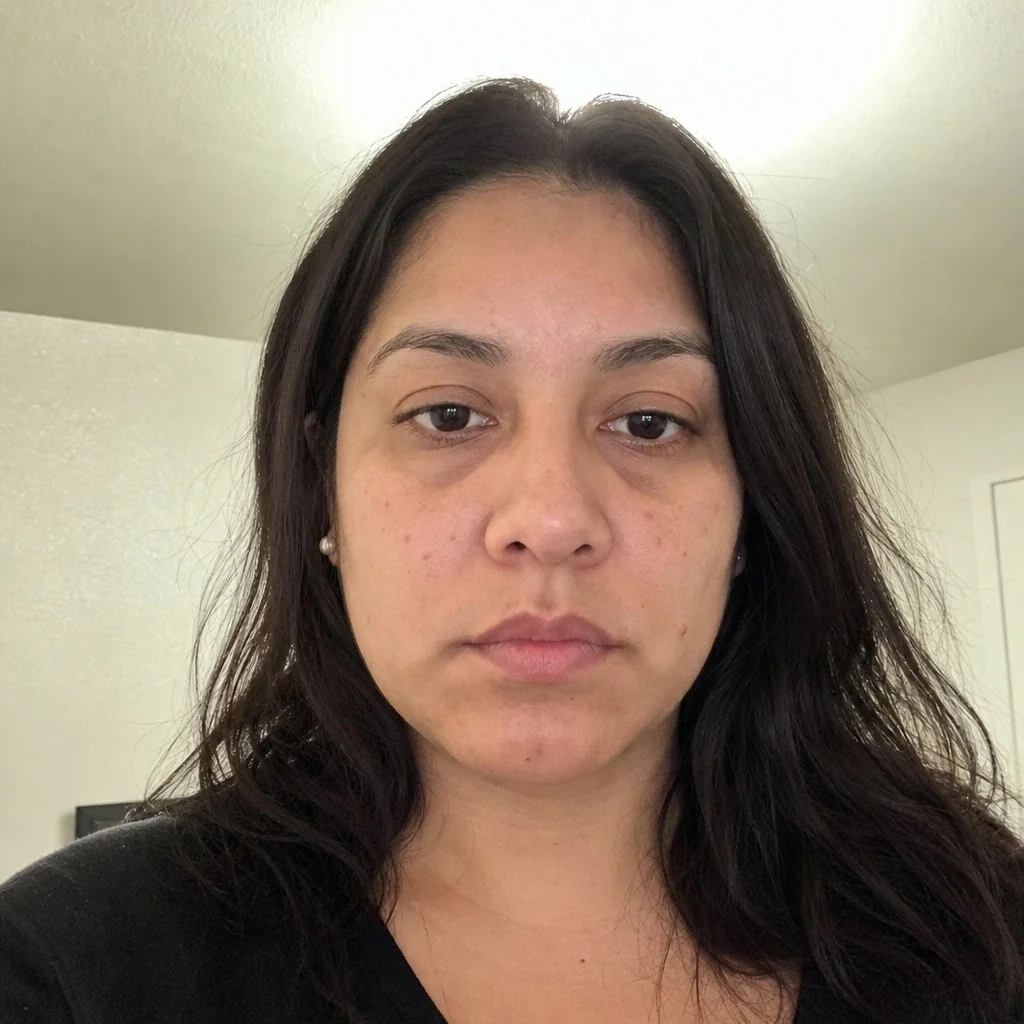
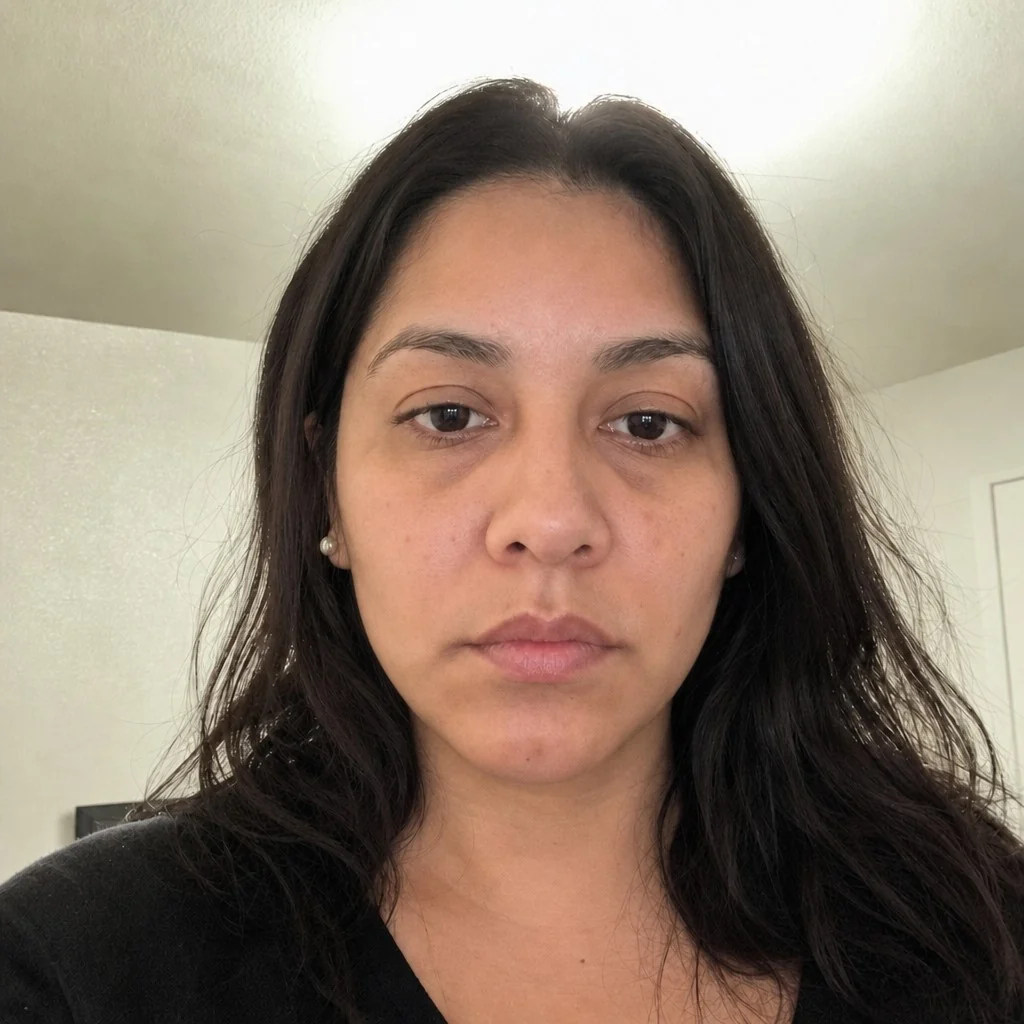
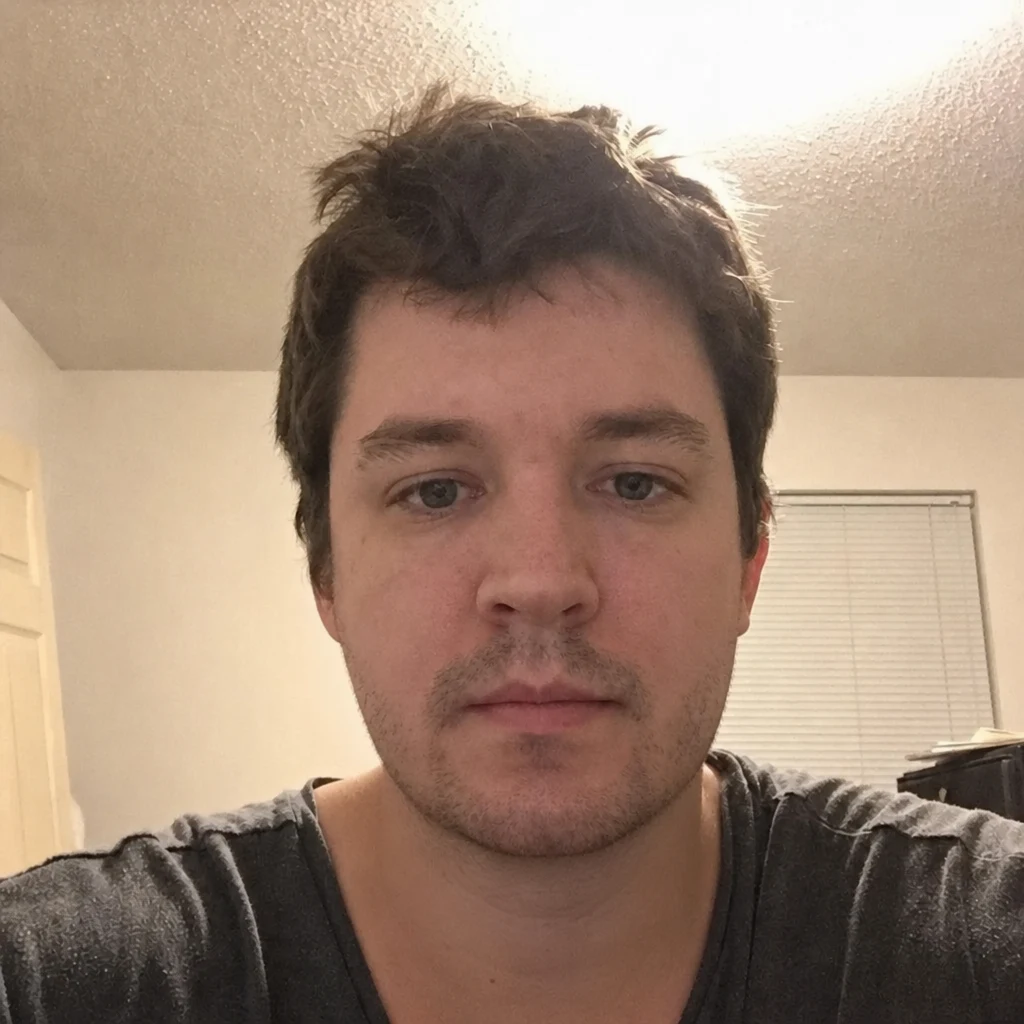
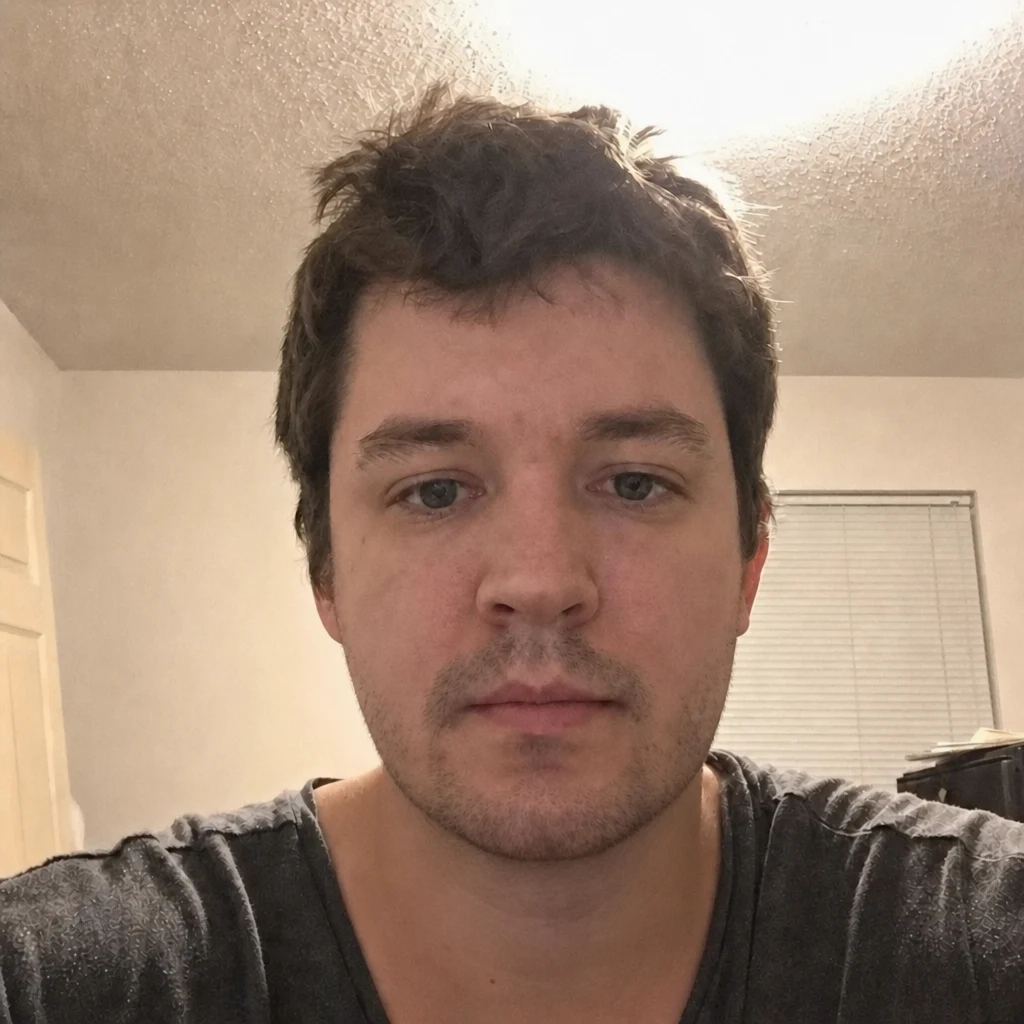
Before — generatedAfter — simulatedSee a masseter botox on your own face
Run this simulationHow many units of botox for the masseter?
Doses for masseter botox are much larger than for the forehead, because the muscle is. Around 20–30 units of Botox per side is a commonly quoted range, adjusted for muscle size and strength, and often given over several injection points low in the muscle. Men and people with heavy clenching often need more.
Units differ between brands — a Dysport dose is written with a larger number for a similar effect — so compare quotes brand to brand. A cautious first session with a review is common; the right dose for you is best judged against what your own muscle did the first time.
Masseter botox cost
Masseter botox is commonly quoted at roughly $400–$1,200 per session in the United States. Because it takes far more units than an upper-face area, it is one of the more expensive botox treatments per visit even at the same per-unit price.
| Cost factor | Why it matters |
|---|---|
| Units per side | The main driver; a large, strong muscle can double the dose |
| Brand | Per-unit prices and unit counts differ between products |
| Sessions per year | Two to four sessions is the realistic annual cost at first |
| Who injects and where | Specialists and big-city clinics charge more |
| Purpose | Cosmetic slimming is generally paid out of pocket; clenching-related treatment is sometimes assessed differently, depending on the insurer |
Masseter botox side effects, and what "gone wrong" looks like
Common, usually mild effects are soreness or bruising at the injection points, a headache, and chewing fatigue with tough foods for the first few weeks. The effects people search for when they type "masseter botox gone wrong" are less common and mostly temporary, because the toxin wears off.
- Paradoxical bulging — a lump appearing when clenching, where part of the muscle was not reached and works harder. Described in the published literature; commonly corrected with additional injections.
- A changed smile — toxin spreading to the risorius, a small smiling muscle nearby, can make a smile look flatter or uneven until it wears off. Injection placement is how injectors try to avoid it.
- Asymmetry — one side slimming more than the other, often addressed at a follow-up.
- Over-slimming — a lower face that looks hollow or older, more of a risk with repeated high doses.
Does masseter botox cause jowls?
It is a common worry and a real discussion among injectors, but not a well-measured one. The muscle does not create skin; what can happen is that reducing bulk under skin that is already loosening makes the laxity more visible, so the lower face can look like it sags. That is why age and skin quality come up in a consultation, and why a lower dose is often suggested for anyone already noticing jowls.
Masseter botox simulator: your jaw slimmed on your own photo
The masseter botox simulation slims the jaw muscles on your photo for a narrower, softer, more V-shaped lower face, while keeping your expression natural. It shows the fullest version of the change — roughly what a well-responding muscle looks like after a couple of sessions.
It cannot tell muscle from bone. The render narrows the outline whatever is underneath, so if your width is skeletal the real result will be much smaller than the picture. Check the jawline rating first to see where your jaw-to-cheekbone ratio sits, and read the render as the ceiling rather than the forecast.
See your jaw-to-cheekbone ratio from one photo — the number a masseter render is trying to move.
Measure your jaw widthQuestions to ask before masseter botox
- Is my jaw width mostly muscle or bone — and how are you telling the difference?
- How many units per side, and how many sessions before I would see the slimming I am describing?
- What does my lower face look like if I stop after a few years, and how do you avoid jowling or a changed smile?
If your concern is upper-face lines rather than jaw width, the botox simulation covers the forehead, frown lines and crow's feet.
Alternatives to masseter botox
How the masseter botox simulation works
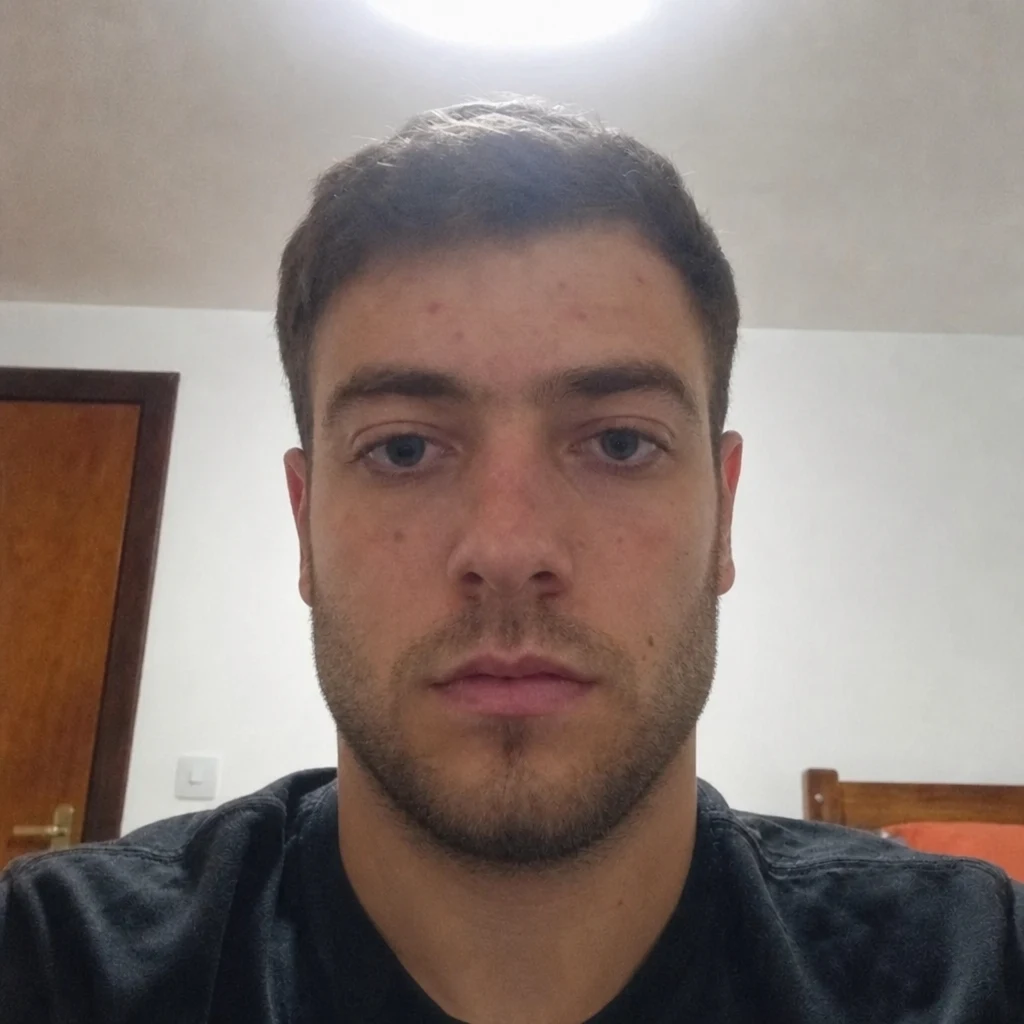
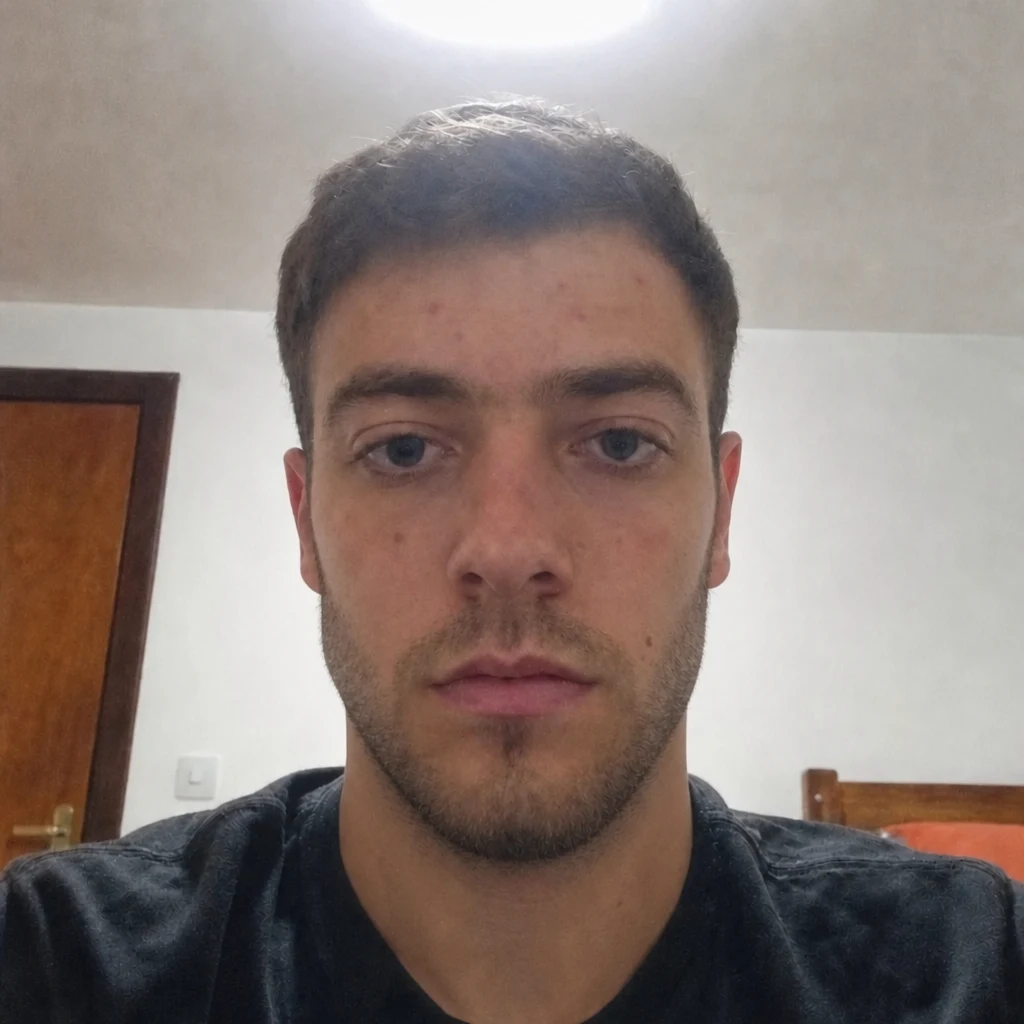
Your photo is analysed for the landmarks that matter to this procedure, and the render changes the width of your lower face at the masseter while leaving the rest of your face alone. That constraint is the hard part — a generic image model will happily redraw your whole face and hand you a stranger who looks better.
The render narrows the lower face in the frame. It cannot separate muscle from bone — if your jaw width is skeletal rather than muscular, the real result will be much smaller than the render, and that distinction needs an examination.
It is an illustration of a plausible direction, not a prediction of your result and not a medical opinion. What it is genuinely good for is finding out whether you want the change at all — plenty of people render one, find the difference smaller than they imagined, and stop there.
Measure your face before a masseter botox simulation
The free analysis tools measure symmetry, facial proportion and face shape, and tell you which measurements sit outside the reference range. Choosing a procedure from that is a much better starting point than choosing one from a photo you saved.
Masseter Botox simulator — frequently asked questions
Will my face go back to normal after masseter botox?
Yes, over time. The muscle rebuilds once it is used normally again, and the jaw drifts back toward its original width over months. People who had several years of treatment sometimes report a slower return.
Does masseter botox stop you smiling?
It should not, because the masseter is a chewing muscle, not a smiling one. A flatter smile happens when toxin reaches the nearby risorius muscle; it is uncommon and wears off.
How long does masseter botox last?
A single session typically lasts three to six months. Because the muscle stays smaller with repeated treatment, many people find they can space later sessions further apart.
Does masseter botox help with clenching and grinding?
It is widely used for that, because a weaker muscle clenches with less force. It does not treat the cause of clenching, and it is not a substitute for a dentist's assessment of jaw pain or tooth wear.
Can I eat normally after masseter botox?
Yes. Chewing tough or chewy foods can feel tiring for a few weeks while the muscle is weaker, and some people choose softer foods in that window, but normal eating is unaffected.
Is masseter botox the same as jaw reduction surgery?
No. Botox shrinks the muscle temporarily; jaw reduction removes bone permanently. They answer different causes of a wide jaw, which is why the muscle-or-bone question comes first.
Is the masseter botox simulator free?
The face analysis is free and needs no account. A rendered simulation costs credits because it runs on a GPU — $4.99 buys five and does not require a subscription.
How accurate is an AI masseter botox simulation?
It is an illustration of a plausible outcome, not a prediction of your result. Real outcomes depend on your anatomy, the dermatologist or injector and how you respond. Treat it as a conversation starter for a consultation, not a promise.
Do you keep my photo?
The free measurements never leave your browser. A simulation does send the photo to a rendering service, which is why it asks for explicit consent first, and you can delete the result from your dashboard at any time.
Can I show this to a dermatologist or injector?
Yes, and that is the most useful thing to do with it. Bringing a picture of the direction you want is far more precise than describing it in words.
Other jaw & chin simulations
This page is not medical advice and we are not clinicians. A simulation cannot tell you whether a procedure is appropriate for you, what it costs, or what the risks are. Those questions belong with a qualified dermatologist or injector.