Free Face Analysis Tools
Every measurement here runs in your browser on a 478-point face mesh. No account, no upload, no limit — because it costs us nothing to run. Each tool reads a different part of the same landmark pass, so the numbers agree with each other, and each one states the traits it cannot read from a photograph rather than guessing at them.
- free tools
- 23
- landmarks
- 478
- uploads to measure
- 0
- AI simulations
- 40
Free tests
- Eye Shape TestLid space, canthal tilt in degrees, aperture and spacing — all ten types.
- Hunter Eyes TestThe three traits scored, and the fourth one a photo cannot read.
- Pupillary Distance (PD)Your PD in millimetres, using your iris as the ruler.
- Midface Ratio CalculatorPupil distance over pupils-to-lip height, against 102 research faces.
- fWHR CalculatorFacial width-to-height ratio, the research definition, not the forum one.
- Facial Thirds CalculatorUpper, middle and lower thirds as percentages — and which one not to trust.
- Seasonal Color AnalysisYour season from the colours in your photo, corrected for the light it was taken in.
- Face Age TestThe proportions that shift with age, free; how old your face reads, behind a credit.

- Jawline Rating TestJaw against cheekbones, taper and asymmetry — and why the gonial angle is not in there.
- Nose TypesSeven shapes, and which of them a front photo can actually measure.
- PhiltrumThe groove between nose and lip, measured as a ratio.
- Lip ShapesFullness, ratio, Cupid's bow and corner angle — four separate axes.
- PSL Scale TestYour measurements on the 1-10 axis, and what the scale actually is.

- Canthal Tilt TestYour tilt in degrees, each eye separately.
- Face Shape DetectorOval, round, square, heart, oblong, diamond or triangle.
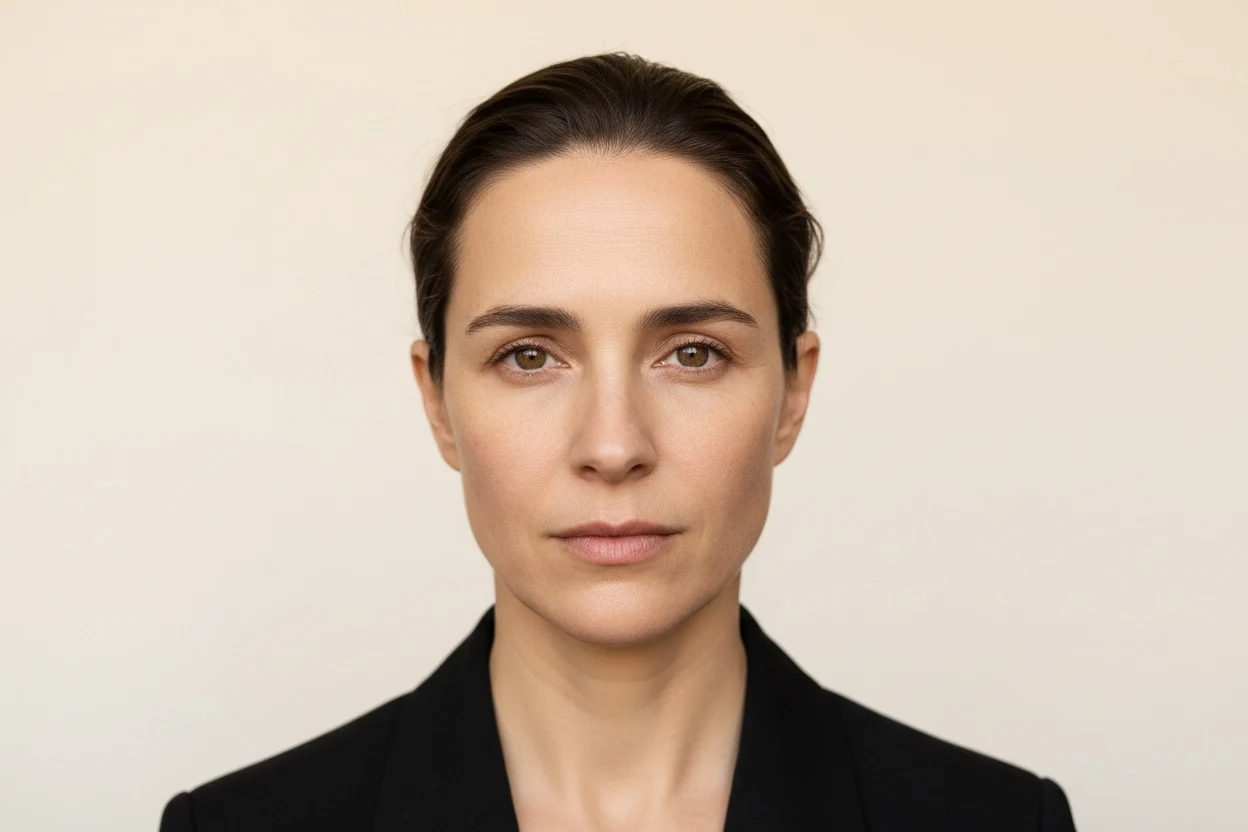
- Glasses for Face ShapeYour face shape from one photo, and the frames that suit it.
- Attractiveness TestAm I pretty? Your 1-10 score against 102 research faces, formula shown.
- Symmetry CheckerLeft against right across six landmark pairs.
- Golden Ratio CalculatorHow close your proportions sit to phi (1.618).
- Am I Ugly?Measurements, and why the category is not in the data.
- Eye Shape DetectorThe tool-intent entry to the eye cluster.
- Prey Eyes vs Hunter EyesThe same three measurements, read from the other end.
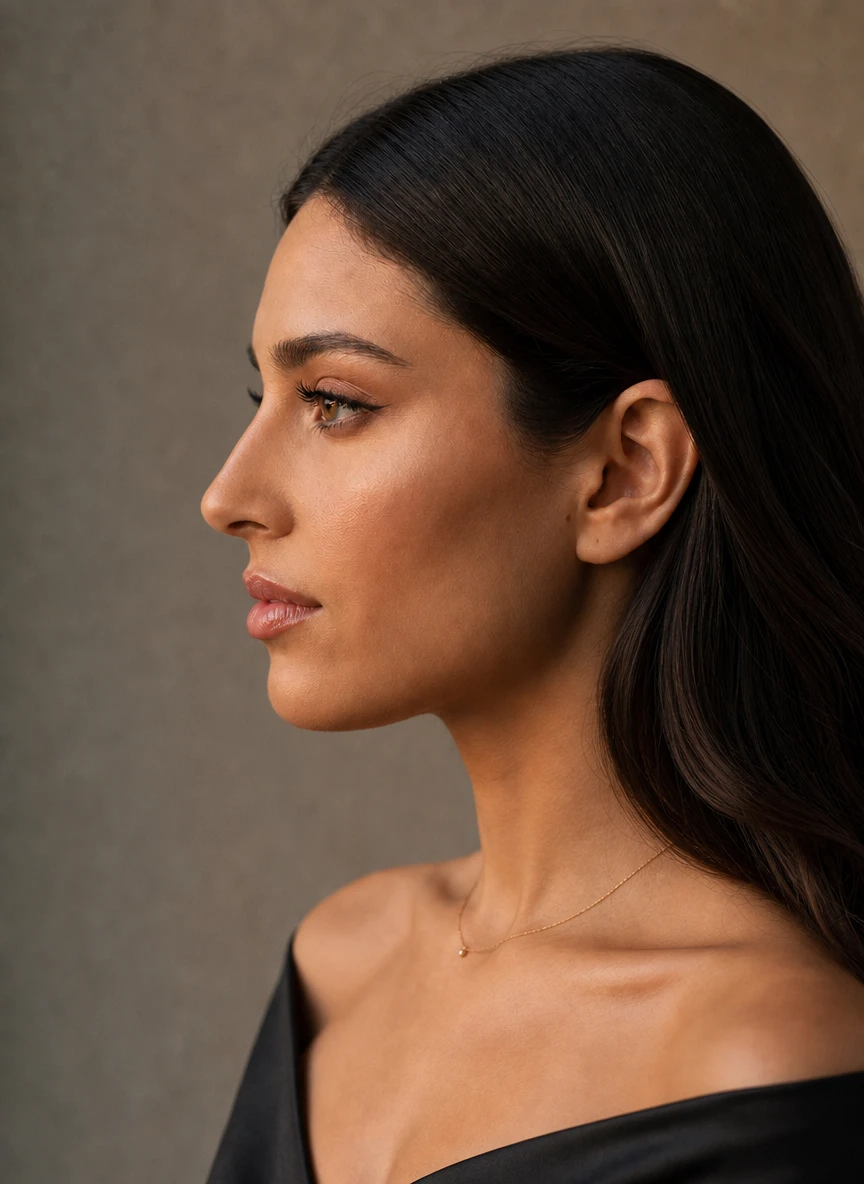
- Side Profile AnalyzerConvexity, nasofrontal, nasolabial and mentolabial angles, E-line and profile thirds from one side-on photo.
AI transformations
Rendered on your own photo. These cost credits — the measurements above never will.
B / AB / AB / A40 procedure simulationsRhinoplasty, lip filler, botox, jawline, fox eye and more
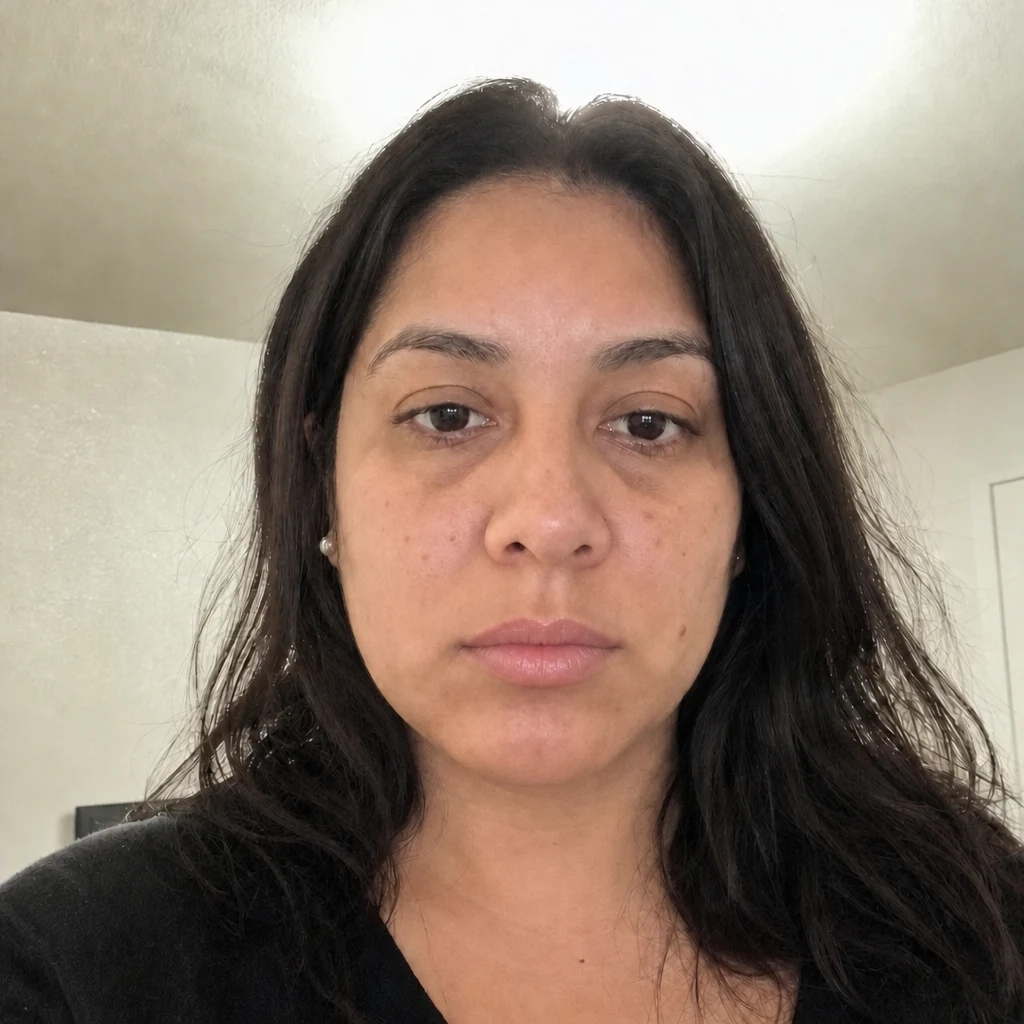
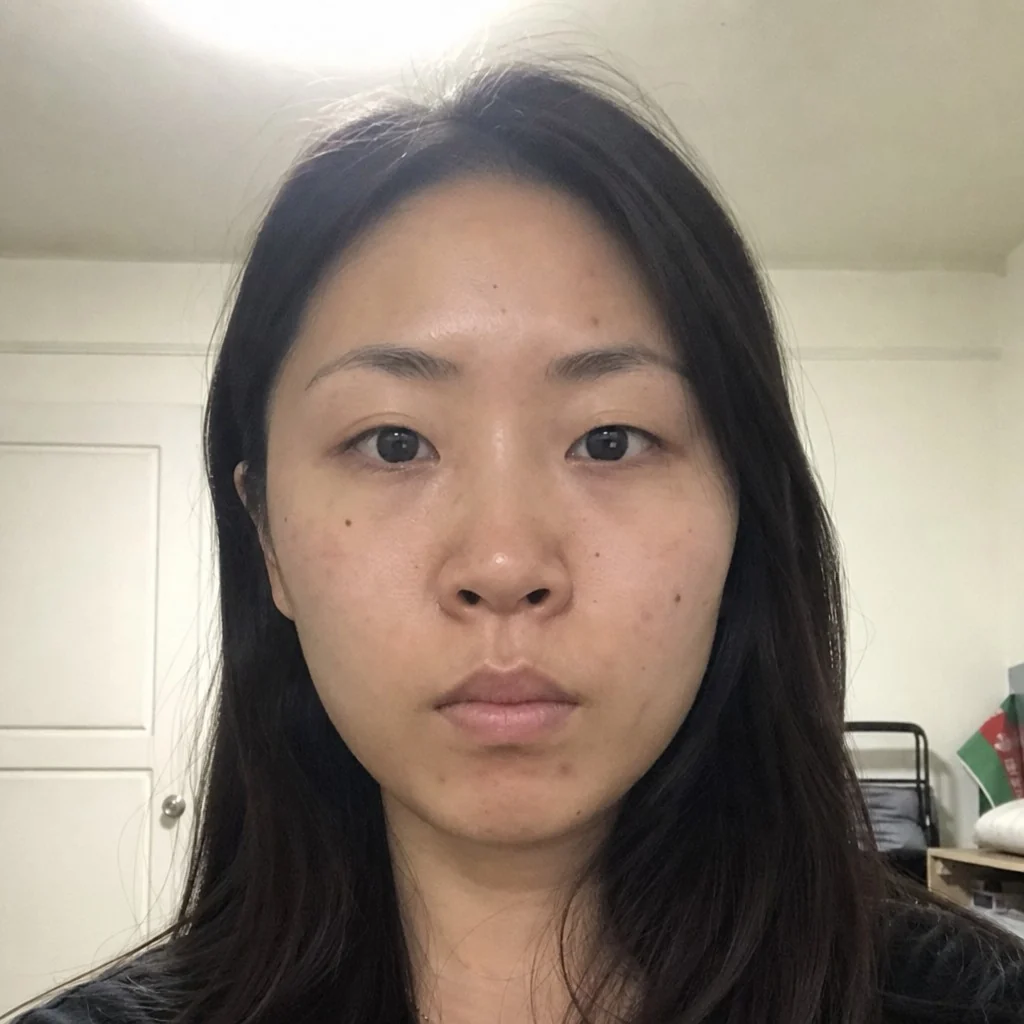
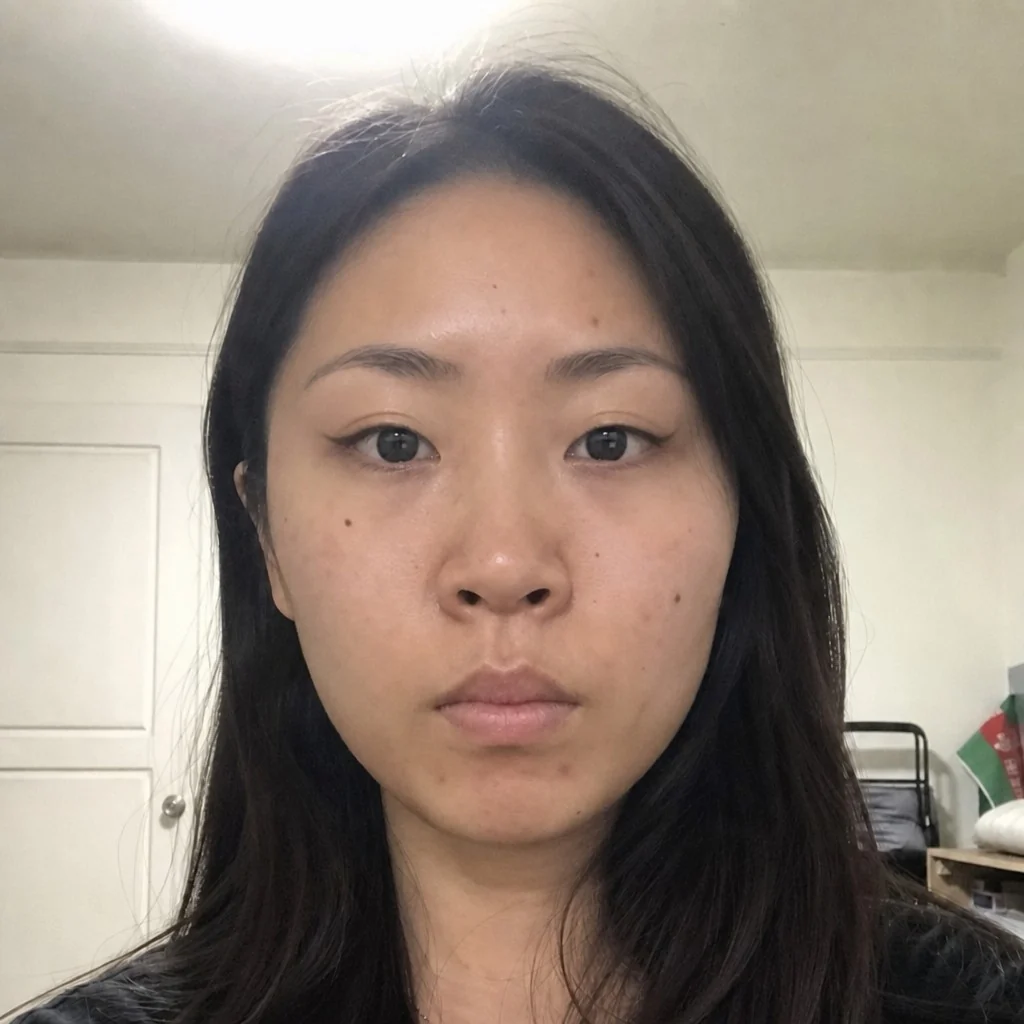
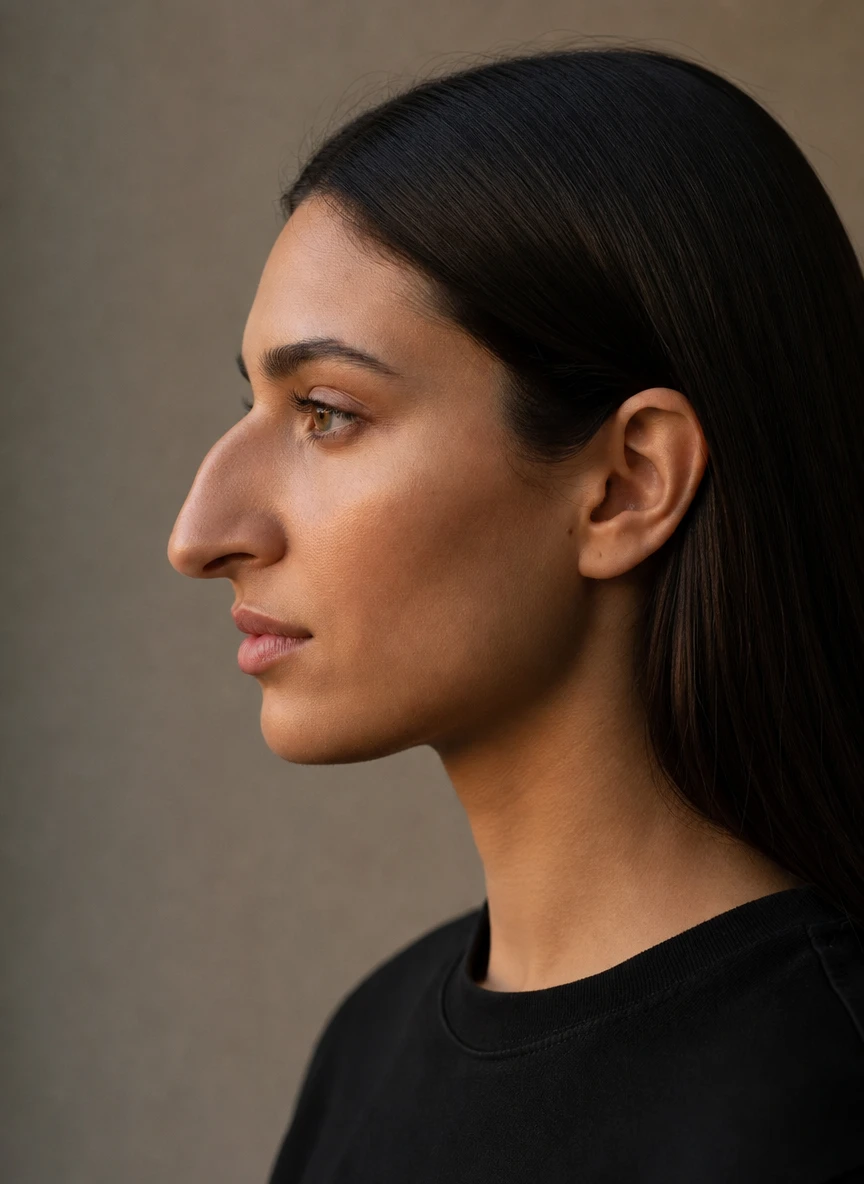
One landmark pass, 23 readings
These are not separate products. Every tool on this page runs the same model over your photo — MediaPipe's face mesh, which returns 478 points including the iris ring — and then reads a different set of those points. The face shape detector compares three widths against face length. The canthal tilt test measures an angle between two corner points. The pupillary distance tool uses the iris as a scale reference. Same pass, different arithmetic.
That is why moving between them costs nothing and why the numbers agree with each other. It is also why they share one limitation: a photograph has no depth, so nothing here can measure how far forward anything sits. Each page names the traits it cannot read rather than filling the gap with something plausible.
Why all of this is free
Because it costs nothing to serve. The model downloads once to your device and every calculation happens there, so there is no per-use server cost to recover and no reason to meter it. That is also the reason there is no account: there is nothing to store.
What is paid is the procedure simulations, which render a new image of your face and genuinely do need a GPU. The split is not a funnel design — it follows the cost.
Which tool to start with
- If you want one numberThe attractiveness test reports a composite score and shows the four measurements it is built from, each on its own bar.
- If you want a categoryThe face shape detector names one of seven, and tells you how close the call was when your face sits near a boundary.
- If you want the most reliable measurementSymmetry is the least ambiguous thing here: matched landmark pairs compared against each other, with no convention layered on top.
- If you want a real millimetre figurePupillary distance is the only measurement on the site in absolute units, because the iris gives the photo a scale.
- If you want to know where your face length sitsThe facial thirds calculator splits face height into three bands — and is honest that the top one is bounded by hair rather than bone.
Face analysis tools — frequently asked questions
Are these face analysis tools really free?
Yes, all of them, with no account and no usage limit. The model runs on your own device, so there is no per-use cost to recover. Only the AI features are paid — procedure simulations, the written Face Report and the AI reads such as perceived age — because they run on our servers and upload the photo you choose.
Do I need to upload my photo?
Not for these tools. The landmark model is downloaded to your browser and the photo stays in page memory. You can verify it: open developer tools, watch the Network tab, and run any test — the model file comes down and nothing goes up.
How accurate are these measurements?
The geometry is exact to within landmark noise — the same photo returns the same numbers every time, and a good photo repeats to roughly a degree of angle and a couple of per cent of any ratio. Photo angle is the real error source, not the model.
Which measurements need more than a front photo?
Anything involving depth. Orbital depth, the profile line of a nose, tip projection, lip projection and chin projection all need a side view. Each page states this where it applies instead of reporting a number it cannot have.
Do the tools work on any face?
The landmark model is general-purpose and works across ages and populations. The interpretation layer is where conventions creep in, and where a reference is a drawing convention rather than a measured norm — the golden ratio, the rule of thirds — the page says so.
Can I use these tools on someone else's photo?
Technically nothing stops you, and it is worth saying that measuring someone else's face without them knowing is a different act from measuring your own. The tools are built for the second one.