Bichectomy: What the Name Means, and a Before and After on Your Face
A bichectomy removes part of the Bichat fat pad from inside the cheek to hollow the lower face. It is the same operation Americans call buccal fat removal. Here is where the name comes from, what the pad is, how the surgery goes, what it costs and what to watch for — plus a render on your own photo.
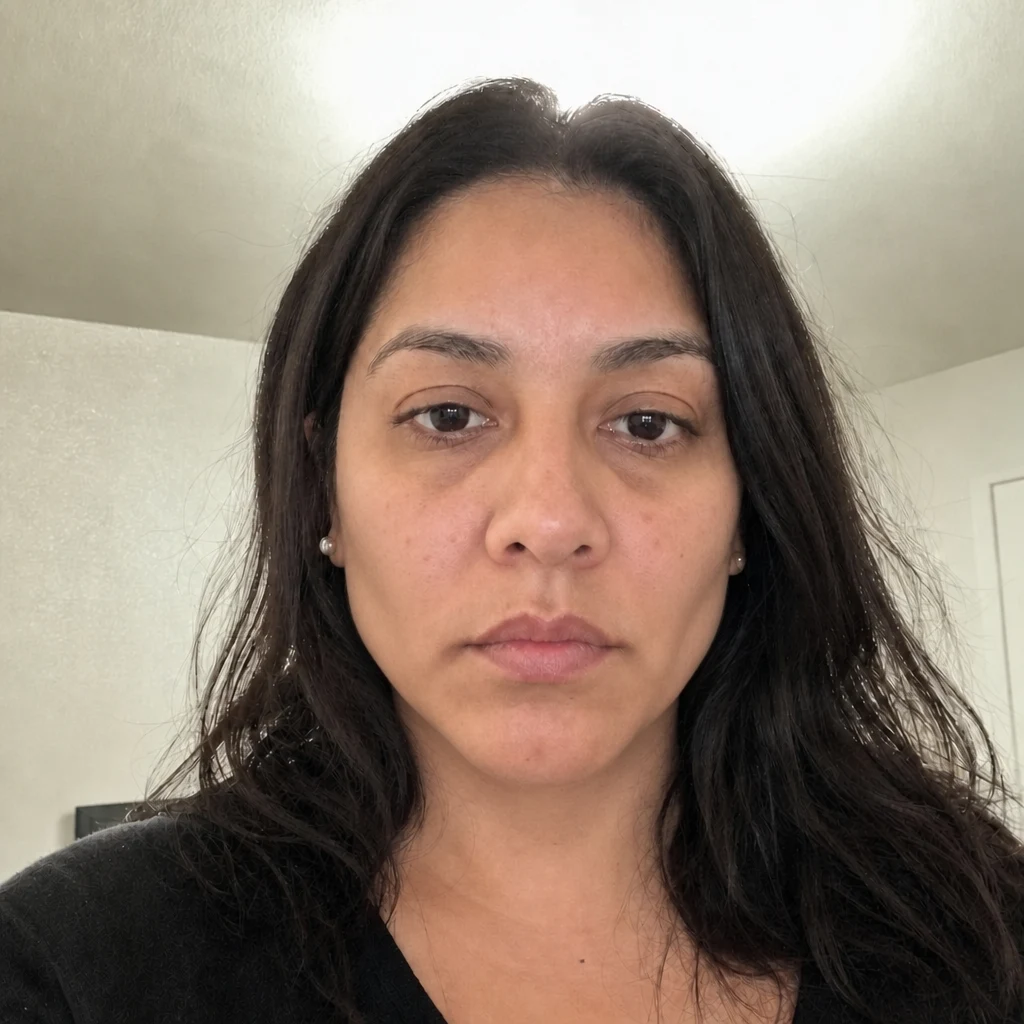
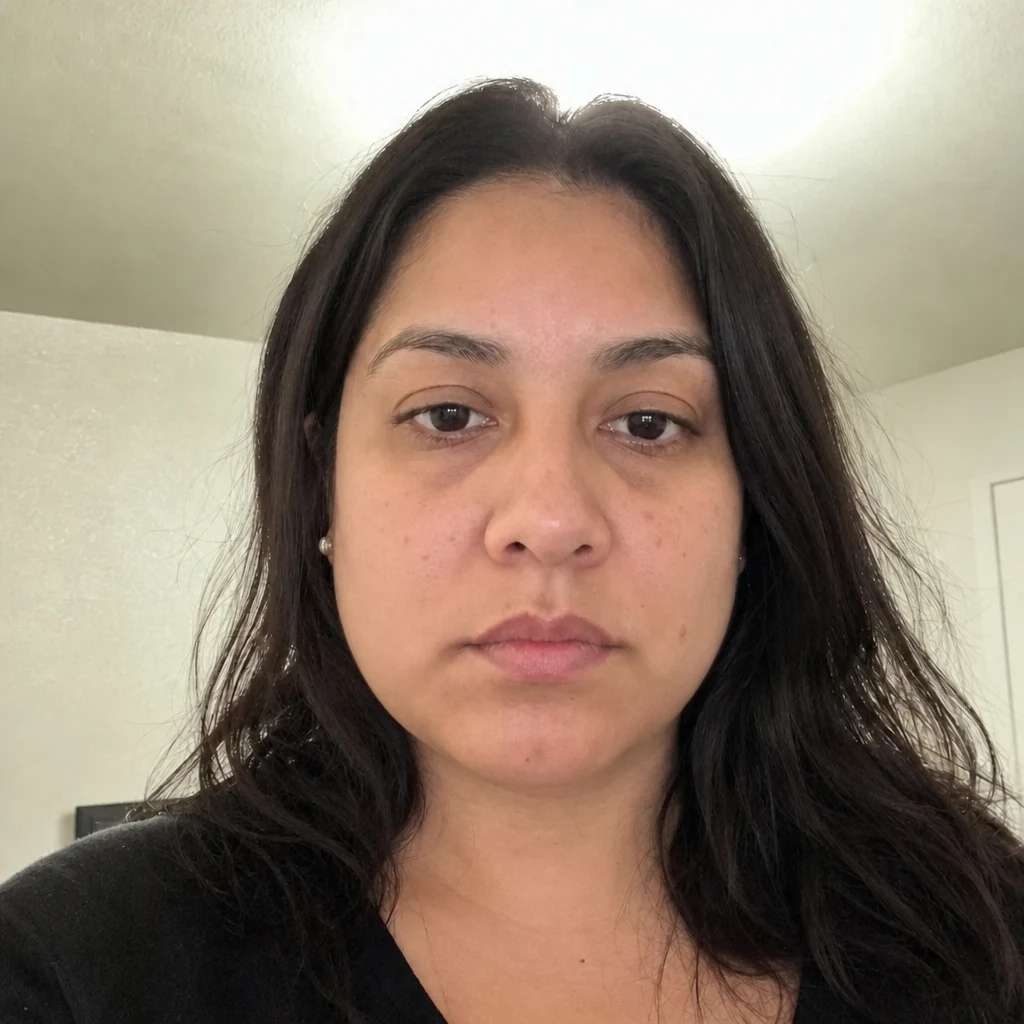
Bichectomy simulator — example render
- Also called
- Buccal fat removal, buccal fat pad excision
- Type
- Surgical, permanent
- Typical US cost
- Roughly $2,000–$5,000
- Final result
- Visible at 3–6 months
- Upload one front-facing photo
- The render changes cheek fullness — the same procedure as buccal fat removal — and leaves the rest of your face alone
- Compare your before and after side by side
1 render = 1 credit
5 credits $4.99, no subscription · or Starter $7.99/month for 10. The face analysis is free.
What is a bichectomy?
A bichectomy is a cosmetic operation that removes part of the buccal fat pad — also called the Bichat fat pad — through a small incision inside the mouth. Taking out some of that pad makes the lower cheek less full and the area below the cheekbone more hollow. There is no visible scar.
In the United States the same procedure is almost always called buccal fat removal. "Bichectomy" is the name used by patients and clinics in much of the rest of the world, which is why it shows up so often in before and after posts from clinics abroad.
Where the word bichectomy comes from
The fat pad was described in the 1700s by the German anatomist Lorenz Heister, who took it for a gland. In the early 1800s the French anatomist Marie François Xavier Bichat (pronounced roughly "bee-SHAH") identified it as fat, and the structure has carried his name since: Bichat's fat pad, or in French the boule de Bichat — Bichat's ball.
Bichectomy simply joins his name to "-ectomy", the medical suffix for surgical removal. The bichectomy meaning, then, is literally "removal of Bichat's pad".
| Language or region | What the procedure is called |
|---|---|
| United States, most English medical writing | Buccal fat removal, buccal fat pad excision, buccal lipectomy |
| Spanish | Bichectomía |
| Portuguese (including Brazil) | Bichectomia |
| French | Bichectomie, or removal of the boule de Bichat |
| Turkish | Bişektomi |
| International clinic marketing in English | Bichectomy |
Bichectomy vs buccal fat removal: one operation, two names
There is no surgical difference. The fat pad, the incision inside the mouth, the amount typically removed, the recovery and the risks are the same whichever name a clinic uses. What differs is context:
- Who uses which word. American surgeons write buccal fat removal; clinics in Spanish- and Portuguese-speaking countries and in Turkey often write bichectomy, including on their English pages.
- What you find when you search. Bichectomy results lean toward clinics abroad and international pricing; buccal fat removal results lean toward US surgeons and US prices.
- What you should ask. Nothing changes. The questions about how much is removed and how the face will age apply identically.
The buccal fat removal page goes deeper on the published evidence, the 10-years-later question and who the procedure is usually considered for. This page covers the name, the anatomy and the practical side.
The Bichat fat pad: what a bichectomy actually removes
The buccal fat pad is not ordinary cheek fat. It is a separate, encapsulated structure sitting deep in the cheek, between the chewing muscles, and it is described as having three lobes — anterior, intermediate and posterior — with several extensions reaching into the surrounding spaces of the face.
- In babies it is proportionally large and is thought to help with suckling; it is part of why infant cheeks are so round.
- In adults it acts as a gliding cushion between the muscles used for chewing. Part of it is reported to lose volume between childhood and adulthood on its own.
- In surgery it is useful tissue: oral and maxillofacial surgeons use it as a graft to close defects inside the mouth and in reconstruction.
A cosmetic bichectomy removes only part of the pad — usually described as the portion that bulges into the cheek. That is why the effect is a specific hollow below the cheekbone rather than overall slimming, and why a face that is full for other reasons, such as general fat, a large masseter muscle or a wide jaw, may barely change.
Bichectomy before and after: how to judge the photos
Bichectomy before and after galleries are common on clinic websites and social media, and they are easy to over-read. A few checks cut through most of it.
- How long after? Swelling hides the result for weeks and the final shape takes three to six months. An after photo taken at a week or two is a swelling photo.
- Relaxed mouth? Cheeks slightly drawn in create the exact hollow a bichectomy promises. Both frames should have the same neutral mouth.
- Same weight, same light, same lens? Weight change, overhead light and a close phone camera all change lower-face fullness on their own.
- What about years later? Very few bichectomy before and after sets show the same patient several years on, and that is the time frame the main concern about this procedure is about.
Bichectomy before and after in men
Bichectomy for men is usually requested for a flatter lower cheek and a sharper-looking jawline. The jaw itself does not change — the hollow above it increases contrast — and in many men a wide lower face comes from the masseter muscle or the jaw bone, which a bichectomy does not touch. The jawline rating measures jaw width against cheekbone width, which helps separate the two.
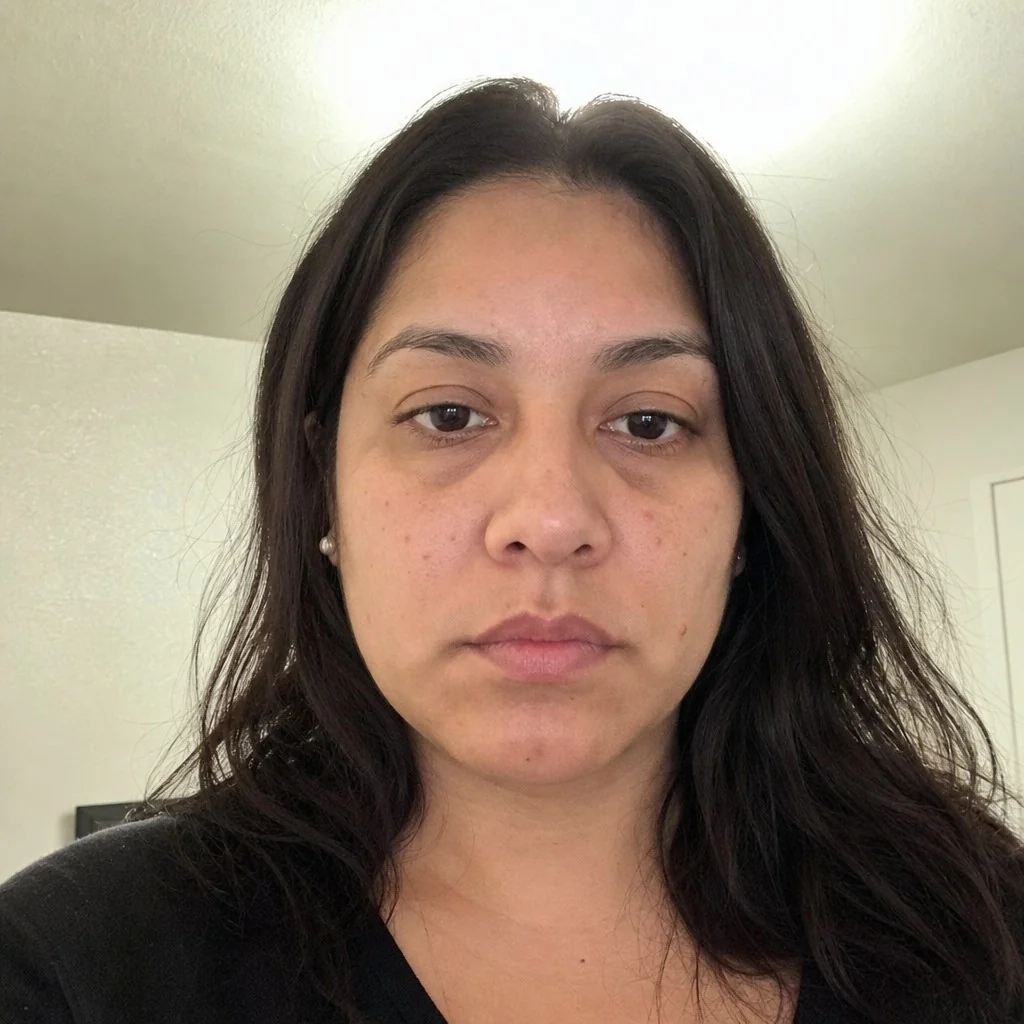
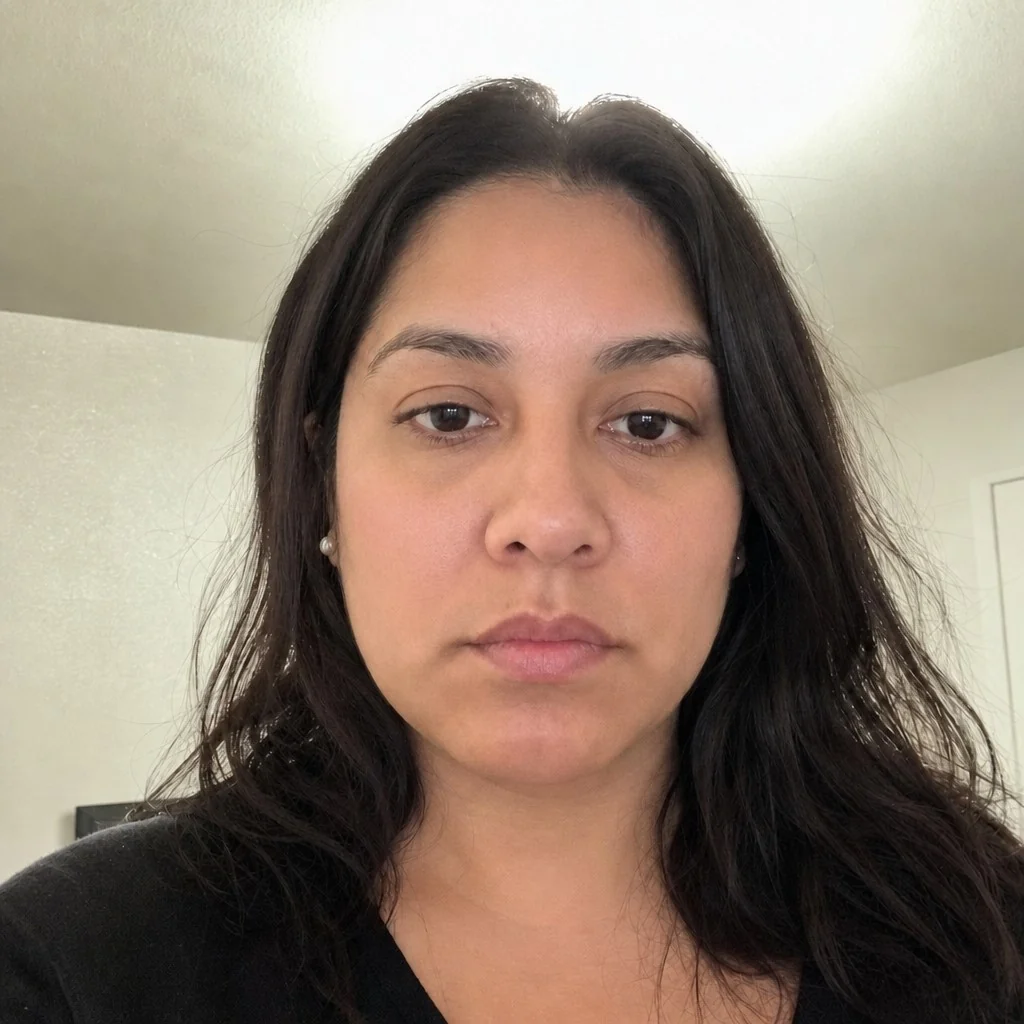
Before — generatedAfter — simulatedSee a bichectomy on your own face
Run this simulationBichectomy surgery: the procedure and recovery
The bichectomy procedure is short and is often done under local anesthesia, sometimes with sedation, and sometimes combined with other facial procedures under general anesthesia.
- The inside of the cheek is numbed, and a small incision is made in the lining of the mouth, near the upper back teeth.
- The surgeon opens the thin capsule around the pad and gently draws out a portion of the fat.
- The amount is judged and matched on both sides.
- The incision is closed with dissolvable stitches. Nothing shows on the outside.
| After surgery | What is commonly reported |
|---|---|
| First days | Swollen cheeks, stiffness opening the mouth, soft diet, antiseptic mouth rinses |
| 1–2 weeks | Swelling eases enough for most people to return to normal routines |
| About a month | The face looks close to normal; the hollow starts to appear |
| 3–6 months | The final contour — the only point at which the result can be judged |
Bichectomy cost, and why prices differ so much between countries
In the United States, a bichectomy is commonly quoted at roughly $2,000–$5,000, depending on the surgeon, city, type of anesthesia and whether it is combined with other procedures. It is cosmetic and not covered by insurance.
Bichectomy cost is also one of the procedures most affected by international pricing, and much of the search interest under this name comes from clinics abroad advertising lower prices. The operation is the same; what differs is everything around it. Before comparing prices, it is worth knowing:
- Who performs it, and what their training and registration are in that country.
- What follow-up is included, and how it works once you are back home.
- What happens — and who pays — if there is a complication, asymmetry or too much removed.
Bichectomy side effects and long-term concerns
Commonly reported bichectomy side effects are swelling, pain, bruising and temporarily limited mouth opening. A 2025 meta-analysis of 12 studies found some complication in about one in four patients, mostly those temporary effects, with asymmetry also recorded and facial nerve weakness in under 1%. Injury to the salivary duct that opens inside the cheek, infection and bleeding are also listed as risks.
Bichectomy gone wrong most often means too much removed or uneven removal, and neither can be reversed — volume can be added back with filler or fat grafting, but not the original pad. The longer-term concern is age: facial fat declines over time, and surgeons worry that a hollow created young compounds with that. Long-term data are scarce, and the full picture of what has and has not been studied is on the buccal fat removal page.
Bichectomy simulator: see a sculpted lower cheek on your own face
The bichectomy simulation hollows the lower cheeks and sculpts the midface on your photo, keeping the result natural rather than gaunt. For a permanent operation, seeing the direction first is cheap insurance — some people find the hollow suits them less than the before and after photos suggested.
What the render cannot tell you is whether your fullness is buccal fat at all, or how your face will look decades after the pad is gone. The round face shape page explains why soft tissue makes some faces read round, which is the situation a bichectomy is aimed at.
Check whether lower-face width comes from the jaw — which a bichectomy does not change — before deciding on a hollow above it.
Measure your jaw against your cheekbonesQuestions to ask your surgeon before a bichectomy
- How much of the pad would you remove on each side, and how do you make sure the two sides match?
- Is my fullness actually buccal fat, or muscle, bone or general fat that a bichectomy will not change?
- How do you protect the facial nerve branches and the salivary duct, and what is your view on doing this at my age?
Alternatives to bichectomy
How the bichectomy simulation works
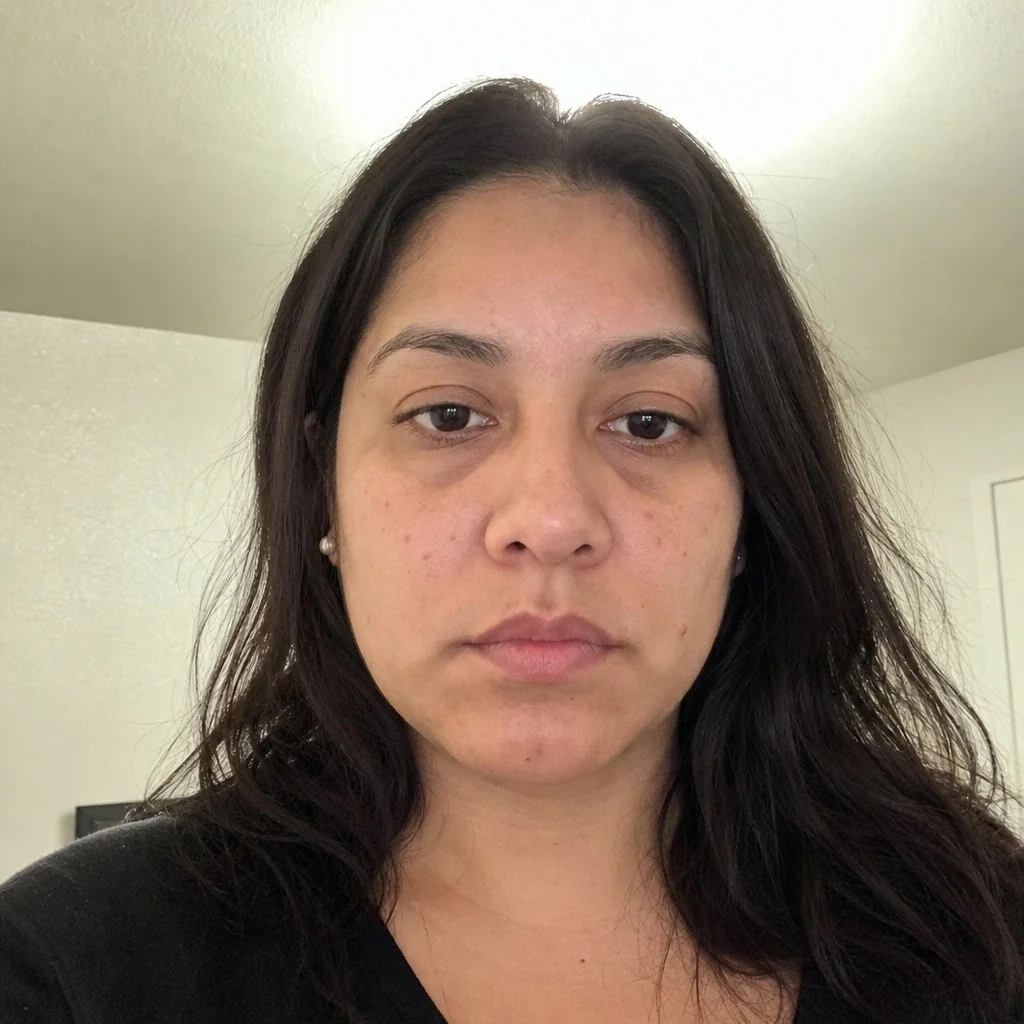
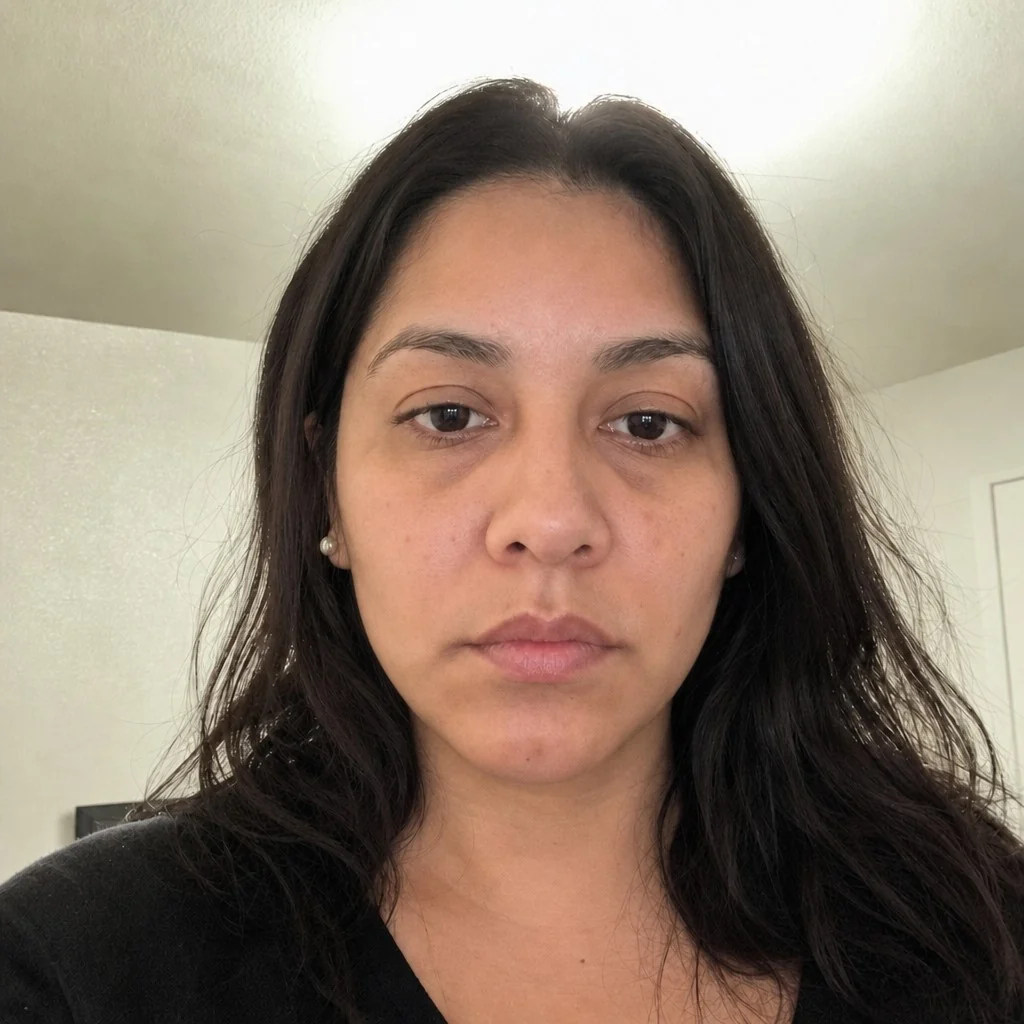
Your photo is analysed for the landmarks that matter to this procedure, and the render changes cheek fullness — the same procedure as buccal fat removal while leaving the rest of your face alone. That constraint is the hard part — a generic image model will happily redraw your whole face and hand you a stranger who looks better.
The render hollows the lower cheek. As with buccal fat removal, it cannot show the long-term trajectory, which is the substantive concern with this procedure rather than the immediate result.
It is an illustration of a plausible direction, not a prediction of your result and not a medical opinion. What it is genuinely good for is finding out whether you want the change at all — plenty of people render one, find the difference smaller than they imagined, and stop there.
Measure your face before a bichectomy simulation
The free analysis tools measure symmetry, facial proportion and face shape, and tell you which measurements sit outside the reference range. Choosing a procedure from that is a much better starting point than choosing one from a photo you saved.



Bichectomy simulator — frequently asked questions
Is a bichectomy permanent?
Yes. The removed part of the fat pad does not grow back. Weight gain can add fat elsewhere in the face, and volume can be added back with filler or fat grafting, but the pad itself is gone.
Is a bichectomy worth it?
People with genuinely full lower cheeks often like the early result. Against that sit permanence, a meaningful rate of mostly temporary complications and very little long-term data. It is hardest to justify when the fullness is not buccal fat to begin with, which is why the assessment matters more than the price.
Is there an age limit for a bichectomy?
Not formally, but surgeons frequently advise against it in very young patients, because facial fat declines with age and removing a pad early compounds with that. It is a judgement rather than a rule.
Will a bichectomy help a double chin?
No. The buccal pad sits in the cheek, not under the chin, and fullness under the chin is a different fat compartment treated differently.
Will a bichectomy define my jawline?
It hollows the cheek above the jaw, which increases contrast and can make the jawline look sharper. It does not change the jaw itself, and where the jaw is the actual concern, other procedures apply.
Is the bichectomy simulator free?
The face analysis is free and needs no account. A rendered simulation costs credits because it runs on a GPU — $4.99 buys five and does not require a subscription.
How accurate is an AI bichectomy simulation?
It is an illustration of a plausible outcome, not a prediction of your result. Real outcomes depend on your anatomy, the facial plastic surgeon and how you respond. Treat it as a conversation starter for a consultation, not a promise.
Do you keep my photo?
The free measurements never leave your browser. A simulation does send the photo to a rendering service, which is why it asks for explicit consent first, and you can delete the result from your dashboard at any time.
Can I show this to a facial plastic surgeon?
Yes, and that is the most useful thing to do with it. Bringing a picture of the direction you want is far more precise than describing it in words.
Other cheeks & midface simulations
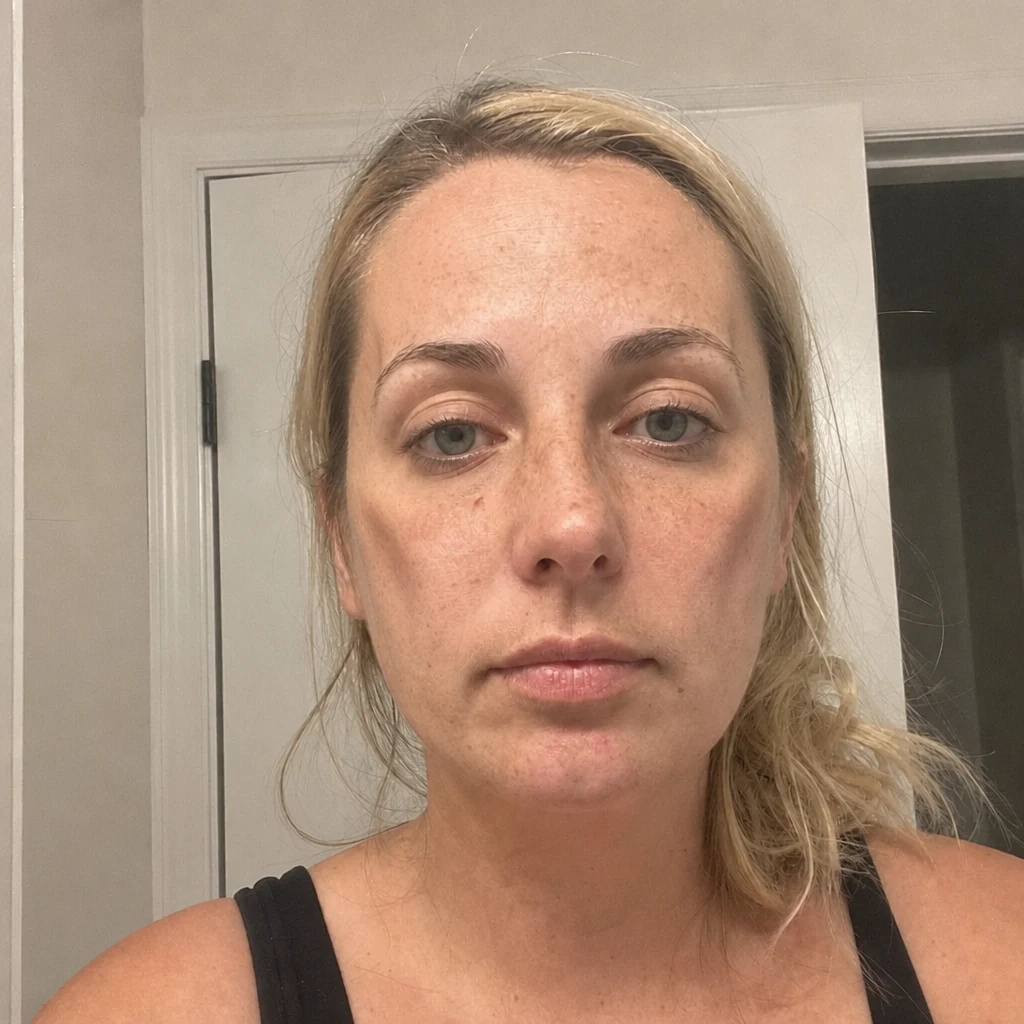
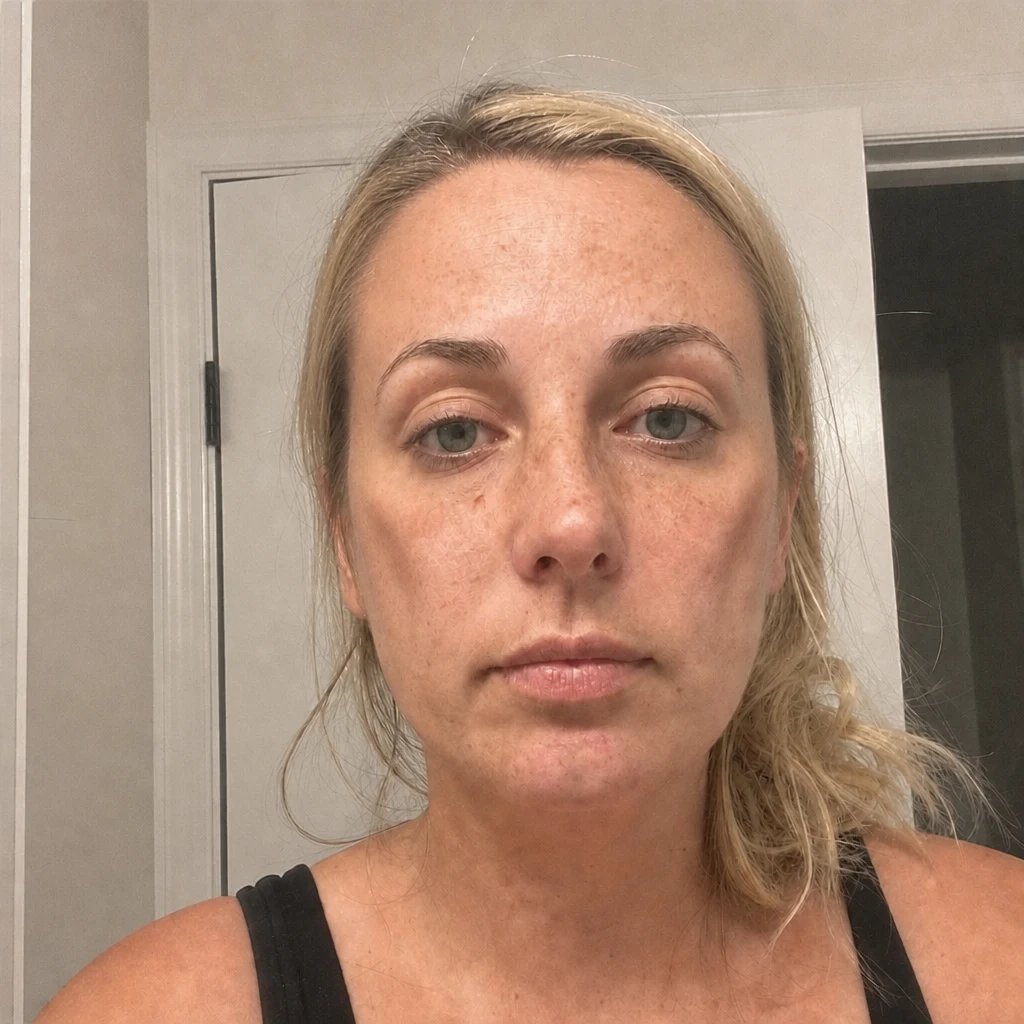
This page is not medical advice and we are not clinicians. A simulation cannot tell you whether a procedure is appropriate for you, what it costs, or what the risks are. Those questions belong with a qualified facial plastic surgeon.