Cheek Filler: Before and After, Cost, and a Render on Your Own Face
Cheek filler adds volume over the cheekbone or in the midface. Here is what it realistically changes, where it is placed, how much product a first treatment tends to take, what it costs, how it settles — and a render of the result on your own photo before you book.
Cheek Filler simulator — example render


- How long it lasts
- Commonly 12–18 months (hyaluronic acid)
- Typical US cost
- Roughly $600–$1,200 per syringe
- Recovery
- Swelling and bruising for days to a week
- Type
- Injectable, non-surgical, dissolvable if HA
- Upload one front-facing photo
- The render changes cheekbone projection and midface volume — and leaves the rest of your face alone
- Compare your before and after side by side
1 render = 1 credit
5 credits $4.99, no subscription · or Starter $7.99/month for 10. The face analysis is free.
What does cheek filler do?
Cheek filler is an injectable gel, most often hyaluronic acid, placed over the cheekbone or in the soft tissue of the midface. It does two different jobs, and knowing which one you want is most of the decision.
- Projection — product placed close to the bone, usually toward the outer cheek, makes the cheekbone come forward and catch more light. This is definition.
- Volume replacement — product placed higher and more centrally supports tissue that has flattened or descended with age or weight loss. This is support, and it is what people mean when they say filler "lifts" the face.
What cheek filler does not do is move bone. Where your cheekbone peaks is set by the skeleton, and the high cheekbones guide goes through why filler changes projection and contrast but not height. A face that reads flat because of where the bone sits will read less flat after filler, not structurally different.
Cheek filler before and after: what actually changes
Most cheek filler before and after photos show some mix of four changes. Separating them tells you what is realistic, and which part of a photo is the camera.
| What changes | Before | After | How visible in a front photo |
|---|---|---|---|
| Cheekbone projection | Flat outer cheek | Cheekbone comes forward and catches light | Partly — mostly through the highlight and shadow |
| Midface volume | Flattened or hollow front of the cheek | Smoother, fuller curve from lid to cheek | Yes, especially at three-quarters |
| Hollow below the cheekbone | Visible dip under the arch | Softer, shallower dip | Yes, strongly dependent on overhead light |
| Lid-cheek junction | A visible line where the lower lid meets the cheek | A shorter, softer transition | Yes, but under-eye lighting exaggerates it |
How to read cheek filler before and after photos
- Light height. A light placed above the face carves a shadow under the cheekbone on anyone. If the before is lit flat and the after from above, the difference is the lighting.
- Angle. Compare the same head turn. A few degrees more rotation in the after frame adds apparent projection by itself.
- Timing. Photos taken the same day show swelling, not the result. Two to four weeks out is the informative frame.
- Expression and makeup. A slight smile pushes the cheek up, and contour or highlighter does what filler is being credited for.
- Amount. A "1 ml cheek filler before and after" and a 4 ml one are different treatments. Galleries rarely say how much was used unless you ask.
Cheek filler placement: lateral, mid and medial cheek
Injectors describe the cheek in zones, and the zone decides the look. Most first treatments combine two of them.
| Zone | Where | What it is usually used for |
|---|---|---|
| Lateral cheek filler | Along the outer cheekbone toward the ear | Angular definition and a wider-looking cheekbone |
| Mid cheek filler | Over the highest point of the cheek | Projection and the classic highlight point |
| Medial cheek filler | The front of the cheek, closer to the nose and lower lid | Volume replacement and support for the lid-cheek transition |
| Submalar (below the cheekbone) | The dip under the arch | Softening a hollow — used carefully, because it can erase contour |
Hollow cheek filler
Filler for cheek hollows is usually a volume-replacement treatment in a face that has lost fat through age, weight loss or a lean build. The goal is a softer curve rather than a sharper one, and it is where a conservative amount matters most, because a filled hollow can read as heavy rather than rested. A hollow directly under the eye is a separate area with its own risks, treated with under eye filler.
Cheek filler for nasolabial folds and jowls
Supporting the midface can soften the fold beside the nose and the start of a jowl, because both partly reflect tissue that has moved down. It is indirect and has limits: filler cannot tighten skin, and a deep fold is not always a volume problem. The nasolabial folds guide covers the causes and what treatments were actually measured to do.
Cheek filler for men
Cheek filler for men usually aims for the lateral cheekbone and a flatter, more angular plane, rather than fullness at the front of the cheek, which tends to read softer. Men also often have thicker skin and a larger face, so the amount can differ. The principle is the same; the placement map is not.
Types of cheek filler, and how long each lasts
| Filler type | How it works | Commonly quoted duration | Can it be dissolved? |
|---|---|---|---|
| Hyaluronic acid (HA) | A gel that adds volume immediately and binds water | 12–18 months in the cheek | Yes, with hyaluronidase |
| Calcium hydroxylapatite (CaHA) | Thicker gel that adds structure and stimulates collagen | Around a year or longer | No |
| Poly-L-lactic acid (PLLA) | A collagen stimulator that builds volume gradually over several sessions | Often quoted at up to two years | No |
How long does cheek filler last?
Hyaluronic acid cheek filler is commonly quoted at twelve to eighteen months — longer than lip filler, because the cheek moves much less than the mouth. The visible effect fades before all the product is gone, which is why some people find a smaller top-up holds the result, and why repeated full treatments on a schedule can gradually overfill.
How much cheek filler: 1 ml vs 2 ml
Hyaluronic acid cheek filler usually comes in 1 ml syringes, and it is priced per syringe. A "1 ml cheek filler before and after" is typically one syringe split across both cheeks, so about half a milliliter a side — a subtle change. Two syringes is a commonly described amount for a first treatment where there is noticeable volume loss.
Is 2 ml of cheek filler a lot? Not by the standards of the area, but the right amount depends on the face, not a number. A practitioner who suggests starting lower and adding at a review appointment is being cautious, not upselling in reverse. Faces that need several syringes are usually staged over more than one visit.
BeforeAfter — simulatedSee a cheek filler on your own face
Run this simulationCheek filler cost: what you'll actually pay
Cheek filler is commonly quoted at roughly $600–$1,200 per syringe in the United States. The total is the per-syringe price multiplied by how many syringes you need, which is why a one-syringe quote and a two-syringe treatment plan can look like different prices for the same thing.
- Number of syringes — the biggest variable by far.
- Product — collagen stimulators and newer HA products often cost more per syringe.
- Who injects — a board-certified dermatologist or plastic surgeon typically charges more than a med spa.
- City — metropolitan pricing runs noticeably higher.
- Maintenance — a top-up at twelve to eighteen months is part of the real annual cost.
Cheek filler is cosmetic and is not covered by insurance. Dissolving filler that was placed badly is a separate cost, which is one practical reason the cheapest syringe is rarely the cheapest outcome.
Cheek filler swelling stages and recovery
| When | What is commonly reported |
|---|---|
| Day of treatment | Immediate volume, some redness, possible needle marks; the cheek looks larger than the final result |
| Days 1–3 | Swelling usually peaks; tenderness when touching or sleeping on the face |
| Days 4–7 | Swelling eases; any bruising changes color and fades |
| Weeks 2–4 | The product settles and integrates — this is when the result is judged and a review booked |
Most people return to normal activity the same day. Practitioners commonly advise avoiding heavy exercise, alcohol and pressure on the cheeks for the first day or two, and following their own aftercare sheet over any general list.
Too much cheek filler, migration and other risks
Bad cheek filler is rarely a disaster and often a slow drift. The midface is where over-treatment is most visible to other people and least visible to the person treated, because the change happens a syringe at a time.
- Too much cheek filler — a pillowy, over-projected midface, cheeks that look wide when smiling, or a face that reads "done". The usual cause is volume added on a schedule rather than when it is needed.
- Migration — product moving from where it was placed, discussed most in the midface. Placement depth and product choice are the factors practitioners cite.
- Lumps and asymmetry — often swelling in the first weeks; persistent lumps can usually be massaged, adjusted or dissolved if the filler is hyaluronic acid.
- Vascular complications — rare but serious. Filler entering or compressing a blood vessel can damage skin, and loss of vision has been reported after facial filler. It is the main reason who injects matters more than price.
Hyaluronic acid can be dissolved with an enzyme, hyaluronidase. Calcium hydroxylapatite and poly-L-lactic acid cannot, which is worth weighing before a first treatment.
Cheek filler simulator: see the midface change on your own face
The cheek filler simulation renders lifted, more defined cheekbones with restored midface volume and a contour shadow under the arch, while keeping the rest of your face as it is. It is a fast way to see whether more volume there suits you at all — before a syringe, and before a consultation where it is hard to picture the change.
Treat the render as a direction. It works from a front-facing photo, and projection is exactly what a front photo carries least, so real cheek results often look larger in person than in a render. It also cannot show your face moving: filler that looks right at rest can look wide when you smile. The jawline rating measures your jaw against cheekbone width, which is the proportion added lateral volume changes.
See how your cheekbone width compares with your jaw — the ratio lateral cheek filler shifts.
Measure jaw-to-cheekbone widthQuestions to ask your injector before cheek filler
- Are you placing it on the bone for projection, or higher and more central for volume — and why that choice for my face?
- How many syringes do you expect, and would you stage it with a review at two to four weeks?
- Which product are you using, can it be dissolved, and how do you handle a vascular complication if one happens?
Alternatives to cheek filler
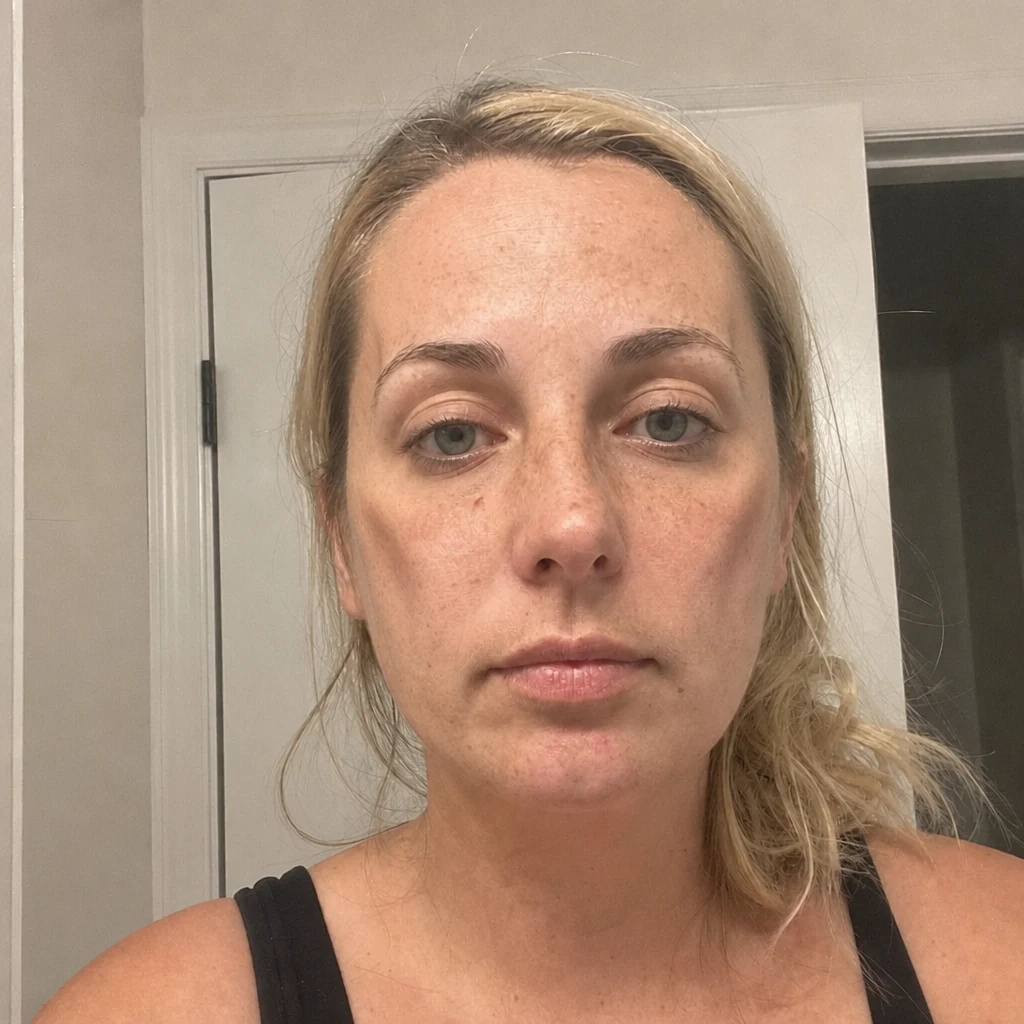
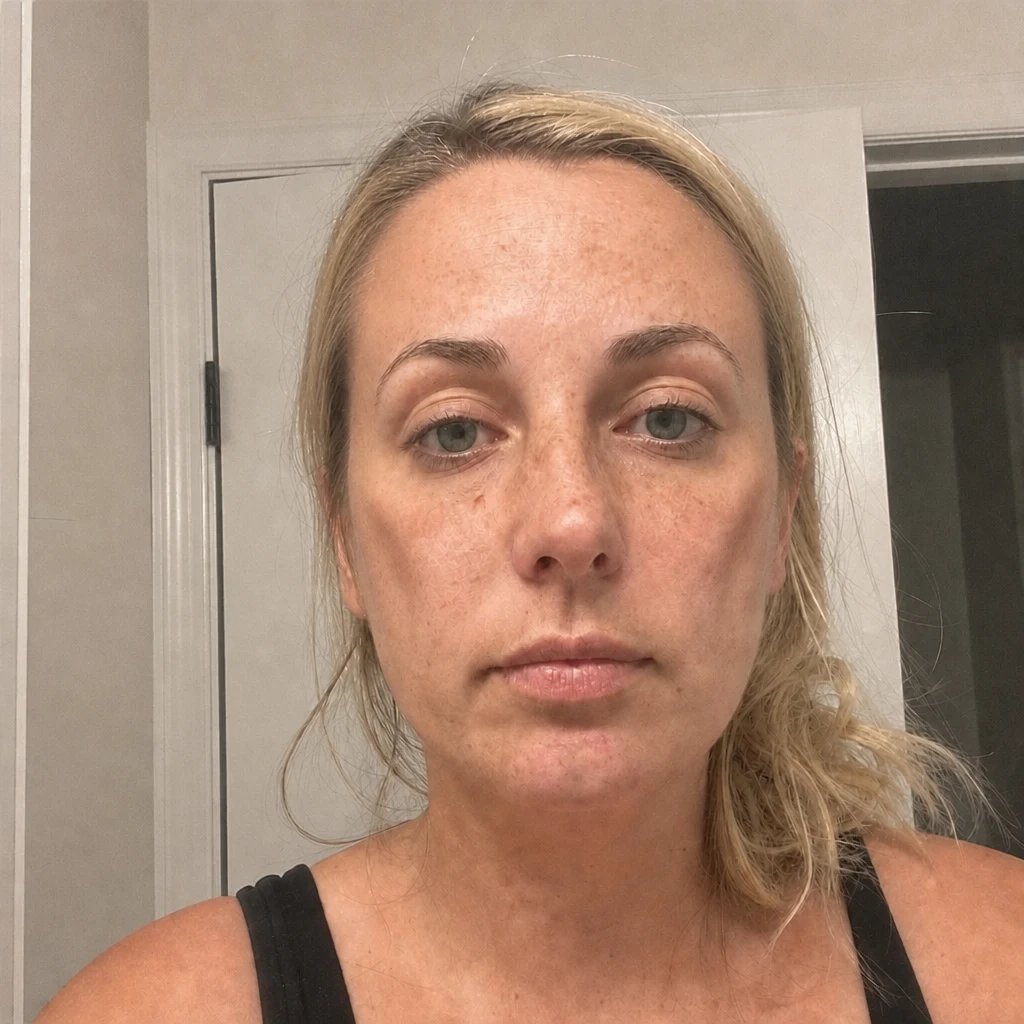


How the cheek filler simulation works
Your photo is analysed for the landmarks that matter to this procedure, and the render changes cheekbone projection and midface volume while leaving the rest of your face alone. That constraint is the hard part — a generic image model will happily redraw your whole face and hand you a stranger who looks better.
The render widens or lifts the midface in the frame. Projection is a depth change, and depth is exactly what a front photograph does not carry — which is why cheek results often look larger in person than in a simulation.
It is an illustration of a plausible direction, not a prediction of your result and not a medical opinion. What it is genuinely good for is finding out whether you want the change at all — plenty of people render one, find the difference smaller than they imagined, and stop there.
Measure your face before a cheek filler simulation
The free analysis tools measure symmetry, facial proportion and face shape, and tell you which measurements sit outside the reference range. Choosing a procedure from that is a much better starting point than choosing one from a photo you saved.



Cheek Filler simulator — frequently asked questions
Will cheek filler lift my face?
It can make the midface look lifted by supporting tissue that has flattened or descended, and that can soften the start of a jowl. It does not tighten skin or reposition tissue the way a surgical lift does, and adding volume to chase lift is a common route to overfilling.
Does cheek filler make you look older or younger?
Well-placed volume replacement tends to read as rested, because midface flattening is one of the visible signs of age. Too much, or product placed too high and forward, reads as treated — which people often perceive as older, not younger.
When does cheek filler look its best?
Usually two to four weeks after treatment, once swelling has gone and the product has settled. Judging it in the first week tends to mean judging swelling.
Does cheek filler hurt?
Most people describe pressure and brief stinging rather than pain. Many cheek fillers contain lidocaine, a local anesthetic, and numbing cream or ice is often used. Tenderness for a few days is common.
Can cheek filler help under-eye hollows?
Sometimes indirectly: supporting the front of the cheek can shorten the lid-cheek transition so the hollow reads smaller. A true tear trough is usually treated separately with under eye filler, which has its own simulation.
Cheek filler or buccal fat removal?
They pull in opposite directions. Filler adds volume at or above the cheekbone; buccal fat removal permanently takes volume out of the lower cheek. Some people are offered both, for different areas, which is worth questioning carefully.
Is the cheek filler simulator free?
The face analysis is free and needs no account. A rendered simulation costs credits because it runs on a GPU — $4.99 buys five and does not require a subscription.
How accurate is an AI cheek filler simulation?
It is an illustration of a plausible outcome, not a prediction of your result. Real outcomes depend on your anatomy, the injector and how you respond. Treat it as a conversation starter for a consultation, not a promise.
Do you keep my photo?
The free measurements never leave your browser. A simulation does send the photo to a rendering service, which is why it asks for explicit consent first, and you can delete the result from your dashboard at any time.
Can I show this to an injector?
Yes, and that is the most useful thing to do with it. Bringing a picture of the direction you want is far more precise than describing it in words.
Other cheeks & midface simulations


This page is not medical advice and we are not clinicians. A simulation cannot tell you whether a procedure is appropriate for you, what it costs, or what the risks are. Those questions belong with a qualified injector.