Jaw Reduction Surgery: Before and After, and a Narrower Jaw on Your Face
Jaw reduction surgery narrows the lower face by removing bone at the angle of the jaw. Before any of it matters, one question decides the rest: is your jaw wide because of bone or because of muscle? Here is how to think about that, the techniques, recovery, risks and cost — plus a render of a narrower jaw on your own photo.
Jaw Reduction simulator — example render


- Type
- Bone surgery, permanent
- Typical US cost
- Commonly from around $8,000
- Recovery
- Several weeks of marked swelling
- Settled result
- Several months
- Upload one front-facing photo
- The render changes the width of your jaw angle — and leaves the rest of your face alone
- Compare your before and after side by side
1 render = 1 credit
5 credits $4.99, no subscription · or Starter $7.99/month for 10. The face analysis is free.
What is jaw reduction surgery?
Jaw reduction surgery — also called mandibular angle reduction or jaw contouring — narrows a wide or square lower face by removing and reshaping bone at the back corner of the lower jaw. It is done through incisions inside the mouth, so there are normally no visible scars, and under general anesthesia.
It is a cosmetic contouring operation, not jaw surgery in the bite-correcting sense. The teeth and the bite stay where they are; only the outline of the jaw changes.
Jaw reduction: bone or muscle? The question that decides it
A square jaw has three possible sources, and they look alike in a photograph. Surgical jaw reduction only addresses one of them.
| Source of width | Typical signs | What changes it |
|---|---|---|
| Masseter muscle | Bulge at the jaw corner that hardens when you clench | Muscle-relaxing injections — see masseter botox |
| Bone at the jaw angle | Width that stays the same when relaxed; wide angle on X-ray or CT | Surgical jaw reduction |
| Fat and soft tissue | Soft fullness, often lower in the cheek or under the jaw | Weight change, fat-reduction procedures, sometimes buccal fat removal |
This is the most consequential step in the whole decision. If much of the width is muscle, surgery removes bone that was not the problem; if it is bone, injections will not change it much.
Types of jaw reduction surgery: angle reduction, cortex shaving and V-line
| Technique | What is done | Mainly changes |
|---|---|---|
| Jaw angle reduction | Bone at the jaw corner is cut away along a planned curve | Width and corner shape seen from the side and front |
| Outer cortex shaving | A layer of the outer jawbone surface is removed | Width seen from the front, especially a flared jaw |
| V-line surgery | Angle reduction combined with chin narrowing or shortening | The whole lower face tapers toward the chin |
| Combined with masseter treatment | Surgery for bone, injections for muscle | Both sources of width |
Removing the corner from the side changes the profile, while shaving the outer surface mainly narrows the front view. Square jaw reduction for a face that looks wide from the front often needs the second, which is why the two are frequently combined. The gonial angle guide explains why the jaw corner itself is only measurable from the side.
Non-surgical jaw reduction: what jaw reduction botox can and can't do
What most people call non-surgical jaw reduction is botulinum toxin injected into the masseter. The muscle shrinks over several weeks of reduced use, narrowing the lower face without touching the bone.
- Can: slim a jaw whose width is largely muscle, and act as a reversible test of how a narrower jaw looks.
- Can't: remove bone. A wide bony angle stays wide.
- Temporary: the muscle rebuilds if treatment stops, so it is a maintenance treatment.
- Gradual: the change builds over weeks, not days, and often needs more than one session.
Surgeons commonly treat a trial of masseter injections as part of the workup: if the jaw narrows enough, surgery may not be discussed at all.
Jaw reduction before and after: how to read the photos
- Check the timing. Swelling after jaw reduction is prolonged. Early photos can make the jaw look wider than it will be; photos at six months or later are the honest ones.
- Check the head position. A face turned even slightly narrows the jaw on one side; a chin tipped down hides the angle.
- Check the distance and lens. A close phone shot widens the lower face compared with a portrait taken from further away.
- Check for combined work. Many jaw reduction before and after galleries also include chin surgery, cheekbone reduction or masseter injections.
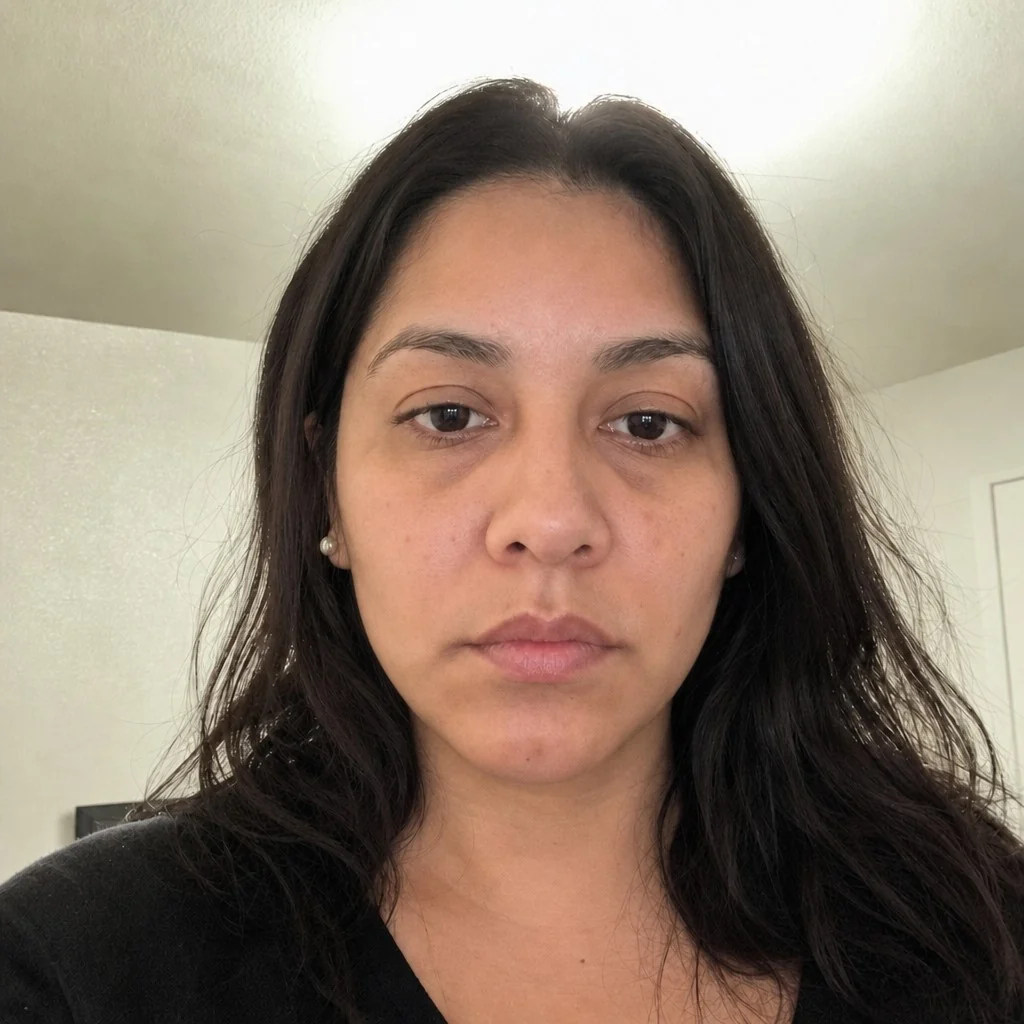
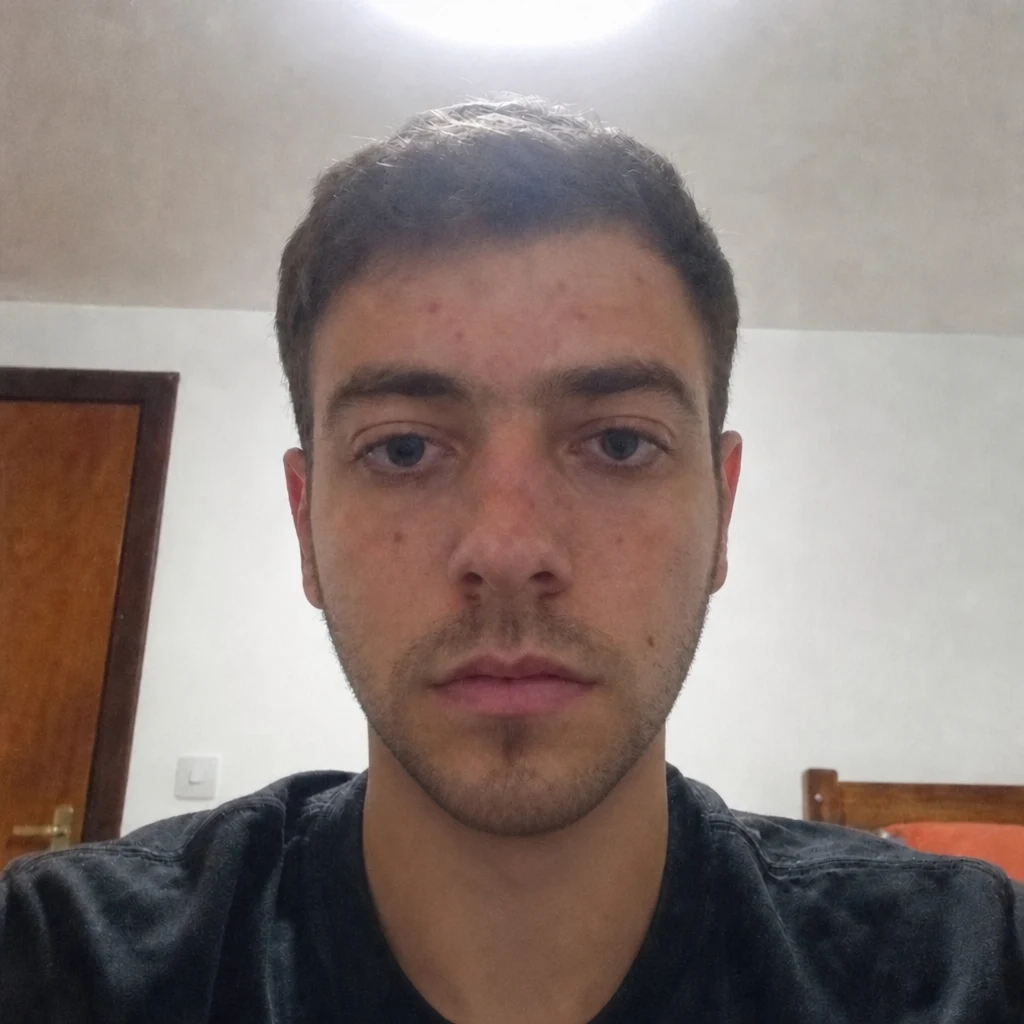
Before — generatedAfter — simulatedSee a jaw reduction on your own face
Run this simulationJaw reduction recovery: a typical timeline
| When | What is commonly reported |
|---|---|
| First days | Marked swelling and tightness, often a compression garment, liquid diet, careful oral hygiene |
| Weeks 1–3 | Swelling eases but is still obvious; soft diet; many people stay off work |
| Weeks 4–6 | Most people look presentable; diet broadens; numbness may persist |
| Months 3–6 | Residual swelling resolves; the narrower outline becomes clear |
| Beyond six months | The settled result; sensation continues to improve for some |
Jaw reduction risks: nerves, asymmetry and soft tissue
Jaw contouring is a substantial operation on bone that carries a major sensory nerve and sits close to large blood vessels. The risks surgeons commonly discuss include:
- Numbness of the lower lip and chin — the nerve inside the jawbone can be stretched or injured; usually temporary, sometimes lasting.
- Asymmetry or an unnatural outline — including a visible step or a second corner where the cut ended.
- Bleeding and hematoma, which is why surgical experience in this area matters.
- Soft tissue sagging — after large reductions, the skin and muscle have less to drape over and can look looser.
- Infection and, rarely, jaw fracture.
- Over-reduction — a jaw that looks too narrow for the face, which cannot be reversed.
Jaw reduction cost, and why Korean jaw reduction is searched
Jaw reduction surgery is widely variable in price, commonly quoted from around $8,000 upward in the United States, with the total depending on the technique, whether chin surgery is added, the surgeon, the facility and anesthesia. As a cosmetic operation it is generally not covered by insurance.
Jaw contouring is performed far more often in South Korea and elsewhere in East Asia, where V-line surgery is well known, and prices there are commonly quoted lower — which is why Korean jaw reduction is searched in the US. This page does not compare destinations, and follow-up for a complication is part of the real cost wherever the operation happens.
Jaw reduction simulator: see a narrower jaw on your own face
The jaw reduction simulation narrows the width at the jaw angle on your photo, tapering a square lower face toward a V-line, while keeping the rest of your face as it is. It is a direct way to see whether a narrower jaw suits you — including whether you prefer the jaw you have.
The render cannot tell bone from muscle, which is the question that decides the treatment, and the same narrowed outline could come from surgery or injections. The square face shape page explains how jaw width against cheekbone and forehead width decides the label, and the jawline rating gives you that ratio as a number.
Measure jaw width against cheekbone width from a front photo — the ratio a jaw reduction changes.
Rate your jawlineQuestions to ask your surgeon before jaw reduction
- How have you confirmed my jaw width is bone rather than masseter muscle — and would you want me to try injections first?
- Which technique are you planning — angle reduction, outer cortex shaving or both — and what will each change in my front view and profile?
- How often do your patients have lip or chin numbness that lasts, and how do you handle asymmetry if it happens?
Alternatives to jaw reduction



How the jaw reduction simulation works
Your photo is analysed for the landmarks that matter to this procedure, and the render changes the width of your jaw angle while leaving the rest of your face alone. That constraint is the hard part — a generic image model will happily redraw your whole face and hand you a stranger who looks better.
The render narrows the lower face in a photograph. It cannot tell you whether your width is bone or masseter muscle — and if it is muscle, a far smaller intervention applies.
It is an illustration of a plausible direction, not a prediction of your result and not a medical opinion. What it is genuinely good for is finding out whether you want the change at all — plenty of people render one, find the difference smaller than they imagined, and stop there.
Measure your face before a jaw reduction simulation
The free analysis tools measure symmetry, facial proportion and face shape, and tell you which measurements sit outside the reference range. Choosing a procedure from that is a much better starting point than choosing one from a photo you saved.



Jaw Reduction simulator — frequently asked questions
How painful is jaw reduction surgery?
Most people describe swelling, tightness and difficulty opening the mouth as the hardest part rather than sharp pain, commonly managed with prescribed pain relief over the first week or two.
Is jaw reduction permanent?
Yes. Bone is removed and does not grow back, so the change cannot be reversed. The soft tissue over the jaw keeps aging, like the rest of the face.
What is the best age for jaw reduction surgery?
Surgeons generally wait until facial growth has finished, so adults rather than teenagers. There is no fixed upper age; bone quality, skin elasticity and general health are considered.
Does jaw reduction change your bite?
No. Contouring removes bone from the angle and outer surface of the jaw without moving the tooth-bearing parts. Changing the bite is orthognathic surgery, a different operation.
Is jaw reduction surgery worth it for looks?
That depends on whether the width is bone, how much it bothers you, and whether you accept a long recovery and irreversible change. Many people start with a render or a trial of masseter injections, and some find that is enough.
Is the jaw reduction simulator free?
The face analysis is free and needs no account. A rendered simulation costs credits because it runs on a GPU — $4.99 buys five and does not require a subscription.
How accurate is an AI jaw reduction simulation?
It is an illustration of a plausible outcome, not a prediction of your result. Real outcomes depend on your anatomy, the facial plastic or maxillofacial surgeon and how you respond. Treat it as a conversation starter for a consultation, not a promise.
Do you keep my photo?
The free measurements never leave your browser. A simulation does send the photo to a rendering service, which is why it asks for explicit consent first, and you can delete the result from your dashboard at any time.
Can I show this to a facial plastic or maxillofacial surgeon?
Yes, and that is the most useful thing to do with it. Bringing a picture of the direction you want is far more precise than describing it in words.
Other jaw & chin simulations





This page is not medical advice and we are not clinicians. A simulation cannot tell you whether a procedure is appropriate for you, what it costs, or what the risks are. Those questions belong with a qualified facial plastic or maxillofacial surgeon.