Epicanthoplasty: Before and After, Scars and Recovery
Epicanthoplasty is eyelid surgery that partly releases the epicanthal fold, the small fold of skin over the inner corner of the eye, so more of the corner shows. Here are the techniques, what changes in before and after photos, what the scar is really like, recovery and cost — plus a render of the change on your own photo.
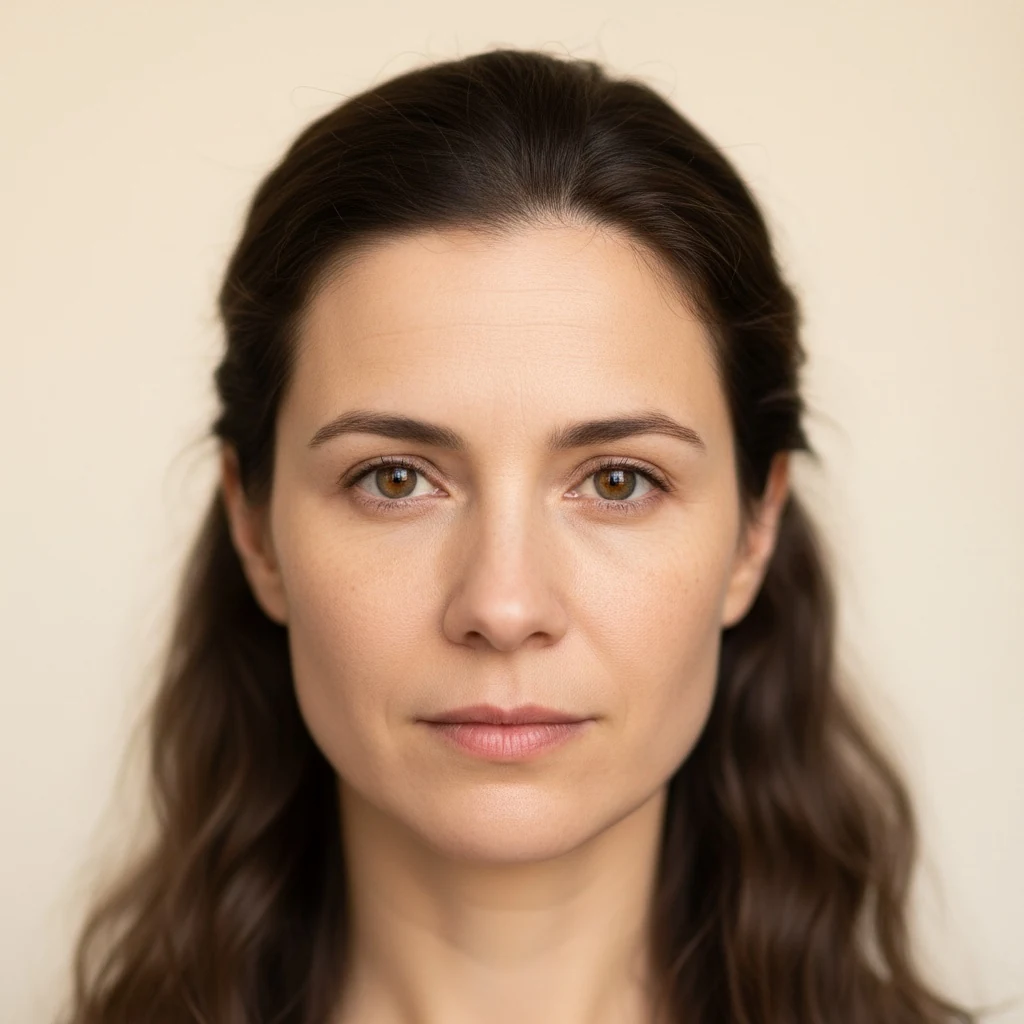
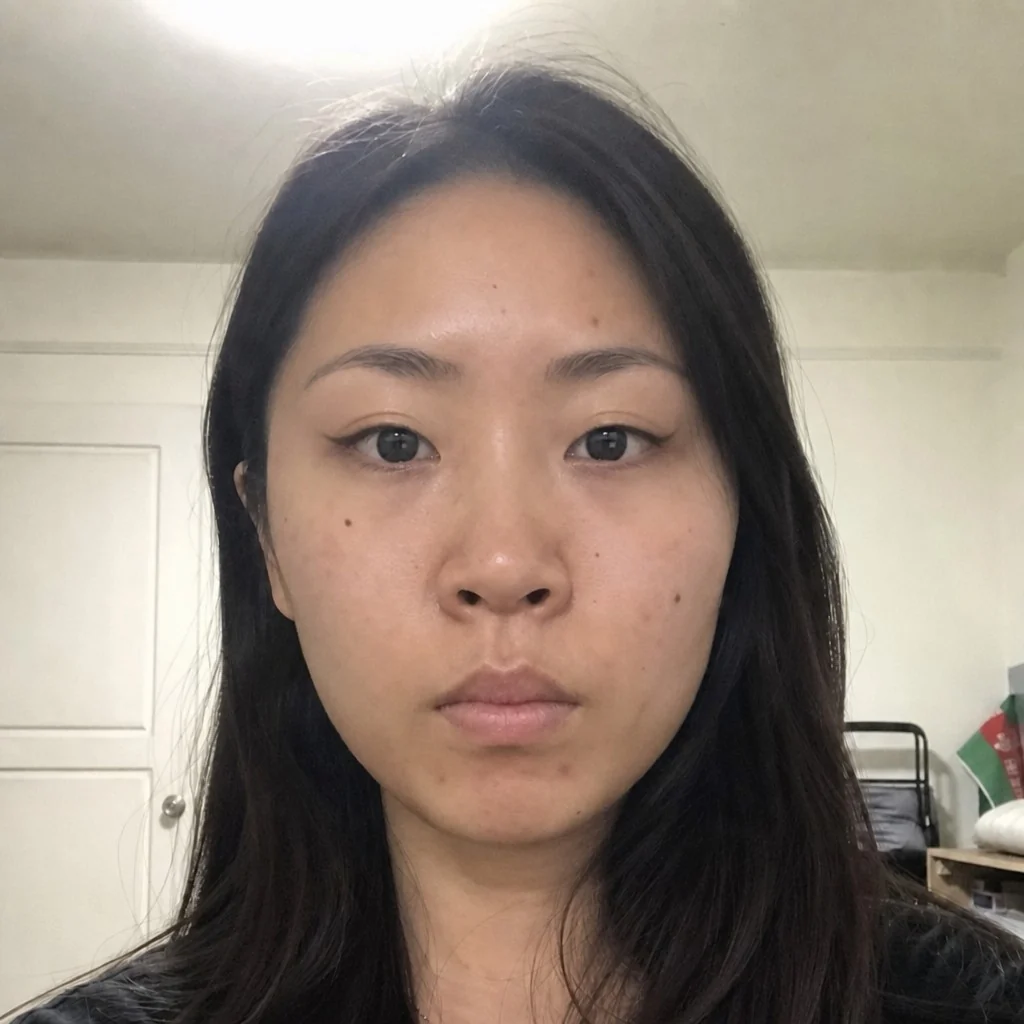
Epicanthoplasty simulator — example render
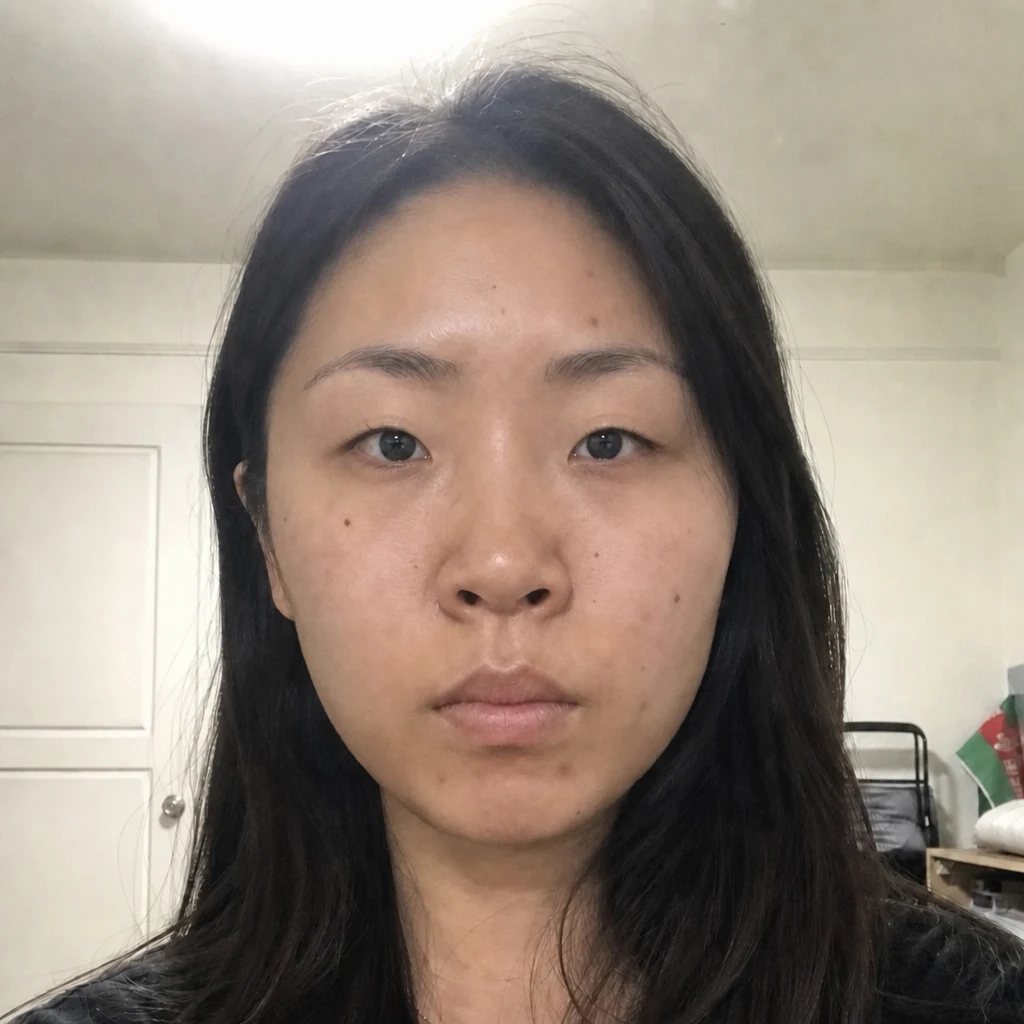
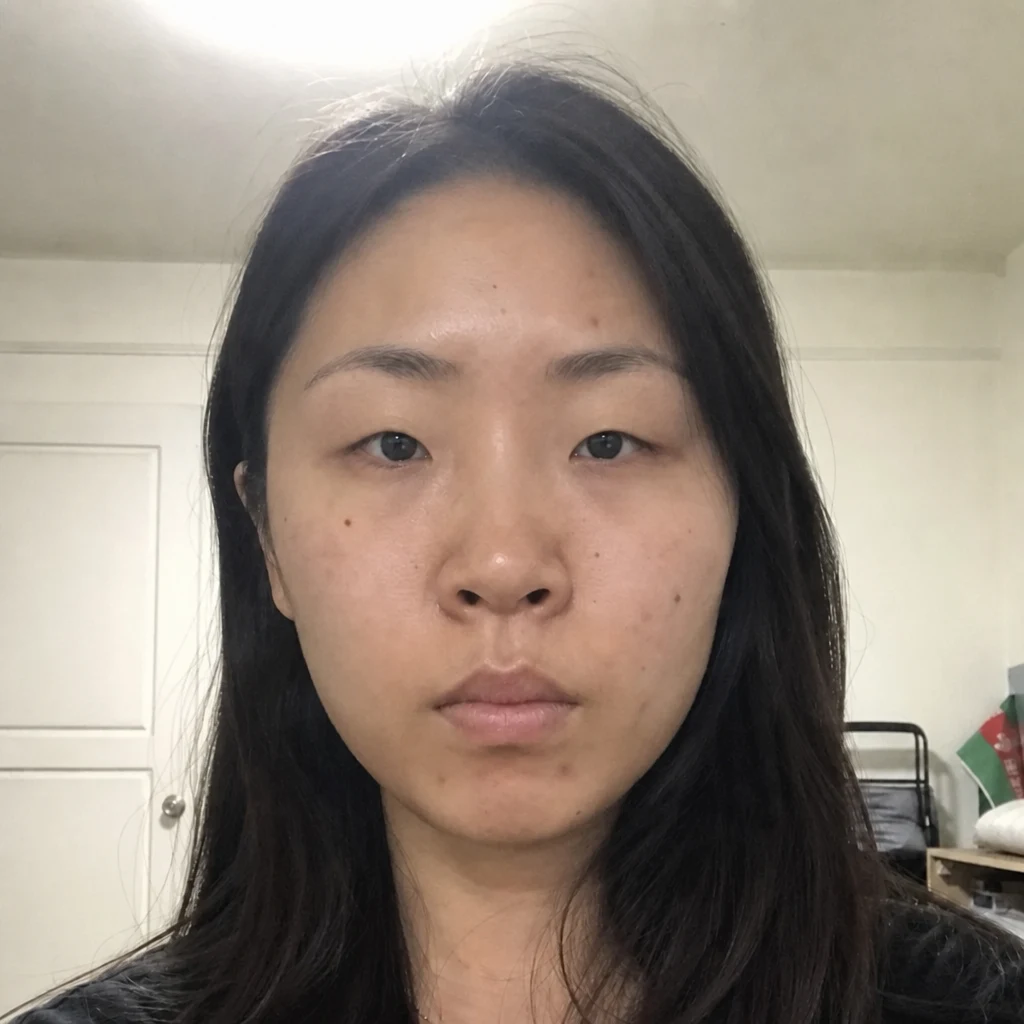
- Type
- Surgical, permanent
- Typical US cost
- Commonly $1,500–$3,500
- Recovery
- Stitches out in about a week
- Main trade-off
- A scar at the inner corner
- Upload one front-facing photo
- The render changes the inner corner of your eyes — and leaves the rest of your face alone
- Compare your before and after side by side
1 render = 1 credit
5 credits $4.99, no subscription · or Starter $7.99/month for 10. The face analysis is free.
What is epicanthoplasty?
The epicanthal fold is a fold of upper-lid skin that curves down over the inner corner of the eye, partly covering the small pink tissue there (the caruncle). It is a normal anatomical feature. It is especially common in people of East Asian descent, occurs in many other populations, and is very common in young children of all backgrounds, often becoming less visible as the nasal bridge develops.
Epicanthoplasty — usually medial epicanthoplasty, since it works at the inner (medial) corner — rearranges or removes part of that fold so more of the inner corner is visible. The eye reads longer horizontally, and the upper-lid crease can run more parallel to the lash line near the nose.
People choose it for different reasons: wanting a longer-looking eye, wanting a crease shape that the fold interrupts, or for ease with makeup. It is sometimes discussed in terms of ethnic identity; many surgeons describe the aim as a subtle change within the person's own features, and conservative release is emphasized for that reason as much as for scarring.
Types of epicanthal fold
| Type | Where the fold starts |
|---|---|
| Epicanthus tarsalis | In the upper-lid crease, fading at the inner corner — the most common type |
| Epicanthus palpebralis | Above the crease, spreading evenly over upper and lower lids |
| Epicanthus supraciliaris | Near the brow, running down to the inner corner |
| Epicanthus inversus | In the lower lid, running up over the inner corner |
Medial epicanthoplasty techniques: Z-plasty, skin redraping and others
| Technique | How it works | Commonly described trade-off |
|---|---|---|
| Z-plasty (including Park's Z epicanthoplasty) | Small triangular skin flaps are transposed to lengthen and release the fold | Reliable release; the scar has a zigzag component |
| Double Z-plasty / multi-flap methods | Several flaps for more prominent folds | More release, more incision length |
| Skin redraping | The fold is released and the skin redraped over the corner, with minimal removal | Scar aimed along natural lines; suited to milder folds |
| V-Y or W-plasty variants | Advances or trims skin in a V or W pattern | Used for specific fold shapes |
Epicanthoplasty with double eyelid surgery
Epicanthoplasty is rarely done on its own. It is commonly combined with double eyelid surgery — the upper-lid crease operation covered on the blepharoplasty page — because the fold at the inner corner and the crease above the eye shape the same visual result. A monolid is a normal eyelid type, and neither procedure is a correction of it.
Epicanthoplasty before and after: what changes
| What changes | Before | After |
|---|---|---|
| Inner corner | Fold covers part or all of the caruncle | More of the inner corner and caruncle visible |
| Eye length | Eye reads shorter horizontally | Eye reads longer, typically by a few millimeters |
| Apparent spacing | Eyes can read further apart | Eyes read slightly closer together |
| Crease near the nose | Crease tucks under the fold | Crease may run more parallel to the lash line |
| Bone and eye position | — | Unchanged |
Because releasing the fold changes how far apart the eyes look, the close-set eyes page explains how that spacing is measured against eye width — and why the visible corner, not the skeleton, drives the impression.
Epicanthoplasty scars: what to expect
The epicanthoplasty scar is the main trade-off, and the reason it is planned conservatively. Upper-lid crease scars usually hide well; the inner corner is less predictable, because the skin there is thicker than lid skin and sits at a curved junction with the nose.
- Early weeks — a pink or red line at the inner corner is expected.
- First months — the scar may feel firm or look raised before it softens; redness commonly fades gradually.
- Around 6–12 months — the scar matures; this is when the result is fairly judged.
- Longer-term — some people are left with a visible line or thickened scar. People prone to thick or raised scars elsewhere are commonly told the risk is higher.
Surgeons may recommend scar care such as silicone gel, sun protection and avoiding rubbing, and can treat a thickened scar with injections or laser if it develops.
Epicanthoplasty recovery
| Time after surgery | What is typically reported |
|---|---|
| Days 1–3 | Swelling and some bruising at the inner corners; cold compresses; mild discomfort |
| Around day 5–7 | Stitches usually removed |
| Weeks 1–2 | Most swelling and bruising settle; many return to work, often with makeup once allowed |
| Weeks 2–12 | Redness at the corner fades gradually; the shape settles |
| Months 6–12 | Scar maturation; final appearance |
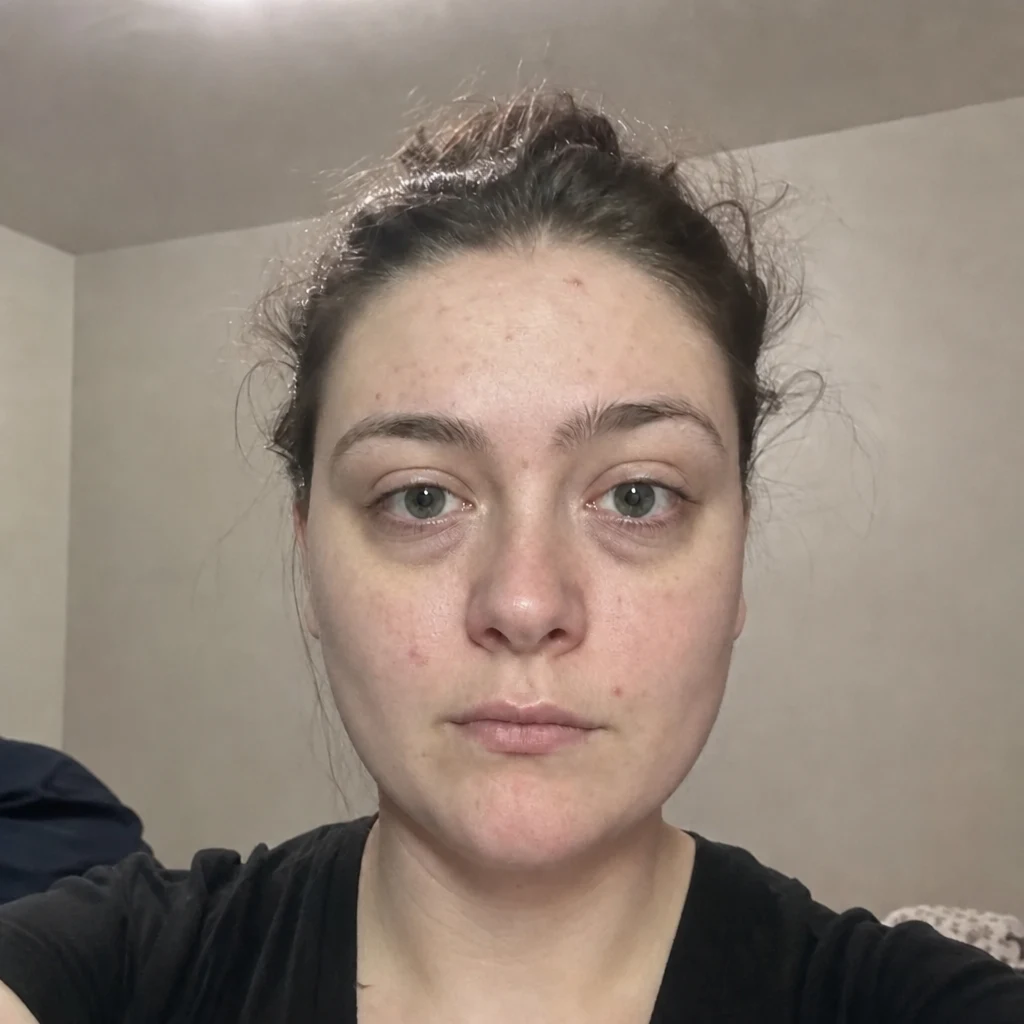
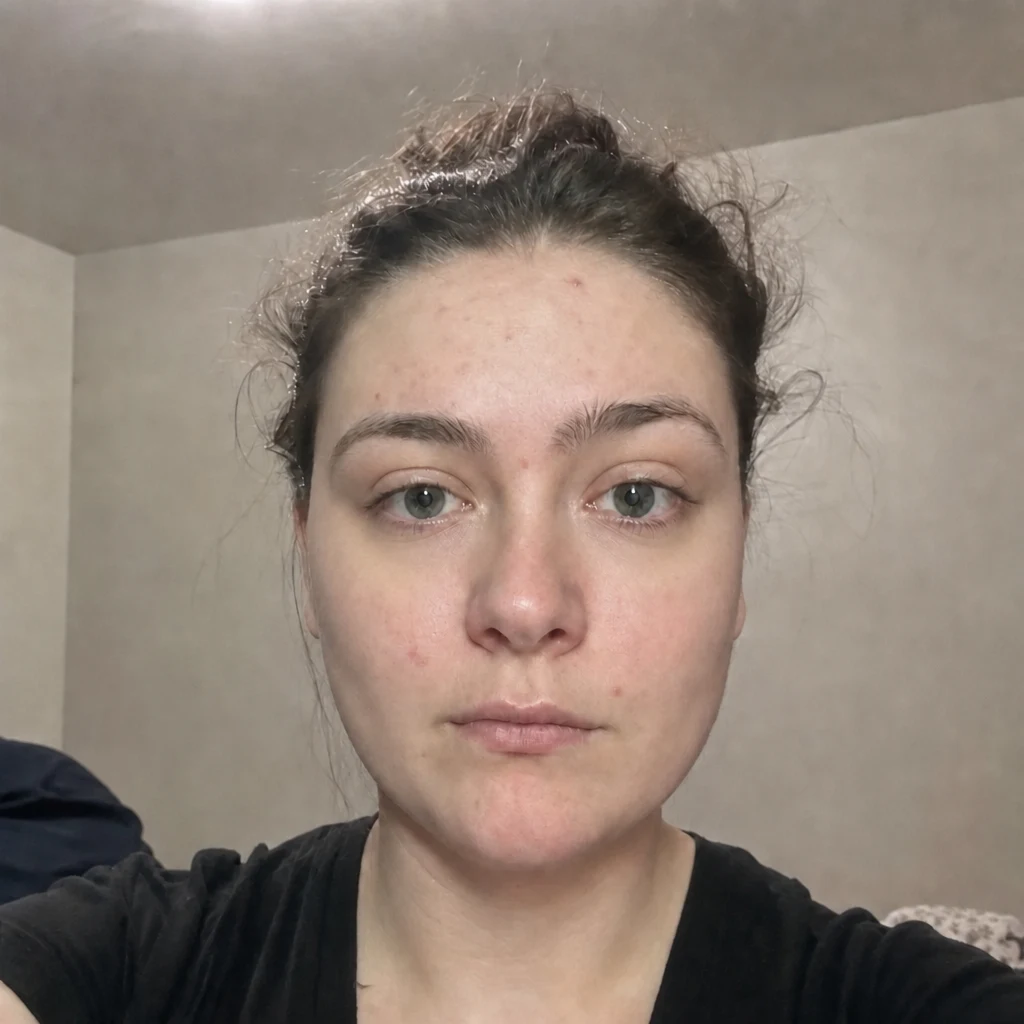
Before — generatedAfter — simulatedSee a epicanthoplasty on your own face
Run this simulationEpicanthoplasty risks and reverse epicanthoplasty
- Visible or thickened scarring at the inner corner.
- Over-correction — too much of the caruncle exposed, which can look unnatural and is difficult to undo.
- Asymmetry between the two corners.
- Webbing or tightness of the skin near the nose.
- Swelling, bruising and infection, usually short-lived.
Reverse epicanthoplasty is a revision operation that rebuilds part of the fold when someone dislikes an over-released inner corner. It exists and is performed, but it is more complex than the original surgery and does not reliably return the corner to exactly how it looked — which is why the amount released the first time matters so much.
Epicanthoplasty cost
Epicanthoplasty is commonly quoted at roughly $1,500–$3,500 in the United States, not counting anesthesia and facility fees when they are billed separately. It is often priced as part of a package with double eyelid surgery, which makes stand-alone figures hard to compare.
Epicanthoplasty cost is also searched heavily for clinics abroad, particularly in South Korea, where the procedure is common. Follow-up for scar care or revision is part of that comparison, since the scar takes months to mature.
Canthoplasty vs epicanthoplasty
The names are close, the operations are not. Epicanthoplasty works on a skin fold at the inner corner and does not touch the tendons. Canthoplasty detaches and repositions the tendon at the outer corner, changing where the corner sits and the canthal tilt. Some clinics use “lateral epicanthoplasty” for outer-corner lengthening; that is a different operation from medial epicanthoplasty, with different risks, and it is worth asking exactly which structures are being changed.
Epicanthoplasty simulator: a more open inner corner on your photo
The epicanthoplasty simulation opens the inner corner of each eye so the eyes read longer and more open, while keeping the character of your eyes. It is a quick way to see how much of the change you actually like before a consultation, and whether a subtler version might be what you want.
The render cannot show the scar, which is the real trade-off, and it does not add or change an eyelid crease. It also cannot tell how much release your fold type allows. Treat it as a picture of direction, not of amount.
See how your eye shape and spacing are measured before thinking about the inner corner.
Check your eye shapeQuestions to ask your surgeon before epicanthoplasty
- Which technique do you plan for my fold type, how much are you releasing, and how do you avoid over-correction?
- Can I see your epicanthoplasty scars at one year, not just at a few weeks?
- If I dislike the result, what would revision or reverse epicanthoplasty involve with your technique?
Alternatives to epicanthoplasty
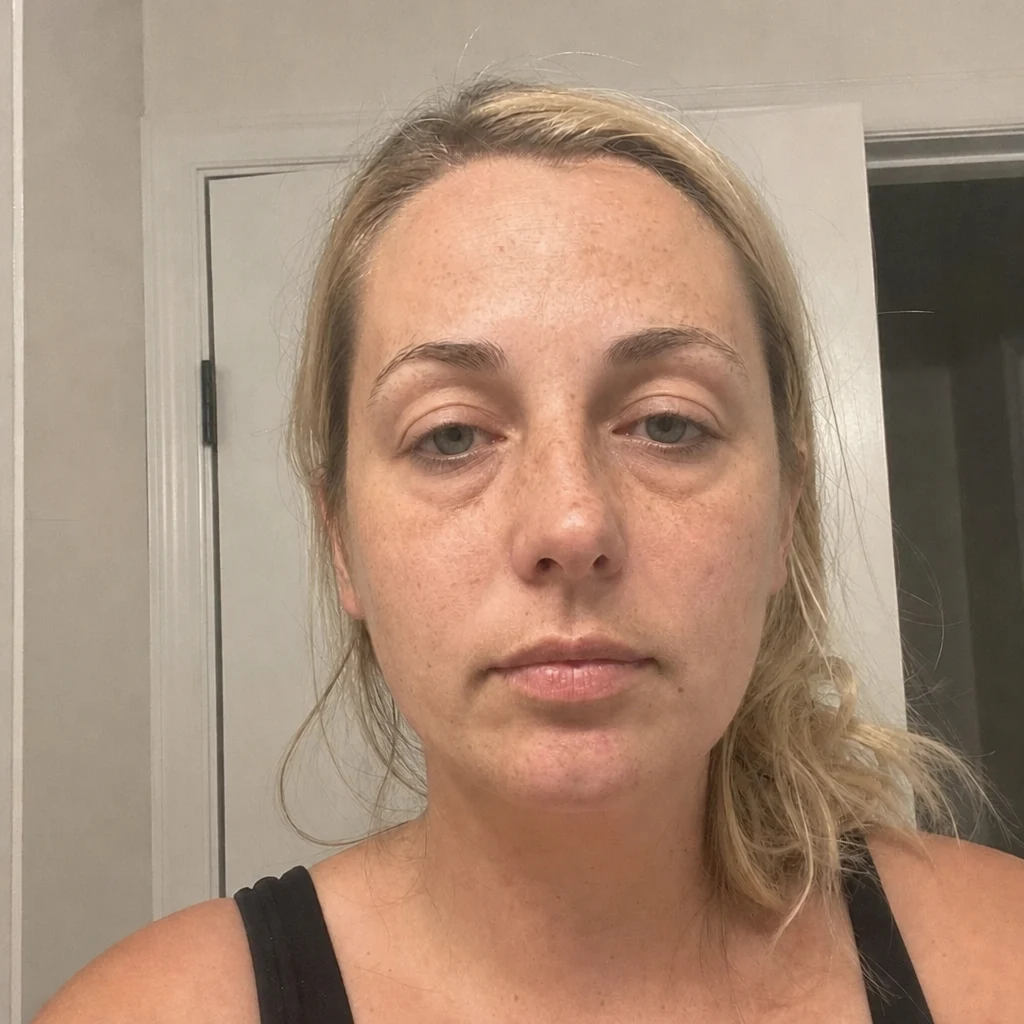
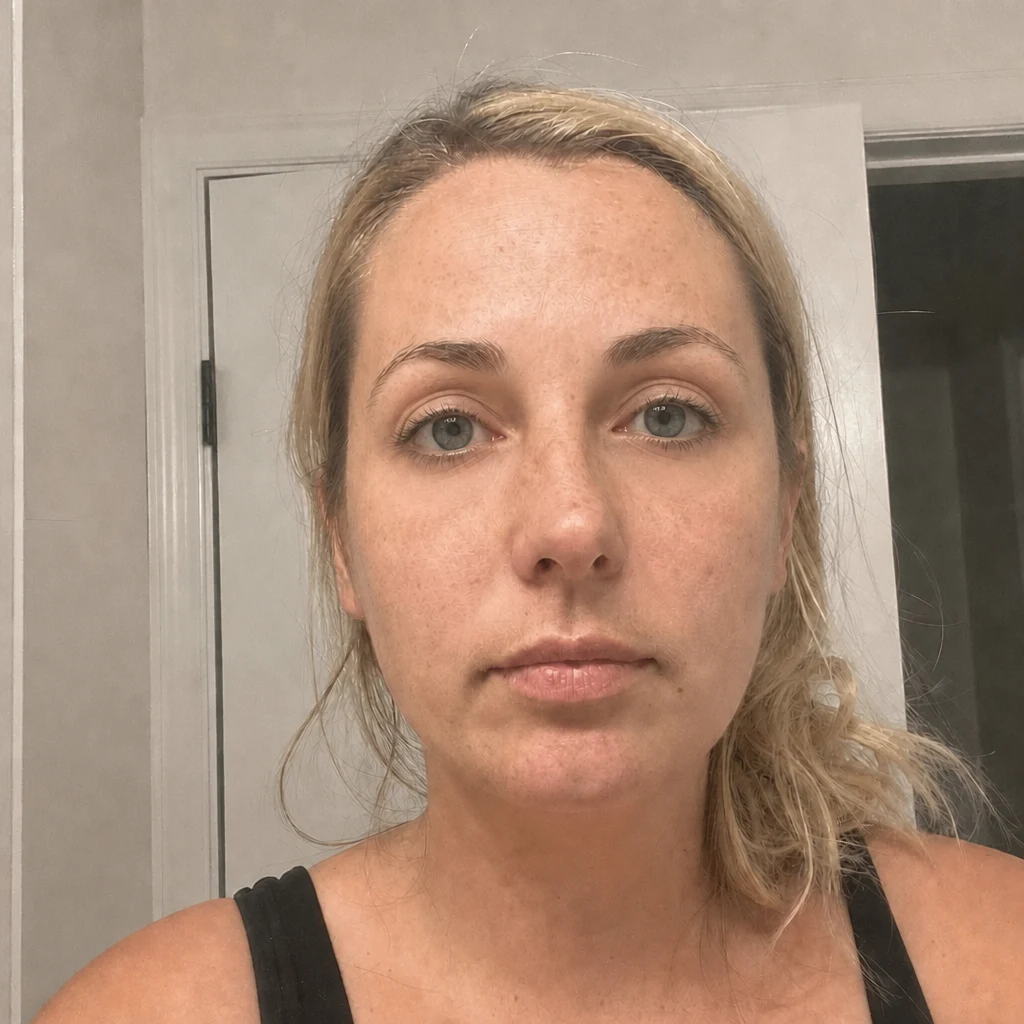
How the epicanthoplasty simulation works
Your photo is analysed for the landmarks that matter to this procedure, and the render changes the inner corner of your eyes while leaving the rest of your face alone. That constraint is the hard part — a generic image model will happily redraw your whole face and hand you a stranger who looks better.
The render exposes more of the inner corner in the frame. It cannot show the scar at the inner corner, which is the recognised trade-off and the reason conservative technique is emphasised.
It is an illustration of a plausible direction, not a prediction of your result and not a medical opinion. What it is genuinely good for is finding out whether you want the change at all — plenty of people render one, find the difference smaller than they imagined, and stop there.
Measure your face before a epicanthoplasty simulation
The free analysis tools measure symmetry, facial proportion and face shape, and tell you which measurements sit outside the reference range. Choosing a procedure from that is a much better starting point than choosing one from a photo you saved.


Epicanthoplasty simulator — frequently asked questions
Is epicanthoplasty permanent?
Yes. The fold is surgically rearranged and does not grow back, though scar appearance keeps changing for months. Undoing it requires a separate revision operation.
Does epicanthoplasty make your eyes bigger?
It makes them look longer by exposing more of the inner corner. The eyeball, the socket and the distance between the eyes are unchanged, and the vertical opening is not what it changes.
Is epicanthoplasty painful?
It is usually described as mild discomfort, tightness and soreness at the inner corners for a few days, managed with cold compresses and mild pain relief. It is commonly done under local anesthesia, sometimes with sedation or general anesthesia when combined with other eyelid surgery.
Will people be able to tell I had epicanthoplasty?
Early on, the stitches and redness are visible. Once healed, a conservative release often reads as a natural-looking corner; an over-released corner or a thick scar is what tends to be noticed.
Can epicanthoplasty be done without double eyelid surgery?
Yes, but it is less common. Many surgeons assess the fold and the upper-lid crease together, because changing one affects how the other reads.
Is the epicanthoplasty simulator free?
The face analysis is free and needs no account. A rendered simulation costs credits because it runs on a GPU — $4.99 buys five and does not require a subscription.
How accurate is an AI epicanthoplasty simulation?
It is an illustration of a plausible outcome, not a prediction of your result. Real outcomes depend on your anatomy, the facial plastic surgeon and how you respond. Treat it as a conversation starter for a consultation, not a promise.
Do you keep my photo?
The free measurements never leave your browser. A simulation does send the photo to a rendering service, which is why it asks for explicit consent first, and you can delete the result from your dashboard at any time.
Can I show this to a facial plastic surgeon?
Yes, and that is the most useful thing to do with it. Bringing a picture of the direction you want is far more precise than describing it in words.
Other eyes & brows simulations


This page is not medical advice and we are not clinicians. A simulation cannot tell you whether a procedure is appropriate for you, what it costs, or what the risks are. Those questions belong with a qualified facial plastic surgeon.