Canthoplasty Before and After: What It Changes, and a Preview on Your Face
Canthoplasty detaches the tendon at the corner of the eye and reattaches it in a new position. It is the more powerful of the two canthal operations and the one with more that can go wrong — and the same word is used for several different procedures. Here is what each version does, what recovery and cost look like, and a render of a lifted outer corner on your own photo.
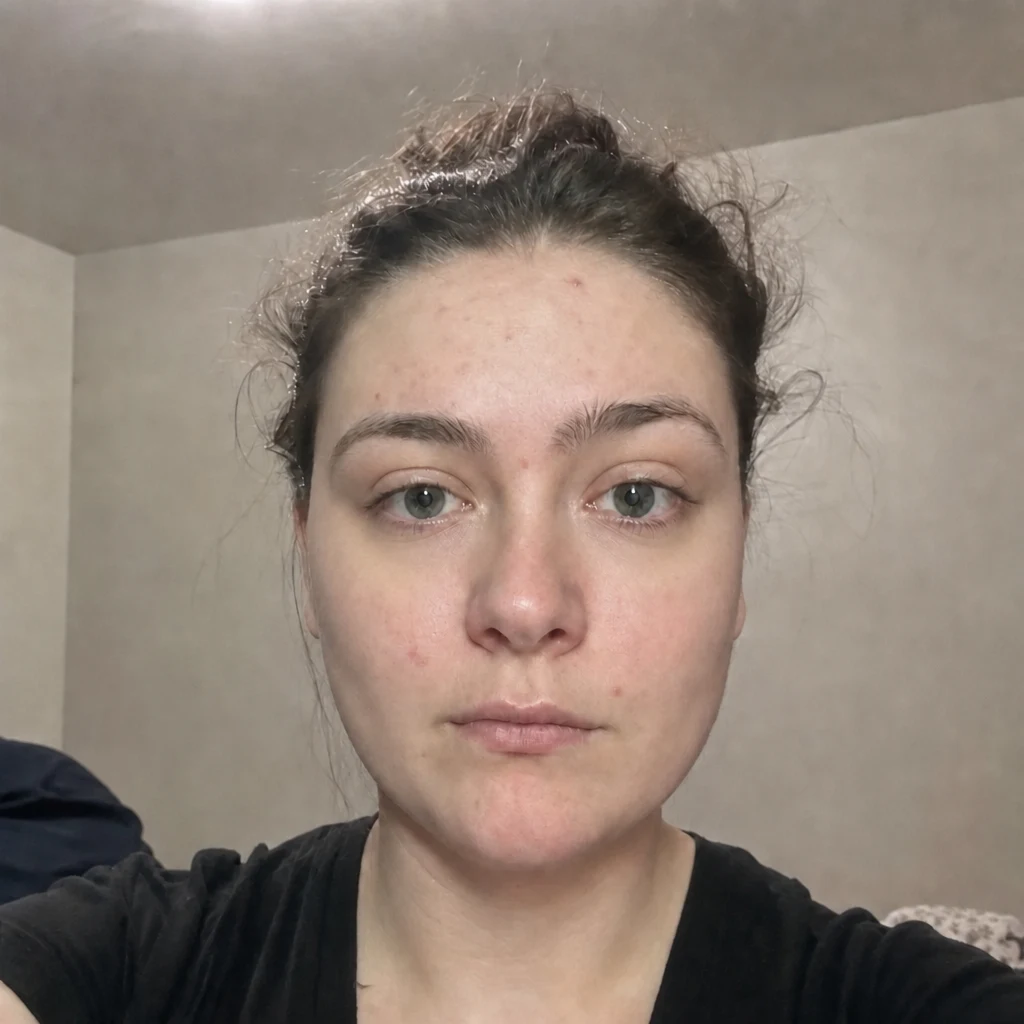
Canthoplasty (Bella Eyes) simulator — example render
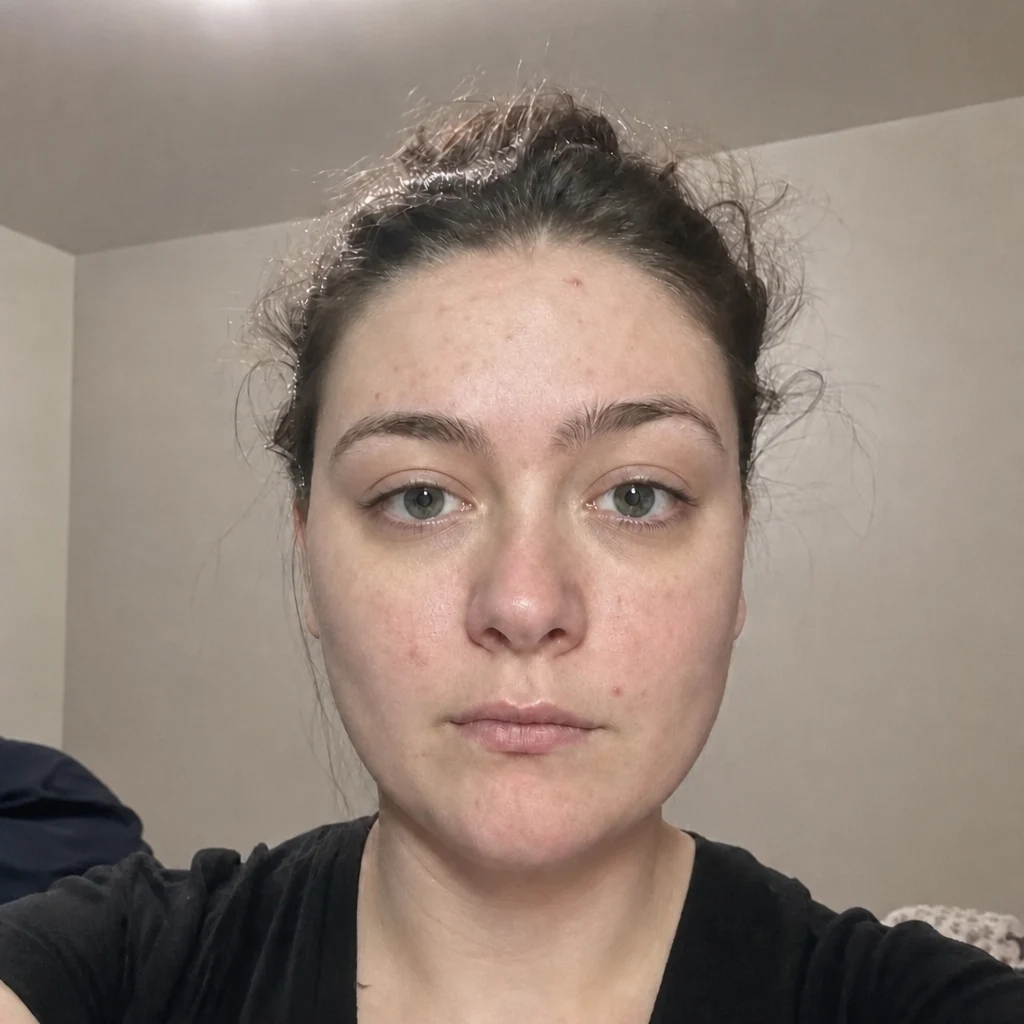
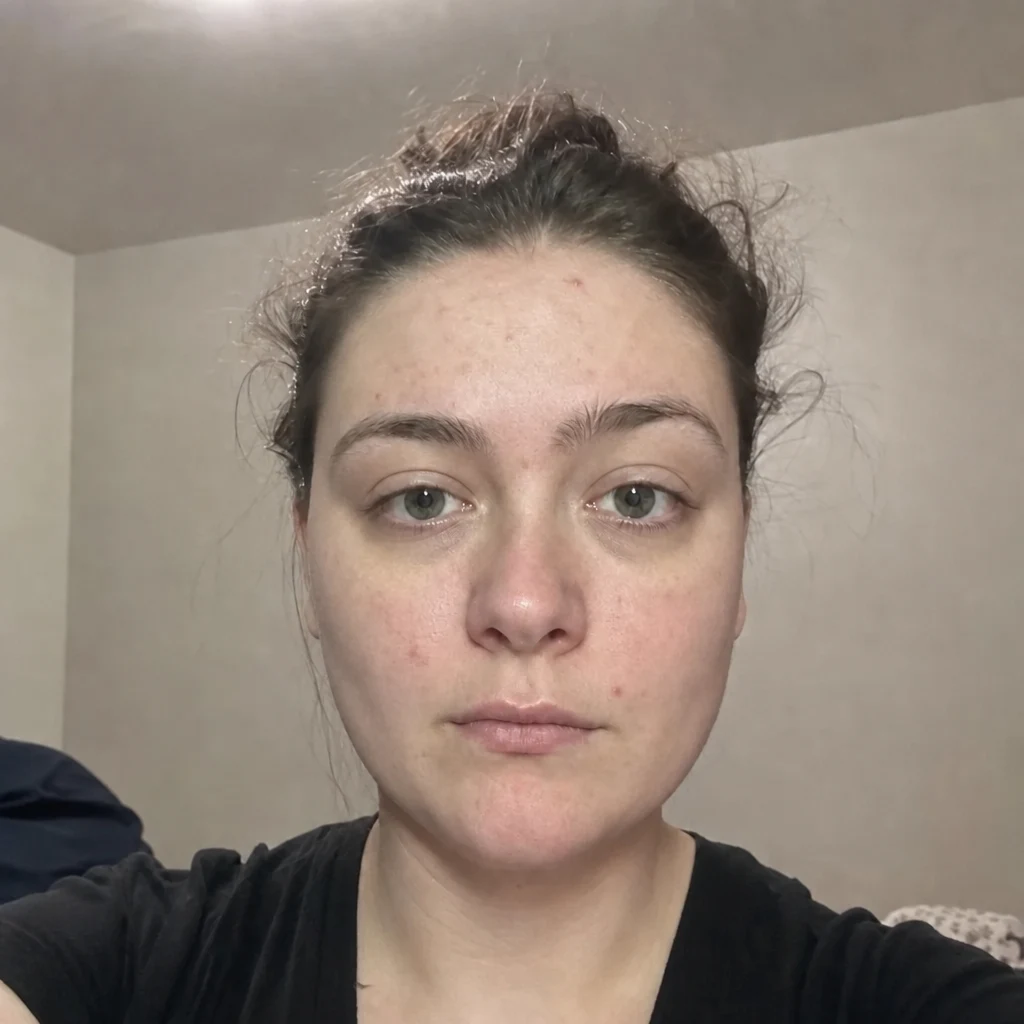
- Type
- Eyelid surgery; tendon detached and reattached
- Typical US cost
- Roughly $3,000–$7,000
- Recovery
- 2–4 weeks; shape settles over months
- How long it lasts
- Long-lasting
- Upload one front-facing photo
- The render changes the tilt of your outer eye corners, by reattaching the lateral canthal tendon higher — and leaves the rest of your face alone
- Compare your before and after side by side
1 render = 1 credit
5 credits $4.99, no subscription · or Starter $7.99/month for 10. The face analysis is free.
What is canthoplasty?
The corners of the eye are anchored by small tendons — the lateral canthal tendon at the outer corner, the medial at the inner. In a canthoplasty the surgeon releases the tendon, then reattaches it to the bone of the eye socket, tightened and often at a different height. That is what separates it from a canthopexy, which tightens the tendon without detaching it.
It is done for medical and cosmetic reasons. Cleveland Clinic lists lower lids that sag, turn outward (ectropion) or inward (entropion), eyes that do not close fully and injury among the medical ones; cosmetic reasons include tightening a sagging lid, evening out asymmetric corners and changing the tilt or shape of the eye. The American Society of Plastic Surgeons (ASPS) notes it is also marketed as "cat eye surgery", because it can lengthen the eye opening while lifting the outer corner.
It is performed under local or general anesthetic and, depending on what is done, takes from about 30 minutes to a few hours. It is frequently combined with lower eyelid surgery.
Lateral canthoplasty, medial canthoplasty and lower canthoplasty
The same word covers operations that move the eye corner in opposite directions. Before comparing photos or quotes, it is worth knowing which one is being discussed.
| Version | Which corner | Typical aim |
|---|---|---|
| Lateral canthoplasty (lifting) | Outer | Tighten a lax lower lid and raise the outer corner — the "cat eye" or almond look |
| Lateral canthoplasty (lengthening) | Outer | Extend the eye opening outward so the eye reads wider; common in Korean cosmetic practice |
| Lower canthoplasty | Outer part of the lower lid | Lower the outer lower lid for a larger, softer-looking eye — the opposite direction to a lift |
| Medial canthoplasty | Inner | Reshape or reposition the inner corner; overlaps with epicanthoplasty in cosmetic work |
Lateral canthoplasty
The version most people mean in the United States: the outer tendon is reattached tighter and usually higher, supporting the lower lid and changing the outer corner's angle. In East Asian cosmetic surgery, lateral canthoplasty often refers instead to lengthening the eye outward, which does little to the tilt.
Medial canthoplasty
Surgery on the inner corner. Reconstructive versions treat injury or an abnormally wide gap between the inner corners; cosmetic versions overlap with releasing the fold over the inner corner, covered on the epicanthoplasty page.
Lower canthoplasty
The outer part of the lower lid is lowered so more of the eye shows below the iris, making the eye look larger and gentler. It works against a lifted, angled look — and because it increases the white shown beneath the iris, lower lid position is the thing surgeons discuss most carefully with it.
Canthoplasty vs canthopexy: which is better?
Neither is better in general; they solve different amounts of problem. A canthopexy supports a corner that is already near the desired position, with a shorter recovery and lower risk. A canthoplasty can reposition the corner and is more durable, because the tendon is structurally reattached rather than held by sutures — ASPS describes it as offering more dramatic and lasting change with a higher risk profile and longer recovery. Surgeons generally use the smaller operation where it is enough.
If what you want is a lifted brow tail and temple rather than a moved eye corner, neither may be the relevant operation; the fox eye lift page compares the thread and brow-based routes.
Bella eyes and canthoplasty: a nickname, not a procedure
"Bella eyes" is a social media nickname for a lifted, almond-shaped outer eye with a clear upward tilt. It is not a medical term, no surgeon offers a procedure by that name, and it says nothing about how any particular person's eyes came to look the way they do. The simulation on this page carries the name because people search for the look by it; the operation that changes the outer corner's position is a lateral canthoplasty.
Canthoplasty before and after: how to read the photos
Canthoplasty galleries are dominated by best cases, and the operation is one where the less flattering cases are the informative ones. When you look at canthoplasty before and after photos:
- Look at the lower lid, not just the corner. A good result keeps the lower lid against the eye. White showing beneath the iris that was not there before (scleral show) is a result, not a lighting effect.
- Check the corner itself. A sharp corner that has become rounded or webbed is a recognized problem and is easy to miss at thumbnail size.
- Timing. The eye shape settles over one to three months. Photos at one week show swelling; photos at three to six months show the result.
- Head angle and gaze. Chin down and eyes up lifts the outer corner in any photo; both frames should be straight on at eye level.
- Which version. A lengthening canthoplasty and a lifting one look nothing alike. Ask which was done.
Canthoplasty before and after in men
The procedure is the same. What changes is how visible a strong upward angle is: on a face with a straighter, lower brow, an over-angled corner can read as operated on. Male canthoplasty results worth studying are the ones where you cannot quite say what changed.
Before — generatedAfter — simulatedSee a canthoplasty (bella eyes) on your own face
Run this simulationCanthoplasty recovery and scar
| Stage | What is commonly reported |
|---|---|
| First week | Swelling and bruising around the eye, tightness at the corner, blurred vision from ointment; sutures out or dissolving |
| Two weeks | Most bruising and swelling gone; the corner can still look tight or high |
| Two to four weeks | Cleveland Clinic's range for full recovery from the procedure |
| One to three months | Eye shape settles; this is when the result can be judged |
| Up to a year | The corner scar matures and fades |
The canthoplasty scar sits at the outer corner of the eye, usually hidden in a natural crease or laugh line and commonly faint once mature. It is still a scar: redness can last months, and how visible it becomes varies from person to person.
Canthoplasty risks: why it is not a small tweak
Canthoplasty operates on the structure that holds the lower lid against the eye, so its complications affect how the eye works, not only how it looks. Documented risks include:
- Lower lid malposition — the lid pulling down or away from the eye, with more white showing below the iris
- Dry eye, irritation or difficulty closing the eye fully
- Asymmetry between the two corners
- Rounding, blunting or webbing of the outer corner
- Over- or under-correction of the tilt
- Visible scarring, bleeding and infection
- Revision surgery, which is more complex because the tendon has already been moved
This is why oculoplastic training comes up so often around this operation: eyelid function is the specialty, and a cosmetic corner change is still eyelid surgery.
Canthoplasty cost and price in the United States
Canthoplasty is commonly quoted at roughly $3,000–$7,000 in the United States. The price of a canthoplasty is rarely stand-alone, because it is so often combined with other eyelid work.
| Cost factor | Why it moves the price |
|---|---|
| One side or both, which version | A lifting lateral canthoplasty, a lengthening one and a lower canthoplasty are priced differently |
| Combined procedures | Adding blepharoplasty raises the total but shares anesthesia and facility fees |
| Anesthesia | General anesthesia costs more than local with sedation |
| Surgeon training | Oculoplastic and facial plastic surgeons commonly charge more |
| Cosmetic or medical | Lid repair for ectropion or exposure is assessed differently from a cosmetic change |
| Location | Lower prices advertised abroad are part of why the cost term is searched; quotes rarely include revision |
Canthoplasty simulator: the tilt change on your own eyes
The canthoplasty simulation tilts the outer corners of your eyes upward into a lifted almond shape with a positive canthal tilt, on your own photo, without changing the rest of your face. It answers the first question worth answering before any consultation: does a lifted corner actually suit your face, or did it only suit the faces you saved?
It does not show the lower lid position, the corner scar, or any of the complications above, and it moves the corner as easily as a filter does — which surgery does not. Measure your current angle with the canthal tilt test first; the negative canthal tilt page explains why a downward tilt is common, ordinary anatomy, and the hunter eyes test covers the wider set of traits people usually mean when they bring a tilt target.
Get the outer-corner angle of each eye in degrees before looking at what changing it would take.
Measure your canthal tiltQuestions to ask your surgeon before canthoplasty
- Which version are you proposing — a lifting or lengthening lateral canthoplasty, or a canthopexy — and why is the bigger operation needed for my eyes?
- How often do you see lower lid malposition, corner rounding or dry eye in your own patients, and how would you correct each?
- Are you oculoplastic-trained, how many canthoplasties do you perform a year, and what does a revision involve if the result is not what we planned?
Alternatives to canthoplasty (bella eyes)




How the canthoplasty (bella eyes) simulation works
Your photo is analysed for the landmarks that matter to this procedure, and the render changes the tilt of your outer eye corners, by reattaching the lateral canthal tendon higher while leaving the rest of your face alone. That constraint is the hard part — a generic image model will happily redraw your whole face and hand you a stranger who looks better.
The render moves the corner in a photograph. What it cannot show is the complication profile — lid malposition, changes in eye shape and dry eye are documented, and this is a procedure where the downside case matters as much as the upside.
It is an illustration of a plausible direction, not a prediction of your result and not a medical opinion. What it is genuinely good for is finding out whether you want the change at all — plenty of people render one, find the difference smaller than they imagined, and stop there.
Measure your face before a canthoplasty (bella eyes) simulation
The free analysis tools measure symmetry, facial proportion and face shape, and tell you which measurements sit outside the reference range. Choosing a procedure from that is a much better starting point than choosing one from a photo you saved.


Canthoplasty (Bella Eyes) simulator — frequently asked questions
Are canthoplasty results permanent?
Long-lasting. Because the tendon is reattached rather than held by sutures, results are more durable than a canthopexy, and Cleveland Clinic describes them as permanent — although the surrounding eyelid tissue keeps aging, and occasionally a repeat procedure is needed later.
How invasive is canthoplasty?
More than a canthopexy. It is outpatient eyelid surgery under local or general anesthetic, with a small incision at the corner, but it involves releasing and reattaching the tendon that holds the lid in place, and full recovery is commonly quoted at two to four weeks.
Does canthoplasty make eyes bigger?
Some versions can make them look bigger. A lengthening lateral canthoplasty extends the eye opening outward and a lower canthoplasty shows more eye below the iris; a lifting canthoplasty mainly changes the angle. Making the eye look larger also means showing more white, which is where complications start.
Is canthoplasty high risk?
It carries a higher risk profile than canthopexy, and its complications — lid malposition, dry eye, corner rounding — affect eye comfort and function as well as appearance. There is no reliable published complication or "botch" rate to quote, which is a good reason to ask surgeons for their own numbers.
Can canthoplasty be reversed?
Not simply. Revision is possible, but the tendon has already been detached and repositioned, scar tissue has formed, and returning to the original corner position is not straightforward.
Is canthoplasty the fix for a negative canthal tilt?
It is one of the two operations that change that angle. A negative tilt is also common, ordinary anatomy with no health significance, and the negative canthal tilt guide on this site covers what the measurement does and does not mean before surgery comes into it.
Is the canthoplasty (bella eyes) simulator free?
The face analysis is free and needs no account. A rendered simulation costs credits because it runs on a GPU — $4.99 buys five and does not require a subscription.
How accurate is an AI canthoplasty (bella eyes) simulation?
It is an illustration of a plausible outcome, not a prediction of your result. Real outcomes depend on your anatomy, the oculoplastic surgeon and how you respond. Treat it as a conversation starter for a consultation, not a promise.
Do you keep my photo?
The free measurements never leave your browser. A simulation does send the photo to a rendering service, which is why it asks for explicit consent first, and you can delete the result from your dashboard at any time.
Can I show this to an oculoplastic surgeon?
Yes, and that is the most useful thing to do with it. Bringing a picture of the direction you want is far more precise than describing it in words.
Other eyes & brows simulations


This page is not medical advice and we are not clinicians. A simulation cannot tell you whether a procedure is appropriate for you, what it costs, or what the risks are. Those questions belong with a qualified oculoplastic surgeon.