Canthopexy Before and After: What Changes, and How It Looks on You
A canthopexy tightens the tendon at the outer corner of the eye without cutting it. The change is measured in millimeters, it is often done to support the lower lid rather than to reshape the eye, and it is not the same operation as a canthoplasty. Here is what it realistically changes, what recovery looks like and what it costs — plus a render of a lifted outer corner on your own photo.
Canthopexy simulator — example render


- Type
- Eyelid surgery; tendon tightened, not cut
- Typical US cost
- Roughly $2,000–$5,000
- Recovery
- 1–2 weeks of swelling and bruising
- How long it lasts
- Long-lasting; can loosen modestly
- Upload one front-facing photo
- The render changes the tilt of your outer eye corner — and leaves the rest of your face alone
- Compare your before and after side by side
1 render = 1 credit
5 credits $4.99, no subscription · or Starter $7.99/month for 10. The face analysis is free.
What is a canthopexy?
The outer corner of each eye is held against the eyeball and the bony rim of the eye socket by a small band of tissue, the lateral canthal tendon. In a canthopexy, the surgeon uses sutures to tighten that tendon and fix it to the inside of the orbital rim, often slightly higher, without cutting or detaching it. Almost every cosmetic canthopexy is a lateral canthopexy — the outer corner. Medial (inner-corner) canthopexy exists, but it is a reconstructive operation, usually after injury.
The incision is small and placed at the outer corner, often in a natural crease or through an incision already being made for eyelid surgery. The American Society of Plastic Surgeons (ASPS) describes it as the less invasive of the two canthal procedures, with sutures stabilizing the existing structures rather than rebuilding them.
Canthopexy vs canthoplasty: which does what
The two names differ by one syllable and are frequently used interchangeably in clinic marketing. They are different operations.
| Canthopexy | Canthoplasty | |
|---|---|---|
| What happens to the tendon | Tightened and re-suspended with sutures | Detached, then reattached at a new position |
| Size of change | Small — millimeters of support or lift | Larger — can reposition the corner |
| Usual reason | Mild lid laxity; support during lower eyelid surgery | More significant laxity or deliberate reshaping |
| Durability | Long-lasting, can loosen modestly over time | Durable, because the tendon is structurally reattached |
| Recovery and risk | Shorter recovery, lower risk profile | Longer recovery, higher risk profile |
If the goal is a clearly different corner position, the discussion tends to move toward canthoplasty. If the goal is a softer lift of the whole outer eye and brow tail, it often moves away from eyelid surgery altogether, toward the options on the fox eye lift page.
Why a canthopexy is done
Canthopexy with lower eyelid surgery
This is the most common setting. When skin or fat is removed from the lower lid, the lid can be pulled downward as it heals. A canthopexy at the same time supports the lid while it heals — one surgeon quoted by ASPS describes doing exactly that routinely with lower blepharoplasty.
Lower lid laxity
With age the tendon stretches, and the lower lid can sag, show more white below the iris or begin to turn outward. A canthopexy is one of the ways a mildly lax lid is tightened back against the eye.
Cosmetic canthopexy for an almond eye
Some people ask for it purely to lift the outer corner — the "cat eye" or almond look. It can add a modest lift, and that is the honest limit: a canthopexy supports a corner that is already near the desired position more than it relocates one.
Canthopexy for men
The operation is the same for men and women; what differs is the target shape, which is agreed face by face. The strongly angled almond corner associated with the cosmetic trend is only one option. A subtle corner that does not read as surgery is a different brief — and it happens to match the size of change this operation makes.
Canthopexy before and after: what changes in the photos
A genuine canthopexy before and after is subtle. The outer corner sits a little higher or tighter, the lower lid hugs the eye more closely, and less white may show beneath the iris. Photos showing a dramatically different eye shape usually involve a canthoplasty, other eyelid work, or a very favorable choice of angle.
- Timing. Early photos show a corner that looks over-tightened while swelling settles. Results are more representative at around three months.
- Eye level and head tilt. Chin down and eyes up lifts the outer corner in any photograph.
- Combined procedures. If lower blepharoplasty was done at the same time, most of the visible change may be the lid, not the corner.
- Makeup. Liner along the outer third of the lower lash line shifts the apparent corner by more than the surgery does.
Canthopexy recovery: a typical timeline
| Stage | What is commonly reported |
|---|---|
| First days | Swelling, bruising and tightness at the outer corner; cold compresses and lubricating drops are usual |
| About one week | Sutures removed if they are not dissolvable; bruising fading |
| Two weeks | Most people are presentable with light makeup; the corner may still look tight |
| One to three months | Swelling resolves and the corner settles toward its final position |
Before — generatedAfter — simulatedSee a canthopexy on your own face
Run this simulationCanthopexy risks and side effects
Canthopexy is the smaller of the canthal operations, but it is still eyelid surgery on the structure that holds the lid against the eye. The side effects discussed most often are:
- Asymmetry between the two corners
- A corner that looks too tight or an eye that looks rounder or narrower than planned
- Dry eye or irritation, usually temporary
- Swelling of the white of the eye (chemosis) in the early weeks
- The tightening loosening over time, so the corner drops back
- Lower lid malposition, which may need further surgery
- Visible scarring at the outer corner, usually small
Is canthopexy permanent?
Long-lasting rather than strictly permanent. Because the result depends on sutures holding the existing tendon, ASPS notes it may diminish modestly as those sutures lose tension. Separately, the lid and surrounding tissue keep aging. Canthoplasty is the more durable of the two because the tendon itself is reattached — at the price of a bigger operation.
Canthopexy cost in the United States
A canthopexy is commonly quoted at roughly $2,000–$5,000 in the United States. It is often cheaper as an add-on to lower eyelid surgery than on its own, because much of the cost is shared anesthesia and facility time.
- Stand-alone or combined — added to a blepharoplasty, the incremental price is usually lower.
- Anesthesia — local with sedation costs less than general.
- Surgeon training — oculoplastic and facial plastic specializts commonly charge more for eyelid work.
- Cosmetic or functional — lid repair for a medical problem is assessed differently from a cosmetic lift.
Canthopexy simulator: a lifted outer corner on your photo
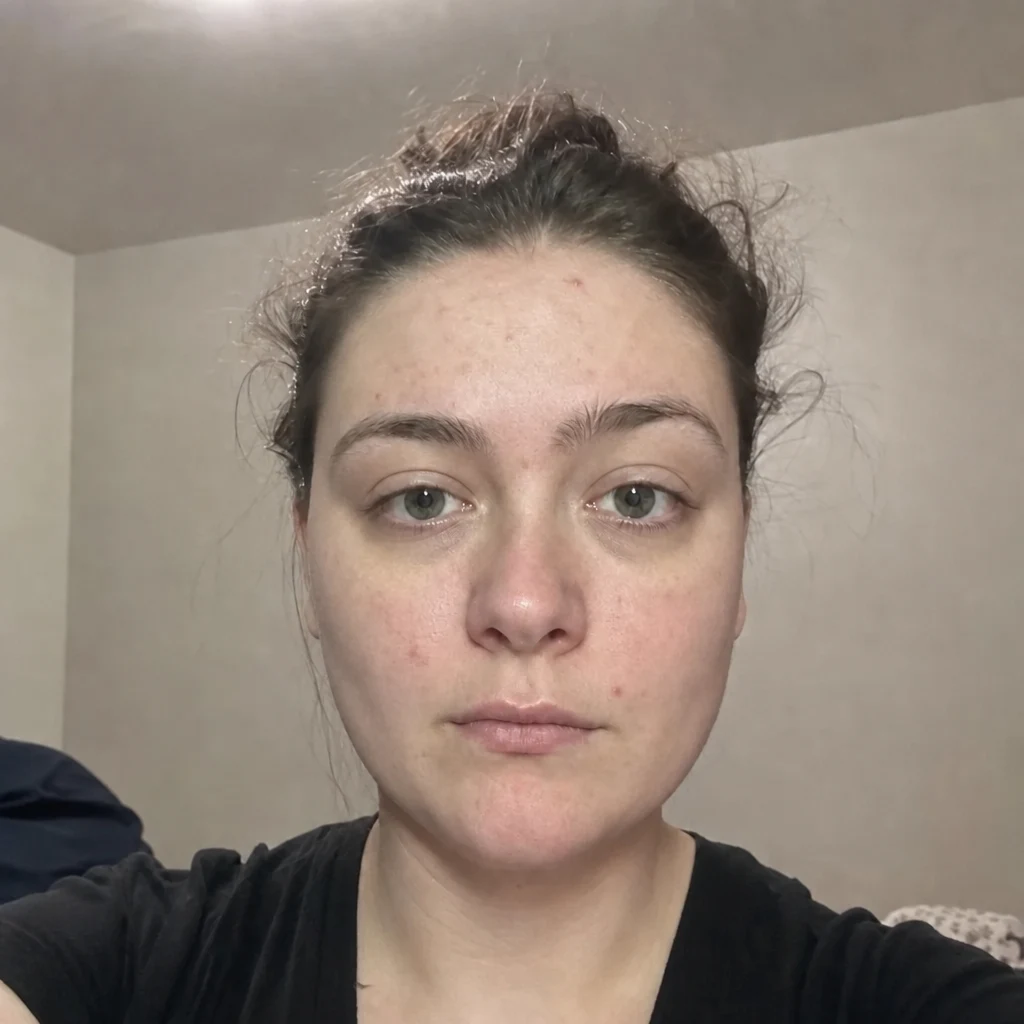
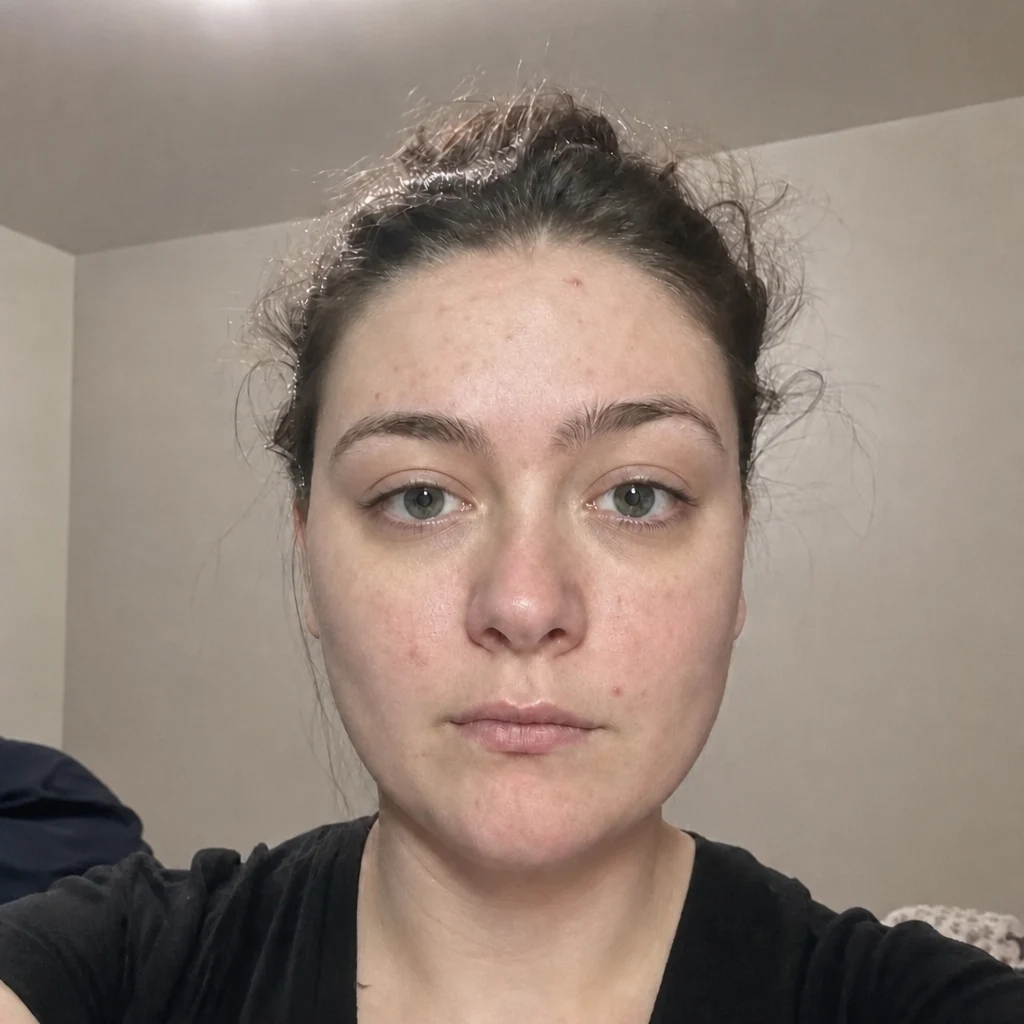
The canthopexy simulation lifts the outer corner of each eye into a positive canthal tilt for a refined almond shape, and leaves the rest of your face alone. It is a way to see whether a slightly lifted corner changes how your eyes read before you book a consultation about it.
Read it with the procedure's size in mind: a render can move the corner further than a canthopexy realistically does, and it cannot show the change in lower lid tension or roundness that surgeons plan around. The canthal tilt test gives your current angle per eye, and the negative canthal tilt page explains why a downward tilt is common, ordinary anatomy.
Get the outer-corner angle of each eye in degrees — the measurement a canthopexy changes by a small amount.
Measure your canthal tiltQuestions to ask your surgeon before a canthopexy
- How many millimeters of corner movement are realistic for my anatomy, and how will that look in photographs?
- Is a canthopexy enough, or are you recommending a canthoplasty — and what is the reason for the bigger or smaller operation?
- How often do you see lid malposition or the corner loosening, and what would correcting it involve?
Alternatives to canthopexy




How the canthopexy simulation works
Your photo is analysed for the landmarks that matter to this procedure, and the render changes the tilt of your outer eye corner while leaving the rest of your face alone. That constraint is the hard part — a generic image model will happily redraw your whole face and hand you a stranger who looks better.
The render raises the outer corner in the frame. It cannot show the small changes to eye shape that follow tightening, which are the part surgeons discuss most carefully.
It is an illustration of a plausible direction, not a prediction of your result and not a medical opinion. What it is genuinely good for is finding out whether you want the change at all — plenty of people render one, find the difference smaller than they imagined, and stop there.
Measure your face before a canthopexy simulation
The free analysis tools measure symmetry, facial proportion and face shape, and tell you which measurements sit outside the reference range. Choosing a procedure from that is a much better starting point than choosing one from a photo you saved.



Canthopexy simulator — frequently asked questions
Is canthopexy a major surgery?
It is usually a short outpatient eyelid procedure, often under local anesthetic with sedation, and it is the less invasive of the two canthal operations. It is still surgery on the lid's supporting structure, so it is not a minor cosmetic touch-up either.
Can canthopexy change eye shape?
Slightly. Tightening the corner can make the eye look a little more almond-shaped, or rounder or narrower if overdone, which is why it is planned conservatively. Large shape changes are not what this operation is for.
How many degrees of tilt can a canthopexy add?
Surgeons describe the change in millimeters of corner position rather than degrees, and it is a small movement. There is no reliable published figure to quote, and a target angle taken from the internet is usually more than the procedure delivers.
What are the benefits of a canthopexy?
Support for a mildly lax lower lid, protection against the lid pulling down after lower eyelid surgery, and a modest lift of the outer corner — with a shorter recovery and lower risk profile than canthoplasty.
Does a canthopexy leave a scar?
There is a small incision at the outer corner, usually placed in a natural crease or within an eyelid surgery incision, and it typically fades well. Scar visibility varies from person to person.
Is the canthopexy simulator free?
The face analysis is free and needs no account. A rendered simulation costs credits because it runs on a GPU — $4.99 buys five and does not require a subscription.
How accurate is an AI canthopexy simulation?
It is an illustration of a plausible outcome, not a prediction of your result. Real outcomes depend on your anatomy, the oculoplastic surgeon and how you respond. Treat it as a conversation starter for a consultation, not a promise.
Do you keep my photo?
The free measurements never leave your browser. A simulation does send the photo to a rendering service, which is why it asks for explicit consent first, and you can delete the result from your dashboard at any time.
Can I show this to an oculoplastic surgeon?
Yes, and that is the most useful thing to do with it. Bringing a picture of the direction you want is far more precise than describing it in words.
Other eyes & brows simulations


This page is not medical advice and we are not clinicians. A simulation cannot tell you whether a procedure is appropriate for you, what it costs, or what the risks are. Those questions belong with a qualified oculoplastic surgeon.