Fox Eye Lift Before and After: See the Look on Your Face First
A fox eye lift is a look, not one operation: a lifted, elongated outer eye and brow tail that clinics produce with threads, toxin, brow surgery or eyelid-corner surgery. Here is what each route actually moves, what it costs and how long it lasts — plus a render of the look on your own photo before you choose one.
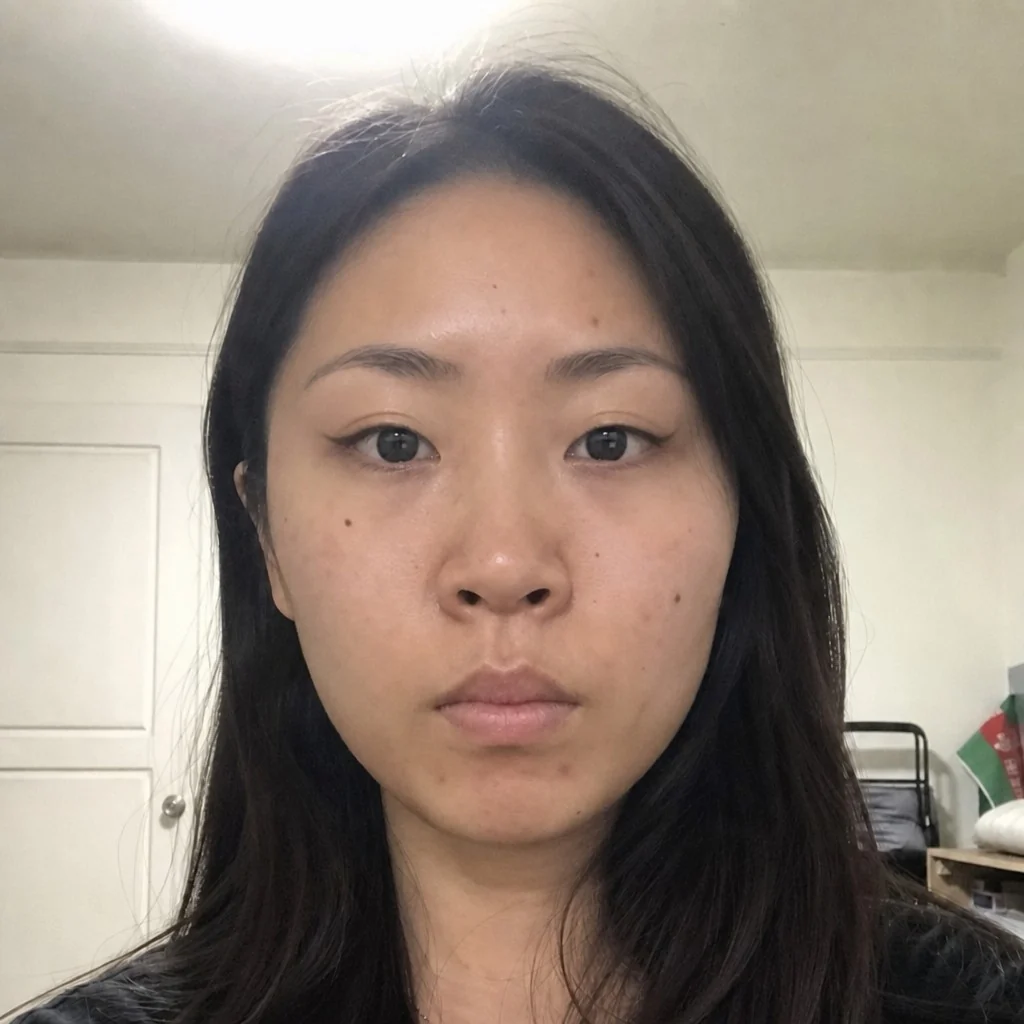
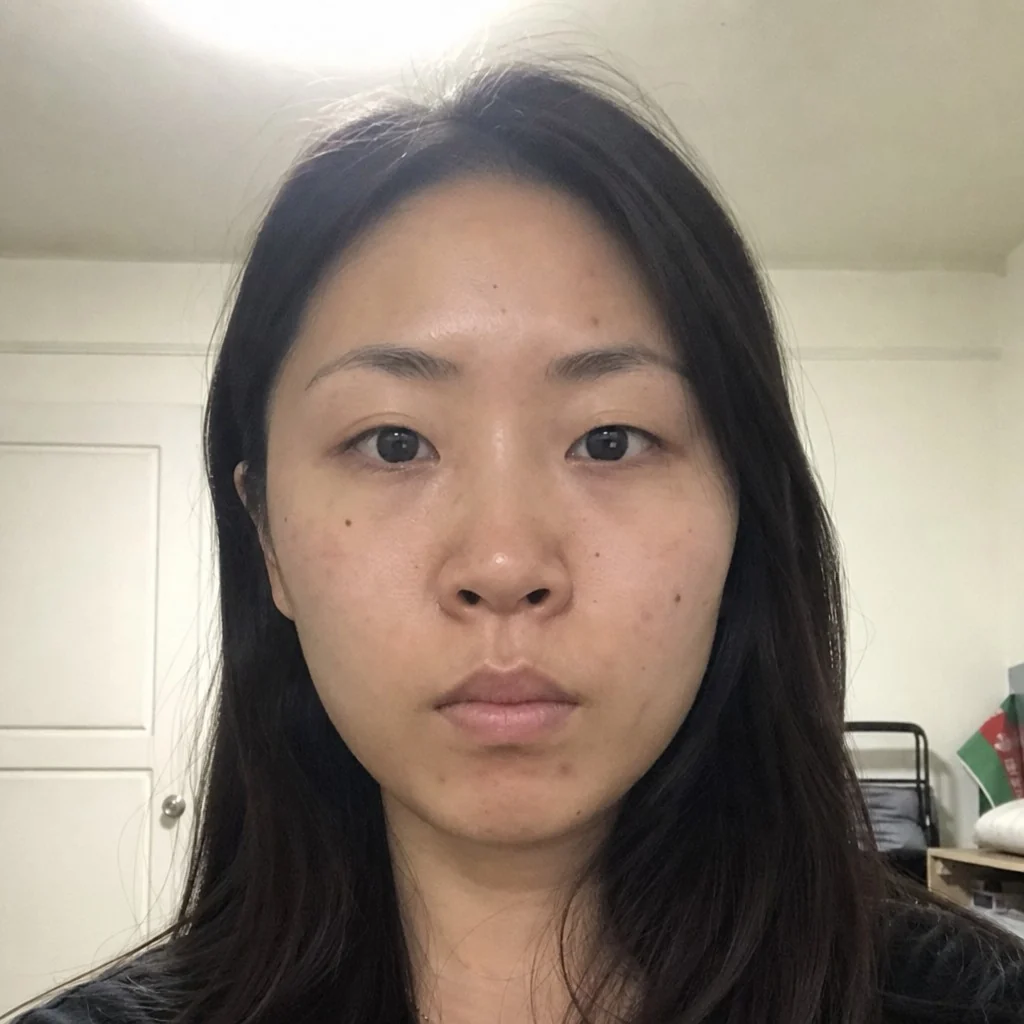
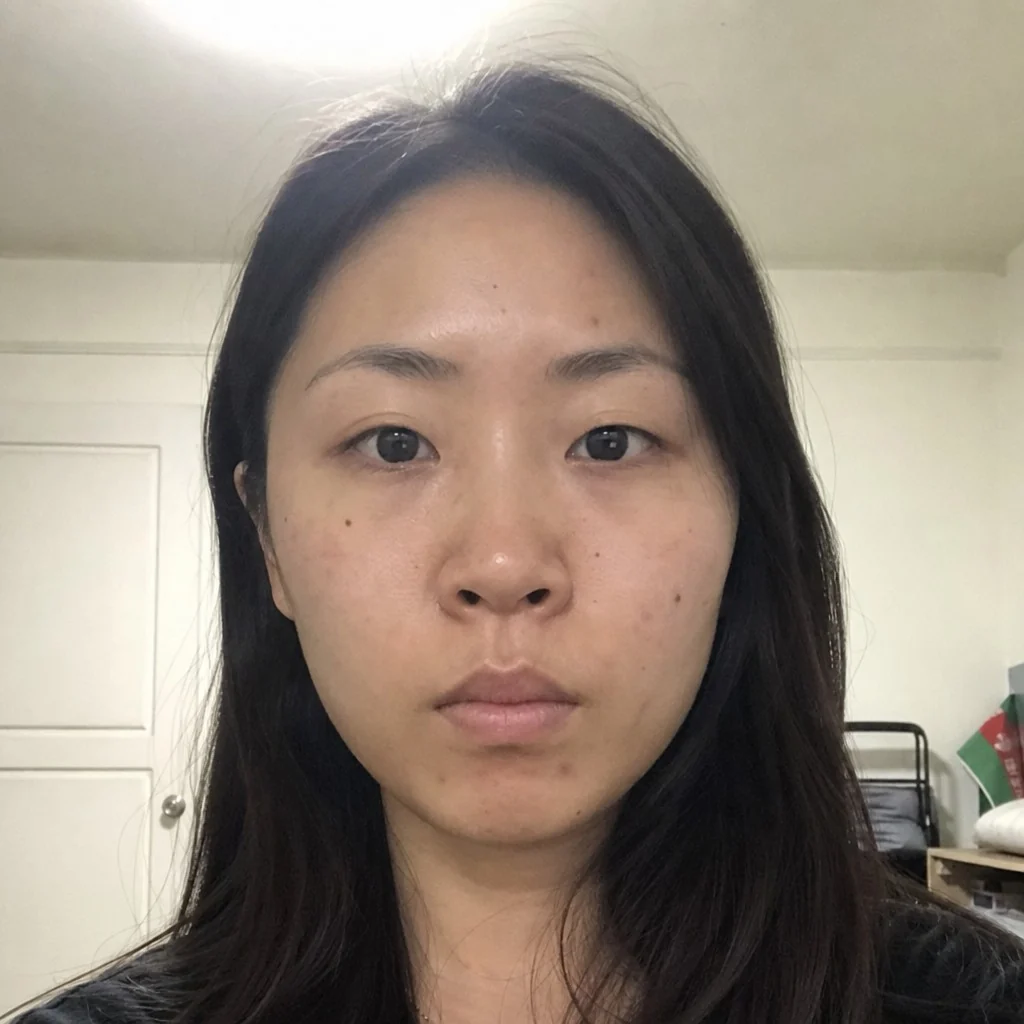
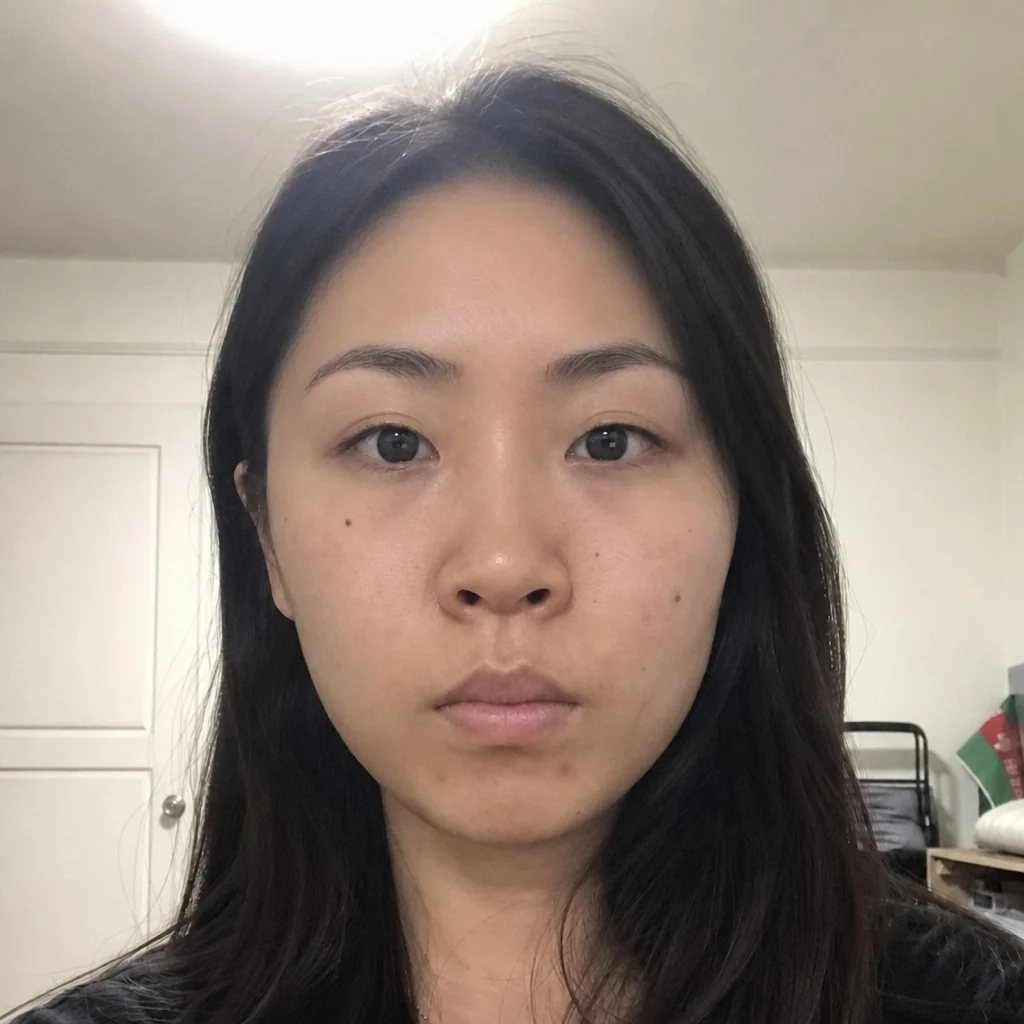
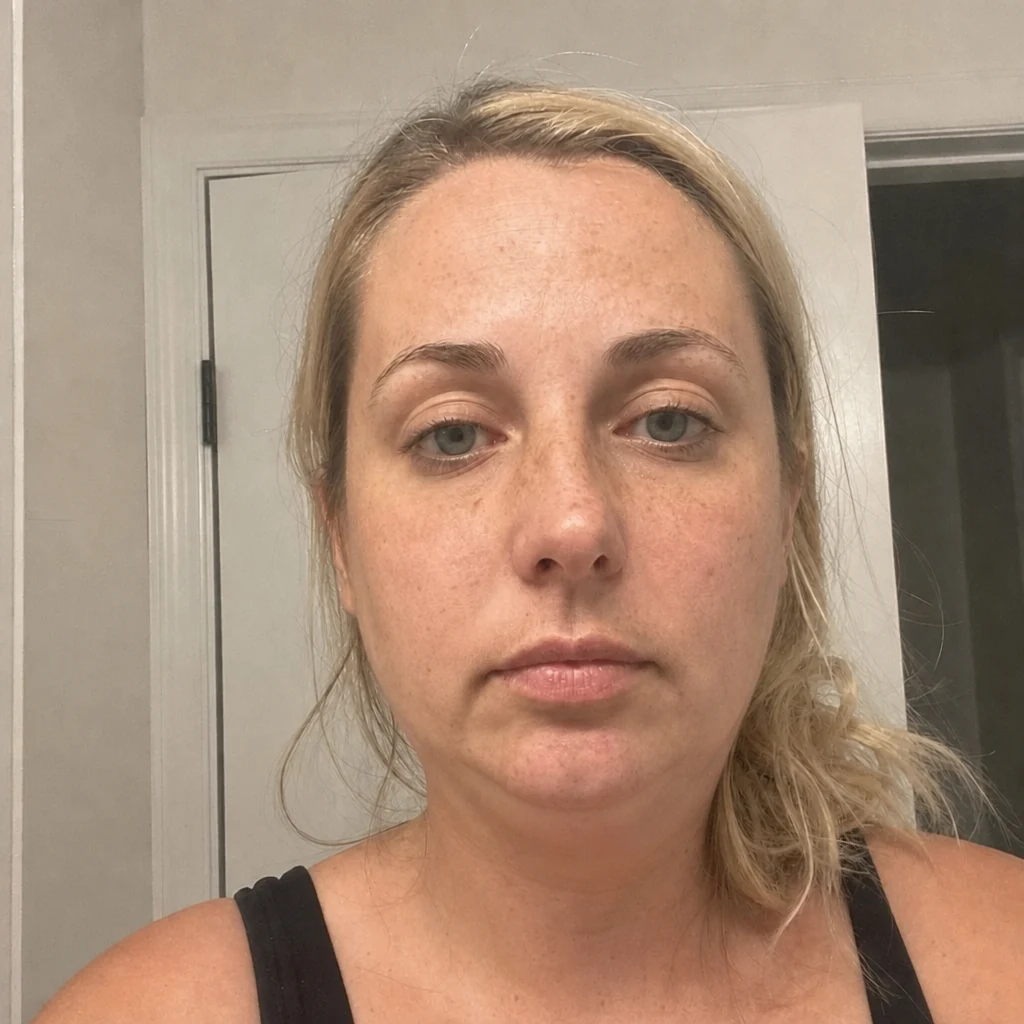
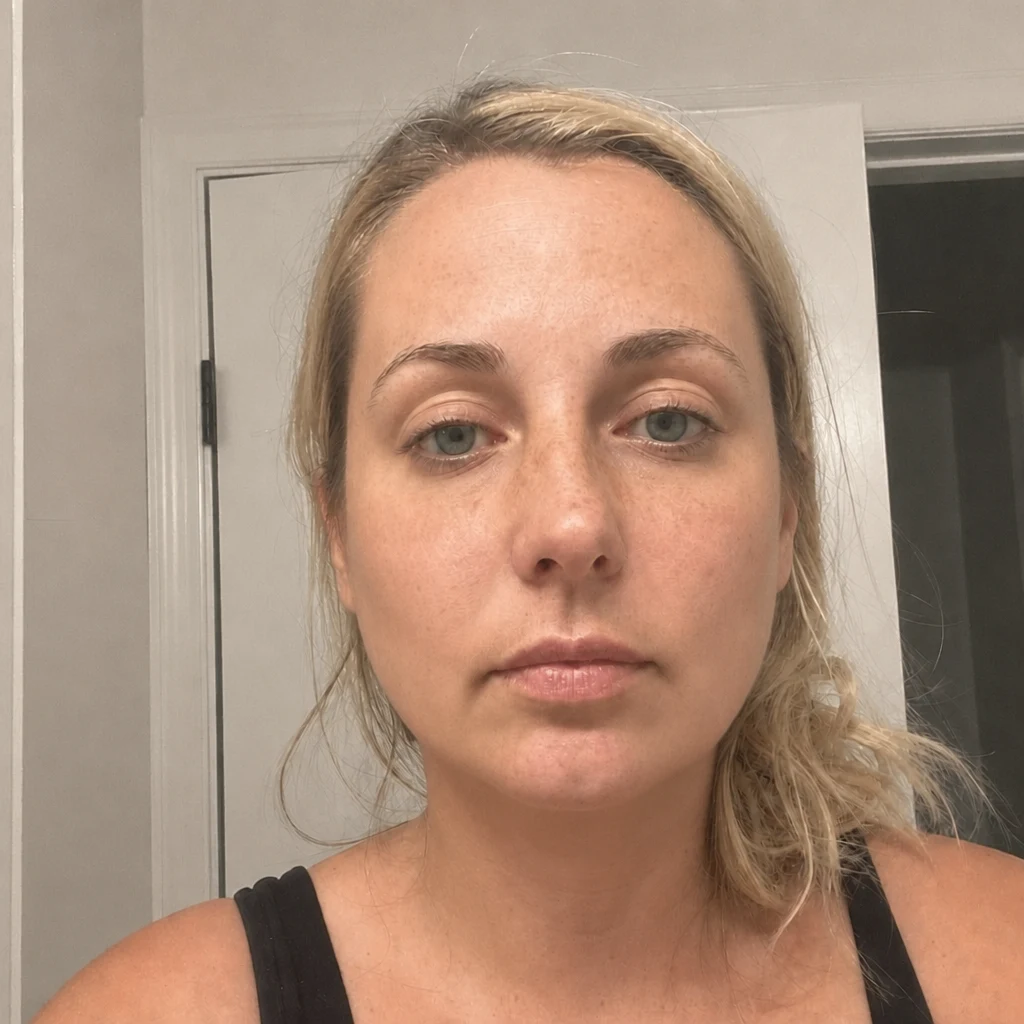
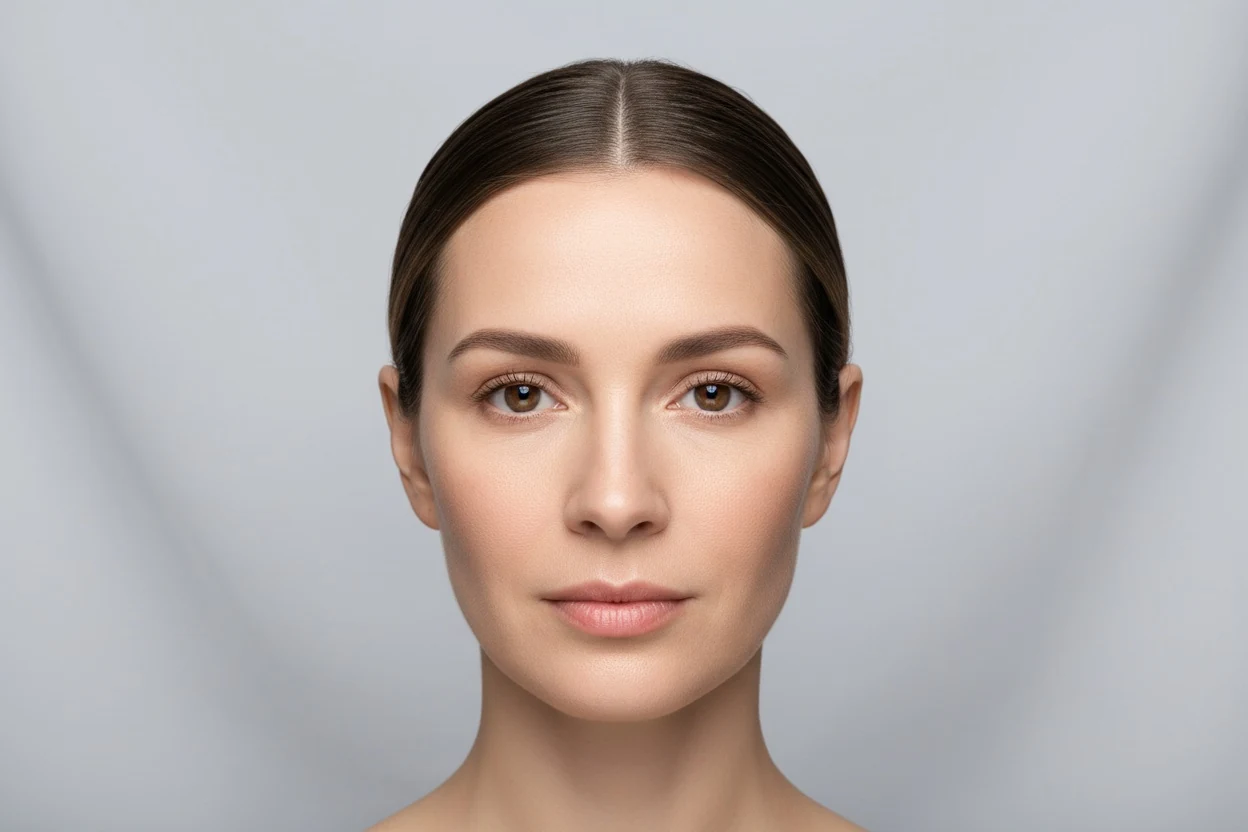
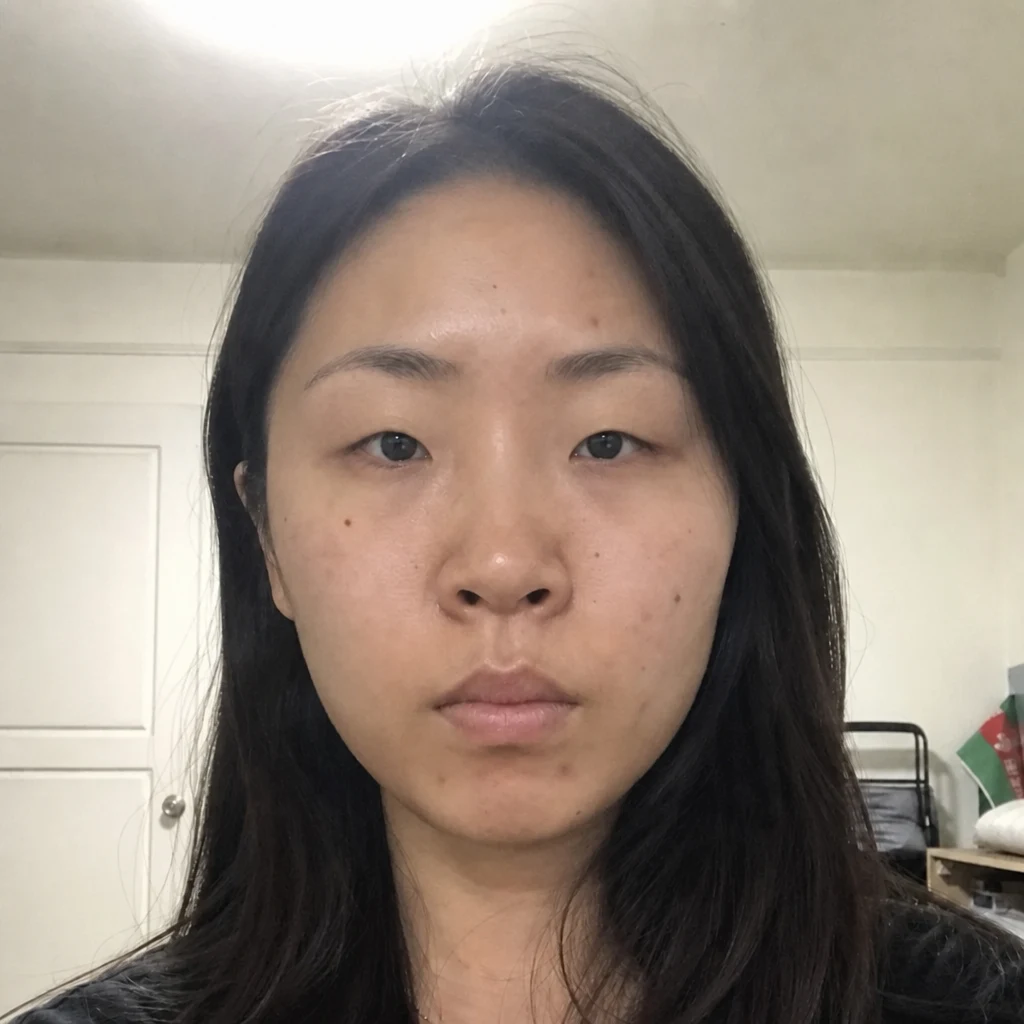
Fox Eye Lift simulator — example render
- What it is
- A trend name for several procedures
- Typical US cost
- Threads ~$1,000–$3,000; surgery from ~$3,000
- How long it lasts
- Threads under a year; surgery long-lasting
- Recovery
- Days for threads, 1–2 weeks for surgery
- Upload one front-facing photo
- The render changes the outer corner angle of your eyes — and leaves the rest of your face alone
- Compare your before and after side by side
1 render = 1 credit
5 credits $4.99, no subscription · or Starter $7.99/month for 10. The face analysis is free.
What is a fox eye lift?
A fox eye lift aims for an upswept, almond-shaped eye: the outer corner and the tail of the brow sit higher, and the eye reads longer and more angled. The name came from social media rather than from surgery — the American Society of Plastic Surgeons (ASPS) quotes surgeons crediting photo filters, which produce the same pulled outer corner, for the trend.
Because "fox eye" describes a result, the procedure behind it varies from clinic to clinic. ASPS describes one surgeon's version as a combination of brow lift, mid-facelift and canthopexy, sometimes with fat grafting and eyelid surgery; others mean a handful of dissolving threads placed at the temple. Both get posted as a fox eye lift before and after, and they differ by years in how long they last and by a wide margin in risk.
Fox eye lift techniques: threads, botox, brow lift or eyelid surgery
Every fox eye technique moves one of three things: the brow tail, the soft tissue at the temple, or the outer corner of the eye itself. Knowing which one a clinic is proposing tells you most of what you need to compare quotes.
| Technique | What it moves | How long it lasts | Typical downtime |
|---|---|---|---|
| Fox eye thread lift | Brow tail and temple tissue, pulled up and out | Commonly quoted under a year | A few days of tightness |
| Fox eye botox | Brow tail, a few millimeters | About three to four months | None |
| Temporal or lateral brow lift | Outer brow and temple, surgically | Long-lasting | One to two weeks |
| Canthopexy | Outer eye corner, tendon tightened | Long-lasting, can loosen | One to two weeks |
| Canthoplasty | Outer eye corner, tendon reattached | Long-lasting | Two weeks visible, months to settle |
Fox eye thread lift
Barbed dissolving threads — usually polydioxanone (PDO) — are passed under the skin from a small entry point near the hairline and anchored so they pull the brow tail and temple upward. It is done under local anesthetic in a clinic appointment. The lift is visible straight away and fades as the threads dissolve and the tissue relaxes, so a thread fox eye is a temporary look by design.
Fox eye botox
Toxin injected into the part of the muscle that pulls the outer brow down lets the brow tail rise slightly. The movement is a few millimeters and lasts as long as the toxin does, so it is the smallest and most reversible version of the look — and a reasonable way to find out whether you like a lifted tail at all. The botox simulation covers the rest of what toxin changes.
Surgical fox eye: brow and canthal surgery
Fox eye surgery usually means a temporal or lateral brow lift through small incisions behind the hairline, sometimes combined with surgery on the outer eye corner. A canthopexy tightens the tendon that holds the corner; a canthoplasty detaches and reattaches it. The corner procedures change eyelid anatomy, which is a very different decision from threads.
Fox eye vs cat eye surgery: is there a difference?
Not a fixed one. ASPS uses "cat eye" and "fox eye" for the same lift, and clinics draw the line wherever suits their menu. Loosely, clinics that separate the two tend to use fox eye for a more elongated, horizontal look driven by the brow tail and temple, and cat eye for a lift concentrated at the outer corner of the eye — which points toward canthal surgery.
The label matters less than the answer to one question: is the eye corner itself being moved, or the tissue around it? If a quote says fox eye or cat eye without naming the procedure in anatomical terms, ask for that first.
Fox eye lift before and after: how to read the photos
Fox eye before and after photos are some of the hardest in cosmetic work to compare honestly, because the result is an angle of a few degrees and almost anything in the photo can change it.
- Timing. A thread lift photographed the same day shows the peak pull, before swelling settles and before the lift starts to relax. Ask for photos at three and six months.
- Head angle. Tilting the chin down and looking up at the camera lifts the apparent outer corner. Both frames should be straight on, at eye level.
- Expression. A slight smile or raised brows lifts the brow tail with no procedure at all.
- Makeup and lashes. Winged liner and lash extensions angled outward create most of the look on their own.
- What was done. Threads, toxin and canthal surgery all appear under the same hashtag. A caption without the procedure name is not comparable to anything.
BeforeAfter — simulatedSee a fox eye lift on your own face
Run this simulationFox eye lift cost in the United States
Thread fox eye lifts are commonly quoted at roughly $1,000–$3,000 in the United States. Surgical approaches start around $3,000 and rise with every procedure added — ASPS notes that a combination of brow lift, mid-facelift and canthopexy costs more than a brow lift alone. Toxin for the brow tail is priced like any other botox area, roughly $200–$600.
| Cost factor | Why it moves the price |
|---|---|
| Threads vs surgery | Threads are an office procedure; surgery adds anesthesia and facility fees |
| Number of procedures | Brow lift plus canthal surgery plus eyelid work is priced as several operations |
| Repeat treatments | Threads and toxin wear off, so the real cost is per year, not per session |
| Surgeon training | Canthal surgery is eyelid surgery; oculoplastic training is commonly priced higher |
| Location | Large-city and overseas pricing differ widely, which is part of why the cost term is searched |
Fox eye lift recovery and side effects
Recovery after threads
Commonly reported: tightness and tenderness at the temples for a few days, and some swelling or bruising. Puckering or dimpling of the skin over a thread, a thread that can be felt or seen, asymmetry between sides and infection are the side effects clinics describe most often; threads can sometimes need to be removed.
Recovery after surgery
Brow surgery follows the usual timeline of one to two weeks of swelling and bruising, with numbness or itching behind the incisions that fades over months. When the eye corner is operated on, dryness, a corner that looks over-tightened early on and, less often, lower lid malposition are documented — the canthopexy and canthoplasty pages cover those in detail.
How long does a fox eye lift last?
It depends entirely on the technique, which is why the question has no single answer. Brow-tail toxin lasts about three to four months. Threads are commonly quoted at under a year, and the trend has outrun the evidence on how long they hold. A surgical brow lift is long-lasting, although the brow keeps descending with age from its new position. Canthal surgery is long-lasting too; a canthopexy can loosen modestly over years as the sutures lose tension.
Fox eye lift simulator: see the look on your own face
The fox eye simulation lifts and elongates the outer corners of your eyes and raises the brow tails into the upswept almond shape, on your own photo, with the rest of your face unchanged. It is the fastest way to see whether the look suits your face — plenty of faces that suit it in a filter look pulled with it in a still photo.
What it cannot show is which technique produced the lift. A thread result and a canthal result look similar in a render and nothing alike in durability or risk. The canthal tilt test measures your current outer-corner angle for each eye, which is the number this look changes, and the upturned eyes page explains what that shape is when it occurs naturally.
See your outer-corner angle in degrees for each eye — the measurement a fox eye lift is trying to change.
Measure your canthal tiltQuestions to ask your surgeon before a fox eye lift
- Which procedure are you proposing in anatomical terms — threads, toxin, a brow lift, or surgery on the eye corner — and why that one for my face?
- How long does your version last in your own patients, and what does keeping the result cost per year?
- What happens if it looks uneven or wears off unevenly, and what does a correction involve?
Alternatives to fox eye lift


How the fox eye lift simulation works
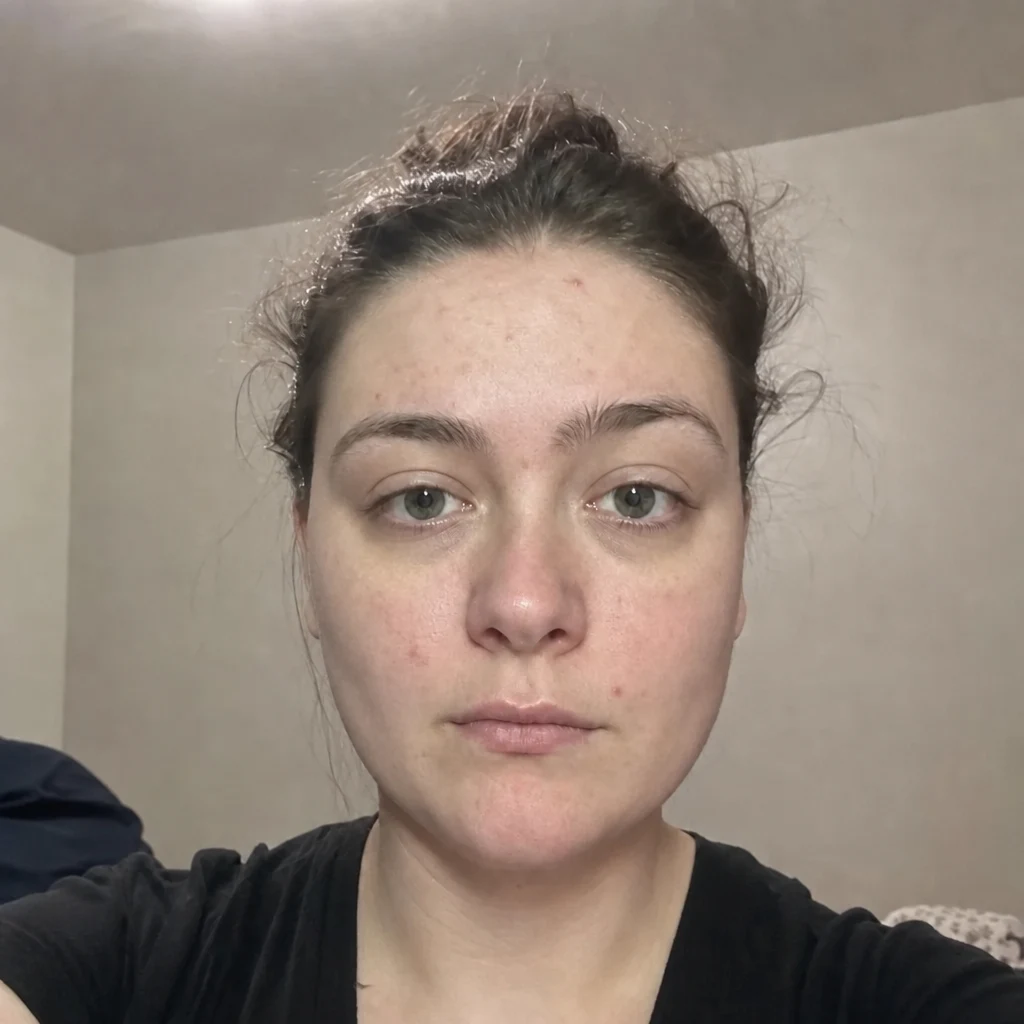
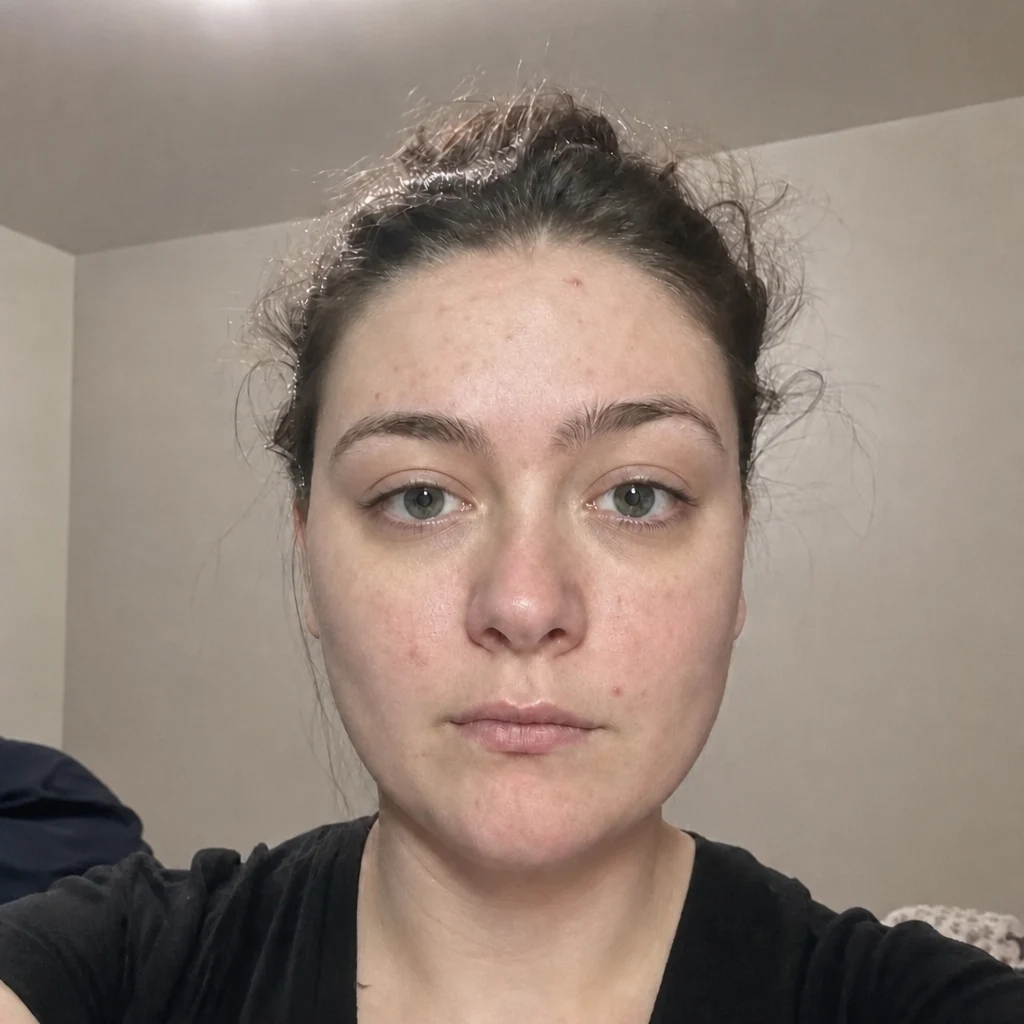
Your photo is analysed for the landmarks that matter to this procedure, and the render changes the outer corner angle of your eyes while leaving the rest of your face alone. That constraint is the hard part — a generic image model will happily redraw your whole face and hand you a stranger who looks better.
The render lifts the outer eye in the frame. It cannot show you which technique produced the lift, and the techniques differ enormously in durability and risk — a render flatters all of them equally.
It is an illustration of a plausible direction, not a prediction of your result and not a medical opinion. What it is genuinely good for is finding out whether you want the change at all — plenty of people render one, find the difference smaller than they imagined, and stop there.
Measure your face before a fox eye lift simulation
The free analysis tools measure symmetry, facial proportion and face shape, and tell you which measurements sit outside the reference range. Choosing a procedure from that is a much better starting point than choosing one from a photo you saved.


Fox Eye Lift simulator — frequently asked questions
Is a fox eye lift worth it?
It depends on which one. Threads and toxin are a relatively low-commitment way to try the look, with the trade-off that they wear off. Surgery lasts, but it is real surgery — and for canthal procedures, eyelid surgery — for a trend-driven look. Many people find a render or makeup tells them enough before either.
Are fox eye threads permanent?
No. PDO threads dissolve, and the lift relaxes as they do. Thread lifts in this area are commonly quoted at several months to about a year.
Is a fox eye lift the same as a canthoplasty?
No. Canthoplasty is a defined eyelid operation that detaches and reattaches the outer corner tendon. Fox eye is a look that canthoplasty is sometimes one part of, alongside threads, toxin and brow surgery.
Can makeup or lash extensions give the fox eye look?
For photographs, largely yes. A winged liner that extends the lower lash line upward, lashes mapped longest at the outer corner and a brow tail drawn slightly higher recreate most of the angle. The upturned eyes page on this site covers the placement.
Can a fox eye thread lift be undone?
Threads dissolve on their own, and a misplaced thread can sometimes be removed, particularly early on. Surgical results are not simply undone — revision is another operation.
Who is a fox eye lift usually considered for?
In the ASPS article on the trend, a surgeon describes his most common patients as women in their mid-30s to late 40s who have noticed descent and hollowing around the cheeks and brow, with younger patients asking too. Suitability is a consultation question, and the approach changes with what is actually sitting low.
Is the fox eye lift simulator free?
The face analysis is free and needs no account. A rendered simulation costs credits because it runs on a GPU — $4.99 buys five and does not require a subscription.
How accurate is an AI fox eye lift simulation?
It is an illustration of a plausible outcome, not a prediction of your result. Real outcomes depend on your anatomy, the facial plastic surgeon and how you respond. Treat it as a conversation starter for a consultation, not a promise.
Do you keep my photo?
The free measurements never leave your browser. A simulation does send the photo to a rendering service, which is why it asks for explicit consent first, and you can delete the result from your dashboard at any time.
Can I show this to a facial plastic surgeon?
Yes, and that is the most useful thing to do with it. Bringing a picture of the direction you want is far more precise than describing it in words.
Other eyes & brows simulations


This page is not medical advice and we are not clinicians. A simulation cannot tell you whether a procedure is appropriate for you, what it costs, or what the risks are. Those questions belong with a qualified facial plastic surgeon.