Thread Lift Before and After: Honest Results, Shown on Your Face
A thread lift uses dissolving barbed sutures to pull sagging cheek and jaw tissue upward. The lift is real, modest and temporary — best on day one, fading over months. Here is what PDO threads do, what they cost, how recovery goes, what goes wrong, and a render of the lifted result on your own photo before you decide whether it is worth it.
Thread Lift simulator — example render
- How long it lasts
- Commonly about a year, sometimes two
- Typical US cost
- Commonly $1,500–$4,500
- Recovery
- A few days sore; puckering settles in ~2 weeks
- Type
- Minimally invasive, dissolving sutures
- Upload one front-facing photo
- The render changes midface lift without surgery — and leaves the rest of your face alone
- Compare your before and after side by side
1 render = 1 credit
5 credits $4.99, no subscription · or Starter $7.99/month for 10. The face analysis is free.
What a thread lift is: PDO threads and how they hold tissue
A thread lift places thin absorbable sutures under the skin through a needle or cannula, usually from an entry point near the hairline. Barbed or cogged threads grip the soft tissue along their length; the practitioner draws them upward and trims the ends, and the tissue is held in its new position. No skin is removed and there is no incision to close.
The threads dissolve over months. What is left behind is a small amount of scar tissue and collagen around the thread path, which is the argument for some effect after the thread itself is gone.
| Thread type | What it is | Typically used for |
|---|---|---|
| PDO (polydioxanone) | The most common material; dissolves over several months | Lifting (barbed) or skin quality (smooth) |
| PLLA (poly-L-lactic acid) | Dissolves more slowly than PDO | Lifting, where a longer hold is the goal |
| PCA (polycaprolactone) | The slowest to dissolve of the three | Lifting, where a longer hold is the goal |
| Barbed / cog threads | Tiny barbs that grip tissue | The actual lift — cheeks, jowls, brows |
| Smooth / mono threads | No barbs, placed in a mesh | Collagen stimulation; they do not lift |
Thread lift before and after: what changes, and what fades
In a good thread lift before and after, the cheek tissue sits a little higher, the jowl is softer and the jawline reads a little cleaner. It is a lift measured in millimeters. It does not remove loose skin, restore lost volume or change the neck much, and the best version of the result is the earliest one.
| When | What is typically reported |
|---|---|
| Day 0–3 | The most lifted the face will look, with swelling, tightness and sometimes bunching near the entry points |
| Week 1–2 | Swelling and puckering settle; the lift relaxes a little as tissue adjusts |
| 1–3 months | The settled result most honest galleries show |
| 6–12 months | Threads dissolving; the lift gradually softens |
| 12–24 months | Most of the visible effect gone for most people |
Thread lift for jowls
Early jowling is the most common reason people consider threads. Where the jowl is mostly soft tissue that has moved slightly, threads can reposition it for a while. Where there is heavy skin laxity or a lot of fat along the jaw, the effect is small and short, and a facelift or neck lift is the category being compared.
Brow and fox eye thread lift
Threads are also used to lift the outer brow for the "fox eye" look. That change is a different shape altogether, and it has its own page: the fox eye simulation.
How to read thread lift before and after photos
Thread lifts produce their most dramatic picture on the day they are placed. That makes the date of the after photo the single most important thing to find.
- When was the after taken? Same-day or one-week photos show the lift before it relaxes. Three to six months is the result you would live with.
- Swelling. Early swelling fills hollows and tightens the skin, which looks like rejuvenation.
- Head position. A raised chin and a slight upward camera angle lift any jawline.
- Light and makeup. Contouring and light from above sharpen the jaw without any treatment.
- Other treatments. Threads are often combined with filler or botox in the same visit; ask what else was done.
How long does a thread lift last?
Commonly quoted at around a year, sometimes up to two, with slower-dissolving materials at the longer end. Reviews of the evidence are consistently more conservative than clinic marketing, and results vary widely between people: thick, heavy skin and more sagging generally mean a shorter visible effect.
Repeat treatments are possible, but the cost adds up. Over several years a thread lift can come close to the price of the surgery it was chosen to avoid, without its durability — a comparison worth making before the first session rather than the third.
Thread lift cost: what PDO thread lift pricing depends on
A thread lift is commonly quoted at roughly $1,500–$4,500 in the United States, and more for a full face or combined areas. Many clinics price by the number of threads, which is why two quotes for "a thread lift" can be far apart.
| Cost factor | Why it moves the price |
|---|---|
| Number of threads | A jowl can take a few per side; a full midface and jaw many more |
| Thread type | Barbed lifting threads cost more than smooth threads; PLLA and PCA usually more than PDO |
| Areas treated | Brows, midface, jowls and neck are often priced separately |
| Who performs it | Surgeons, dermatologists and med spas price very differently |
| Maintenance | Repeat treatments at one to two years are the real long-term cost |
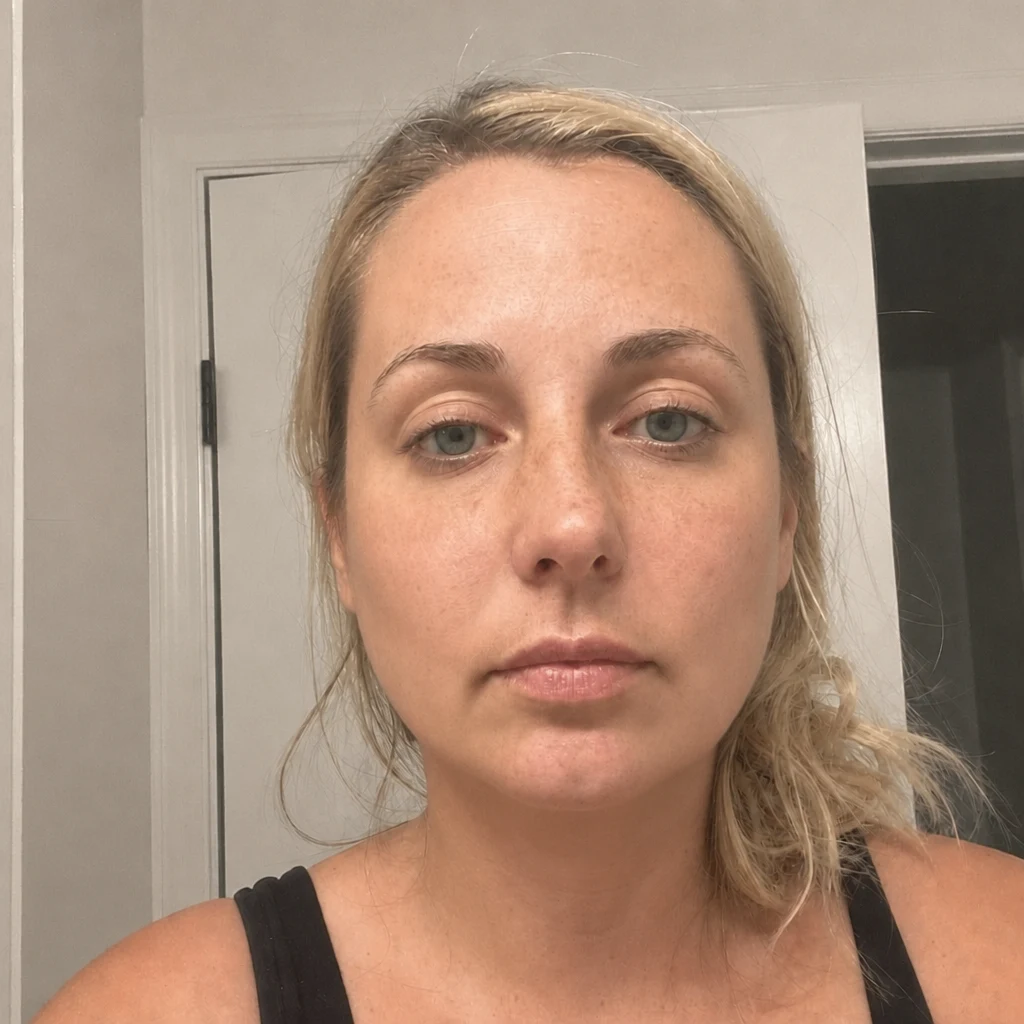
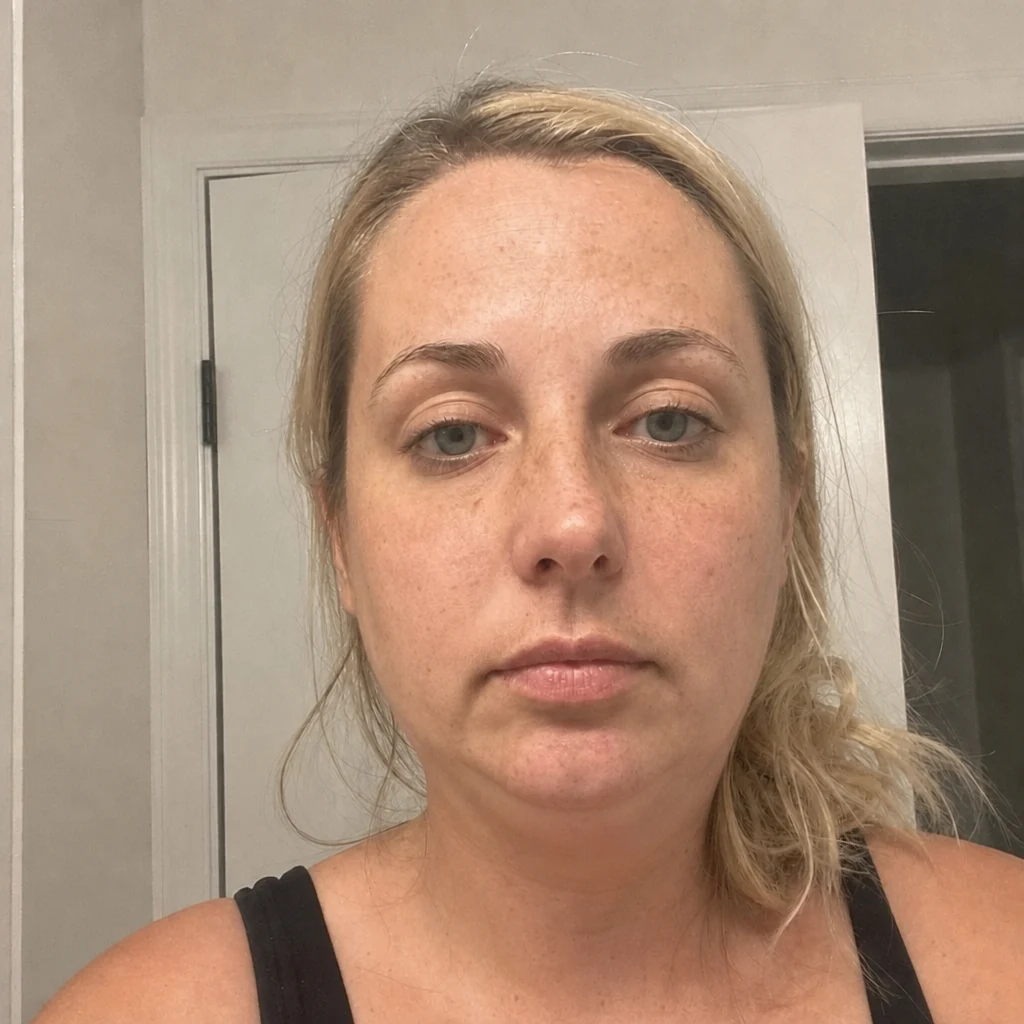
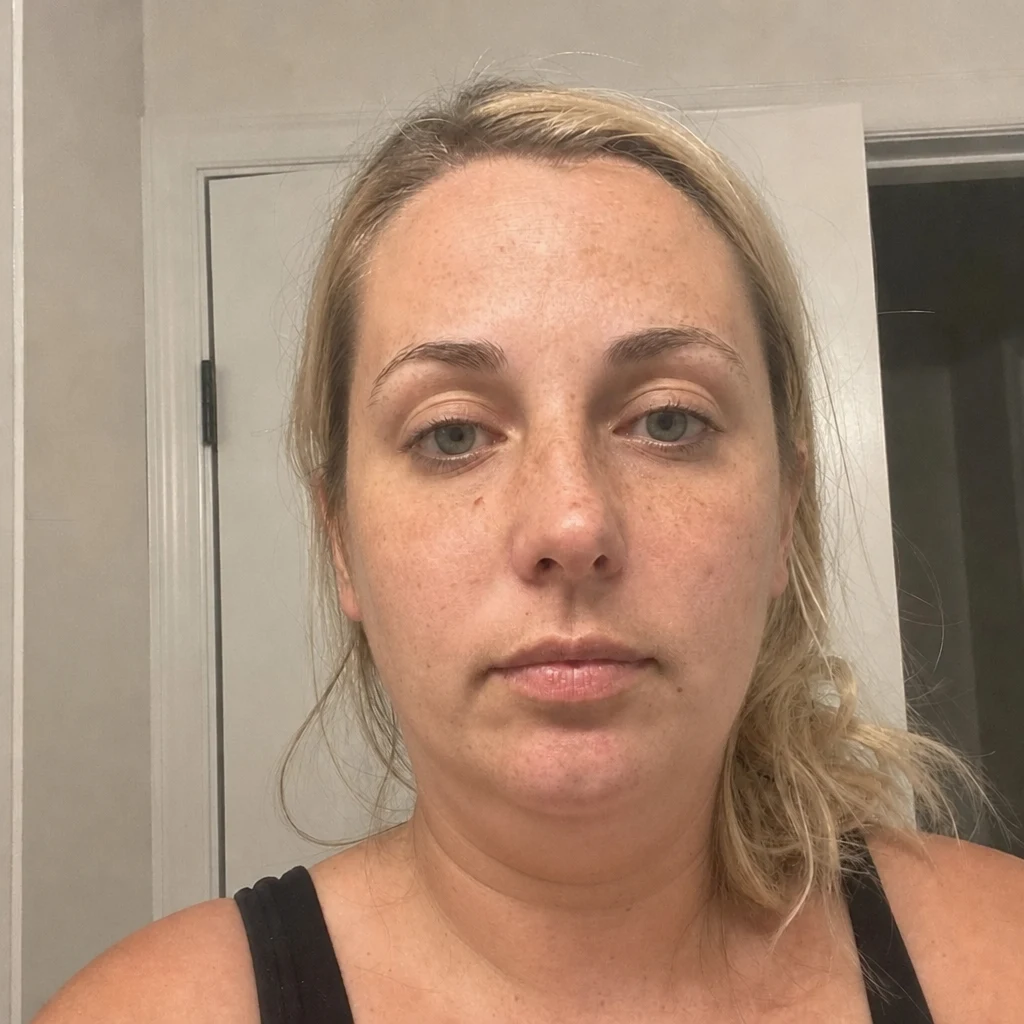
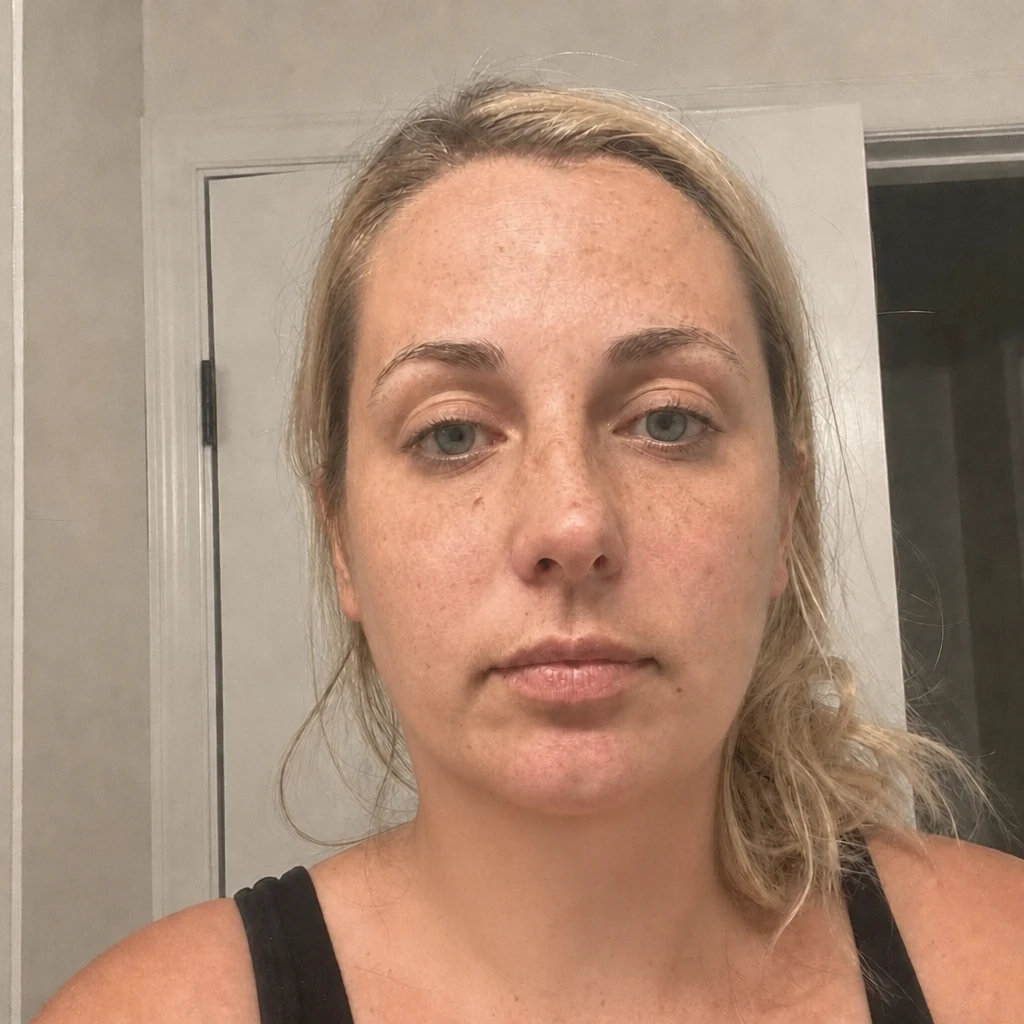
Before — generatedAfter — simulatedSee a thread lift on your own face
Run this simulationThread lift recovery, day by day
Recovery is short compared with surgery. This is what is commonly reported; your practitioner's instructions are the ones that apply.
- Days 1–3: swelling, tightness and tenderness, especially when opening the mouth wide or chewing. Bruising at entry points. Sleeping on your back is usually advised.
- Days 4–7: swelling eases; most people return to work and social life. Visible puckering or bunching often starts to settle.
- Week 2: puckering has usually smoothed out. Wide yawning, dental work, face massage and hard exercise are commonly avoided for the first few weeks so the threads are not dislodged.
- Weeks 3–4: the face feels normal to most people, and the settled result is visible.
Thread lift gone wrong: side effects and disadvantages
Most side effects are minor and short-lived. The searches for "thread lift gone wrong" mostly show the less common ones, and some of those take more than time to fix.
- Dimpling or puckering — skin catching on a barb. Often settles in days to weeks; persistent dimples may need the thread adjusted.
- Visible or palpable threads — a thread you can see or feel under thin skin, sometimes one that works its way to the surface.
- Asymmetry — one side lifting or relaxing more than the other.
- Infection — uncommon, but one of the reasons a thread may need to come out.
- Pain or tightness that lingers, and rarely nerve irritation.
- A result that fades faster than expected — the most common disappointment, and not a complication at all.
Why some plastic surgeons are skeptical of thread lifts
Mostly for two reasons. Earlier generations of permanent barbed threads earned a poor reputation for complications and short-lived results, and much of the profession's caution dates from then. Today's threads dissolve, which is safer, but the core criticism remains: the lift is small and temporary, and it is sometimes sold to people whose degree of sagging it cannot meaningfully change. Previous threads can also leave scar tissue a surgeon has to work through later.
Thread lift vs facelift, fillers and botox
| Thread lift | Facelift | Filler | Botox | |
|---|---|---|---|---|
| What it does | Repositions soft tissue slightly | Repositions deeper tissue and removes skin | Restores volume | Relaxes muscles |
| Best for | Early, mild sagging | Moderate to marked sagging | Hollows, lost volume | Lines from movement |
| How long it lasts | Commonly about 1–2 years | Commonly around a decade | Months to a couple of years | 3–4 months |
| Downtime | Days | Weeks | Days | None |
| Scars | None visible | Around the ears | None | None |
Is a thread lift better than botox? They do different jobs: botox softens lines made by muscle movement, threads lift tissue. They are often combined. For the difference between a thread lift and surgery in more detail, the facelift simulation page covers that side.
Thread lift simulator: a lifted midface on your own photo
The thread lift simulation lifts the midface and jawline on your photo and tightens the lower face contour, without dimpling or an over-pulled look. It is a fast way to see whether a lifted lower face is actually the change you want, before paying for something that fades.
Read this render with more caution than any other on the site. It shows a clean, settled lift, which is closer to what a thread lift looks like in its first weeks than what you would have at nine months. If the difference in the render already looks small to you, the real, fading version will look smaller.
Questions to ask before a thread lift
- How long does the lift last in your own patients — can I see photos at six and twelve months, not just the first week?
- Which threads, how many, and what happens if one becomes visible, palpable or causes a dimple that does not settle?
- Given my degree of sagging and the cost of repeat treatments, would I get more from saving toward a facelift?
Alternatives to thread lift
How the thread lift simulation works
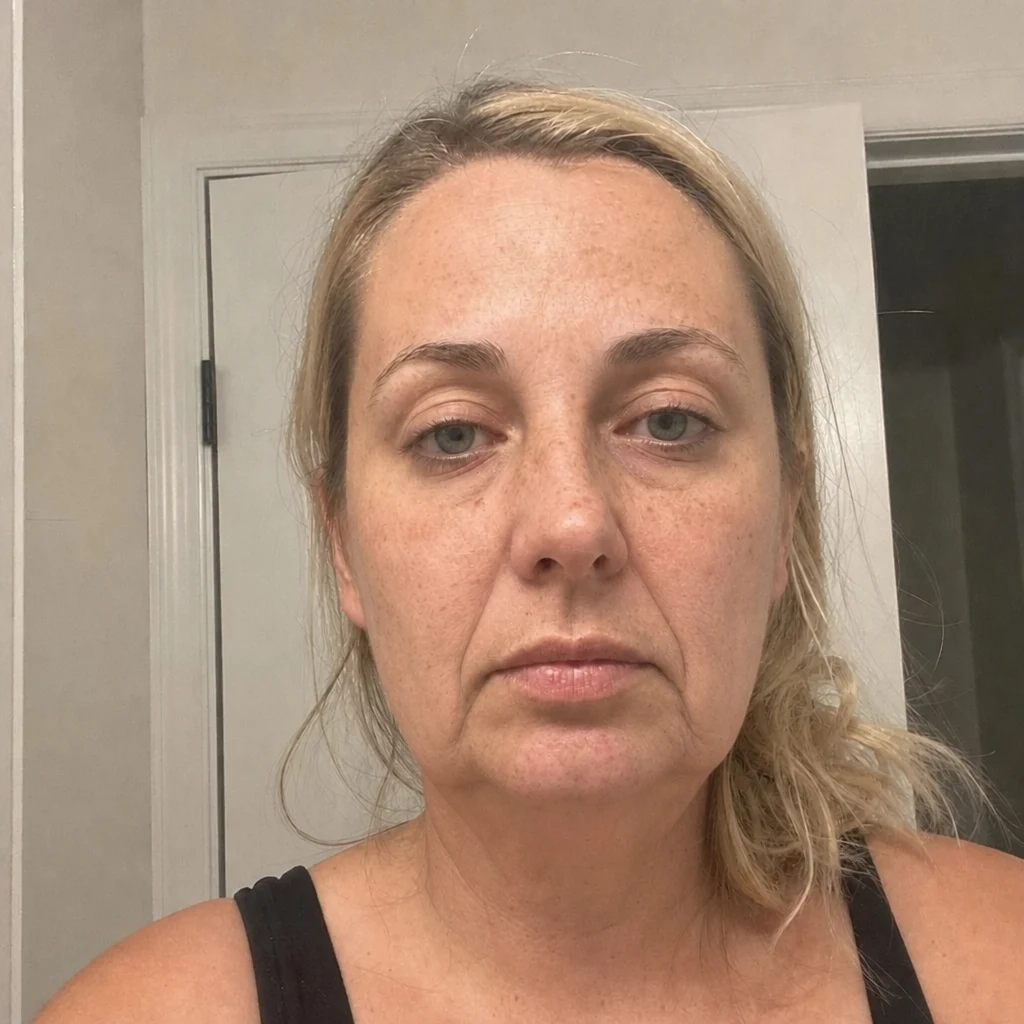
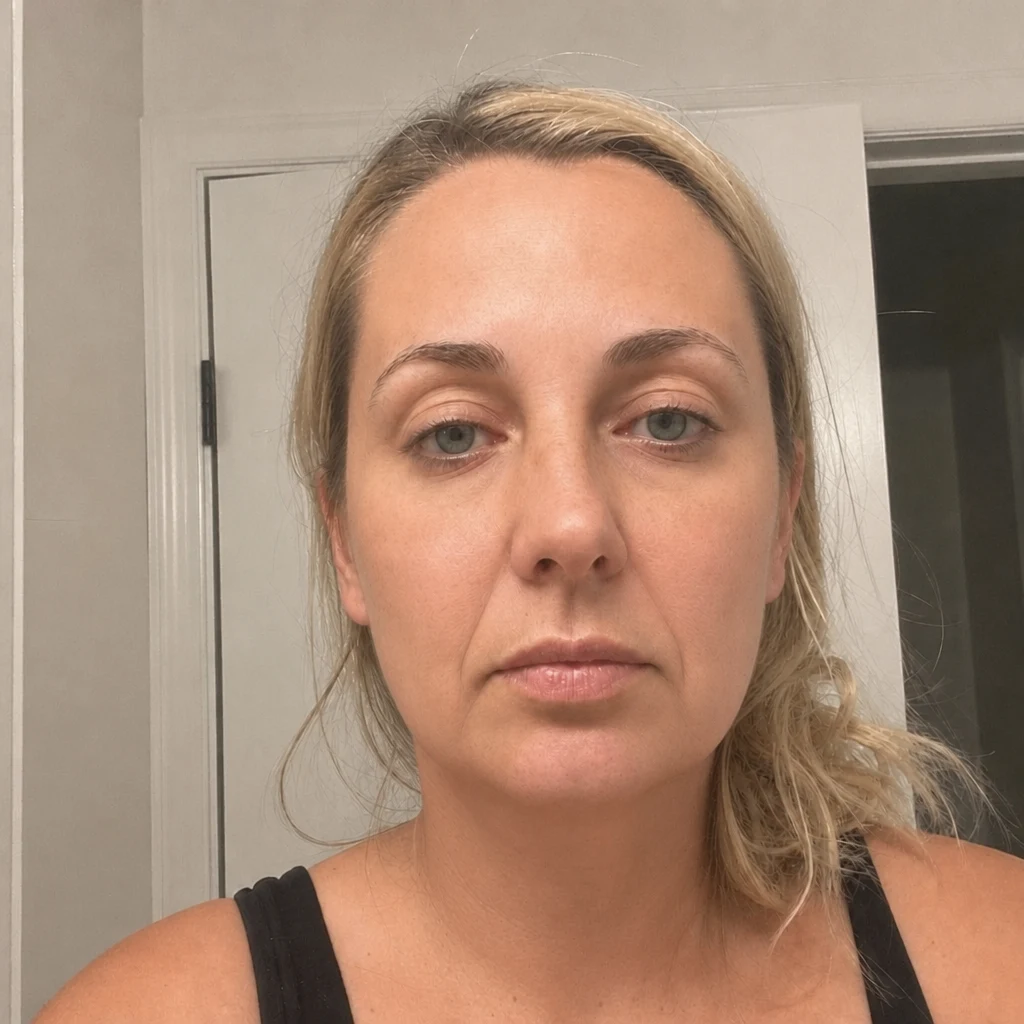
Your photo is analysed for the landmarks that matter to this procedure, and the render changes midface lift without surgery while leaving the rest of your face alone. That constraint is the hard part — a generic image model will happily redraw your whole face and hand you a stranger who looks better.
The render lifts tissue in the frame in a way that no thread lift reliably matches. This is the procedure where the gap between rendered expectation and published outcomes is widest, and that is worth saying on the page that renders it.
It is an illustration of a plausible direction, not a prediction of your result and not a medical opinion. What it is genuinely good for is finding out whether you want the change at all — plenty of people render one, find the difference smaller than they imagined, and stop there.
Measure your face before a thread lift simulation
The free analysis tools measure symmetry, facial proportion and face shape, and tell you which measurements sit outside the reference range. Choosing a procedure from that is a much better starting point than choosing one from a photo you saved.



Thread Lift simulator — frequently asked questions
Do thread lifts stimulate collagen?
Some collagen response around the thread path is described, and it is the main argument for a residual effect after the thread dissolves. How large and lasting that effect is remains where published opinion is most cautious.
Can I have a facelift after a thread lift?
Yes. Previous threads do not rule out surgery, but tell the surgeon, because scar tissue along the thread paths can affect the operation.
Can thread lift threads be removed?
They dissolve on their own. If a thread causes a persistent dimple, becomes visible or gets infected, it can usually be removed, though it is not always simple once tissue has grown around it.
Does a thread lift hurt?
It is usually done under local anesthetic, so the procedure itself is mostly pressure and tugging. Soreness and tightness for the first few days, especially when chewing or yawning, is commonly reported.
Who is a thread lift usually considered for?
It is usually discussed for people with mild, early sagging and good skin quality who want a modest, temporary change with little downtime. Heavy skin laxity and marked jowling are generally outside what threads can address.
Will people be able to tell I had a thread lift?
Once swelling and any puckering settle, usually not — the change is subtle. In the first week or two, bunching near the temples or along the cheek can be noticeable up close.
Is the thread lift simulator free?
The face analysis is free and needs no account. A rendered simulation costs credits because it runs on a GPU — $4.99 buys five and does not require a subscription.
How accurate is an AI thread lift simulation?
It is an illustration of a plausible outcome, not a prediction of your result. Real outcomes depend on your anatomy, the facial plastic surgeon and how you respond. Treat it as a conversation starter for a consultation, not a promise.
Do you keep my photo?
The free measurements never leave your browser. A simulation does send the photo to a rendering service, which is why it asks for explicit consent first, and you can delete the result from your dashboard at any time.
Can I show this to a facial plastic surgeon?
Yes, and that is the most useful thing to do with it. Bringing a picture of the direction you want is far more precise than describing it in words.
Other lifts simulations
This page is not medical advice and we are not clinicians. A simulation cannot tell you whether a procedure is appropriate for you, what it costs, or what the risks are. Those questions belong with a qualified facial plastic surgeon.