Facelift Before and After: What a Face Lift Changes, on Your Face
A facelift repositions the deeper tissue of the lower face and removes loose skin, softening jowls and restoring the line of the jaw. Here is what it changes and what it does not, the main types, what it costs, how recovery goes and how long it lasts — plus a render of a lifted lower face on your own photo.
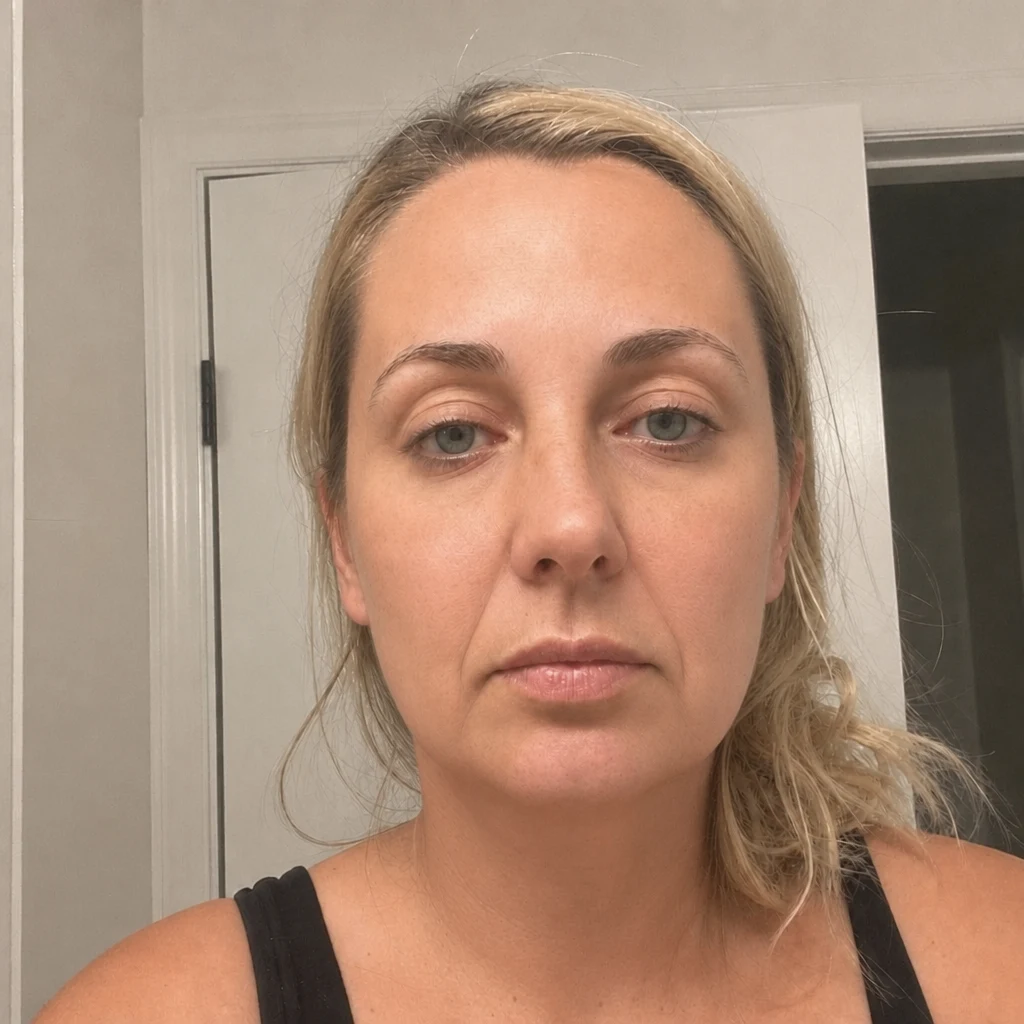
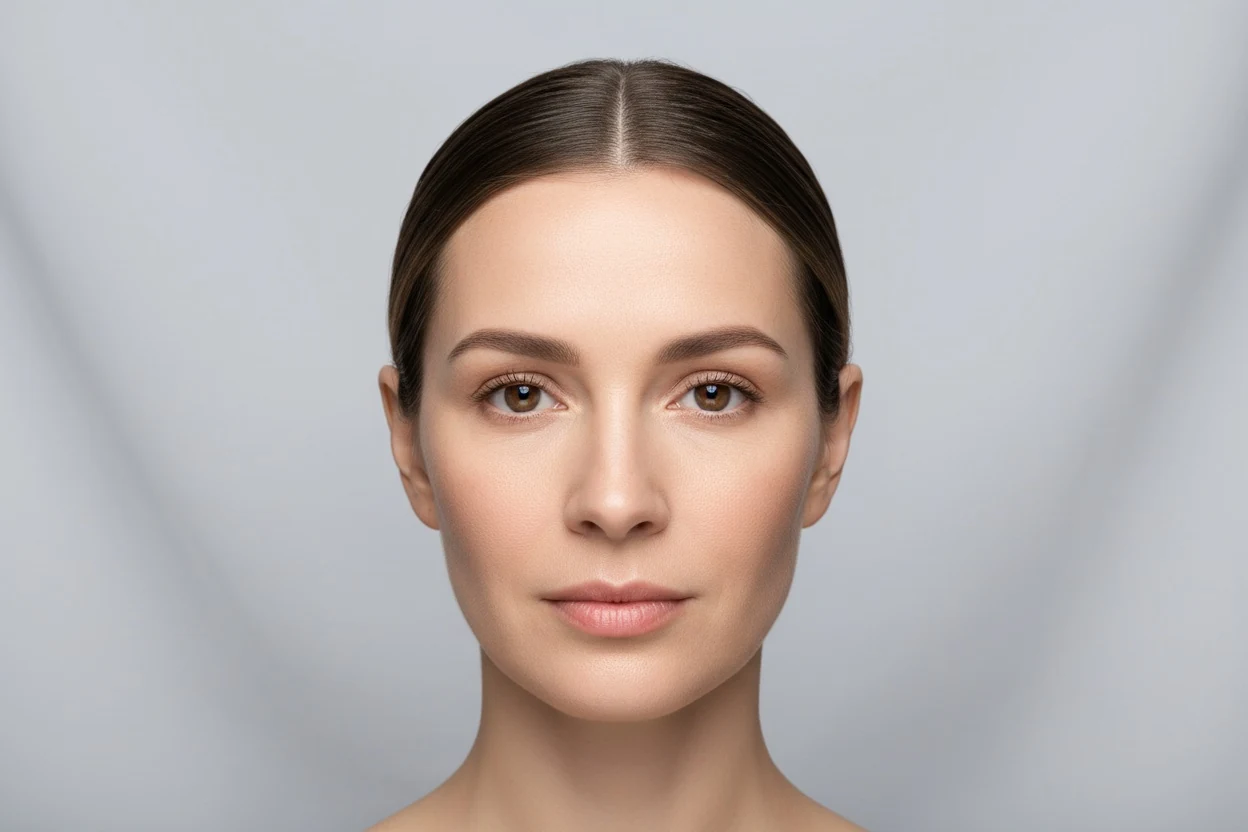
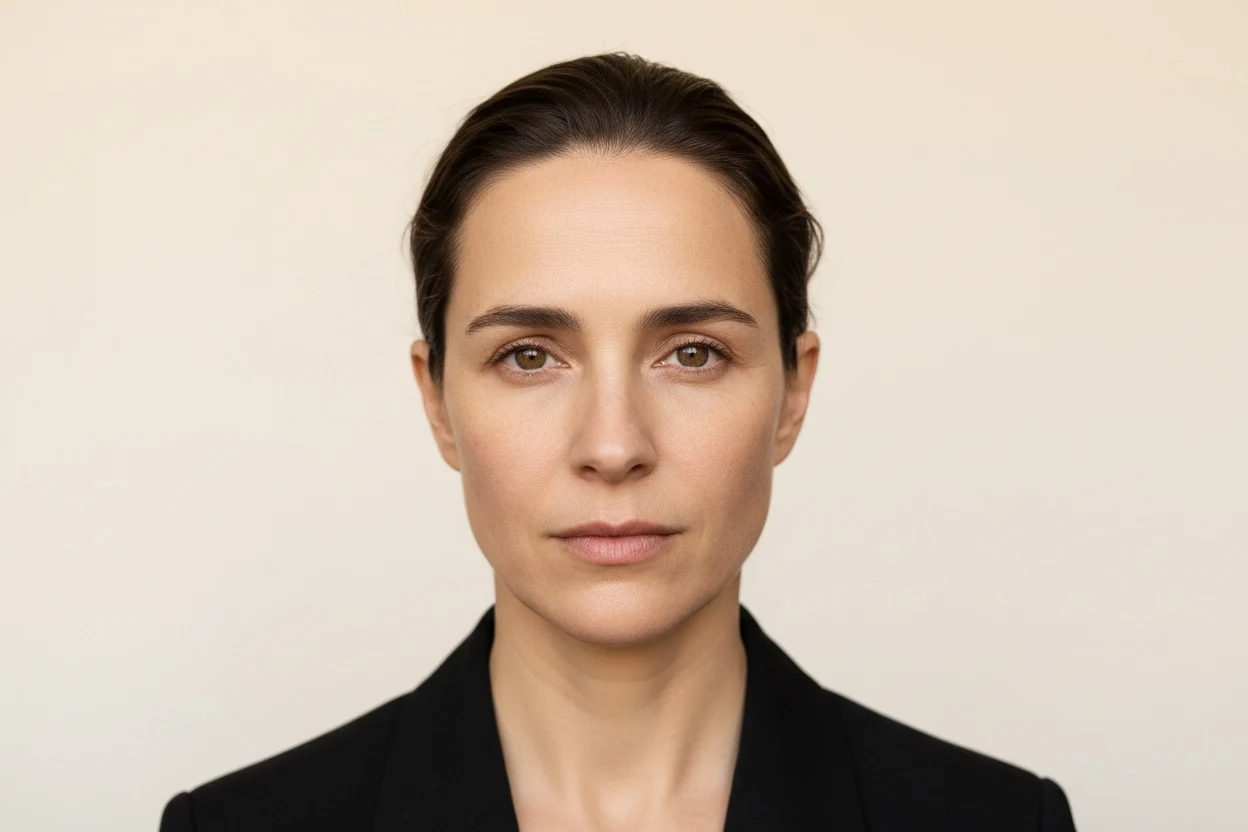
Facelift simulator — example render

- Type
- Surgical, long-lasting
- ASPS average surgeon fee
- $11,395, before anesthesia and facility
- Recovery
- 2–3 weeks to feel presentable
- How long it lasts
- Commonly around a decade
- Upload one front-facing photo
- The render changes laxity across the lower face and jaw — and leaves the rest of your face alone
- Compare your before and after side by side
1 render = 1 credit
5 credits $4.99, no subscription · or Starter $7.99/month for 10. The face analysis is free.
What a facelift does, and what it doesn't
A facelift, or rhytidectomy, lifts the lower two-thirds of the face. Through incisions around the ears, the surgeon repositions the SMAS — the layer of connective tissue and muscle under the fat — and then redrapes the skin over it and removes the excess. Modern technique moves the deeper layer rather than pulling skin tight, which is what produced the wind-swept look older facelifts were known for.
Faces age in two ways at once: tissue descends, and volume is lost. A facelift treats the first. It does not restore volume, change skin texture, remove fine lines or touch the forehead and eyelids, which is why it is often combined with fat grafting, resurfacing, a brow lift or blepharoplasty.
Types of facelift: mini, SMAS, deep plane and lower face lift
Names vary between surgeons, and the same word can describe different operations. What matters is which layer is moved, how far the dissection goes and whether the neck is included.
| Type | What it involves | Usually considered for | Recovery, relatively |
|---|---|---|---|
| Mini facelift | Shorter incisions, limited lifting of the lower face | Early jowling, little neck laxity | Usually the shortest |
| SMAS facelift | The SMAS layer is tightened or partly removed, skin redraped | Moderate jowls and jawline laxity | Commonly 2–3 weeks to presentable |
| Deep plane facelift | Releases the ligaments and moves SMAS and skin together as one unit | More marked midface and jowl descent | Commonly 2–3 weeks to presentable |
| Lower face lift | Focuses on the jawline and jowls | Descent mainly below the cheeks | Depends on extent |
| Mid face lift | Lifts the cheek tissue, often through the lower eyelid or temple | Flattened cheeks, deep under-eye to cheek junction | Depends on approach |
Mini facelift vs full facelift
A mini facelift trades reach for a smaller operation: shorter scars, less swelling, sometimes local anesthesia with sedation. It suits early changes along the jaw. It does little for the neck and usually lasts less long than a fuller lift, so the cost comparison is per year, not per operation.
Facelift before and after: what changes
| Area | What a facelift typically does |
|---|---|
| Jowls | Softened or removed — the most visible change in most photos |
| Jawline | A cleaner, continuous line from chin to ear |
| Marionette area | Less shadow at the mouth corners, not always gone |
| Nasolabial folds | Partly softened; volume loss there is a separate problem |
| Neck | Improves only when a neck lift is part of the operation |
| Skin texture and fine lines | Unchanged — that is resurfacing |
| Forehead and eyelids | Unchanged — separate procedures |
The fold from nose to mouth is where expectations most often miss. It deepens from a mix of descent and lost volume, and the nasolabial folds guide explains why lifting alone rarely erases it.
Face lift for jowls
Jowls are the change a facelift addresses most reliably, because they are mainly tissue that has slid below the jawline. Filler along the jaw can camouflage mild jowling by filling in around it; it cannot move the jowl back up.
How to read facelift before and after photos
Facelift before and after galleries are selected by the surgeons whose work they show, so treat each as the best case. Within that, a few details separate a fair comparison from a flattering one.
- Head position. A chin lowered in the before and raised in the after lifts any jawline. The eyes should sit at the same height in the frame.
- Timing. Results settle over months. Look for photos at a year; early photos include swelling that tightens the skin.
- Ears and hairline. The technique shows here: the shape of the earlobe, the sideburn position and the scar in front of the ear.
- Lighting and makeup. Overhead light deepens jowls; soft frontal light removes them.
- Everything else done. Many galleries show a facelift with eyelid surgery, fat grafting or resurfacing at the same time.
Facelift cost: what a face lift really costs
The American Society of Plastic Surgeons lists an average surgeon's fee of $11,395 for a facelift. That figure does not include anesthesia, the operating facility or related expenses, so total quotes in the United States commonly land higher, and range widely — from around $8,000 to well above $20,000, with major cities and deep plane technique at the top.
| Cost factor | Why it moves the price |
|---|---|
| Surgeon | Experience and specialization in facial surgery |
| Technique and extent | Mini lifts cost less than deep plane lifts with a neck component |
| Anesthesia | General anesthesia costs more than local with sedation |
| Facility | Accredited surgical center or hospital fees |
| Combined procedures | Neck lift, eyelids, brow lift or fat grafting add to the total |
| City | Coastal metro prices commonly run far above the national average |
Mini face lift cost
A mini facelift is usually quoted below a full facelift because it takes less operating time and may avoid general anesthesia. Compare quotes by what is actually being lifted: a low price for a mini lift can be a poor deal if the change you want needed a neck component. Lower overseas prices are a reason facelift cost is searched so often, and the aftercare and revision questions become harder to answer from a distance.
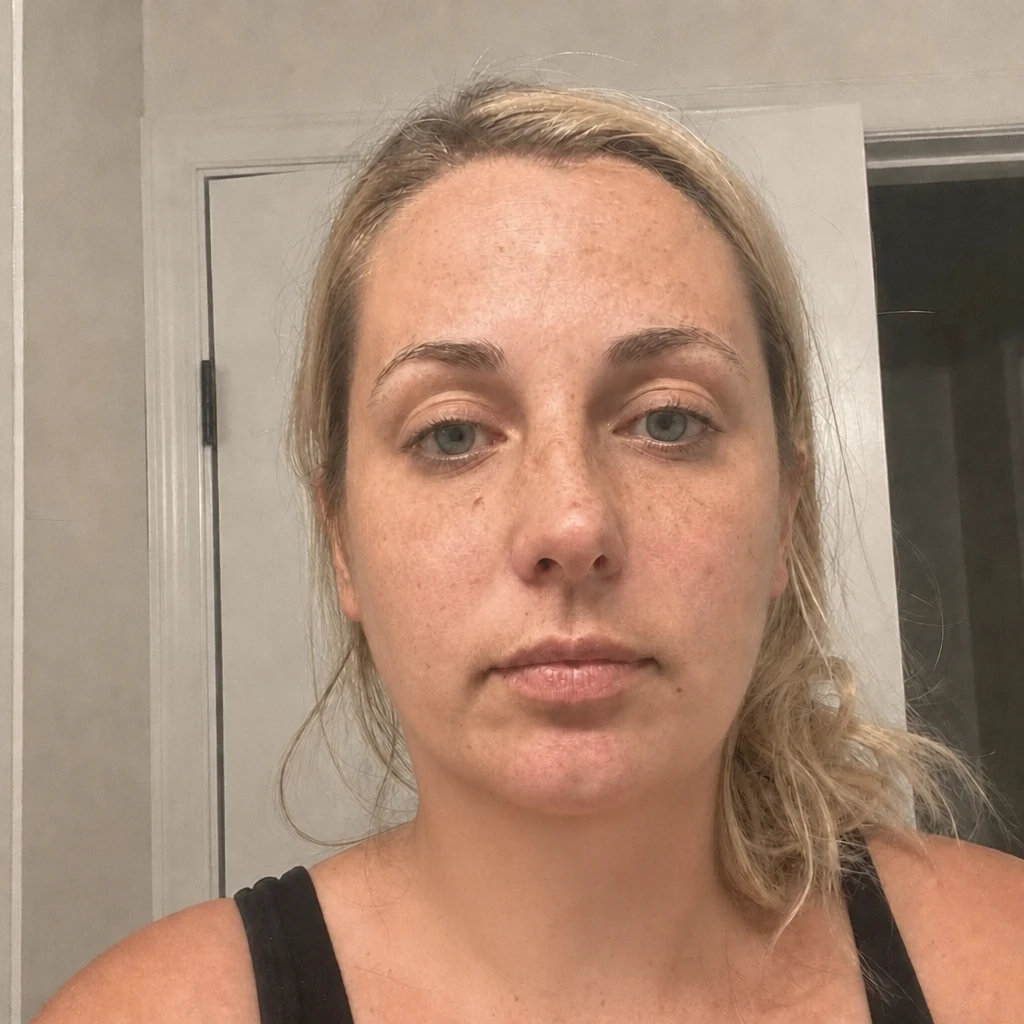
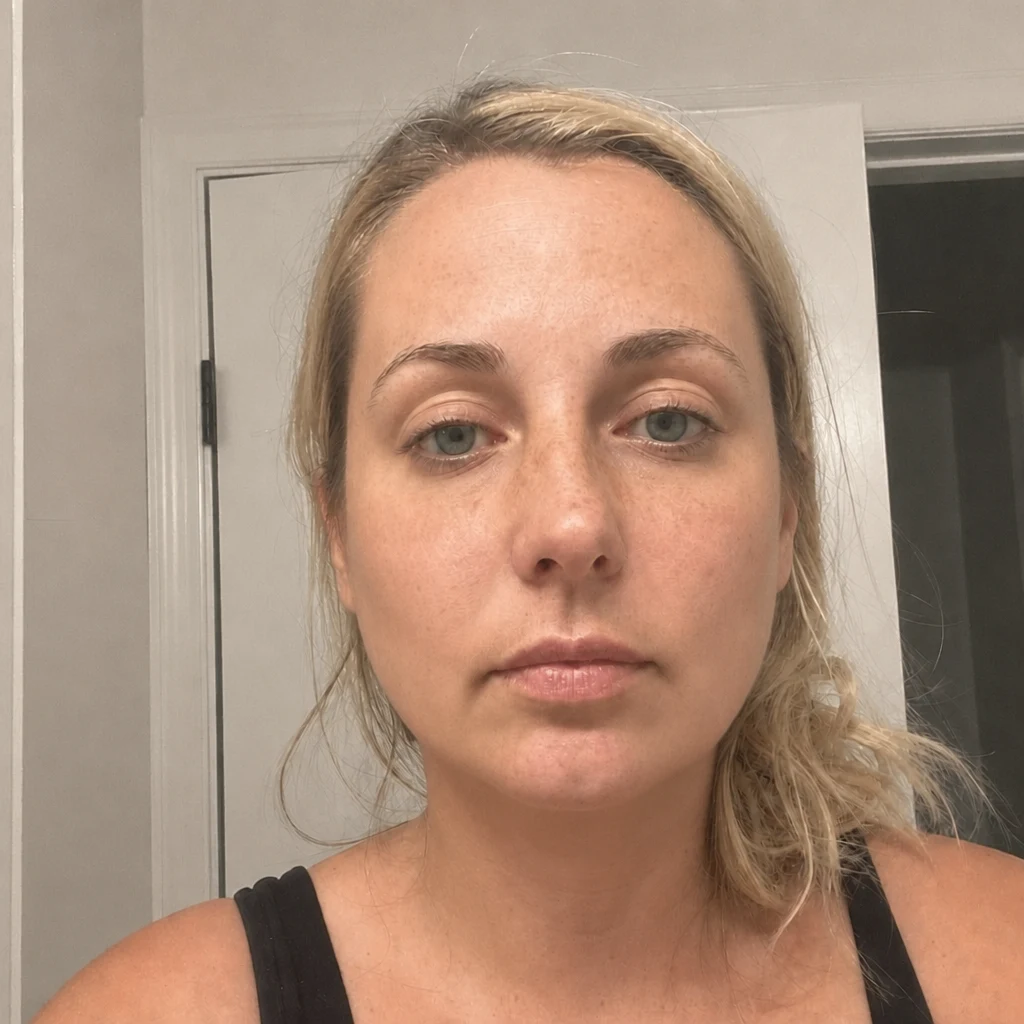
Before — generatedAfter — simulatedSee a facelift on your own face
Run this simulationFacelift recovery, and how long a face lift lasts
| When | What is typically reported |
|---|---|
| Days 1–3 | Swelling, bruising and tightness at their peak; a head dressing, sometimes drains |
| Week 1 | Stitches start to come out; swelling and bruising begin to fade |
| Weeks 2–3 | Most people feel presentable, with makeup covering residual bruising |
| 1–3 months | Numbness, tightness and lumpiness near the ears slowly settle |
| 6–12 months | Swelling fully resolves; scars continue to fade and flatten over the year |
What happens 10 years after a facelift?
Around a decade is the figure most commonly quoted for how long a facelift lasts, but the honest version is that the face keeps aging from a new starting point. Ten years on, most people still look younger than they would have without it, while some descent and volume loss have returned. Some choose a smaller secondary lift at that stage.
Facelift risks, and what a bad facelift looks like
A facelift is a major operation, and the risks are those of surgery plus some specific to the face. The ones surgeons commonly discuss:
- Hematoma — a collection of blood under the skin, the most frequently discussed early complication, sometimes needing a return to the operating room.
- Nerve injury — numbness is expected for weeks to months; weakness of facial movement is uncommon and usually temporary.
- Scarring — thick or widened scars, or visible scars where hair or ear shape no longer hides them.
- Skin healing problems — more likely in smokers, which is why surgeons commonly require stopping well beforehand.
- Hairline and earlobe changes — a shifted sideburn or a pulled-down "pixie" earlobe.
What people call a bad facelift is usually one of three things: a pulled, wind-swept look from tension on the skin, an unnatural sideways sweep of the cheek, or a face that no longer matches an unoperated neck. Each is about technique and planning more than about having had a facelift at all.
Facelift vs thread lift, filler and neck lift
| Facelift | Thread lift | Jawline filler | Neck lift | |
|---|---|---|---|---|
| What it does | Repositions deep tissue, removes skin | Lifts tissue slightly with sutures | Adds definition along the jaw | Tightens muscle and skin under the jaw |
| How long it lasts | Commonly around a decade | Commonly about a year | Commonly a year or more | Long-lasting |
| Downtime | Weeks | Days | Days | Weeks |
| Addresses jowls? | Yes | Mild ones, briefly | Camouflages mild ones | Not on its own |
A thread lift is sometimes presented as a smaller facelift; it is better understood as a modest, temporary lift for early changes. The neck lift covers the area below the jaw, and jawline filler adds definition without moving anything.
Facelift simulator: a lifted lower face on your own photo
The facelift simulation lifts the midface and lower face on your photo, reduces the jowls and re-tensions the jawline, aiming for a rested version of the same face rather than a pulled one. It shows the direction of the change on your features, which is hard to judge from someone else's gallery.
It cannot show where incisions go, how scars heal, or how your skin quality will carry the lift — and those decide whether a real result looks natural. Nothing on this site measures descent directly, because it is a change over time rather than a proportion; the facial thirds reading shows the lower third, the part of the face a facelift changes.
See how your lower third compares with the upper and middle — from one photo, in your browser.
Measure your facial thirdsQuestions to ask your surgeon before a facelift
- Which layer are you working on — SMAS, deep plane, or skin only — and why that one for my face?
- Where exactly do the incisions go, and can I see your patients' scars at one year?
- Does the result I am describing need a neck component, fat grafting or another procedure to look consistent?
Alternatives to facelift




How the facelift simulation works
Your photo is analysed for the landmarks that matter to this procedure, and the render changes laxity across the lower face and jaw while leaving the rest of your face alone. That constraint is the hard part — a generic image model will happily redraw your whole face and hand you a stranger who looks better.
The render tightens the lower face in a photograph. It cannot show incision placement, and it cannot model skin quality — which is what decides whether a result looks natural or tight.
It is an illustration of a plausible direction, not a prediction of your result and not a medical opinion. What it is genuinely good for is finding out whether you want the change at all — plenty of people render one, find the difference smaller than they imagined, and stop there.
Measure your face before a facelift simulation
The free analysis tools measure symmetry, facial proportion and face shape, and tell you which measurements sit outside the reference range. Choosing a procedure from that is a much better starting point than choosing one from a photo you saved.
Facelift simulator — frequently asked questions
What is the best age to have a facelift?
There is no single best age. The deciding factors are how much descent and loose skin there is, skin quality and general health. Many people who have one are in their fifties or sixties, but that describes who asks, not a threshold.
Who is not usually considered a good candidate for a facelift?
Surgeons commonly hesitate with active smokers, people with medical conditions that make surgery or healing riskier, and anyone expecting a facelift to fix skin texture, volume loss or the forehead and eyes. Candidacy is an in-person assessment.
Where are facelift scars?
Usually starting in or along the hairline at the temple, running in front of the ear in its natural creases, around the earlobe and behind the ear. They are permanent; how visible they are depends on placement and healing.
Can a facelift be done under local anesthesia?
Smaller lifts sometimes are, with sedation. More extensive facelifts, and most that include the neck, are usually done under general anesthesia.
Will I look like a different person after a facelift?
A well-planned facelift aims to make you look like a rested, younger version of yourself. The "different person" effect usually comes from excess skin tension, a changed hairline or combining too many procedures at once.
Does a facelift get rid of wrinkles?
Not fine wrinkles. It improves folds caused by sagging, but lines in the skin itself and around the eyes and mouth are usually treated with resurfacing or injectables.
Is the facelift simulator free?
The face analysis is free and needs no account. A rendered simulation costs credits because it runs on a GPU — $4.99 buys five and does not require a subscription.
How accurate is an AI facelift simulation?
It is an illustration of a plausible outcome, not a prediction of your result. Real outcomes depend on your anatomy, the facial plastic surgeon and how you respond. Treat it as a conversation starter for a consultation, not a promise.
Do you keep my photo?
The free measurements never leave your browser. A simulation does send the photo to a rendering service, which is why it asks for explicit consent first, and you can delete the result from your dashboard at any time.
Can I show this to a facial plastic surgeon?
Yes, and that is the most useful thing to do with it. Bringing a picture of the direction you want is far more precise than describing it in words.
Other lifts simulations
This page is not medical advice and we are not clinicians. A simulation cannot tell you whether a procedure is appropriate for you, what it costs, or what the risks are. Those questions belong with a qualified facial plastic surgeon.