Neck Lift Before and After: See Your Jaw-to-Neck Line First
A neck lift treats three different problems that look alike in the mirror: fat under the chin, muscle bands and loose skin. Here is what each version of the surgery changes, what it costs, what recovery and scars look like — and a render of a sharper jaw-to-neck line on your own photo.
Neck Lift simulator — example render
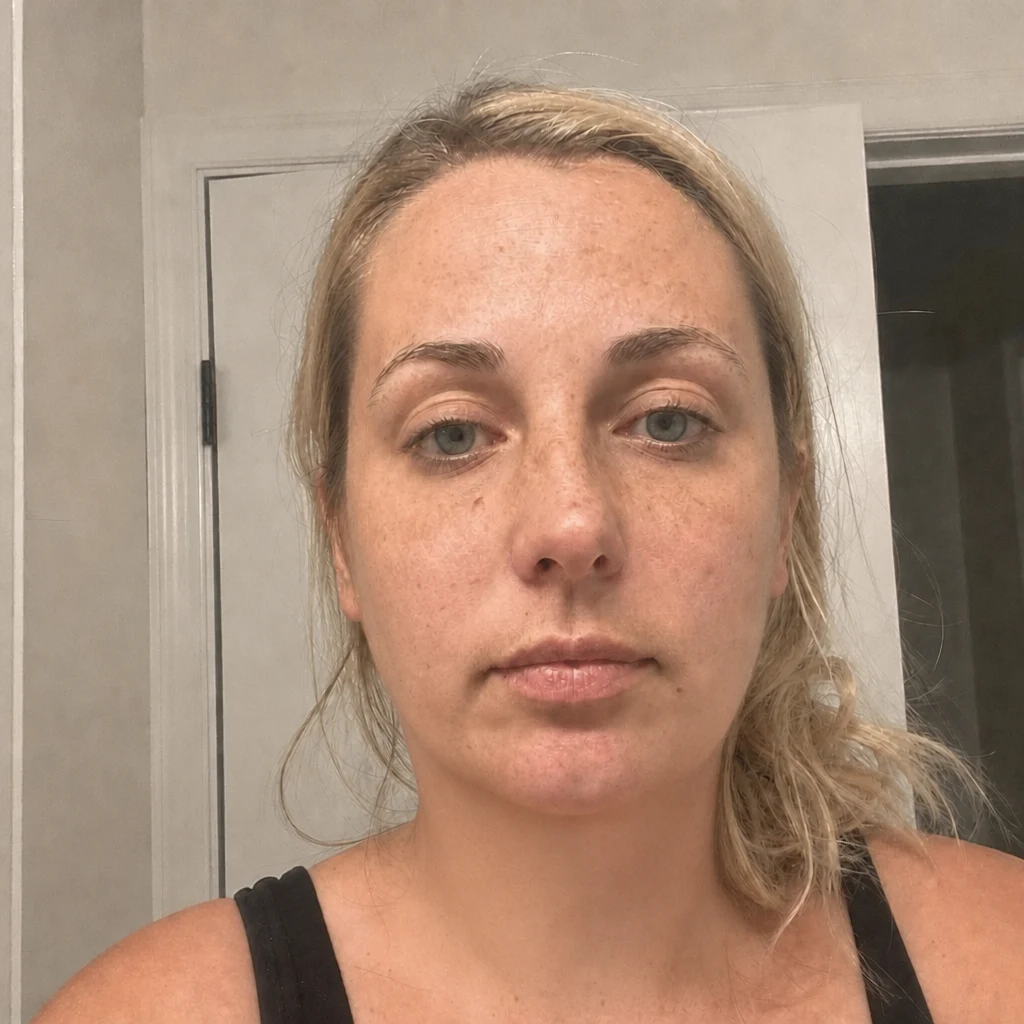

- Type
- Surgical; often combined with a facelift
- Typical US cost
- Commonly $5,000–$12,000
- Visible recovery
- About two to three weeks
- How long it lasts
- Years — the neck keeps aging from its new baseline
- Upload one front-facing photo
- The render changes the angle between chin and neck — and leaves the rest of your face alone
- Compare your before and after side by side
1 render = 1 credit
5 credits $4.99, no subscription · or Starter $7.99/month for 10. The face analysis is free.
Neck lift before and after: what the surgery changes
A neck lift is not one operation. Fullness under the chin, vertical cords down the front of the neck and loose, hanging skin — often called a "turkey neck" — are three separate problems, and each is treated differently. Most neck lift before and after photos show some combination of the three.
| Concern | What it looks like | What a neck lift does | Usual name |
|---|---|---|---|
| Fat under the chin | A soft, full area that blurs the jawline | Removes fat through a small incision | Submental liposuction or direct fat removal |
| Platysmal bands | Vertical cords down the front of the neck | Tightens and joins the edges of the platysma muscle | Platysmaplasty |
| Loose skin | Folds or a hanging wattle | Redrapes the skin and trims the excess behind the ears | Cervicoplasty (skin excision) |
| Blunt jaw-neck angle | Chin appears to run straight into the neck | Combines the above; sometimes a chin implant too | Combined neck lift |
Types of neck lift: platysmaplasty, skin excision and the mini neck lift
Platysmaplasty
Platysmaplasty works on the platysma, the thin sheet of muscle over the front of the neck. Through an incision under the chin, the surgeon tightens the muscle and often stitches its two inner edges together, which flattens bands and sharpens the angle under the jaw.
Cervicoplasty and skin excision
When loose skin is the main issue, incisions around and behind the ears let the surgeon lift the skin back and remove the excess. This is the part that produces the scars behind the ears, and it is the part most likely to be combined with a facelift.
Mini neck lift
"Mini neck lift" is a marketing term rather than a defined operation. It usually means shorter incisions — under the chin, sometimes behind the ears — for fat and mild laxity, with less skin removal. Because the name means different things at different practices, ask exactly which structures are treated.
Liposuction alone
Where the problem is purely fat and the skin is still elastic, liposuction under the chin on its own is sometimes enough. With loose skin or bands, removing fat alone can leave the neck looking looser than before.
Neck lift vs facelift: why they are often done together
The lower face and neck age together. A neck lift works below the jawline; jowls sit on the jawline and are a facelift's territory. Treating only one can leave the two areas looking mismatched — a tight neck under heavy jowls, or a lifted face above a loose neck — which is why the two are frequently combined, and why a combined procedure is often quoted for less than two separate ones.
A small chin is the other common companion. A chin that sits back makes any neck look fuller, so some surgeons add chin augmentation to a neck lift to improve the jaw-to-neck angle from the front of it.
Non-surgical neck lift options, and what each can't do
A non-surgical neck lift is not one treatment either. Each option addresses one of the three problems, and none replaces surgery for significant loose skin.
| Option | What it targets | What it can't do |
|---|---|---|
| Fat-dissolving injections (deoxycholic acid) | Small amounts of fat under the chin; usually several sessions | Tighten skin or bands |
| Cryolipolysis (fat freezing) under the chin | Small, pinchable fat pockets | Tighten skin or bands |
| Toxin injections into the platysma ("Nefertiti lift") | Visible bands; wears off over months | Remove fat or loose skin |
| Radiofrequency or ultrasound skin tightening | Mild skin laxity; modest change | Remove fat, treat bands, or lift heavy skin |
| Thread lift | Mild laxity along the jaw and upper neck; commonly around a year | Deliver a lasting correction |
| Neck lift tape | Holds skin back while it is worn | Anything once it is removed |
Neck lift cost: what you'll actually pay
The cost of a neck lift is commonly quoted at roughly $5,000–$12,000 in the United States. The figure you are quoted may or may not include anesthesia and facility fees, so ask for an all-in number before comparing.
- Extent — liposuction alone, platysmaplasty, skin excision, or all three.
- Combination — a neck lift quoted with a facelift or chin implant is priced as one operation.
- Anesthesia — local with sedation or general anesthesia, and the facility it requires.
- Surgeon and city — the largest variable outside the operation itself.
Mini neck lift cost
A mini neck lift is generally quoted below a full neck lift because it involves less surgery and time, but because the term is not standardised there is no reliable range for it. Compare what is actually being done, not the name on the quote. Non-surgical options are priced per session and usually need repeat sessions, which adds up over time.
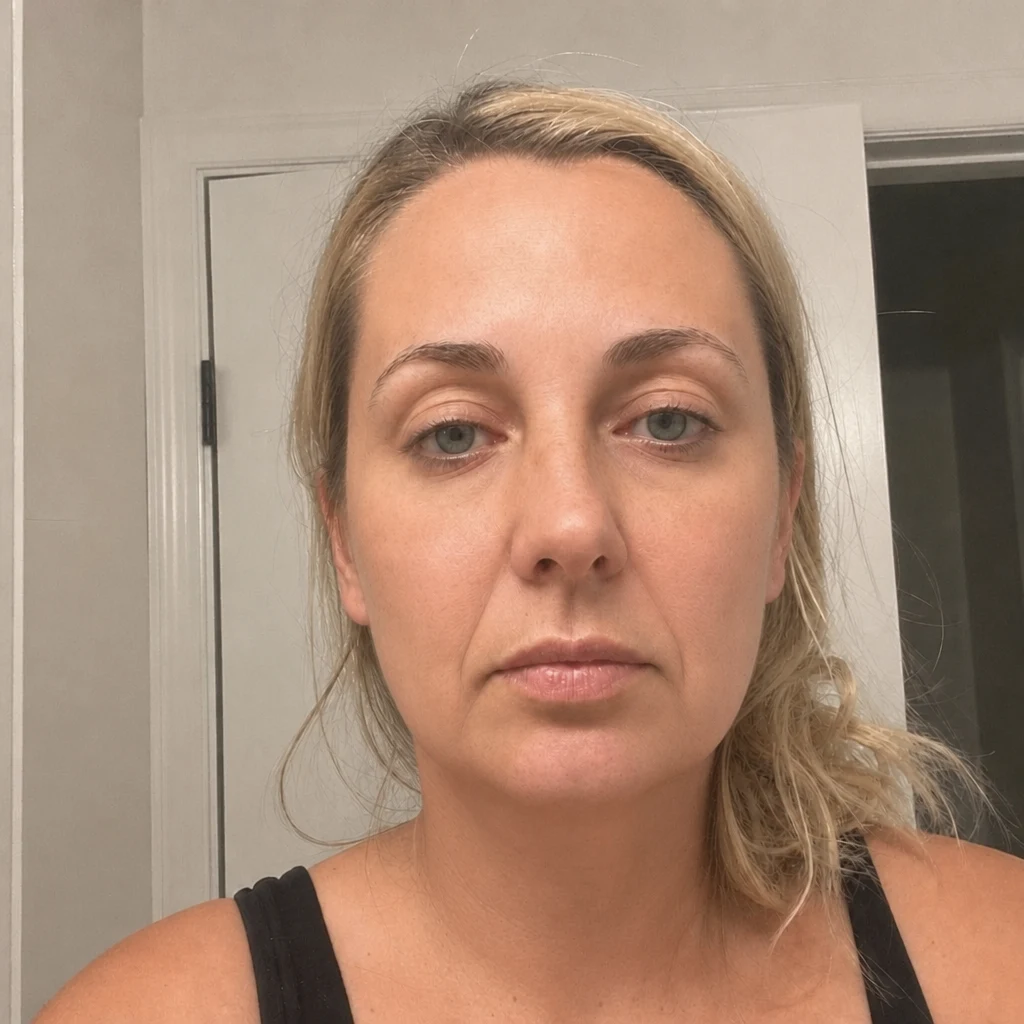
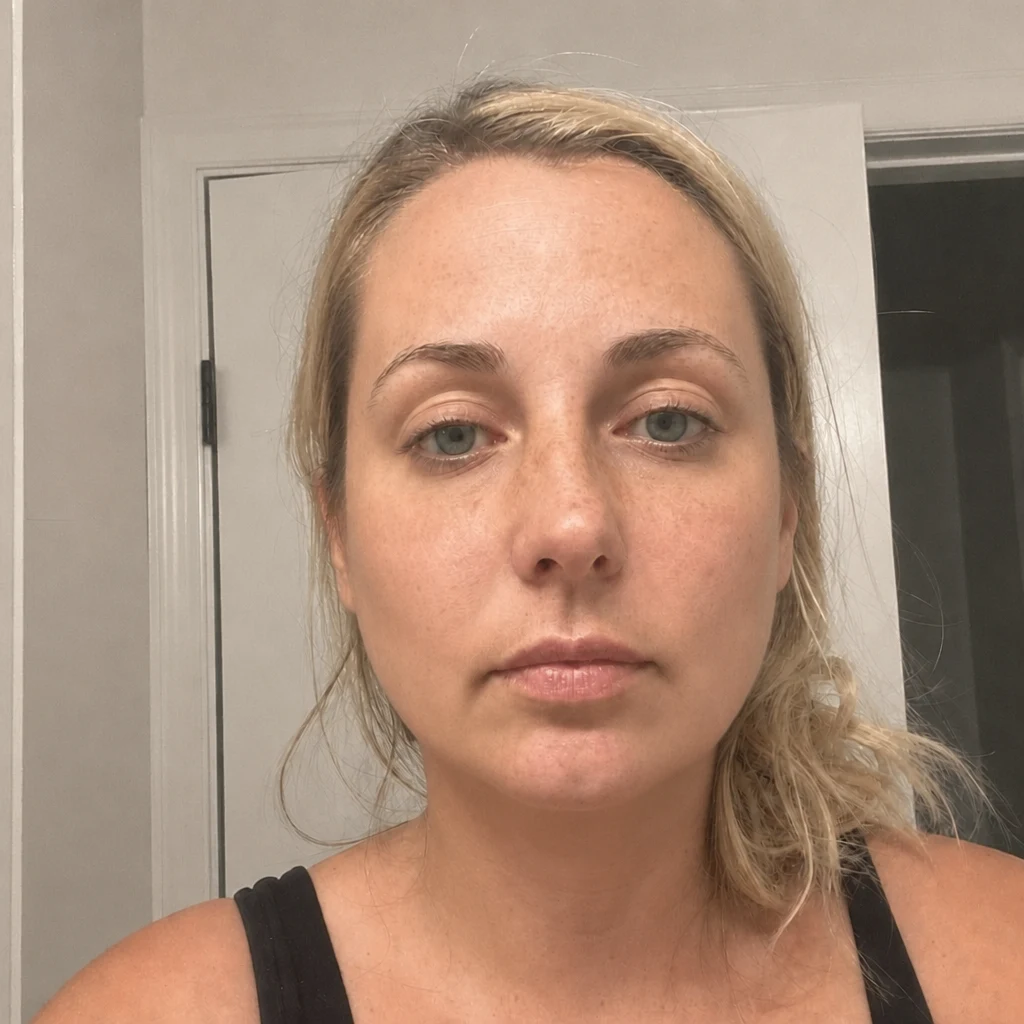
Before — generatedAfter — simulatedSee a neck lift on your own face
Run this simulationNeck lift recovery time: the week-by-week timeline
| Time | What is commonly reported |
|---|---|
| First days | Tightness, swelling and bruising; a compression garment or chin strap; sometimes small drains |
| Week 1–2 | Stitches commonly removed; bruising fades; many return to desk work towards the end of this window |
| Weeks 2–3 | Visible recovery largely over; residual swelling that clothing and scarves can hide |
| Weeks 3–6 | Exercise commonly reintroduced gradually, as the surgeon allows; firmness under the chin |
| Months 3–6 | Numbness and lumpiness settle; the final contour appears |
| Up to a year | Scars flatten and fade |
Neck lift scars, risks, and what a botched neck lift usually means
Neck lift scars sit in three places: a short incision in the crease under the chin, around the earlobe, and behind the ear into the hairline when a lot of skin is removed. They are red and firm at first and commonly fade over about a year. How visible they end up depends on healing and on hairstyle — short hair shows the scar behind the ear more.
Risks commonly described for neck lift surgery include:
- Hematoma — a collection of blood under the skin, the most common significant early complication of face and neck lifting.
- Nerve irritation — most often the branch that moves the lower lip, causing an uneven smile that is usually temporary.
- Contour problems — too much fat removed under the chin can leave a hollow, over-skeletonised neck.
- Persistent or returning bands when the muscle was not addressed.
- Visible or widened scars, a pulled earlobe, or a shifted hairline behind the ear.
- Skin healing problems, reported as more likely in smokers.
Searches for a botched neck lift mostly lead to those last three: over-removed fat, visible scars and distorted earlobes.
Neck lift for men: beards, scars and bleeding risk
- Beard skin moves. Lifting the skin back shifts hair-bearing skin towards and behind the ears, which can change where you shave.
- Shorter hair shows more. Incision placement behind the ear matters more when there is no hair to cover it.
- Bleeding risk. Men are commonly reported to have a higher hematoma risk after face and neck lifting, which surgeons plan around.
- The goal often differs. Men more often ask about fat under the chin and jaw definition than about loose skin.
Neck lift simulator: preview a sharper jaw-to-neck line
The neck lift simulation tightens the neck and under-chin area on your photo for a sharp, clean jaw-to-neck line, and leaves the rest of your face alone. It accepts profile photos as well as front and three-quarter views — use a profile if you can, because the angle under the jaw is judged side-on.
What it cannot do is tell which of the three problems you have. Fat, muscle bands and loose skin lead to different operations, and the render smooths them all into one line. The free jawline rating measures jaw width and taper from a front photo but does not read the neck either; the sharper jawline guide has a five-minute check for which layer is hiding the jaw.
Measure jaw width and taper first — useful context for whether the render is changing your jaw, your neck, or both.
Rate your jawlineQuestions to ask your surgeon before a neck lift
- Is my concern fat, muscle bands or loose skin — and does your plan treat that one specifically?
- Will I need a facelift or chin component for the result to look consistent?
- What do you do with the platysma, and where exactly will my scars sit?
- Is your quote all-in, including anesthesia and facility fees?
Alternatives to neck lift




How the neck lift simulation works
Your photo is analysed for the landmarks that matter to this procedure, and the render changes the angle between chin and neck while leaving the rest of your face alone. That constraint is the hard part — a generic image model will happily redraw your whole face and hand you a stranger who looks better.
The render sharpens the jaw-to-neck line in the frame. It cannot distinguish fat from loose platysma from skin laxity, and the three lead to different operations.
It is an illustration of a plausible direction, not a prediction of your result and not a medical opinion. What it is genuinely good for is finding out whether you want the change at all — plenty of people render one, find the difference smaller than they imagined, and stop there.
Measure your face before a neck lift simulation
The free analysis tools measure symmetry, facial proportion and face shape, and tell you which measurements sit outside the reference range. Choosing a procedure from that is a much better starting point than choosing one from a photo you saved.



Neck Lift simulator — frequently asked questions
How long does a neck lift last?
Results are usually described in years rather than months. The surgery resets the neck to a tighter starting point, but aging, weight change and sun exposure continue from there.
Is 70 too old for a neck lift?
Age alone is not usually what decides it. Surgeons look at general health, medications that affect bleeding, smoking and skin quality, and those carry more weight than the number.
Will a neck lift get rid of a double chin?
Where the double chin is fat, fat removal addresses it. Where it is muscle banding or loose skin, fat removal alone does not — which is why assessment separates the three.
Can exercise tighten a turkey neck?
Loose neck skin and separated platysma bands do not respond to targeted exercise. Overall weight loss can reduce the fat component under the chin; it does not tighten skin.
Is a neck lift done under general anesthesia?
It varies with the extent. Limited procedures are sometimes done under local anesthetic with sedation; a full neck lift, especially combined with a facelift, is often done under general anesthesia.
What is a platysmal band?
A vertical cord down the front of the neck, formed as the inner edges of the platysma muscle separate and become prominent with age. It is the part of neck aging that filler and fat removal do not treat.
Is the neck lift simulator free?
The face analysis is free and needs no account. A rendered simulation costs credits because it runs on a GPU — $4.99 buys five and does not require a subscription.
How accurate is an AI neck lift simulation?
It is an illustration of a plausible outcome, not a prediction of your result. Real outcomes depend on your anatomy, the facial plastic surgeon and how you respond. Treat it as a conversation starter for a consultation, not a promise.
Do you keep my photo?
The free measurements never leave your browser. A simulation does send the photo to a rendering service, which is why it asks for explicit consent first, and you can delete the result from your dashboard at any time.
Can I show this to a facial plastic surgeon?
Yes, and that is the most useful thing to do with it. Bringing a picture of the direction you want is far more precise than describing it in words.
Other lifts simulations
This page is not medical advice and we are not clinicians. A simulation cannot tell you whether a procedure is appropriate for you, what it costs, or what the risks are. Those questions belong with a qualified facial plastic surgeon.