Brow Lift Before and After: See the Lift on Your Own Face
A brow lift raises a brow that has descended and takes weight off the upper eyelid. Whether it helps depends on whether your heavy eye comes from the brow or from lid skin. Here are the techniques, the non-surgical options, costs and recovery — plus a render of a lifted brow on your own photo.
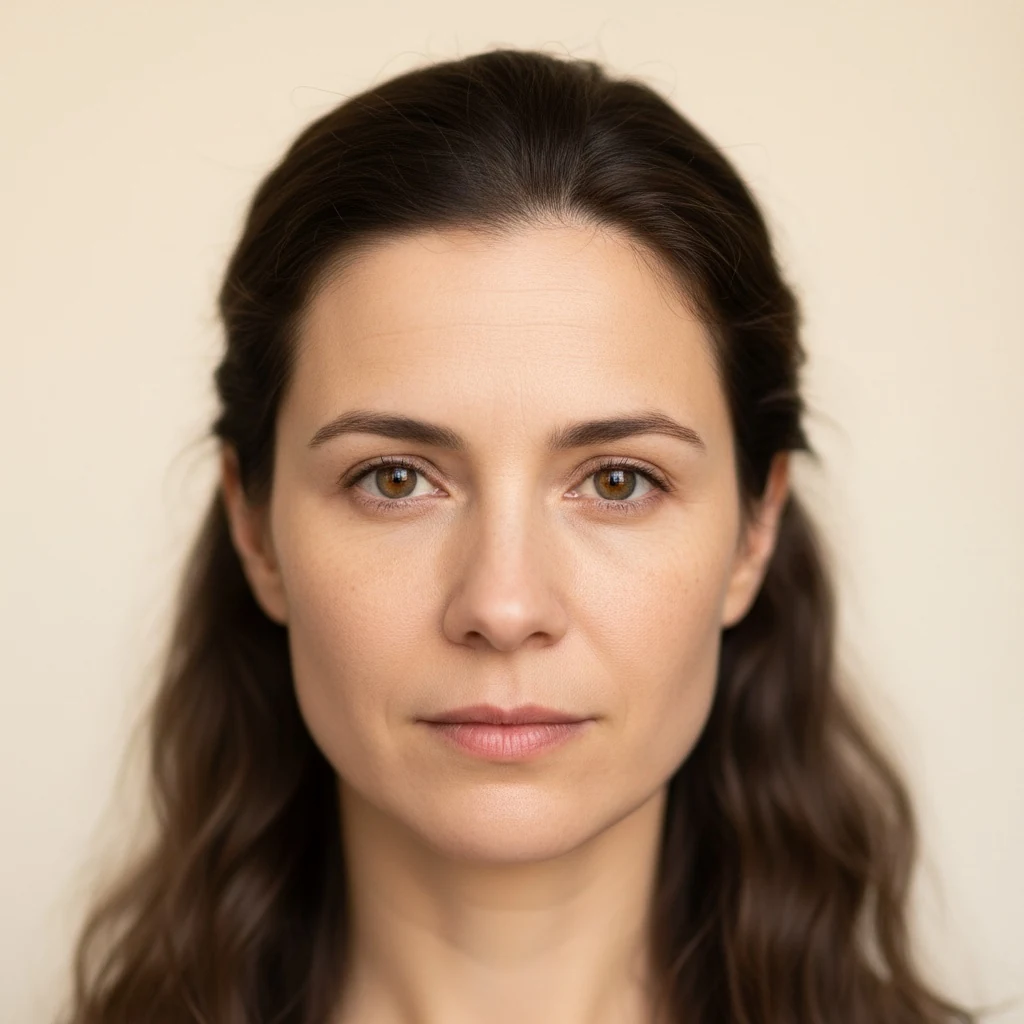
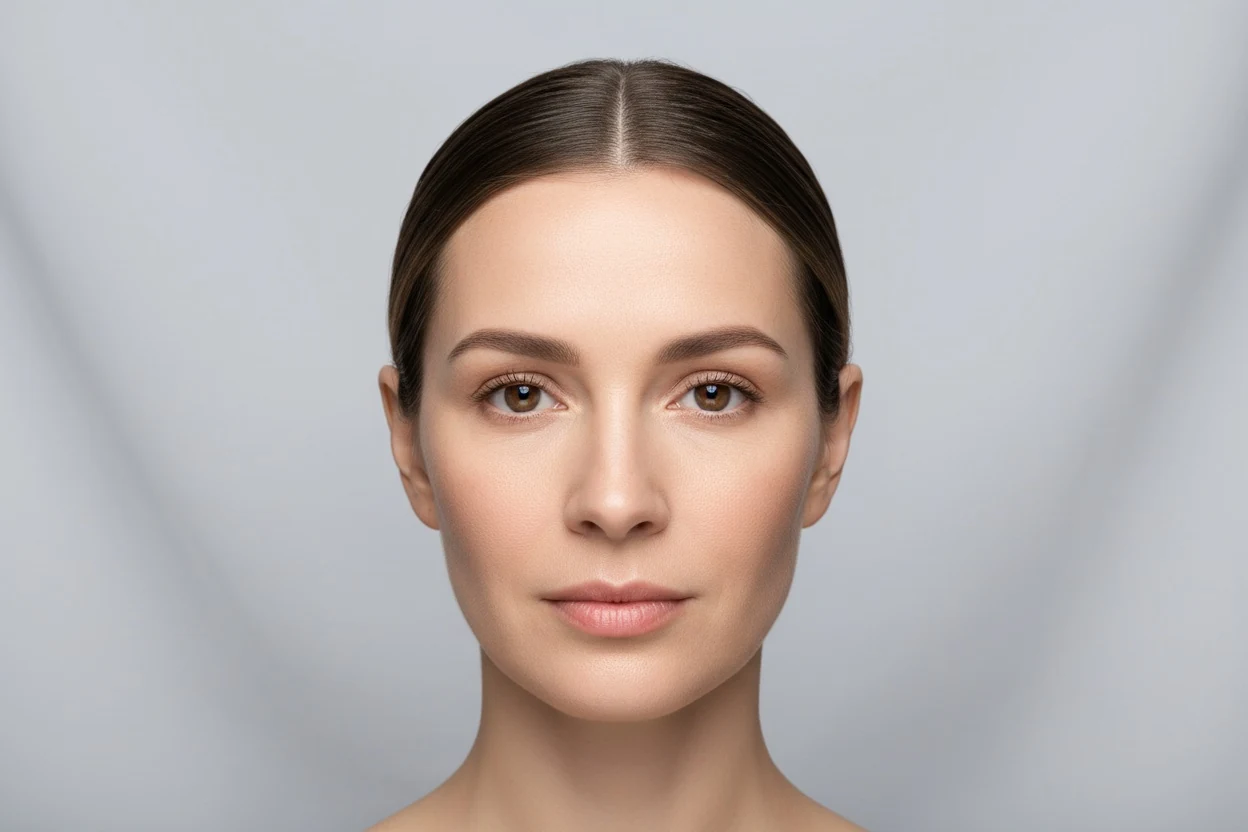
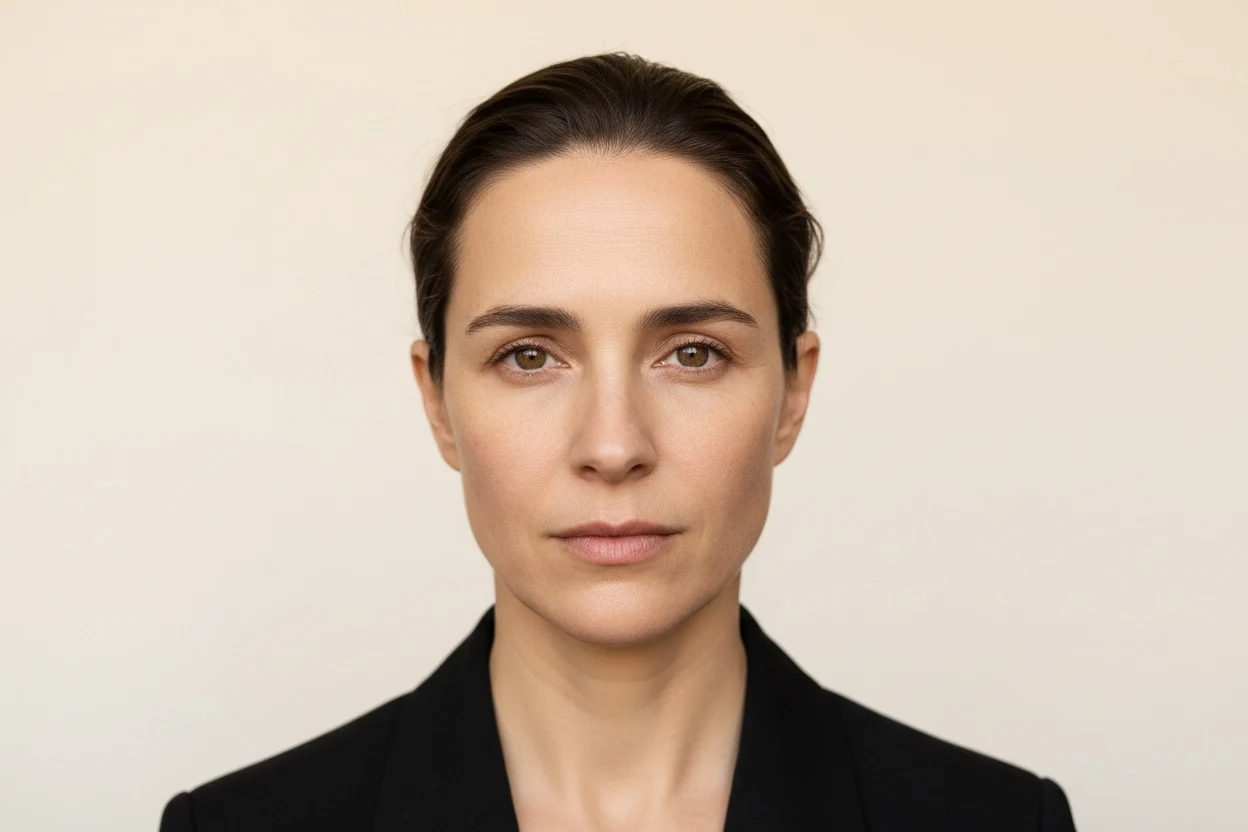
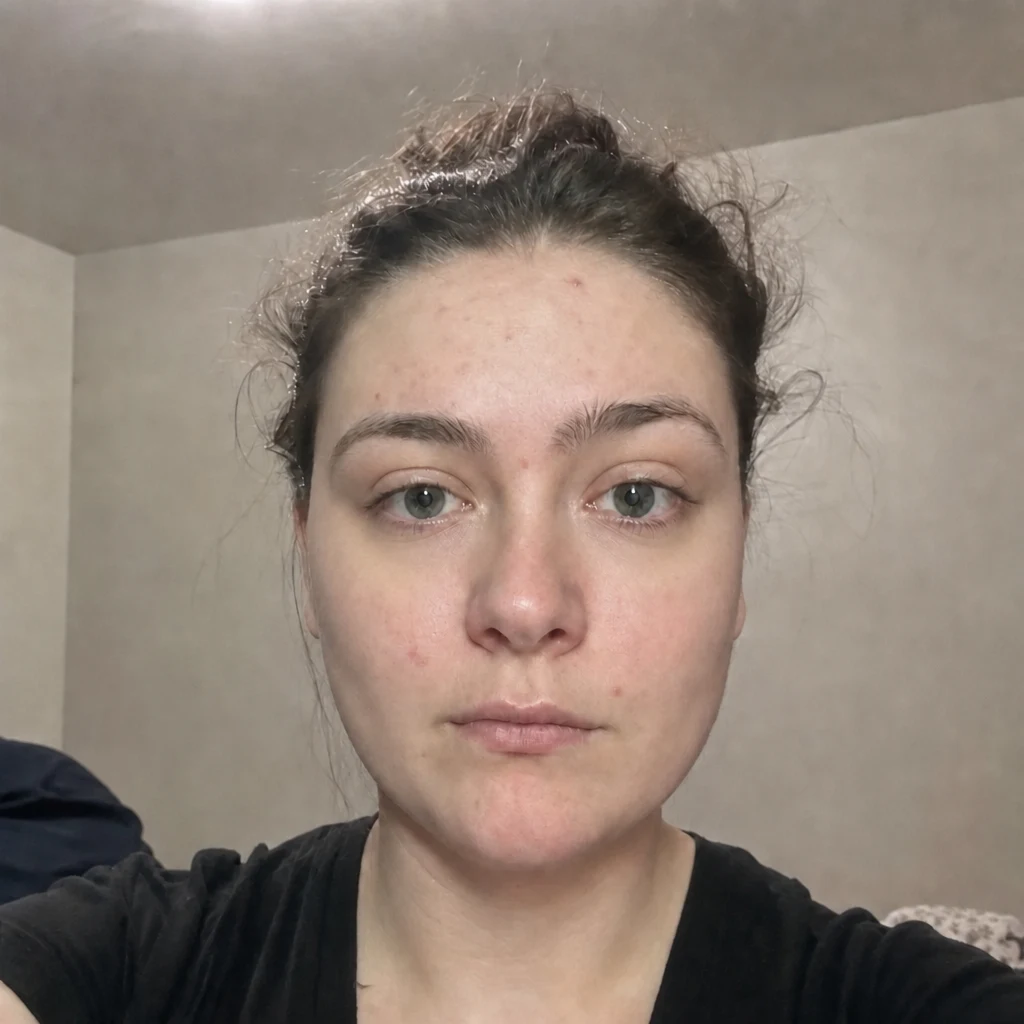
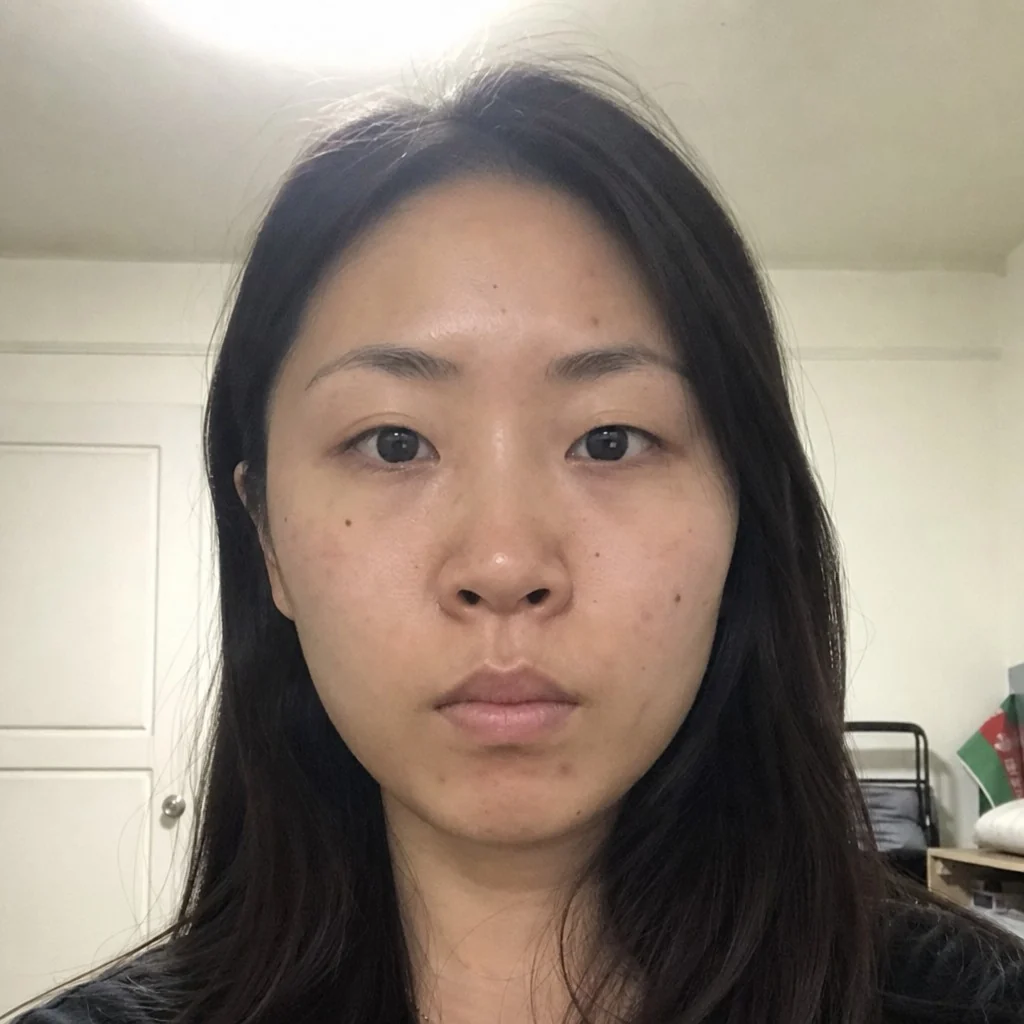
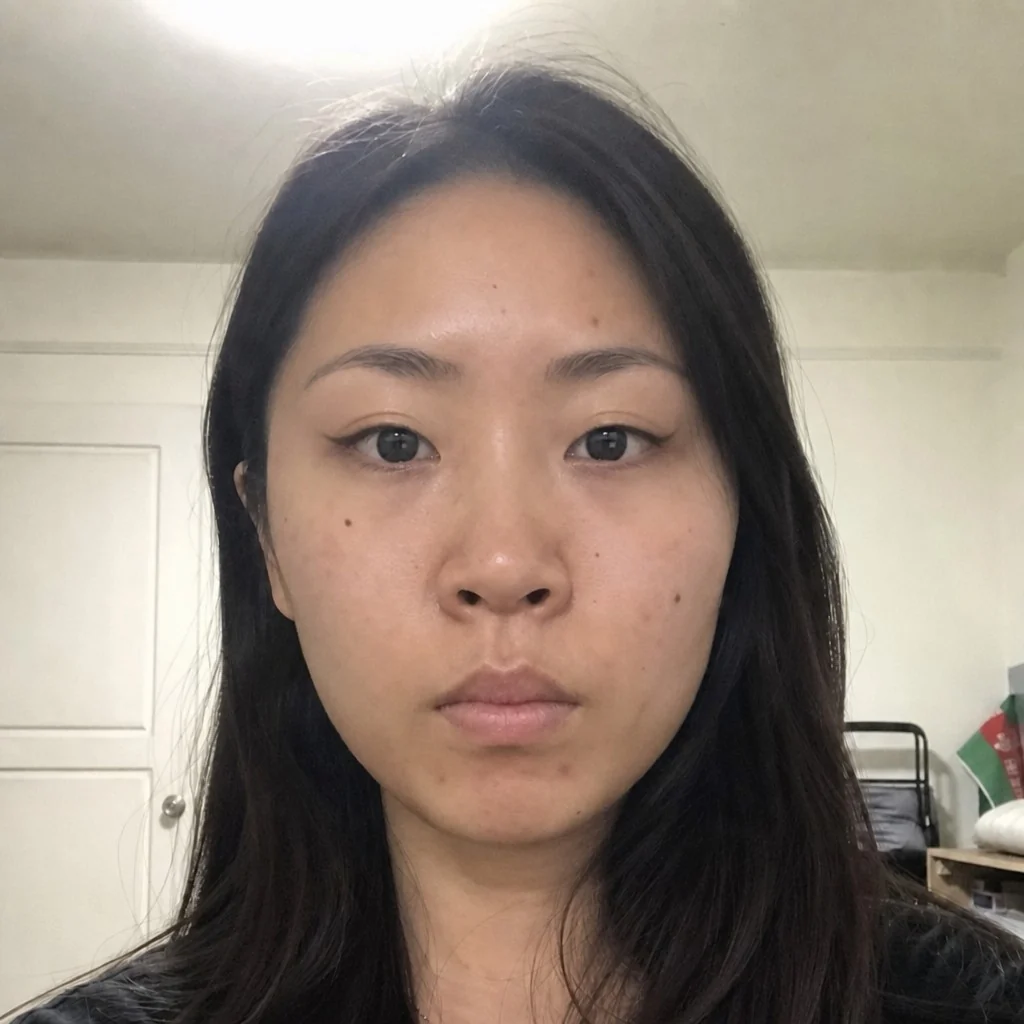
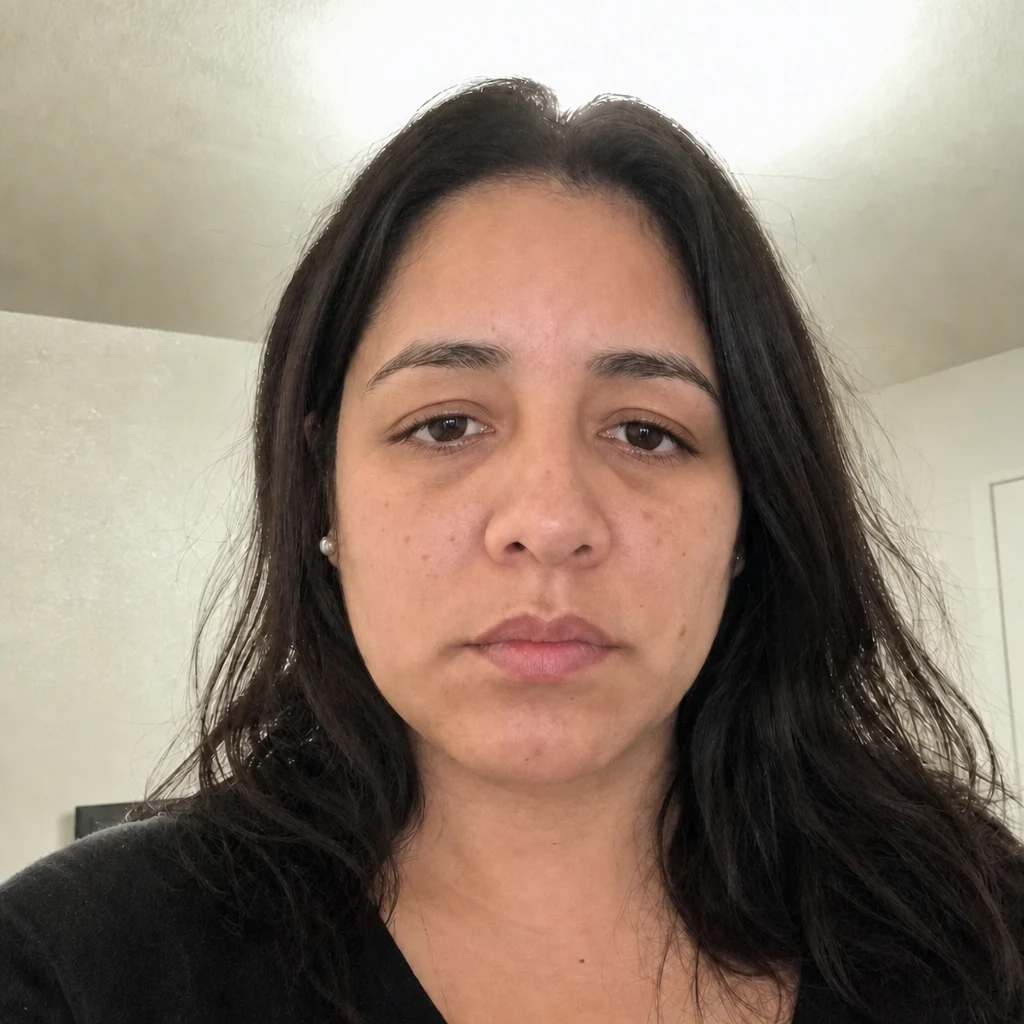
Brow Lift simulator — example render
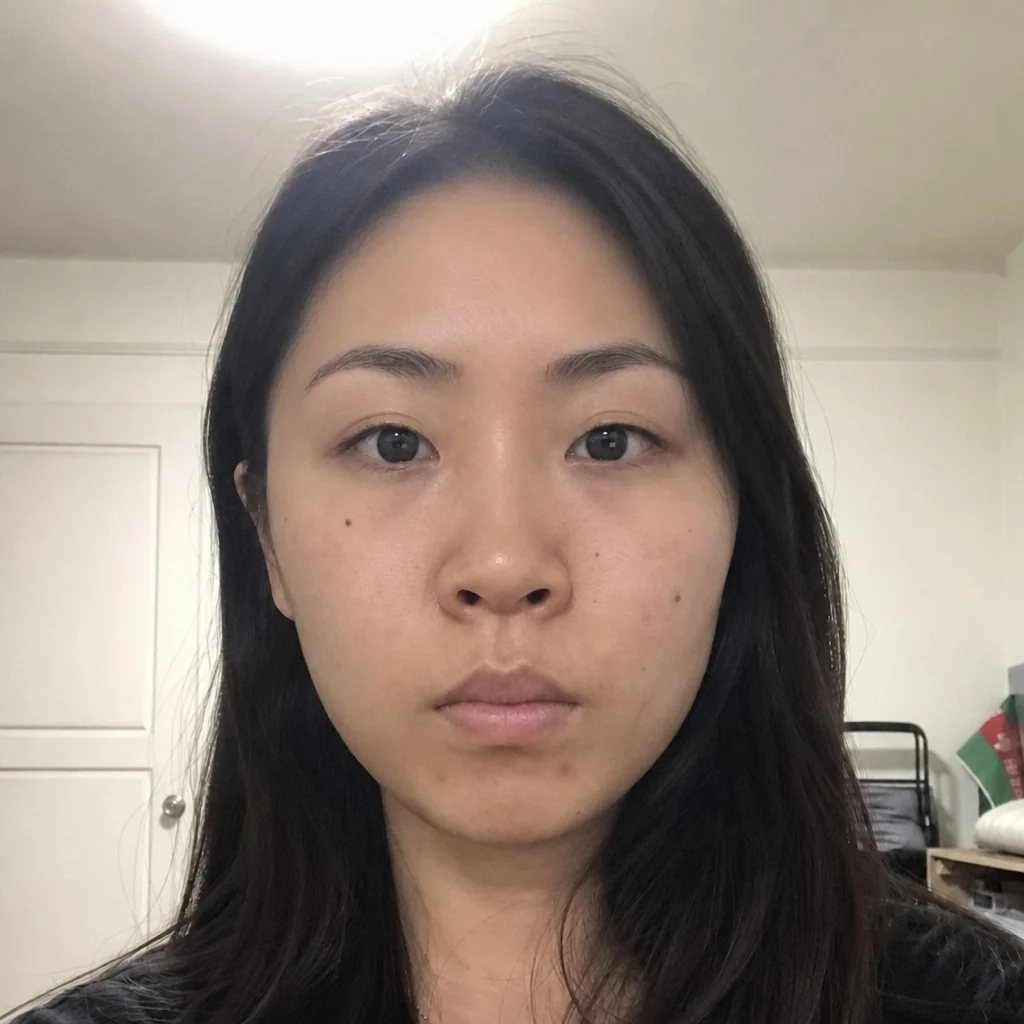
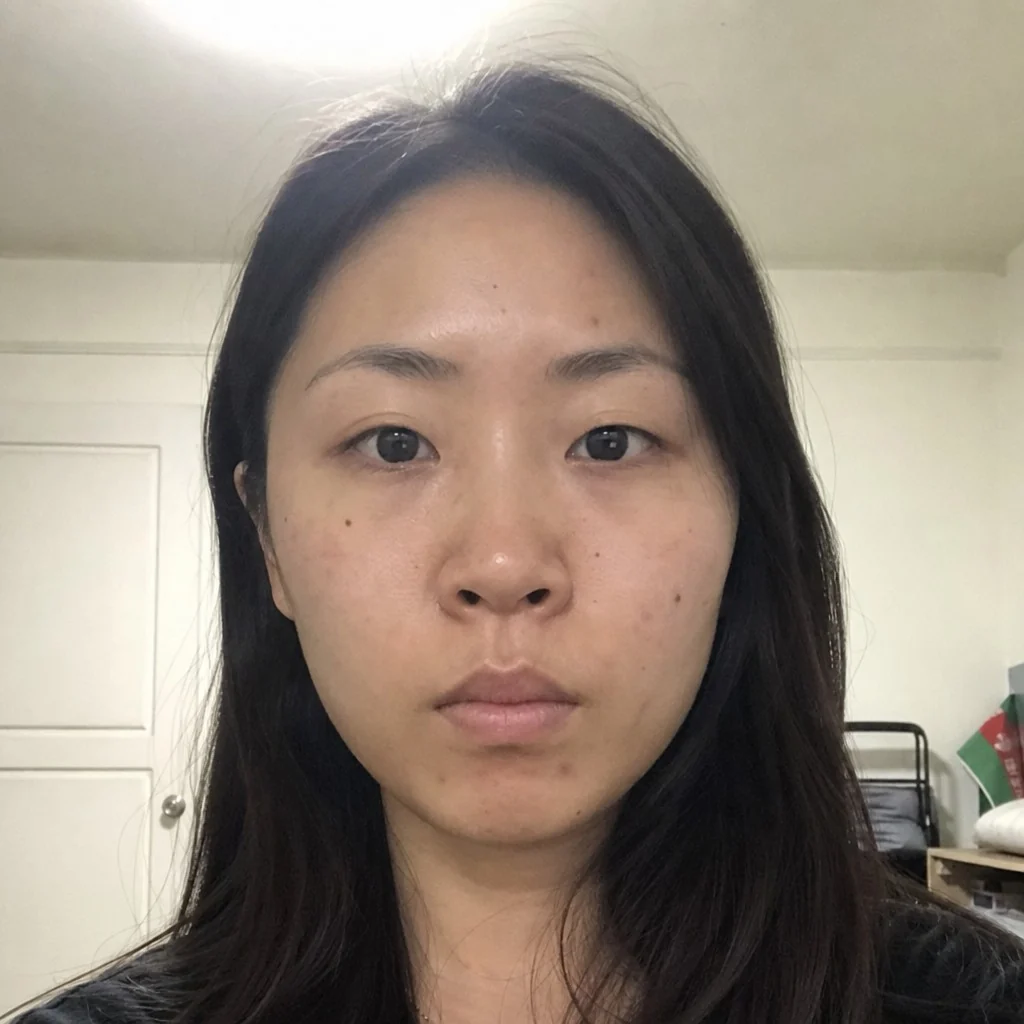
- Type
- Surgical, long-lasting
- ASPS average surgeon's fee
- $5,460, before anesthesia and facility
- Recovery
- One to two weeks of swelling and bruising
- Non-surgical version
- Toxin, a few millimeters, about 3–4 months
- Upload one front-facing photo
- The render changes brow height and arch — and leaves the rest of your face alone
- Compare your before and after side by side
1 render = 1 credit
5 credits $4.99, no subscription · or Starter $7.99/month for 10. The face analysis is free.
What is a brow lift?
A brow lift is surgery that raises the eyebrows and the soft tissue above the eyes, and holds them in a higher position. Brows descend with age, and often the outer end drops first. A lower brow pushes skin down onto the upper lid, which makes the eye look heavier, and can give the face a tired or stern look even at rest.
The terms brow lift and forehead lift are often used for the same operation. “Brow lift” usually describes the goal; “forehead lift” describes the area, and some techniques also soften horizontal forehead lines.
Brow lift before and after: what changes
| What changes | Before | After |
|---|---|---|
| Brow height | Brow at or below the bony rim, especially at the tail | Brow resting above the rim |
| Upper-lid space | Skin pushed down onto the lid | More lid visible, even without eyelid surgery |
| Brow shape | Flat or drooping outer end | Tail slightly higher than the head in most modern plans |
| Forehead | Lines from constantly raising the brows | Often softer, because the forehead no longer has to lift |
| Hairline | — | May move up or down depending on technique |
How the lift changes brow shape
Where the lift is applied matters as much as how much. Lifting mainly the outer brow tends to produce a soft arch or a slightly angled brow; lifting the inner brow as much as the outer can round the arch and create the startled look people fear. Which of those shapes suits you depends on your face — see eyebrow shape for your face shape.
Brow lift for men
Male brows usually sit lower and flatter, close to the bony rim. A brow lift for men generally aims to lift less and keep the brow straight, since a high arch can feminize the face. Receding hairlines also change the choice of incision, and a direct brow lift is used more often in men with heavy brows.
Types of brow lift: endoscopic, temporal, direct and more
| Technique | Incision | Usually considered for | Trade-off |
|---|---|---|---|
| Endoscopic brow lift | Several short incisions behind the hairline | Normal forehead height, whole-brow lift | Can raise the hairline slightly |
| Temporal (lateral) brow lift | Incisions in the hair at the temples | Outer brow drooping, milder cases | Lifts the tail only |
| Pretrichial / hairline brow lift | Along the front hairline | High forehead, where the hairline should not rise | A scar at the hairline edge |
| Coronal brow lift | Across the top of the scalp, ear to ear | Larger lifts; less common now | Long scar, raises hairline, more numbness |
| Direct brow lift | Just above the brow hairs | Heavy brows, older men, brow droop from nerve weakness | A scar at the brow |
| Browpexy through the eyelid | Through an upper blepharoplasty incision | Stabilizing the brow during eyelid surgery | Small lift |
Endoscopic brow lift
A small camera is passed through short incisions in the scalp, the tissue is released from the bone, and the brow is lifted and fixed in position with sutures or small absorbable devices. It avoids a long scar, which is why it is the most searched surgical brow lift, but it pulls the hairline back slightly — a drawback for someone who already has a high forehead.
Temporal brow lift
A temporal brow lift works only on the outer third of the brow through incisions hidden in the hair above the ears. It suits the common pattern where the tail has dropped but the inner brow has not, and it is often combined with upper blepharoplasty.
Brow lift for hooded eyes: brow or eyelid?
Will a brow lift fix hooded eyes? Only when the brow is the cause. If the brow has descended, lifting it pulls the fold of skin up off the lid. If the brow sits in a good position and the fold is lid skin, a brow lift raises everything and the fold remains — that needs blepharoplasty. And if the lid margin itself is low, neither helps; that is ptosis.
Hooded eyes often become more hooded with age because brows descend and lid skin loosens at the same time, which is why brow lifts and upper eyelid surgery are so often done together. The hooded eyes page covers what a photo can tell apart.
Non-surgical brow lift: botox, filler, threads and ultrasound
| Option | How it lifts | How long it lasts | Realistic effect |
|---|---|---|---|
| Botox brow lift | Relaxes the muscle at the brow tail that pulls it down | Commonly 3–4 months | A few millimeters at the tail |
| Filler | Supports the brow tail and restores volume under it | Commonly many months | Subtle support rather than lift |
| Thread lift | Barbed threads suspend the brow | Months, often under a year | Modest, temporary |
| Microfocused ultrasound | Heats deeper tissue to tighten gradually | Builds over months | Modest; FDA-cleared for eyebrow lift |
A botox brow lift is the most common non-surgical option and a reasonable way to preview a small lift. The botox simulation covers the wider upper-face result, and the thread lift simulation covers threads.
BeforeAfter — simulatedSee a brow lift on your own face
Run this simulationBrow lift cost
The American Society of Plastic Surgeons lists an average surgeon's fee of $5,460 for a brow lift. ASPS notes that this does not include anesthesia, operating room facilities or related expenses, so the full price is higher. Brow lift prices commonly quoted in the United States span roughly $3,000–$8,000, depending mostly on technique and location.
- Technique — a temporal brow lift is usually quoted lower than an endoscopic or hairline brow lift.
- Anesthesia and facility — general anesthesia in a surgical center costs more than local with sedation.
- Combination — a brow lift with upper blepharoplasty adds cost but is usually cheaper than two separate operations.
- Non-surgical — a botox brow lift costs far less per session but repeats every few months.
Brow lift recovery: typical timeline
| Time after surgery | What is typically reported |
|---|---|
| Days 1–3 | Swelling and tightness across the forehead; head elevated; bruising may drift down toward the eyes |
| Around 1–2 weeks | Stitches or staples removed; most bruising fades; many return to work |
| Weeks 2–6 | Brows may look slightly too high or uneven while swelling settles; strenuous exercise usually resumed |
| Months 1–6 | Scalp numbness and itching gradually ease as nerves recover |
| Around 6 months | Brow position and scars largely settled |
Brow lift risks: scars, numbness and brow lift gone wrong
- A surprised look — over-elevation, usually of the inner brow. The most feared brow lift gone wrong outcome, and the reason conservative, outer-weighted lifts are common.
- Asymmetry — one brow higher than the other.
- Numbness and itching of the forehead and scalp, usually temporary; persistent patches are documented.
- Scarring or hair loss along the incisions, a particular concern with hairline and direct approaches.
- Hairline change — raised by some techniques.
- Weakness raising the brow from injury to a branch of the facial nerve, uncommon and usually temporary.
- Relapse — the brow gradually descending again.
Brow lift simulator: lifted brows on your own photo
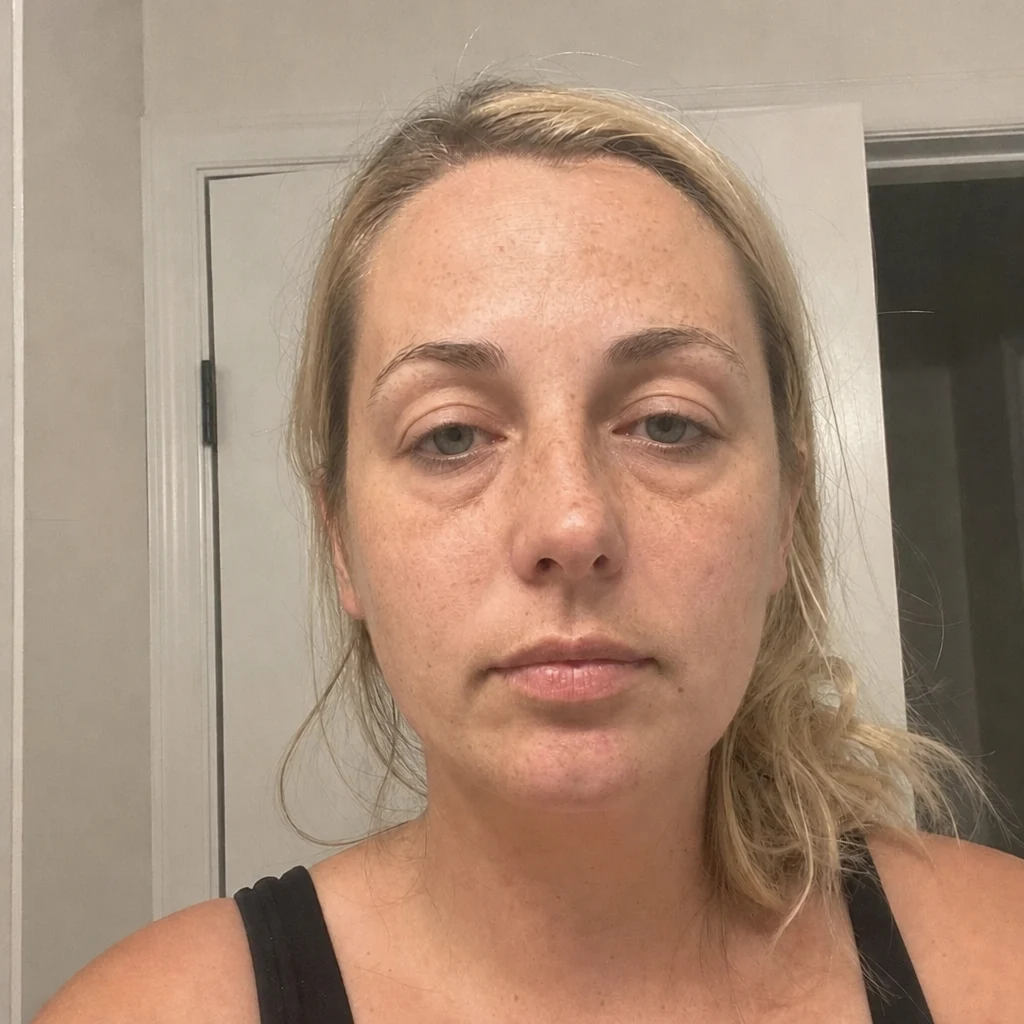
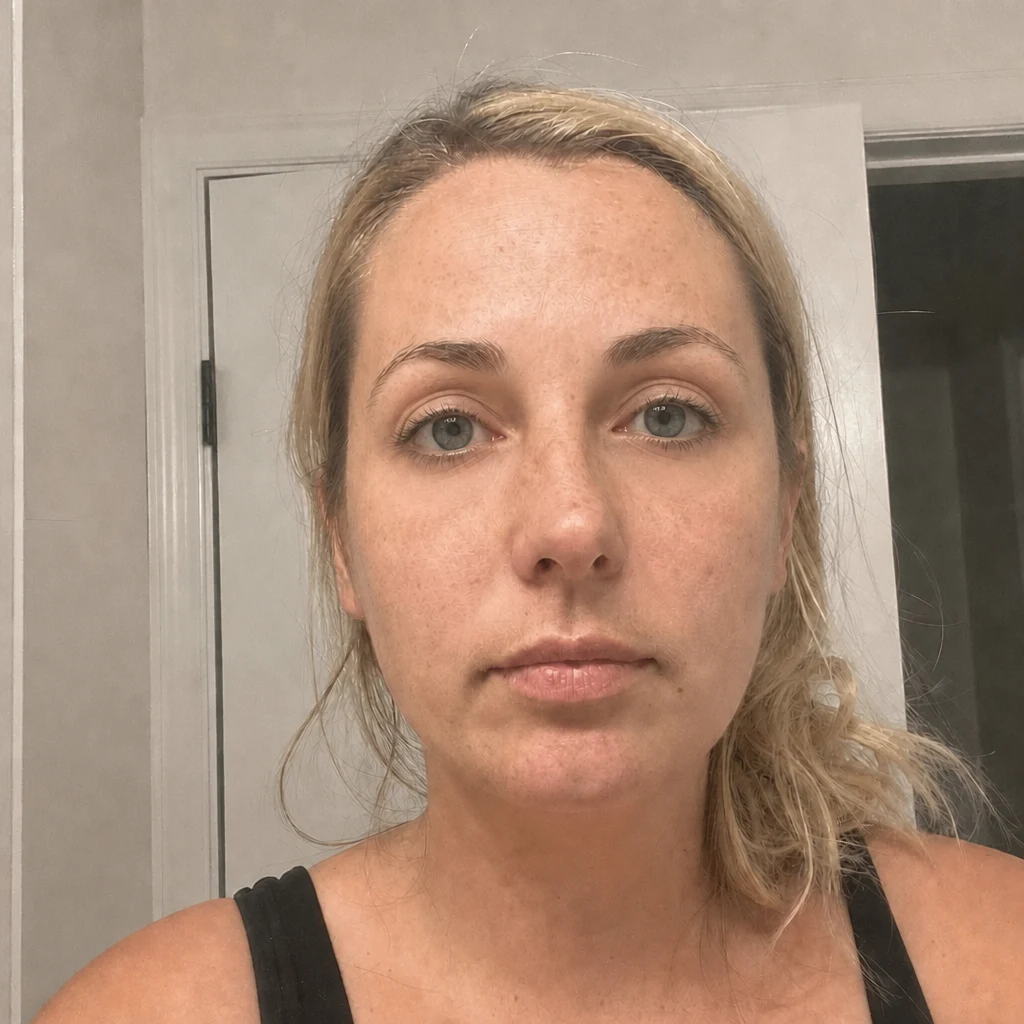
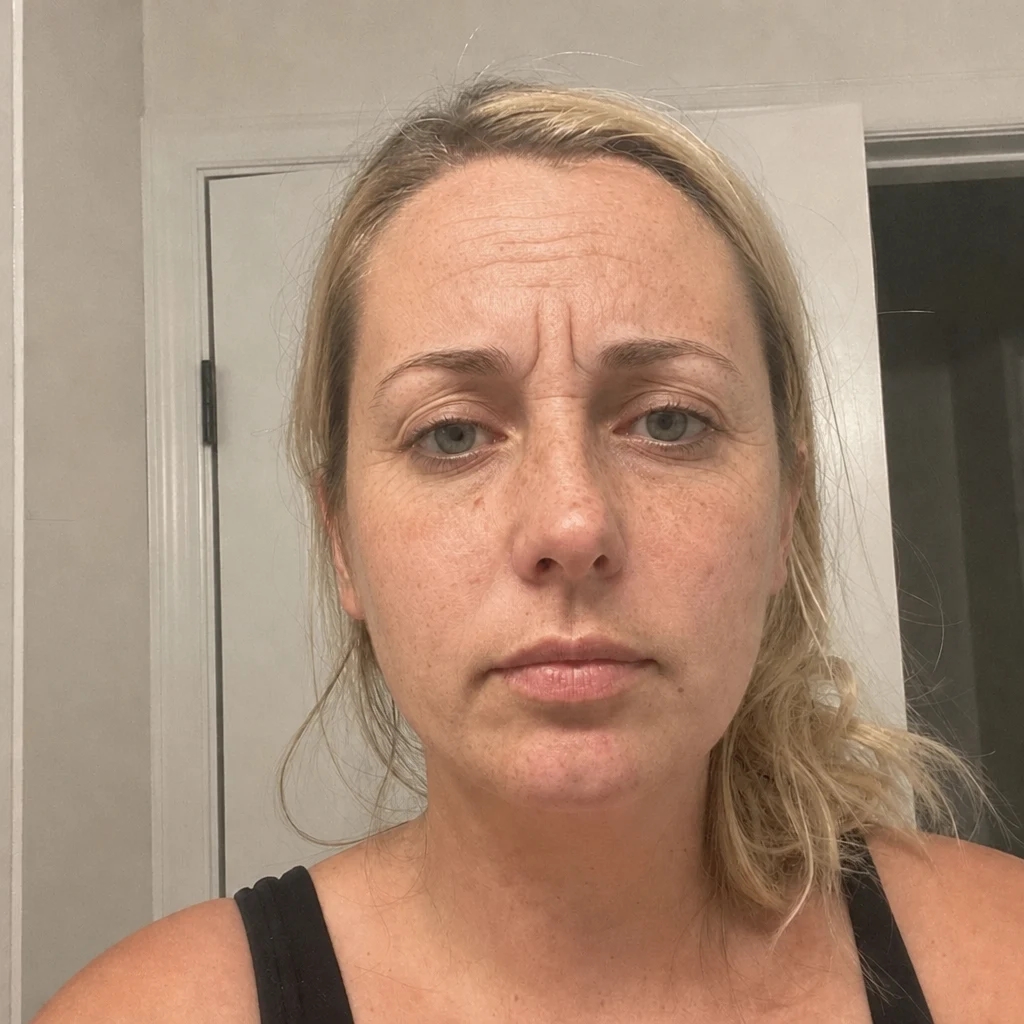
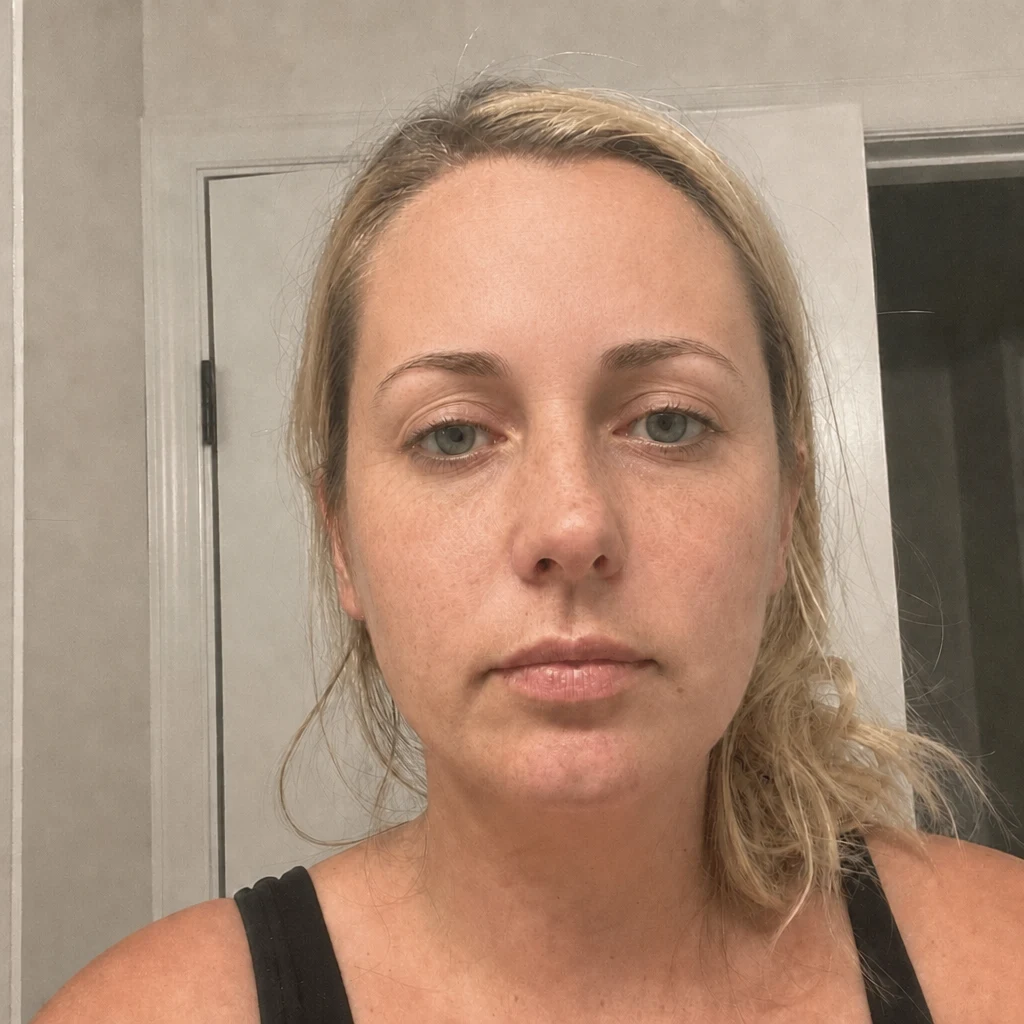
The brow lift simulation raises and arches the brows, lifts the tails, reduces the hooding over the upper lids and smooths the forehead. It is a quick way to see whether a higher brow suits your face, and how much lift starts to look like too much.
Keep three limits in mind. The render smooths the forehead, which some surgical techniques do and others do not. It cannot show incisions, hairline change or numbness. And it opens the eye area whether or not your heaviness actually comes from the brow — the render cannot make that distinction. Brow tail height also changes how the outer eye reads, which the canthal tilt test measures at the eye corners themselves.
See how much upper lid is visible and whether your eyes read as hooded before deciding whether the brow or the lid is the question.
Check your eye shapeQuestions to ask your surgeon before a brow lift
- Is my heavy upper eye coming from my brow, my lid skin or both — and what happens if we only lift the brow?
- Which technique do you recommend for my forehead height and hairline, where will the incisions be, and will my hairline move?
- How much lift are you planning at the inner versus the outer brow, and would a botox brow lift first give me a preview?
Alternatives to brow lift
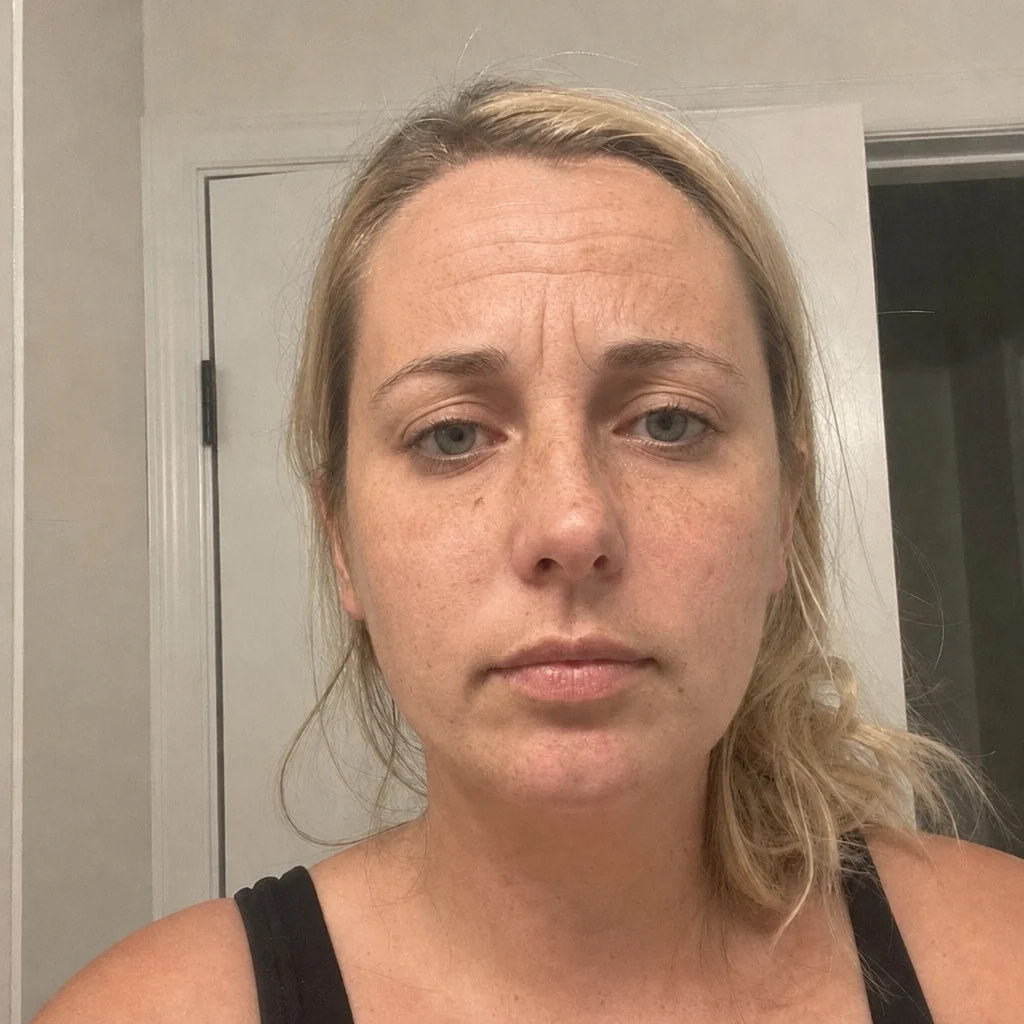
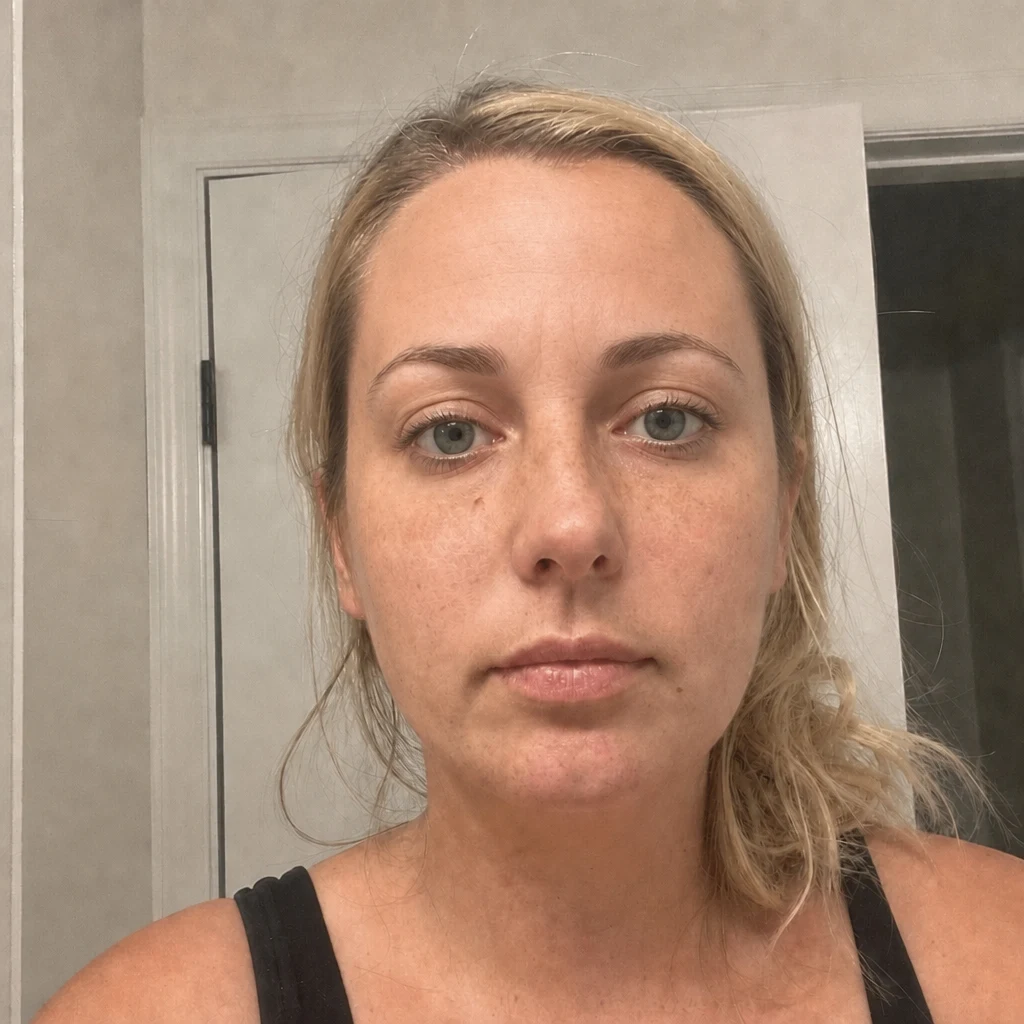
How the brow lift simulation works
Your photo is analysed for the landmarks that matter to this procedure, and the render changes brow height and arch while leaving the rest of your face alone. That constraint is the hard part — a generic image model will happily redraw your whole face and hand you a stranger who looks better.
The render lifts the brow in the frame. It cannot tell you whether your heavy upper eye comes from the brow or from lid skin, and lifting the wrong one is the classic mismatch between expectation and result.
It is an illustration of a plausible direction, not a prediction of your result and not a medical opinion. What it is genuinely good for is finding out whether you want the change at all — plenty of people render one, find the difference smaller than they imagined, and stop there.
Measure your face before a brow lift simulation
The free analysis tools measure symmetry, facial proportion and face shape, and tell you which measurements sit outside the reference range. Choosing a procedure from that is a much better starting point than choosing one from a photo you saved.
Brow Lift simulator — frequently asked questions
How long does a brow lift last?
Surgical brow lifts are long-lasting, commonly described as many years, but the brow keeps descending slowly from its new position with age. Non-surgical lifts last months.
What is the best age for a brow lift?
There is no set age. Brow lifts are usually considered when the brow has visibly descended, which most often happens from middle age onward, but some people have naturally low brows much earlier.
Does a brow lift leave visible scars?
Endoscopic and temporal incisions are hidden in the hair. Hairline and direct brow lift scars sit at visible edges, usually fading over a year, which is the trade-off for their advantages.
Can a brow lift be done at the same time as eyelid surgery?
Yes, and it often is. Many surgeons lift or stabilize the brow first in the same operation, then plan how much upper-lid skin to remove from the new brow position.
Is a botox brow lift worth trying first?
It is a common first step: inexpensive compared with surgery, temporary, and a few millimeters of lift at the brow tail. If you like the direction, it helps you describe what you want from a surgical lift.
Can a brow lift make my forehead look bigger?
Some techniques raise the hairline, which lengthens the forehead. People with a high forehead are often offered a hairline incision instead, which can keep or even shorten the forehead height.
Is the brow lift simulator free?
The face analysis is free and needs no account. A rendered simulation costs credits because it runs on a GPU — $4.99 buys five and does not require a subscription.
How accurate is an AI brow lift simulation?
It is an illustration of a plausible outcome, not a prediction of your result. Real outcomes depend on your anatomy, the facial plastic surgeon and how you respond. Treat it as a conversation starter for a consultation, not a promise.
Do you keep my photo?
The free measurements never leave your browser. A simulation does send the photo to a rendering service, which is why it asks for explicit consent first, and you can delete the result from your dashboard at any time.
Can I show this to a facial plastic surgeon?
Yes, and that is the most useful thing to do with it. Bringing a picture of the direction you want is far more precise than describing it in words.
Other eyes & brows simulations

This page is not medical advice and we are not clinicians. A simulation cannot tell you whether a procedure is appropriate for you, what it costs, or what the risks are. Those questions belong with a qualified facial plastic surgeon.