Forehead Lift Before and After: Techniques, Cost, and Your Own Preview
A forehead lift raises a low or heavy brow and smooths the forehead above it. The technique decides where the scar goes and whether your hairline moves up, stays or comes down — which matters more than most before and after photos let on. Here is how the approaches compare, what recovery and cost look like, and a render of a lifted brow on your own photo.
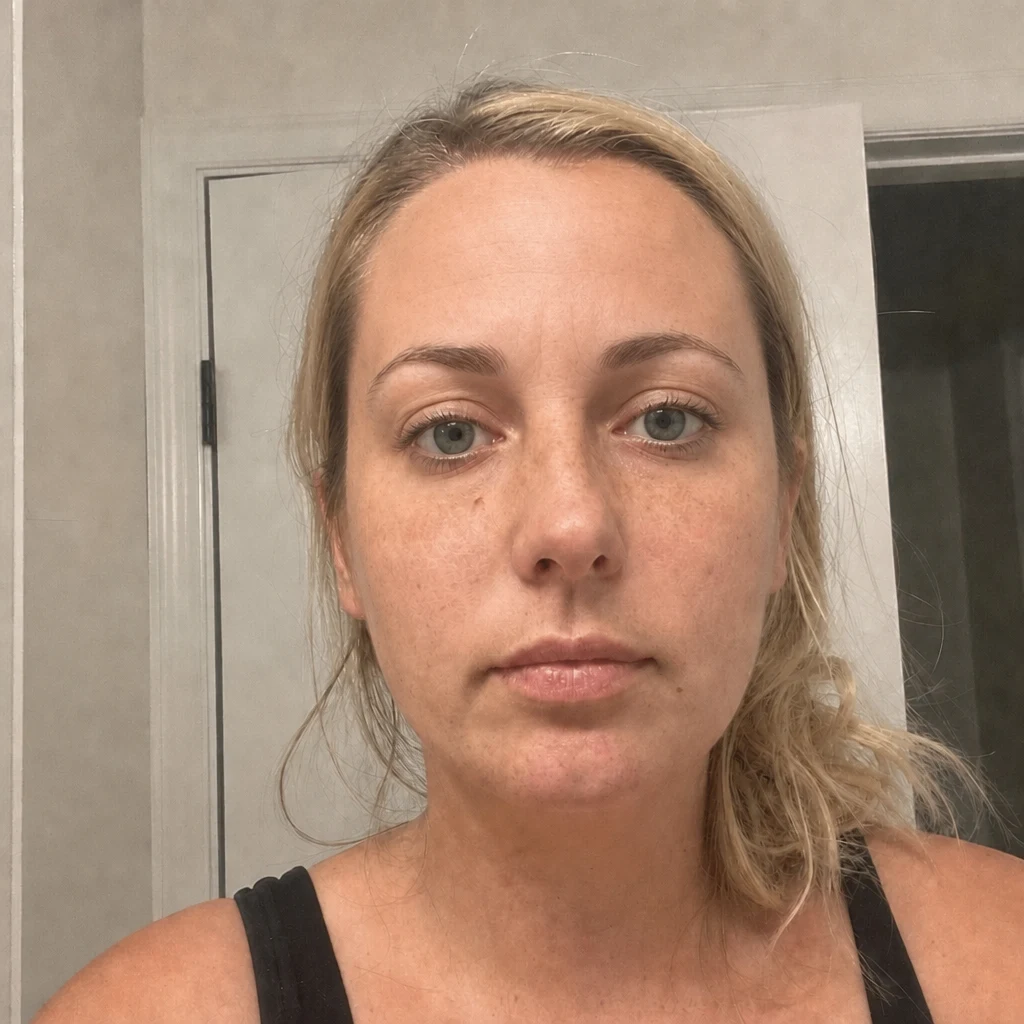
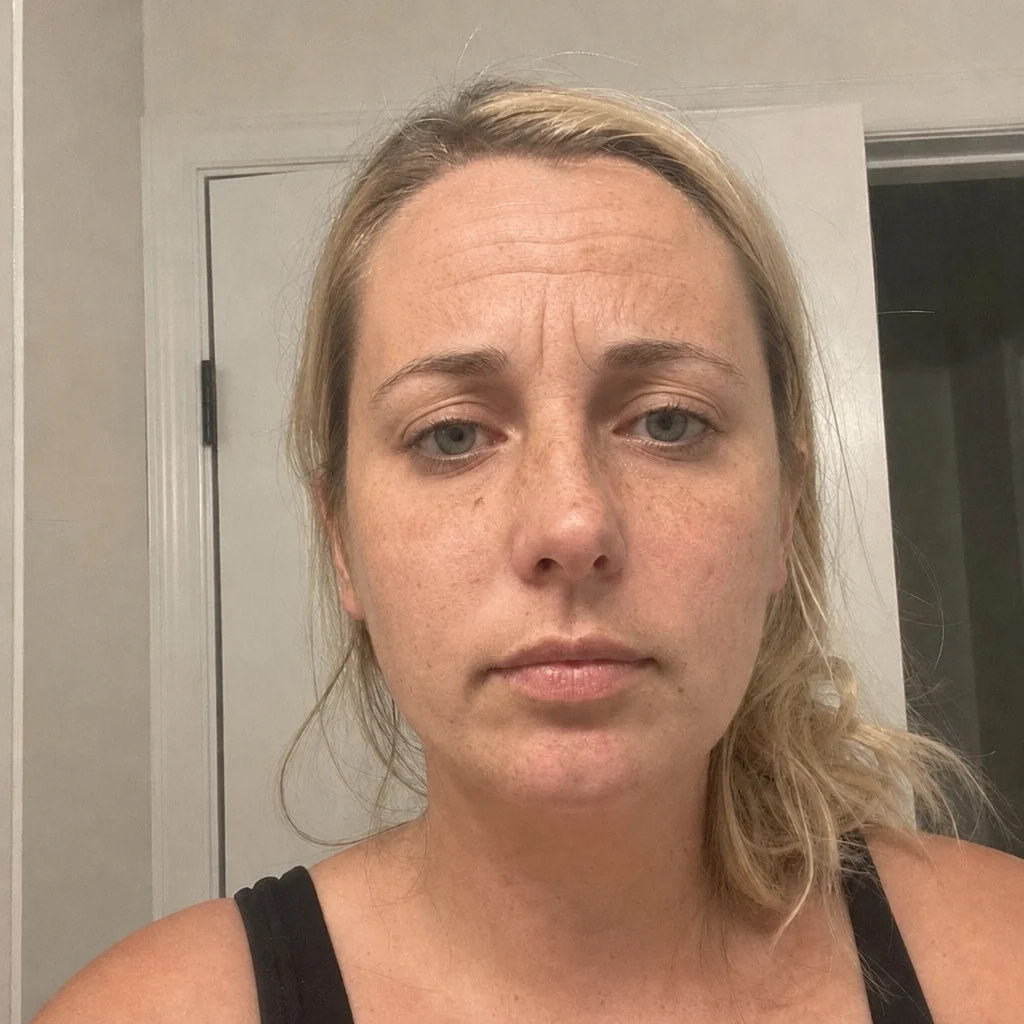
Forehead Lift simulator — example render
- Type
- Surgical, long-lasting
- Average surgeon fee (ASPS)
- $5,460, before anesthesia and facility
- Recovery
- 1–2 weeks of visible swelling
- Hairline
- Can rise, stay or drop, by technique
- Upload one front-facing photo
- The render changes forehead lines and brow position — and leaves the rest of your face alone
- Compare your before and after side by side
1 render = 1 credit
5 credits $4.99, no subscription · or Starter $7.99/month for 10. The face analysis is free.
What is a forehead lift?
A forehead lift repositions the brow and the soft tissue of the forehead upward, and in most techniques weakens or releases the muscles that pull the brows down and together. The American Society of Plastic Surgeons (ASPS) lists what it addresses: horizontal forehead lines, vertical frown lines between the brows, and sagging brows that hood the upper eyelids.
It is usually considered when the brow sits low enough to make the upper face look tired, heavy or cross at rest. It is often combined with eyelid surgery, a facelift or skin resurfacing, and it does not change the forehead bone, its width, or — unless the technique is chosen for it — its height.
Forehead lift vs brow lift: is it the same operation?
Largely, yes. ASPS uses the two names for one procedure. In practice, surgeons tend to say brow lift when the goal is the brow's position and forehead lift when the whole forehead is being lifted and smoothed, and clinics list them separately for search reasons as much as surgical ones. A lateral or temporal lift that raises only the outer brow is almost always called a brow lift; the brow lift simulation shows that version.
Forehead lift techniques and what each does to your hairline
Every forehead lift is a choice of where to hide the incision, and that choice decides what happens to forehead height. This is the part of the consultation most worth understanding in advance, especially if your forehead is already tall.
| Technique | Incision | Effect on hairline | Usually considered for |
|---|---|---|---|
| Coronal | Ear to ear across the top of the scalp, inside the hair | Raises it | Lower foreheads with a full, stable hairline |
| Endoscopic | Three to five short incisions behind the hairline, with a camera | Can raise it slightly | Moderate brow descent and an average forehead height |
| Pretrichial / trichophytic | Along the front edge of the hairline | Keeps it, or lowers it | High foreheads, where raising the hairline would lengthen the face |
| Temporal (mini forehead lift) | Short incisions in the temple hair | Little effect | Lifting the outer brow only |
| Direct or mid-forehead | Above the brow, or in a deep forehead crease | None | Deep creases or a bald scalp, where scalp incisions have nowhere to hide |
Endoscopic forehead lift
The most common modern approach. Small incisions and a camera let the surgeon release the tissue and fix the brow higher without a long scar. It usually involves less scalp numbness than a coronal lift, and because the brow is lifted from behind the hairline, the hairline can move back a little with it.
Pretrichial (trichophytic) forehead lift
The incision follows the hairline and is beveled so hair grows through the scar. Tissue is lifted from the front, so the hairline stays where it is — or can be brought down if skin is removed. When shortening the forehead is the main goal rather than lifting the brow, the operation is hairline lowering, also called forehead reduction.
Forehead lift for men: incision choice and brow shape
Two things change for men. Hair loss: a receding or thinning hairline can expose an endoscopic or coronal scar later, so future recession is part of the plan, and a bald scalp pushes the choice toward direct or mid-forehead approaches. And brow shape: male brows tend to sit lower on the brow bone and flatter, so a lift that adds a high arch reads as feminizing. Male forehead lift before and after photos that look natural usually show a modest, flat lift.
Forehead lift for hooded eyes: brow or eyelid skin?
Heavy upper eyes are the most common reason people consider a forehead lift, and three different things produce the same look in a mirror: excess eyelid skin, a brow that has descended and pushes tissue down onto the lid, or a lid margin that sits low.
A forehead lift raises the brow; it does not remove lid skin. If the heaviness is mostly skin, lifting the brow moves the fold up without removing it, and blepharoplasty is the relevant operation — often the two are combined. The hooded eyes page explains the distinction in more detail.
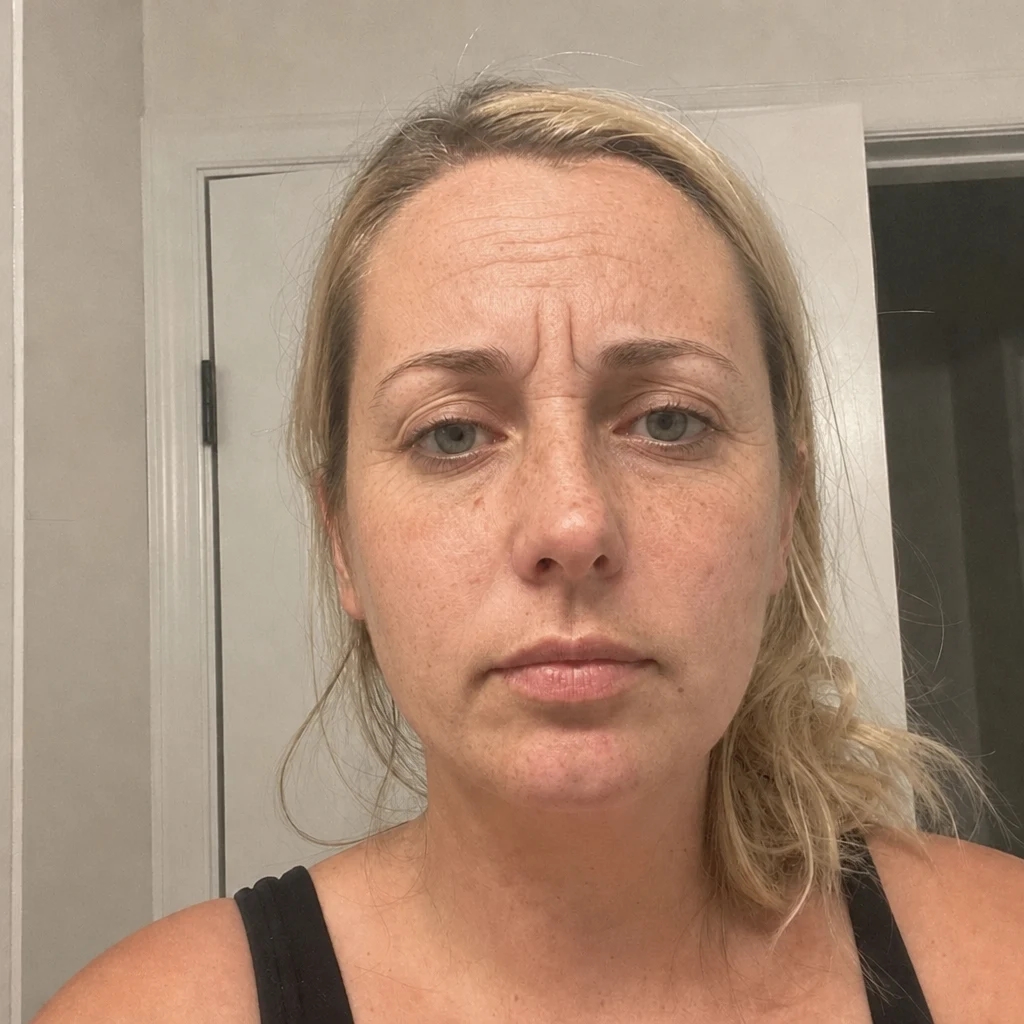
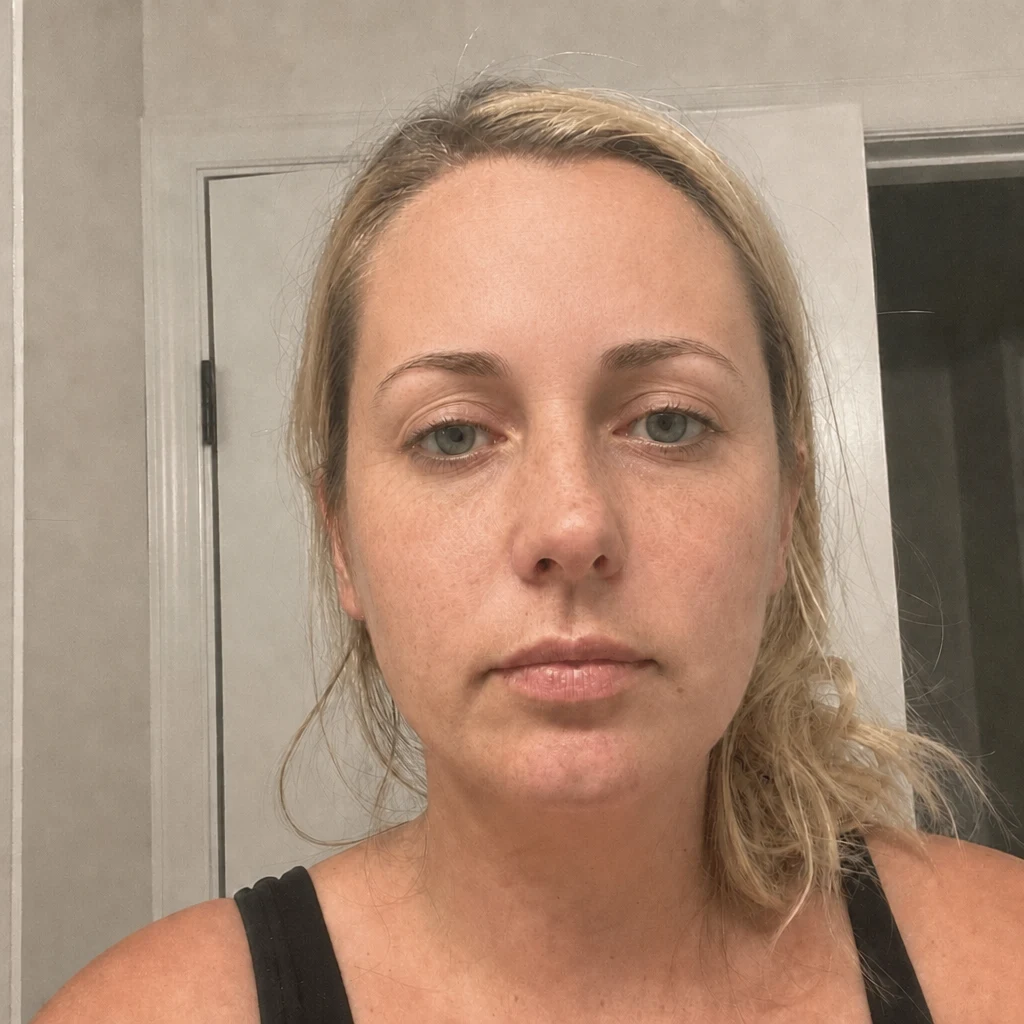
Forehead lift before and after: how to read the photos
Forehead and brow lift galleries are easy to flatter, because the result is a change of a few millimeters in a feature everyone can move at will.
- Brow activity. Raising the brows even slightly in the after photo imitates the whole result. Look for tension lines across the forehead — a relaxed forehead after surgery should not have them.
- Hairline position. Measure brow to hairline in both frames. In coronal and endoscopic before and after photos, a taller forehead is part of what was done.
- Toxin. Smooth forehead skin in the after photo may be botox, not surgery.
- Timing. Early photos can look over-lifted or surprised; the brow settles over the first few months.
- Combined work. Eyelid surgery in the same session makes it impossible to tell what the forehead lift itself contributed.
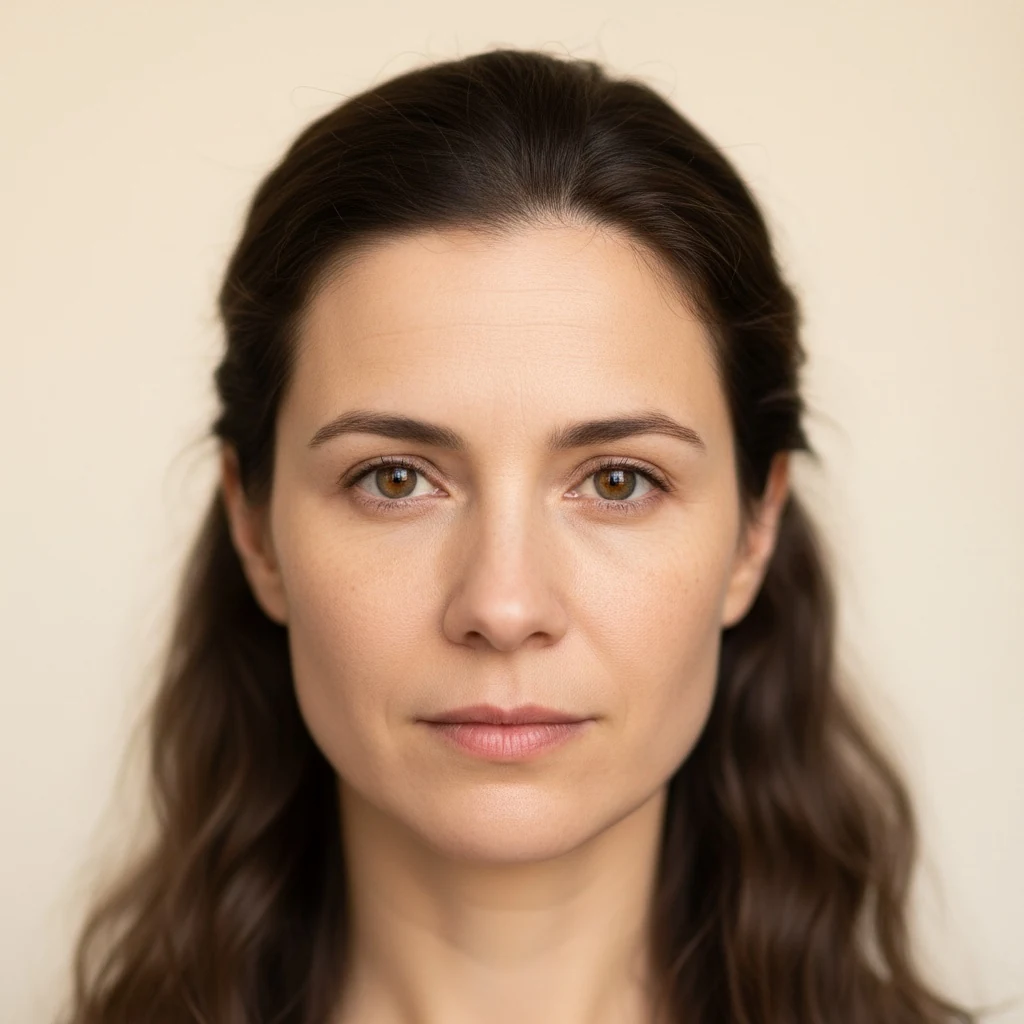
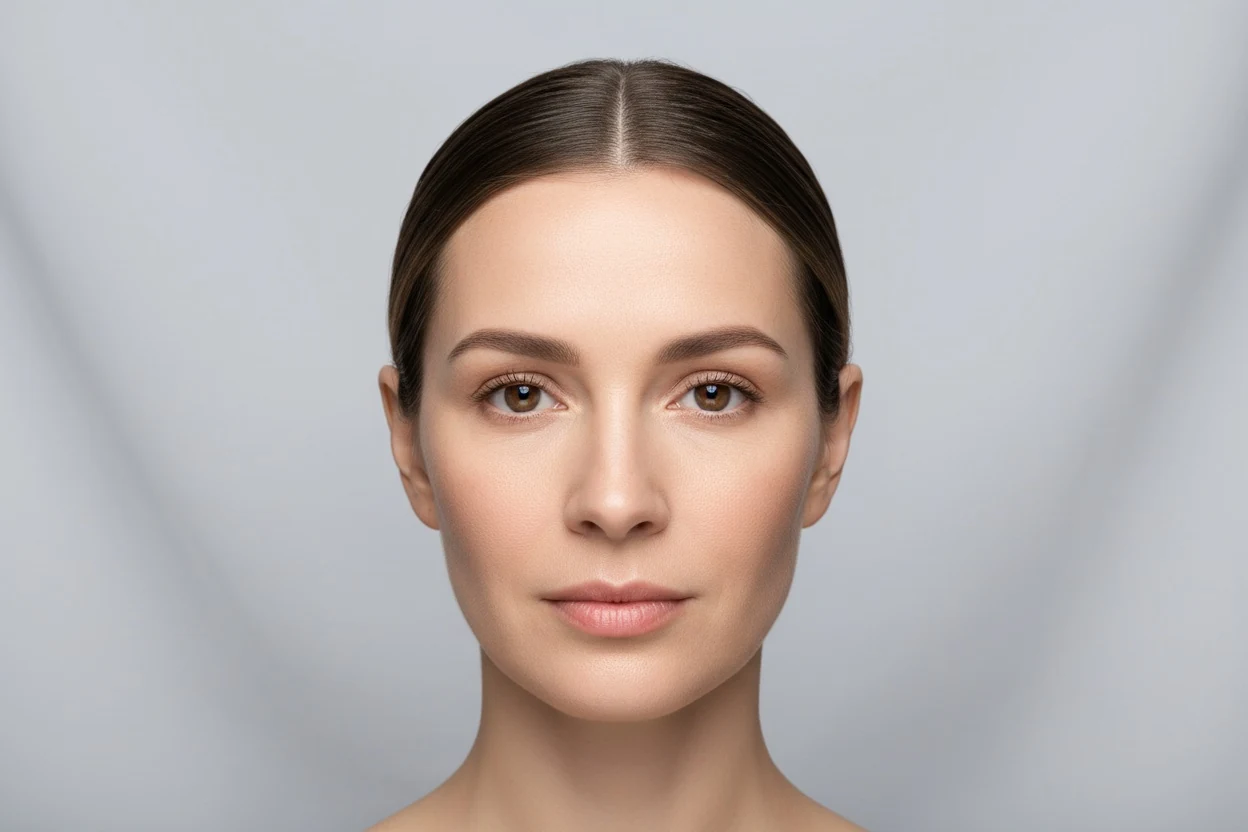
Before — generatedAfter — simulatedSee a forehead lift on your own face
Run this simulationForehead lift recovery: a typical timeline
| Stage | What is commonly reported |
|---|---|
| First days | Swelling and bruising that can settle around the eyes; tightness, headache and a bandage or drain in some techniques |
| About one to two weeks | Sutures or staples removed; most visible bruising gone; many people back to desk work |
| Weeks to months | Numbness or itching behind the incisions as sensory nerves recover; some hair shedding near incisions, usually temporary |
| Several months | Brow position settles and scars fade |
Risks surgeons discuss include asymmetry, an over-elevated or surprised look, visible scars or hair loss along incisions, persistent numbness, and injury to the nerve that raises the brow, which is usually temporary.
Forehead lift cost, including endoscopic forehead lift cost
ASPS reports an average surgeon fee of $5,460 for a brow or forehead lift. That figure excludes anesthesia, the operating room and other related expenses, so total quotes in the United States commonly run higher; surgeon fees alone are commonly quoted at roughly $3,000–$8,000. Endoscopic forehead lift cost sits within the same range — the technique changes the equipment and time more than it changes the order of magnitude.
| Cost factor | Why it moves the price |
|---|---|
| Technique | Endoscopic lifts need specialized equipment; temporal lifts are shorter operations |
| Anesthesia and facility | Not included in the ASPS average fee, and often a large share of the total |
| Combined procedures | Eyelid surgery or a facelift in the same session raises the total but shares fees |
| Surgeon and location | Experience and city change the quote more than technique does |
Non-surgical forehead lift options
None of these reposition the brow the way surgery does, but they move it slightly and some are reasonable previews.
| Option | What it does | How long it lasts |
|---|---|---|
| Botox brow lift | Relaxes the muscles that pull the brow down, letting it rise a few millimeters; smooths forehead lines | About three to four months |
| Thread lift | Dissolving barbed threads lift the brow tail or temple | Commonly quoted under a year |
| Microfocused ultrasound | Heats deeper tissue to tighten it; FDA-cleared for a non-invasive brow lift | Gradual, modest change over months |
| Temple or brow filler | Restores volume that lets the outer brow sag | Months to about a year |
Toxin is the most common non-surgical forehead lift and the easiest way to see what a lifted brow does to your face before committing to surgery; the botox simulation and thread lift simulation cover those routes.
Forehead lift simulator: see the brow change on your face
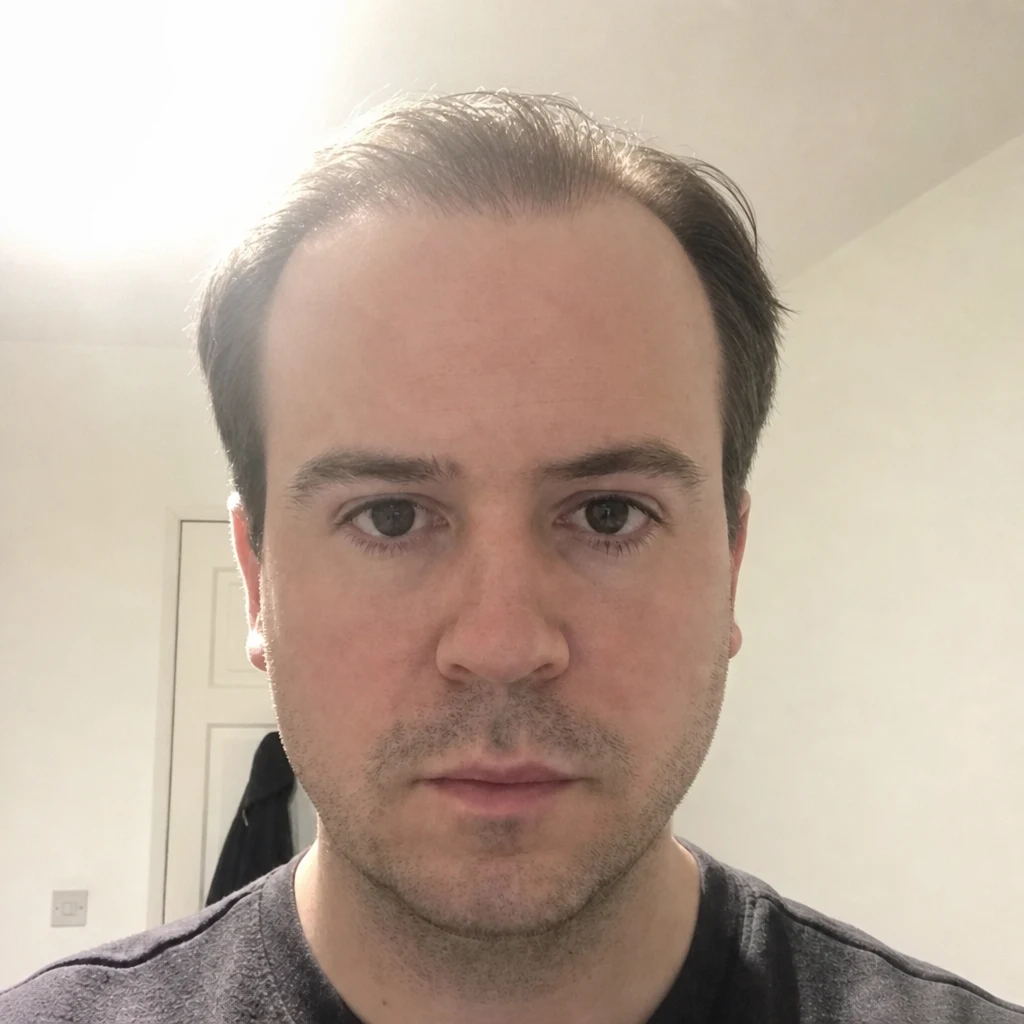
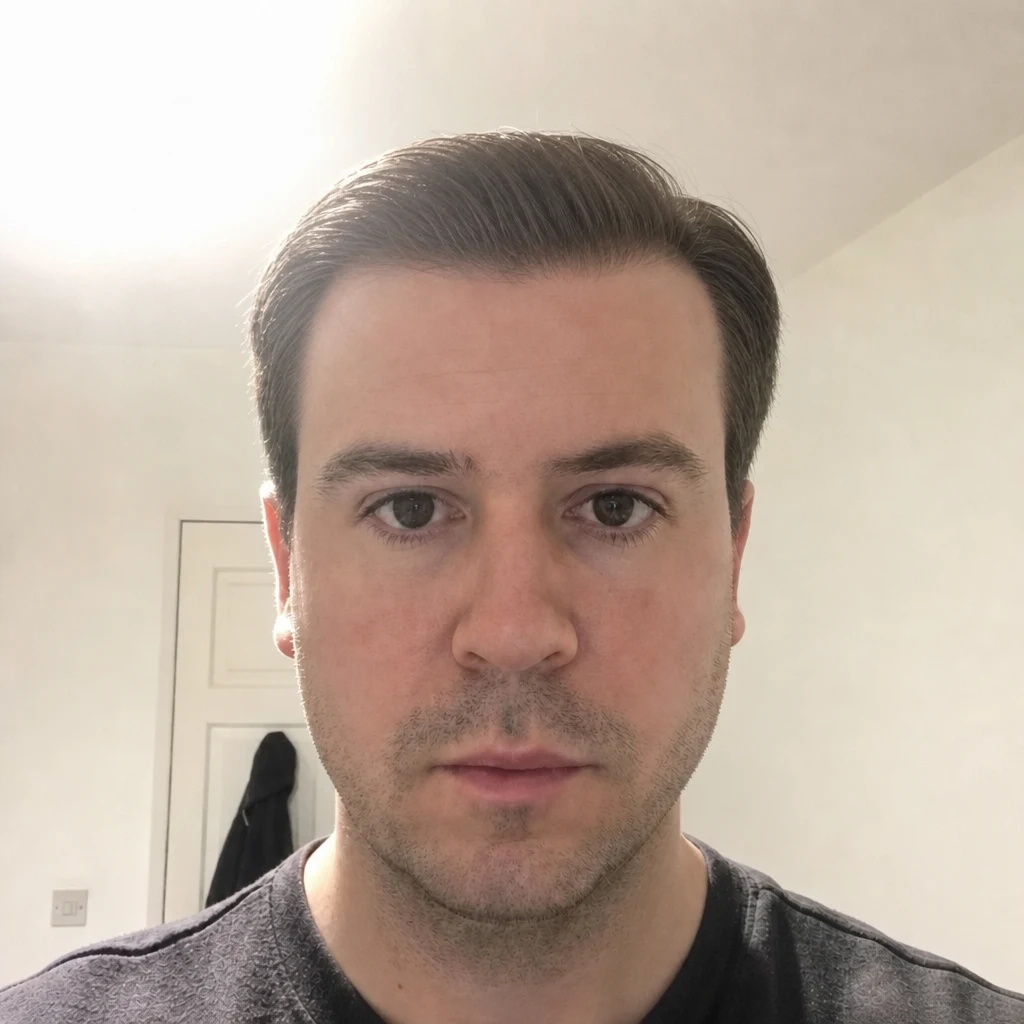
The forehead lift simulation raises your brows, opens the upper eye area and smooths the forehead, while avoiding the surprised, over-lifted look. It shows whether a higher brow makes your face look rested or startled — the one question a gallery of other people's foreheads cannot answer.
It does not choose a technique, so it cannot show where the scar would go or whether your hairline would move. The upper band of the facial thirds calculator measures forehead height, which is the number a coronal lift raises and a pretrichial lift protects.
See how your forehead height compares with the middle and lower face before deciding which way you would want a hairline to move.
Measure your facial thirdsQuestions to ask your surgeon before a forehead lift
- Will this technique raise my hairline, and by how much — and would a pretrichial approach suit my forehead height better?
- How much of my upper-eye heaviness is brow position and how much is lid skin, and do I need both a forehead lift and eyelid surgery?
- How do you avoid an over-elevated or surprised brow, and can you show me results at a year rather than at a few weeks?
Alternatives to forehead lift
How the forehead lift simulation works
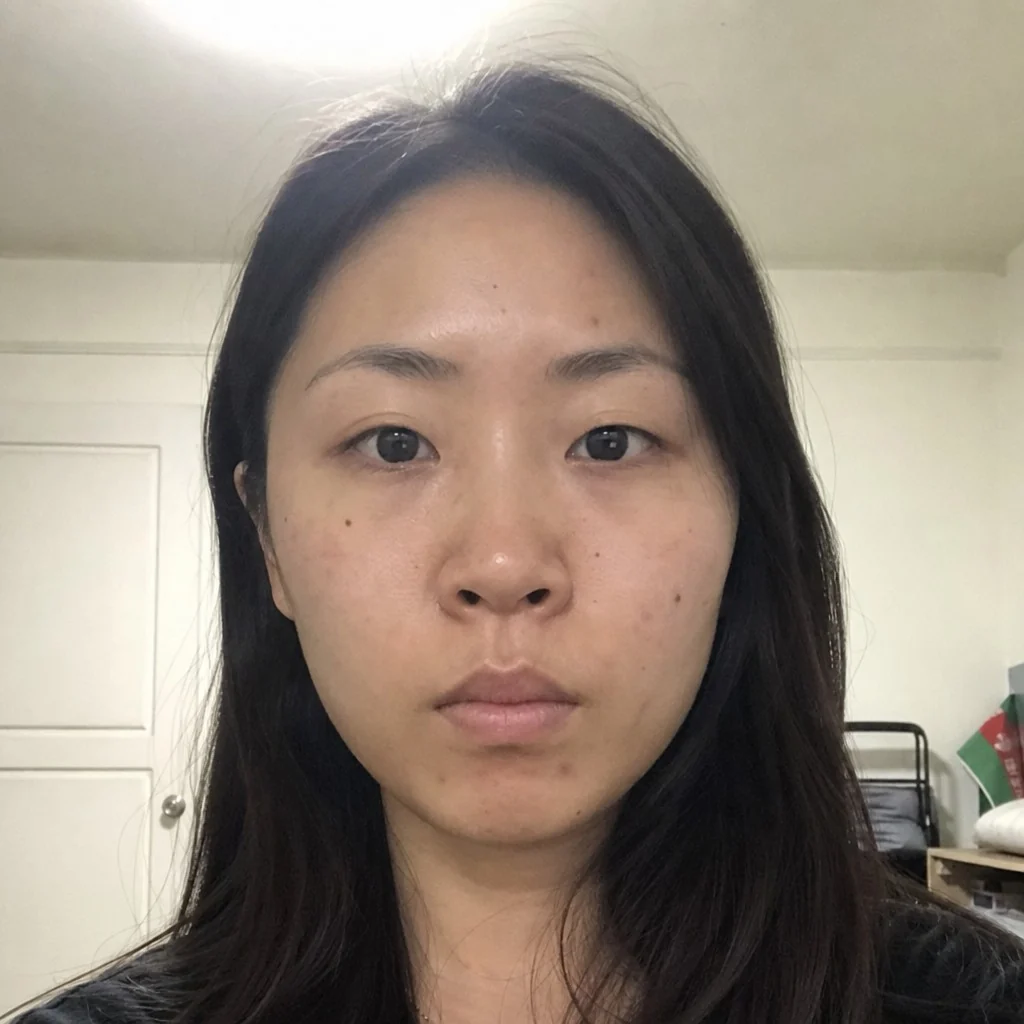
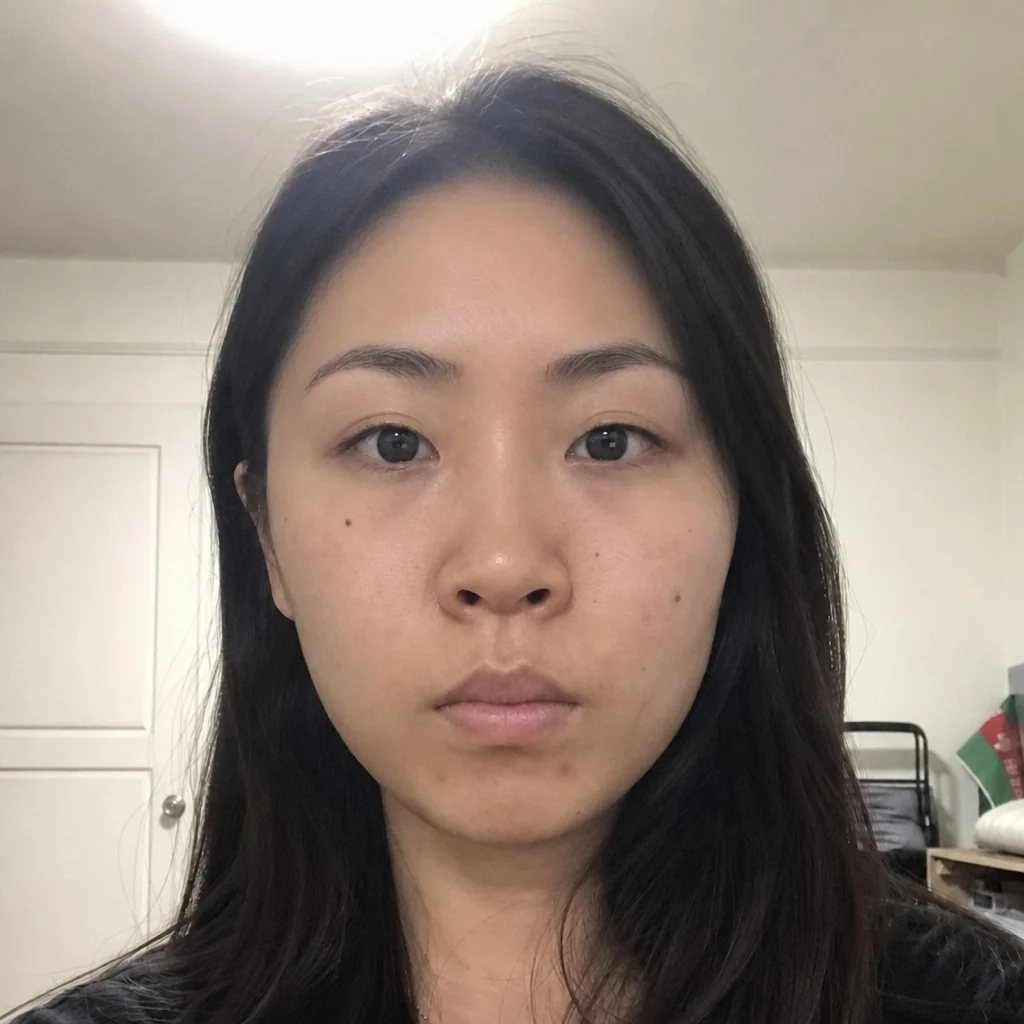
Your photo is analysed for the landmarks that matter to this procedure, and the render changes forehead lines and brow position while leaving the rest of your face alone. That constraint is the hard part — a generic image model will happily redraw your whole face and hand you a stranger who looks better.
The render raises the brow and smooths the forehead in a photograph. Where the incision goes — and therefore what happens to your hairline — is the practical decision, and no render contains it.
It is an illustration of a plausible direction, not a prediction of your result and not a medical opinion. What it is genuinely good for is finding out whether you want the change at all — plenty of people render one, find the difference smaller than they imagined, and stop there.
Measure your face before a forehead lift simulation
The free analysis tools measure symmetry, facial proportion and face shape, and tell you which measurements sit outside the reference range. Choosing a procedure from that is a much better starting point than choosing one from a photo you saved.

Forehead Lift simulator — frequently asked questions
How long does a forehead lift last?
It is long-lasting rather than permanent. The brow is fixed in a higher position, but it continues to descend slowly with age from there, and the skin keeps aging. Surgeons typically describe results in years, not months.
How painful is a forehead lift?
Most people describe tightness, pressure and headache more than sharp pain for the first days, managed with prescribed medication. Numbness and itching across the scalp are more persistent and more commonly mentioned than pain.
Does a brow lift make your forehead look bigger?
It can. Coronal and, to a lesser degree, endoscopic lifts move the hairline back along with the brow, which lengthens the forehead. A pretrichial lift is used when that would be unwanted, and can shorten the forehead instead.
Is scalp numbness after a forehead lift permanent?
Usually not. Numbness behind the incisions is a normal part of recovery and typically improves over months as sensory nerves recover. Persistent patches are documented and are worth asking about for the technique you are offered.
Will a forehead lift get rid of forehead wrinkles?
It softens horizontal lines by lifting the tissue and weakening the muscles that crease it, and many people still use toxin afterwards for fine movement lines. For lines alone, without a low brow, toxin is the usual first step rather than surgery.
Can a forehead lift make you look surprised?
That is the failure mode people fear, and it usually comes from lifting the inner brow too much. Current techniques tend to lift the outer brow more than the inner, and early swelling can look more surprised than the settled result.
Is the forehead lift simulator free?
The face analysis is free and needs no account. A rendered simulation costs credits because it runs on a GPU — $4.99 buys five and does not require a subscription.
How accurate is an AI forehead lift simulation?
It is an illustration of a plausible outcome, not a prediction of your result. Real outcomes depend on your anatomy, the facial plastic surgeon and how you respond. Treat it as a conversation starter for a consultation, not a promise.
Do you keep my photo?
The free measurements never leave your browser. A simulation does send the photo to a rendering service, which is why it asks for explicit consent first, and you can delete the result from your dashboard at any time.
Can I show this to a facial plastic surgeon?
Yes, and that is the most useful thing to do with it. Bringing a picture of the direction you want is far more precise than describing it in words.
Other forehead & hairline simulations
This page is not medical advice and we are not clinicians. A simulation cannot tell you whether a procedure is appropriate for you, what it costs, or what the risks are. Those questions belong with a qualified facial plastic surgeon.