Eye Surgery for Ptosis: Before and After, Recovery and Cost
Ptosis correction raises an upper eyelid whose edge sits too low, usually by tightening the muscle that lifts it. It is a different operation from removing lid skin, it is often functional as much as cosmetic, and a new droop can be a medical sign. Here is how it works — plus a render of a raised lid on your own photo.
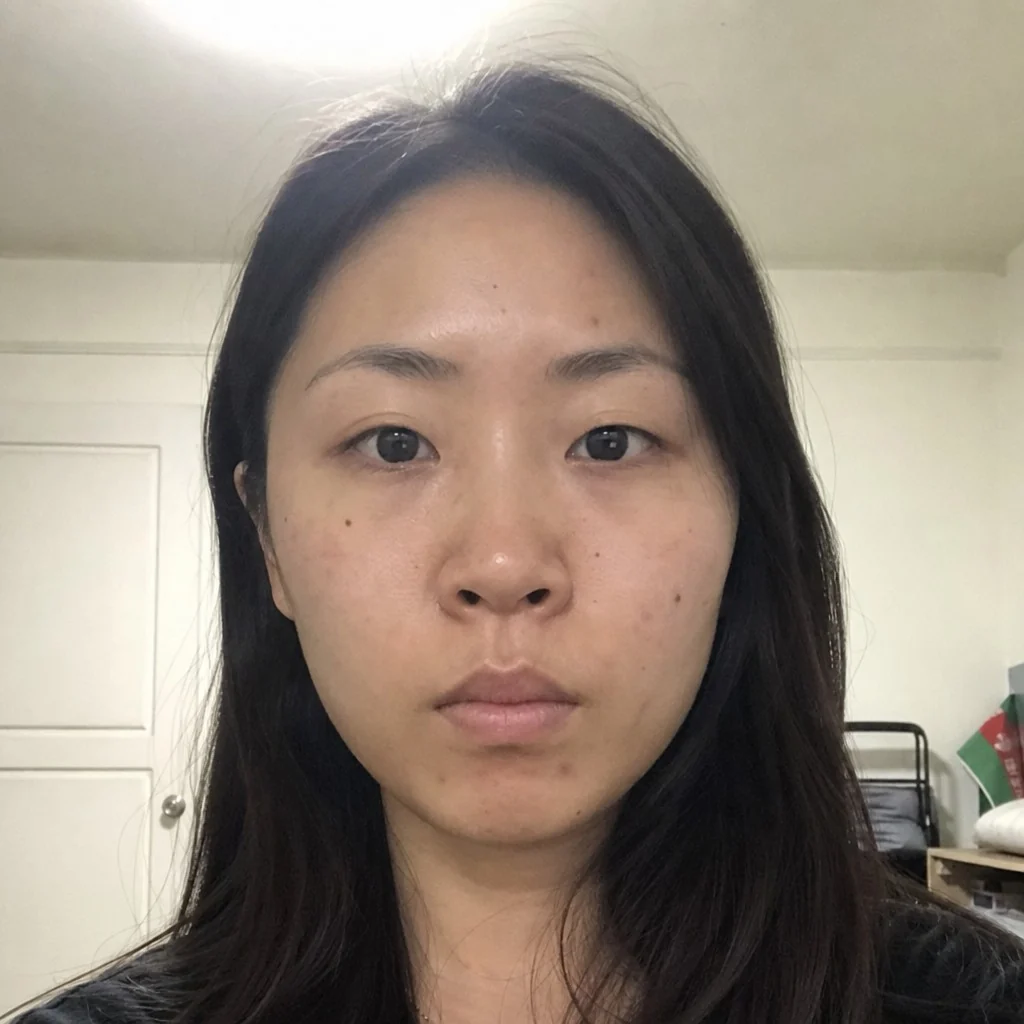
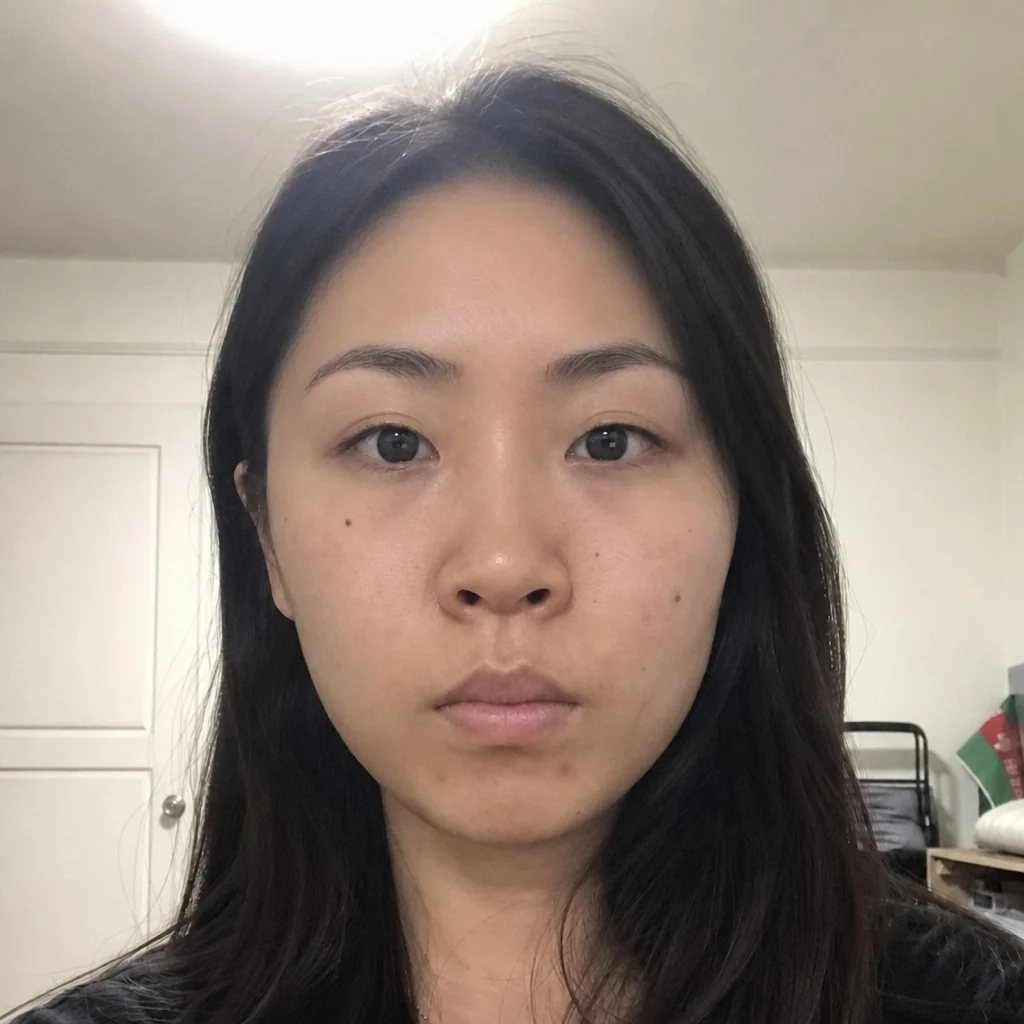
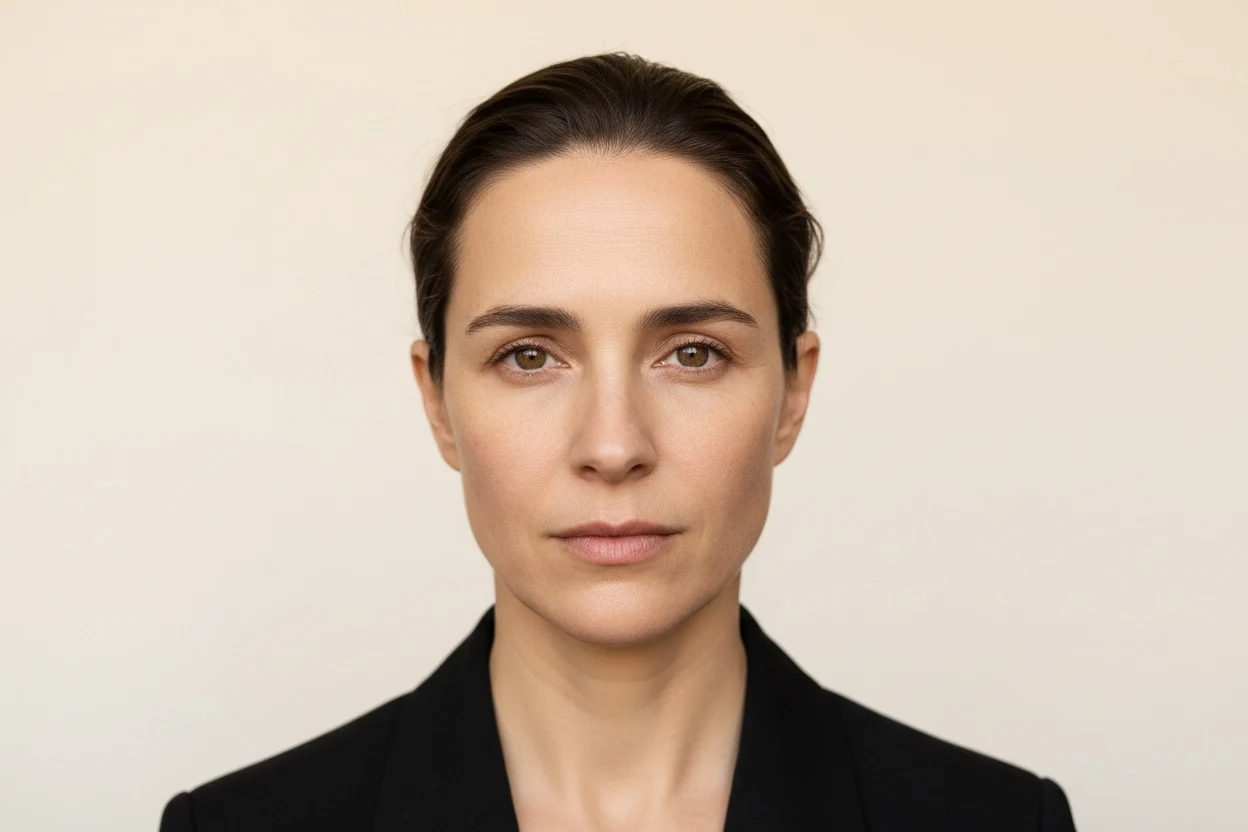
Ptosis Correction simulator — example render
- Type
- Surgical, long-lasting
- Typical US cost
- Commonly $3,000–$6,000 for both eyes
- Recovery
- One to two weeks of bruising and swelling
- Insurance
- Often covered when vision is affected
- Upload one front-facing photo
- The render changes upper eyelid height — and leaves the rest of your face alone
- Compare your before and after side by side
1 render = 1 credit
5 credits $4.99, no subscription · or Starter $7.99/month for 10. The face analysis is free.
What is ptosis, and what does ptosis surgery do?
Ptosis (blepharoptosis) means the upper eyelid margin — the edge with the lashes — sits lower than it should, covering more of the iris and sometimes the pupil. Clinicians usually measure it as the distance from the light reflex in the center of the pupil to the lid edge.
Eye surgery for ptosis raises that edge. Most often it shortens or reattaches the levator — the muscle whose tendon lifts the lid — or tightens a smaller lifting muscle underneath it. When those muscles barely work, the lid is instead connected to the forehead muscle so the brow can lift it.
What causes a droopy eyelid
| Type | What is happening | Commonly seen in |
|---|---|---|
| Aponeurotic (acquired) | The levator tendon stretches or detaches from the lid | Aging, long-term contact lens wear, after eye surgery |
| Congenital | The levator muscle developed poorly | Present from birth, often one eye |
| Neurogenic | The nerve supply to the lid muscles is affected | Third nerve palsy, Horner syndrome |
| Myogenic | The muscle itself or the nerve-muscle junction is weak | Myasthenia gravis, some muscle disorders |
| Mechanical | Something weighs the lid down | Scarring, swelling, a lid mass |
| Medication-related | Toxin spreads to the lid-lifting muscle | After cosmetic botox, temporary |
Blepharoplasty vs ptosis surgery: droopy lid or droopy skin?
Both look like a heavy upper eye, which is why they are confused so often. Blepharoplasty removes excess skin folding over the crease; ptosis surgery raises the lid margin itself. Removing skin from a lid with ptosis leaves the droop in place, and treating ptosis does not remove a fold of skin. A descended brow can produce the same appearance again, which is what a brow lift addresses.
| Ptosis surgery | Blepharoplasty | |
|---|---|---|
| Treats | Low lid margin | Excess lid skin, bags |
| Works on | Levator or Müller muscle, or a sling | Skin and fat |
| Changes how much iris shows | Yes | Not directly |
| Often combined | Yes, when both problems exist | Yes, when both problems exist |
Many people over fifty have some of both, and the operations are frequently done together. The hooded eyes page covers how skin, brow and lid margin show up in photos.
Types of ptosis surgery
| Technique | How it works | Usually considered when |
|---|---|---|
| Levator advancement / resection | Through a crease incision, the levator tendon is reattached or shortened | Acquired ptosis with reasonable muscle function; the most common approach |
| Müller muscle-conjunctival resection | From inside the lid, a small lifting muscle and lining are tightened; no skin incision | Mild to moderate ptosis where the lid lifts well with a test eye drop |
| Frontalis sling | The lid is linked to the forehead muscle with a sling material | Poor levator function, often congenital ptosis |
Ptosis surgery in children
Congenital ptosis is watched closely because a lid covering the pupil during early childhood can affect how vision develops. Timing depends on how much of the pupil is covered and on vision testing, and is decided by a pediatric ophthalmologist or oculoplastic surgeon.
Ptosis surgery before and after: what changes
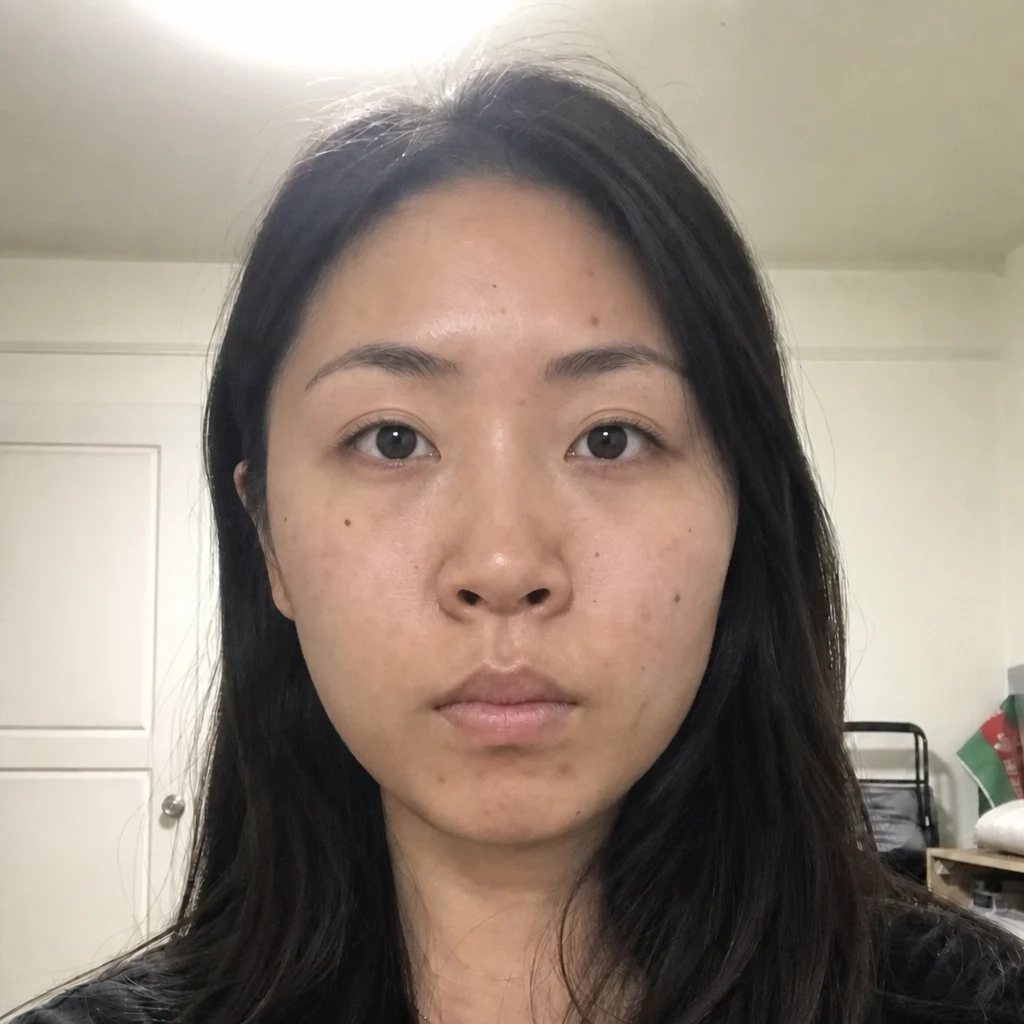
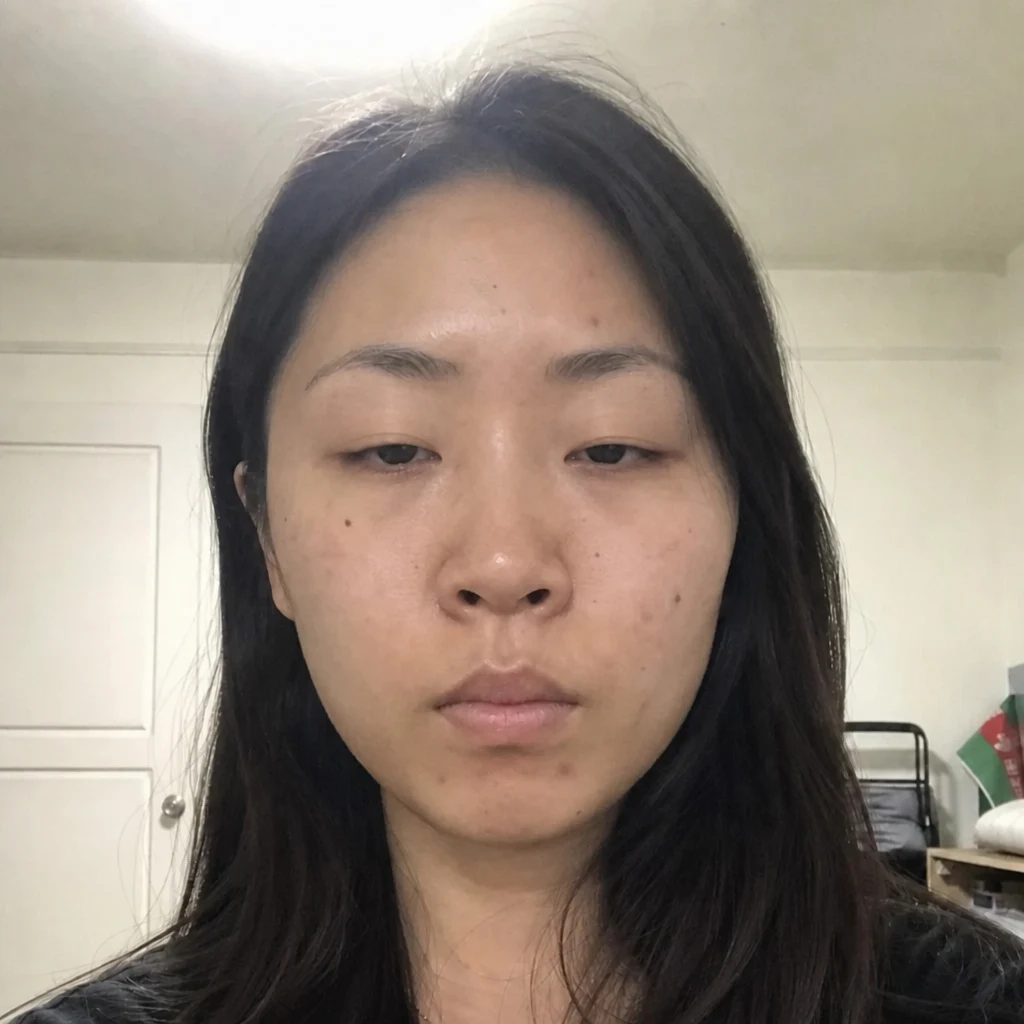
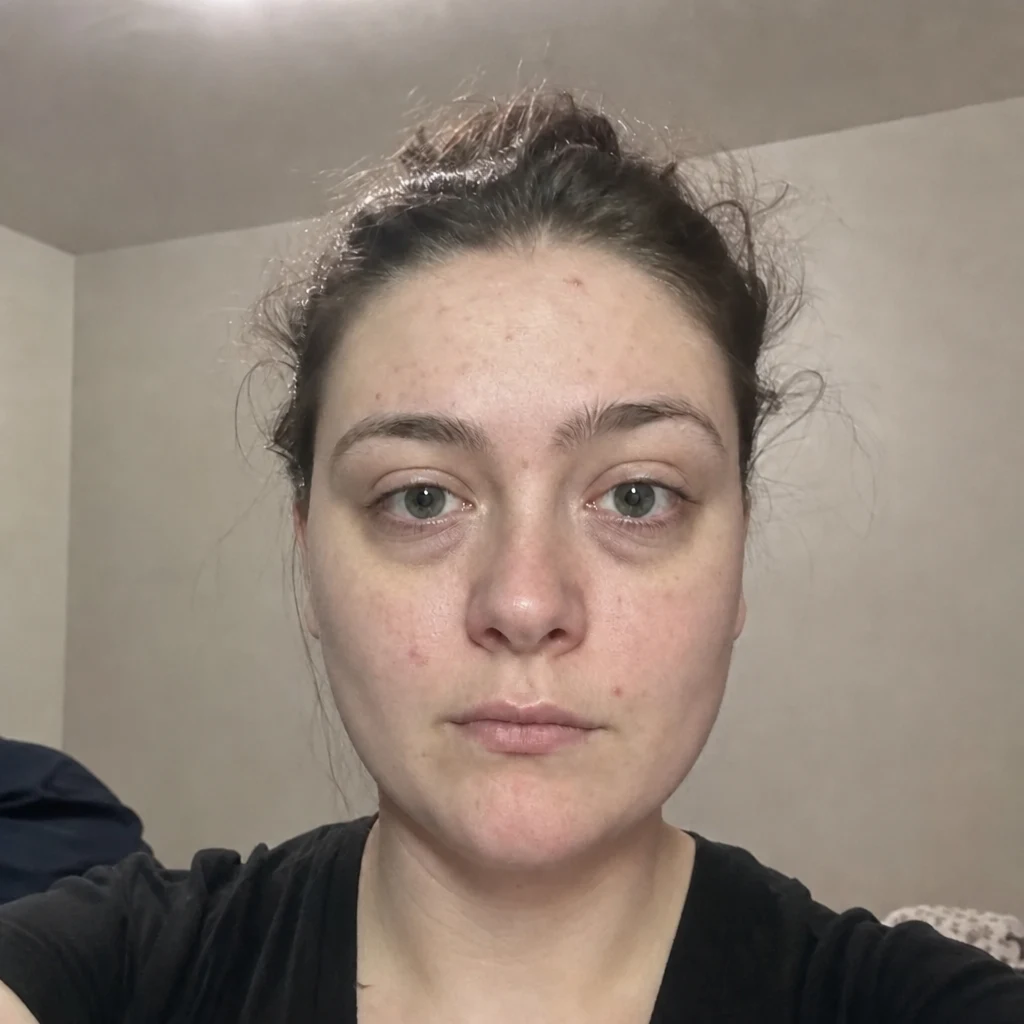
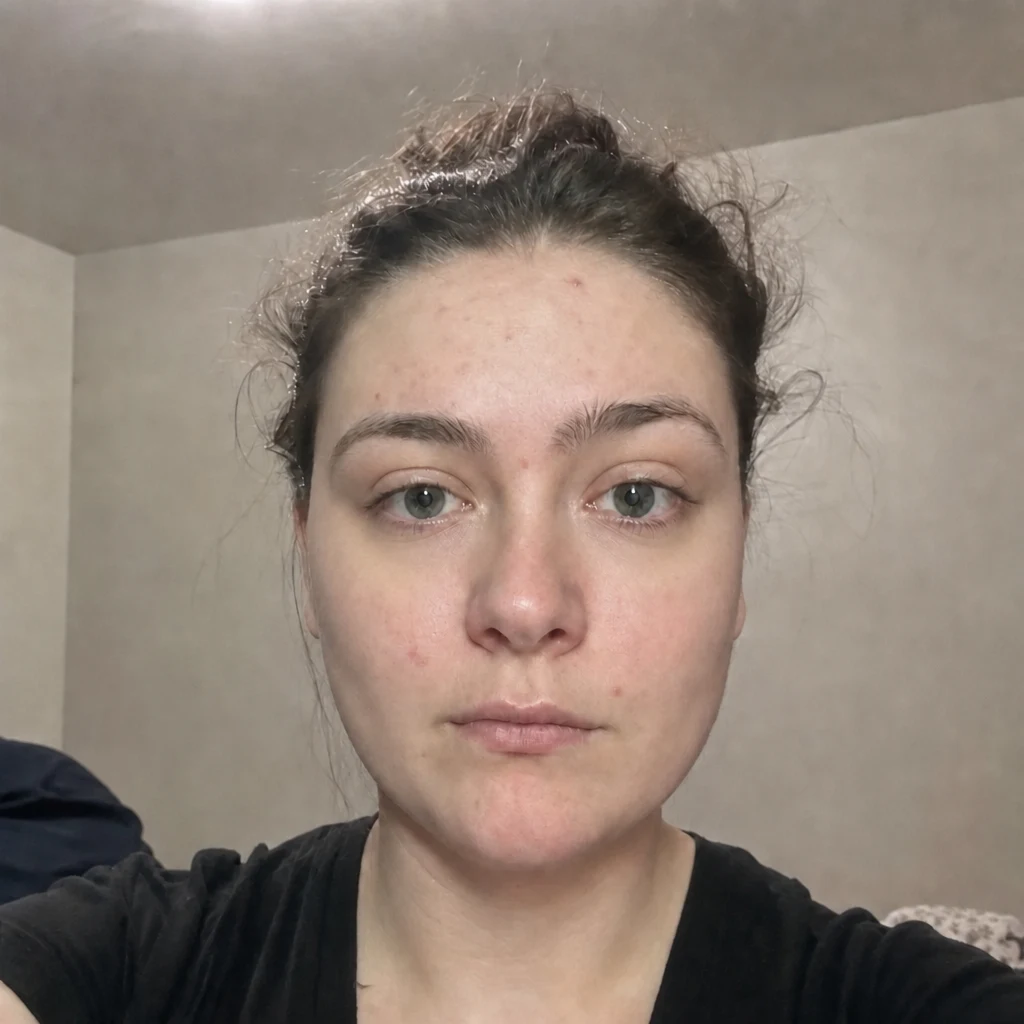
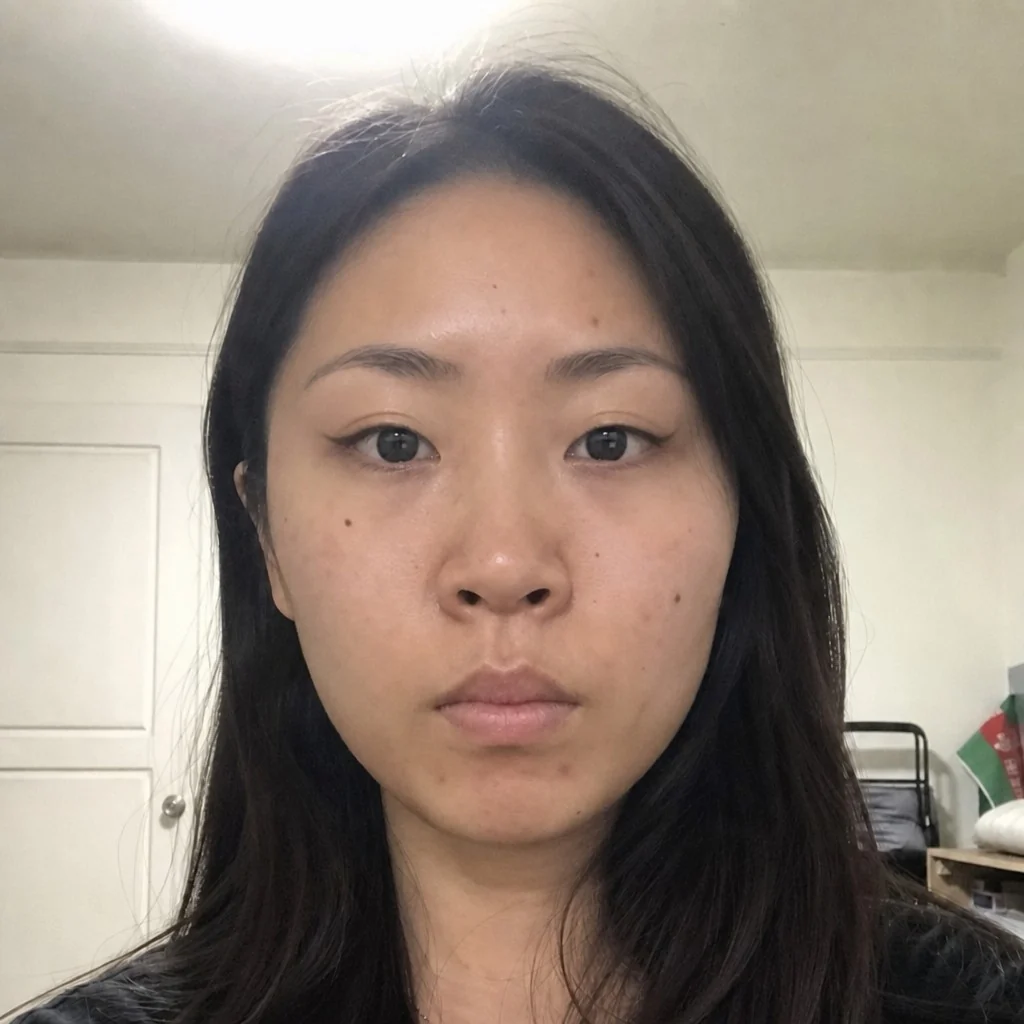
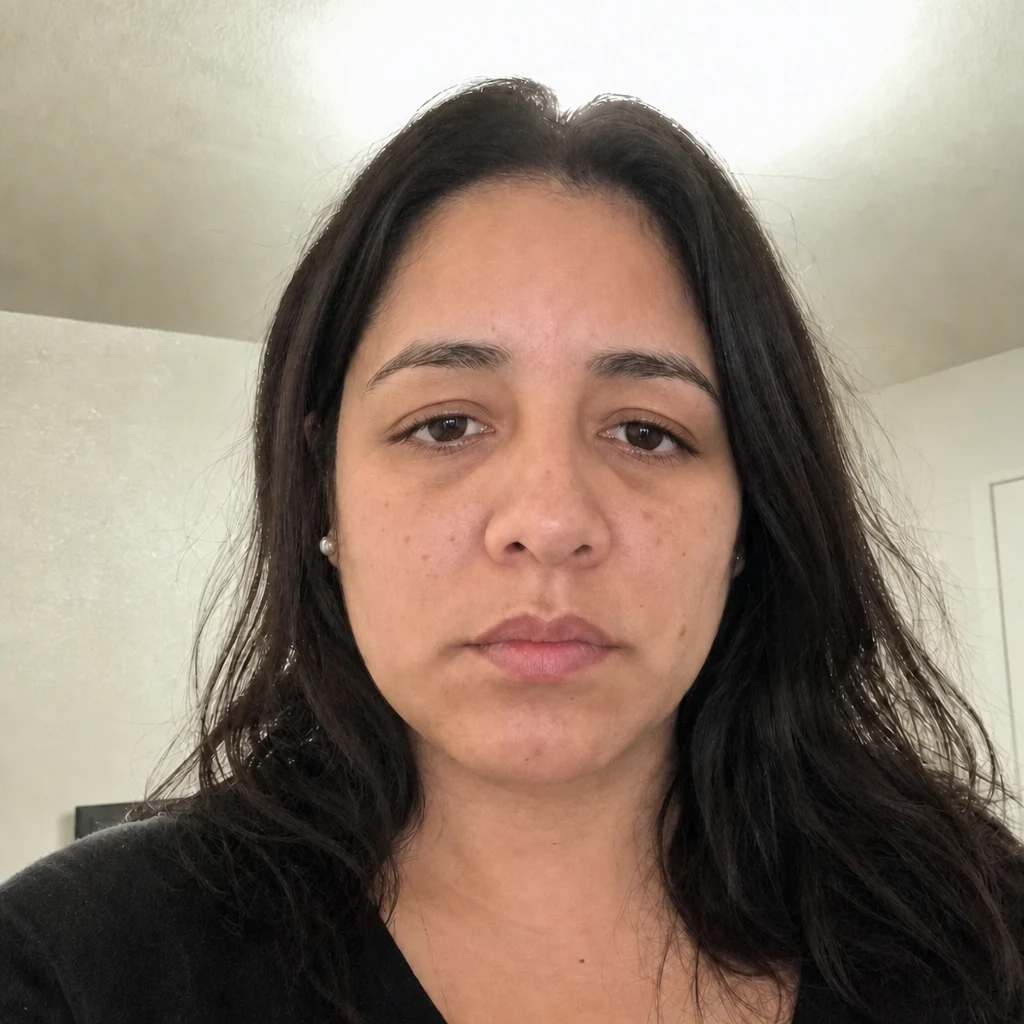
In ptosis surgery before and after pictures, the main change is how much of the iris and pupil the upper lid covers. A good result shows the lid edge at a similar height on both sides, a smooth lid contour without a peak, and a crease that roughly matches the other eye. Eyes often read as more alert, and people who were raising their brows to see frequently look less strained afterwards, because the forehead no longer has to work.
Recovery from ptosis surgery
| Time after surgery | What is typically reported |
|---|---|
| First days | Swelling and bruising, cold compresses, head elevated; lids may not close fully and eyes feel dry |
| About one week | External stitches, if used, are removed; bruising fading |
| Weeks 1–2 | Most visible bruising gone; many return to normal activities |
| Weeks 2–6 | Lid height and contour settle; early asymmetry often evens out |
| Around 3 months | Result usually considered stable enough to judge |
Incomplete closure in the first weeks is common and is managed with lubricating drops or ointment, especially at night. Reading and screens are often limited early on because they reduce blinking and make dryness worse — the usual reason behind “why can't you watch TV after eyelid surgery”.
Before — generatedAfter — simulatedSee a ptosis correction on your own face
Run this simulationPtosis surgery success rate, risks and revision
Most people get a clearly higher lid, but the target is a few millimeters and both eyes have to match, so exact height and symmetry are the hard part. Published success and revision rates vary widely by ptosis type, technique and how success is defined, so there is no single honest number — which is why asking a surgeon for their own figures is more useful than a statistic online.
- Under-correction — the lid still sits lower than planned.
- Over-correction — the lid sits too high, the eye looks surprised, or it does not close well.
- Asymmetry between the two sides, including a change in the untreated eye once the other is lifted.
- Contour problems — a peak or flat section in the lid curve.
- Dry eye and exposure, usually temporary.
- Infection, bleeding and scarring, uncommon.
Ptosis eye surgery cost and insurance
Ptosis surgery is commonly quoted at roughly $3,000–$6,000 for both eyes in the United States, less for one eye, more when combined with blepharoplasty or done in a hospital. Anesthesia and facility fees are often billed separately.
Unlike most procedures on this site, ptosis repair is frequently covered by insurance, including Medicare, when the droop affects vision. Insurers typically ask for documentation: lid measurements, photographs and a visual field test showing improvement when the lid is taped up. Purely cosmetic ptosis surgery is not covered.
How to fix a droopy eyelid without surgery
Options exist, but they are narrower than the searches suggest:
- Prescription eye drops — a drop that stimulates the small Müller muscle is approved in the US for acquired ptosis in adults. It gives a modest, temporary lift that wears off the same day.
- Waiting it out — ptosis after cosmetic botox is temporary and fades as the toxin wears off; prescribers sometimes use eye drops meanwhile.
- Treating the cause — ptosis from myasthenia gravis or a nerve problem is managed medically first.
- Ptosis crutches — a small bar attached to glasses that holds the lid up, used mainly when surgery is not an option.
Eyelid exercises are widely promoted but have no good evidence of raising a lid whose tendon has stretched or detached.
Ptosis correction simulator: a raised lid on your own photo
The ptosis correction simulation raises the drooping upper lids so the eyes open wider and read alert and even. It shows the direction of the change on your own face, which can make it easier to decide whether the droop bothers you enough to have it assessed.
The render cannot measure lid height — ptosis is planned in millimeters against the pupil, in person. It also cannot tell ptosis from excess skin or a low brow, and it shows both eyes neatly symmetrical, while real results often settle unevenly for weeks. A one-sided droop is a common reason faces look asymmetrical in photos.
Compare the landmark positions of the two sides of your face in a straight-on photo. It does not measure lid margin height, but it shows how uneven the two sides read.
Test your face symmetryQuestions to ask your surgeon before ptosis correction
- What type of ptosis do I have, how much levator function is there, and which technique does that point to?
- Has a medical cause been ruled out — and does anything in my history need checking before surgery?
- How often do your patients need an adjustment for under- or over-correction, and what happens if my eyes don't match?
Alternatives to ptosis correction
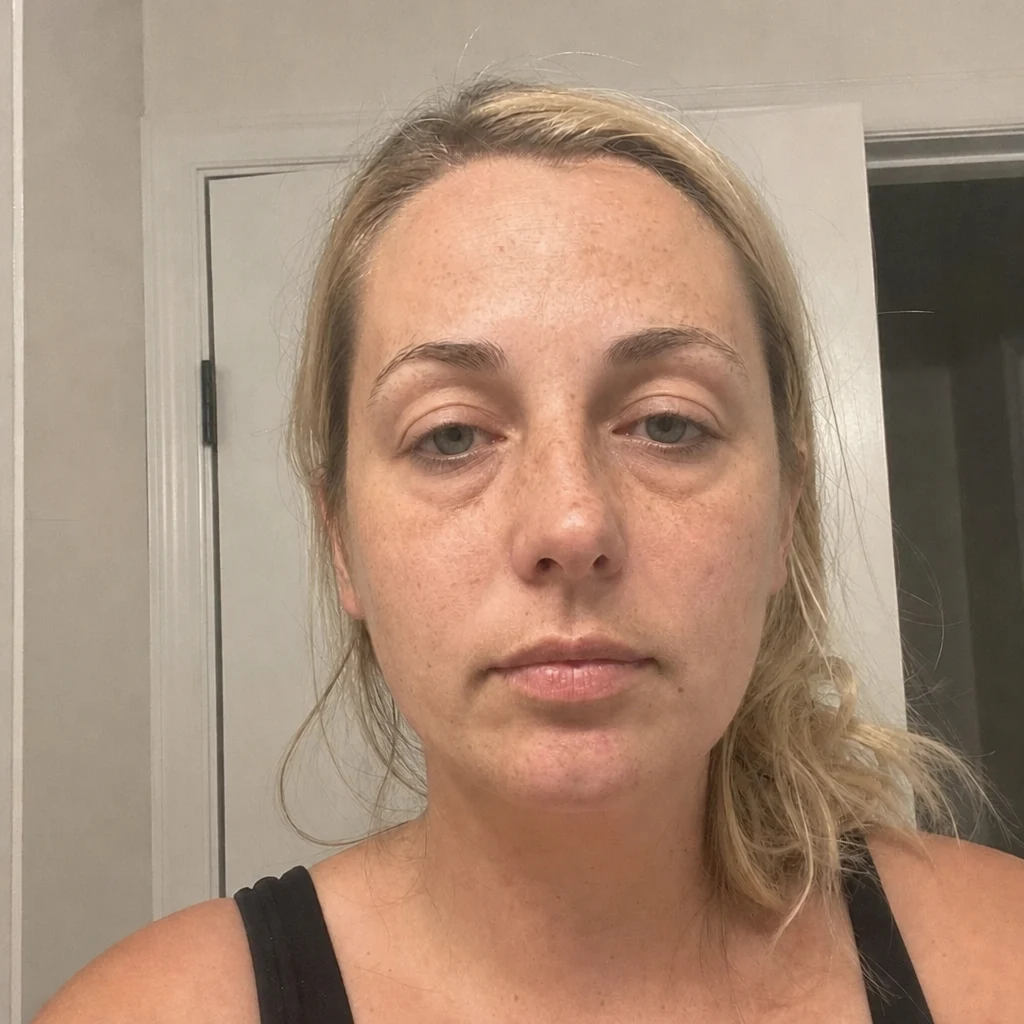
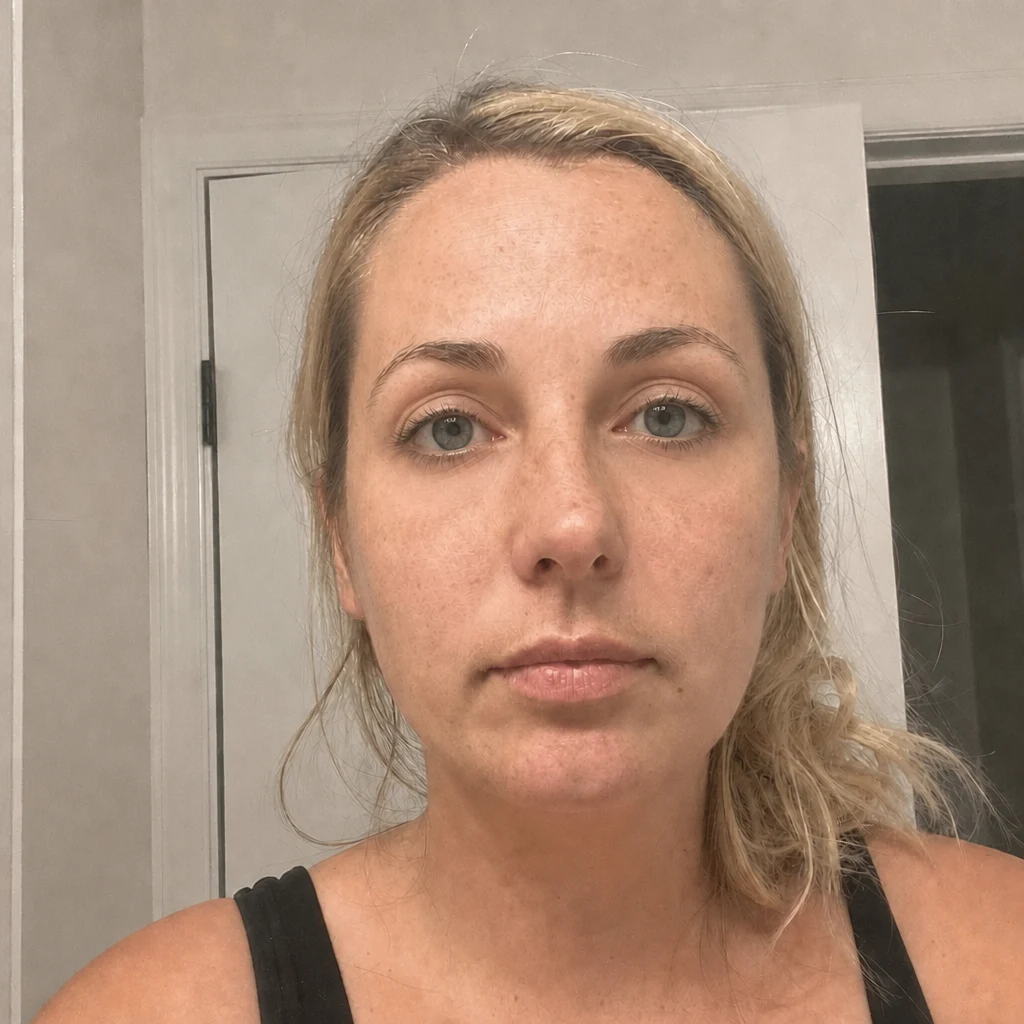
How the ptosis correction simulation works
Your photo is analysed for the landmarks that matter to this procedure, and the render changes upper eyelid height while leaving the rest of your face alone. That constraint is the hard part — a generic image model will happily redraw your whole face and hand you a stranger who looks better.
The render raises the lid in the frame. Ptosis correction is measured in millimetres against the pupil and planned clinically — a photograph is not the instrument, and a drooping lid that has appeared recently is a medical question before it is a cosmetic one.
It is an illustration of a plausible direction, not a prediction of your result and not a medical opinion. What it is genuinely good for is finding out whether you want the change at all — plenty of people render one, find the difference smaller than they imagined, and stop there.
Measure your face before a ptosis correction simulation
The free analysis tools measure symmetry, facial proportion and face shape, and tell you which measurements sit outside the reference range. Choosing a procedure from that is a much better starting point than choosing one from a photo you saved.
Ptosis Correction simulator — frequently asked questions
What do eyes look like after ptosis surgery?
Swollen and bruised for the first week or two, sometimes uneven and slightly high or low. Once settled, the lid edge sits higher over the iris and the eyes usually look more open and less tired.
Can you close your eyes after ptosis surgery?
Often not completely at first. Incomplete closure in the early weeks is common as swelling settles, and lubricating drops or ointment protect the eye meanwhile. Persistent difficulty closing is a reason to see the surgeon.
Is ptosis surgery painful?
It is usually described as sore and tight rather than severely painful, managed with cold compresses and mild pain relief. The procedure itself is done under local anesthesia with sedation or under general anesthesia.
Can ptosis come back after surgery?
It can recur over years as tissues continue to age, and some people need a revision. A well-positioned lid usually holds for a long time, but it is not guaranteed to be permanent.
Is ptosis surgery the same as an eyelid lift?
“Eyelid lift” is commonly used for blepharoplasty, which removes skin. Ptosis surgery raises the lid margin by working on the lifting muscle. They are different operations, sometimes done together.
Does ptosis surgery change eye shape?
It changes how much of the eye is visible, so the eye reads rounder and more open. It does not move the inner or outer corners, so eye shape and canthal tilt stay broadly the same.
Is the ptosis correction simulator free?
The face analysis is free and needs no account. A rendered simulation costs credits because it runs on a GPU — $4.99 buys five and does not require a subscription.
How accurate is an AI ptosis correction simulation?
It is an illustration of a plausible outcome, not a prediction of your result. Real outcomes depend on your anatomy, the oculoplastic surgeon and how you respond. Treat it as a conversation starter for a consultation, not a promise.
Do you keep my photo?
The free measurements never leave your browser. A simulation does send the photo to a rendering service, which is why it asks for explicit consent first, and you can delete the result from your dashboard at any time.
Can I show this to an oculoplastic surgeon?
Yes, and that is the most useful thing to do with it. Bringing a picture of the direction you want is far more precise than describing it in words.
Other eyes & brows simulations

This page is not medical advice and we are not clinicians. A simulation cannot tell you whether a procedure is appropriate for you, what it costs, or what the risks are. Those questions belong with a qualified oculoplastic surgeon.