Laser Resurfacing Before and After: What Each Laser Changes
Laser resurfacing removes or heats thin layers of skin so it rebuilds smoother. How deep the laser goes decides everything — the result, the downtime and the risk. Here is what CO2, erbium and fractional lasers realistically change, what recovery looks like day by day, what it costs, and a render of smoother skin on your own photo.
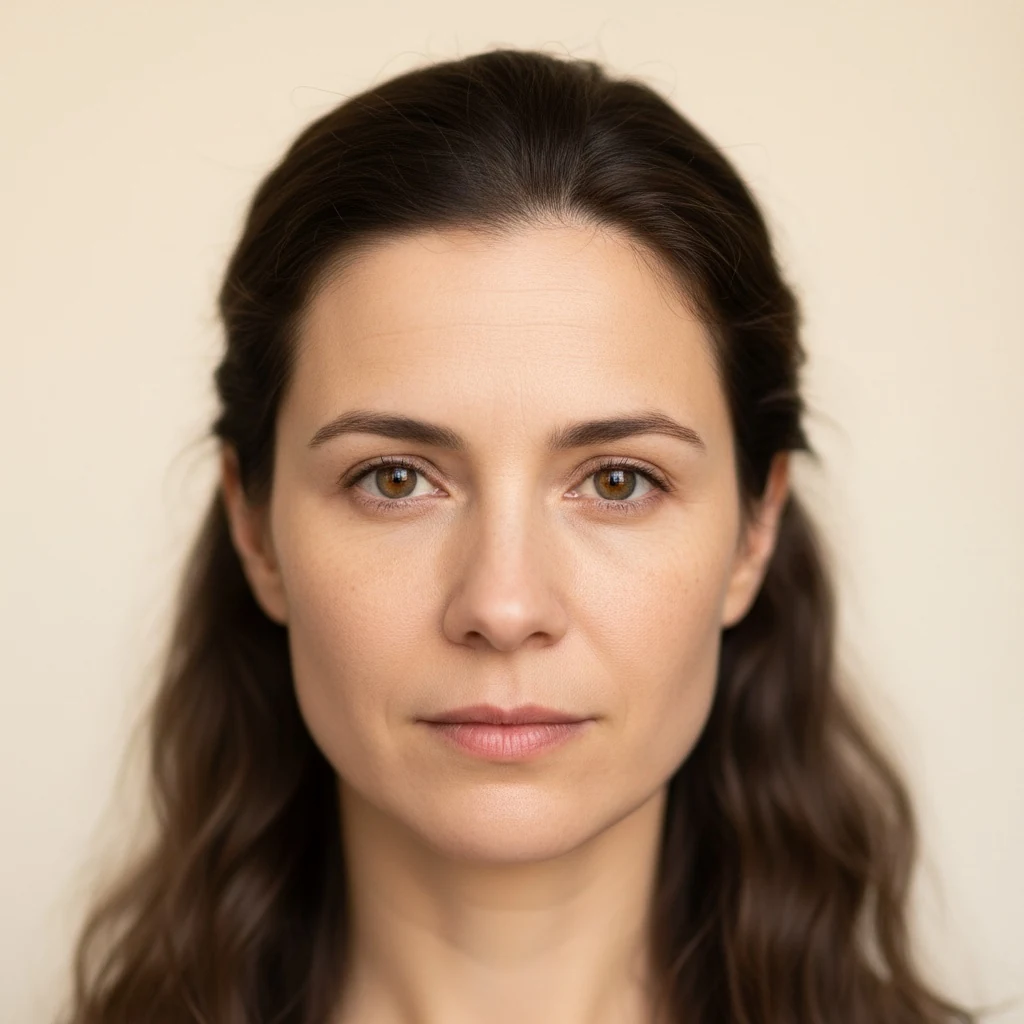
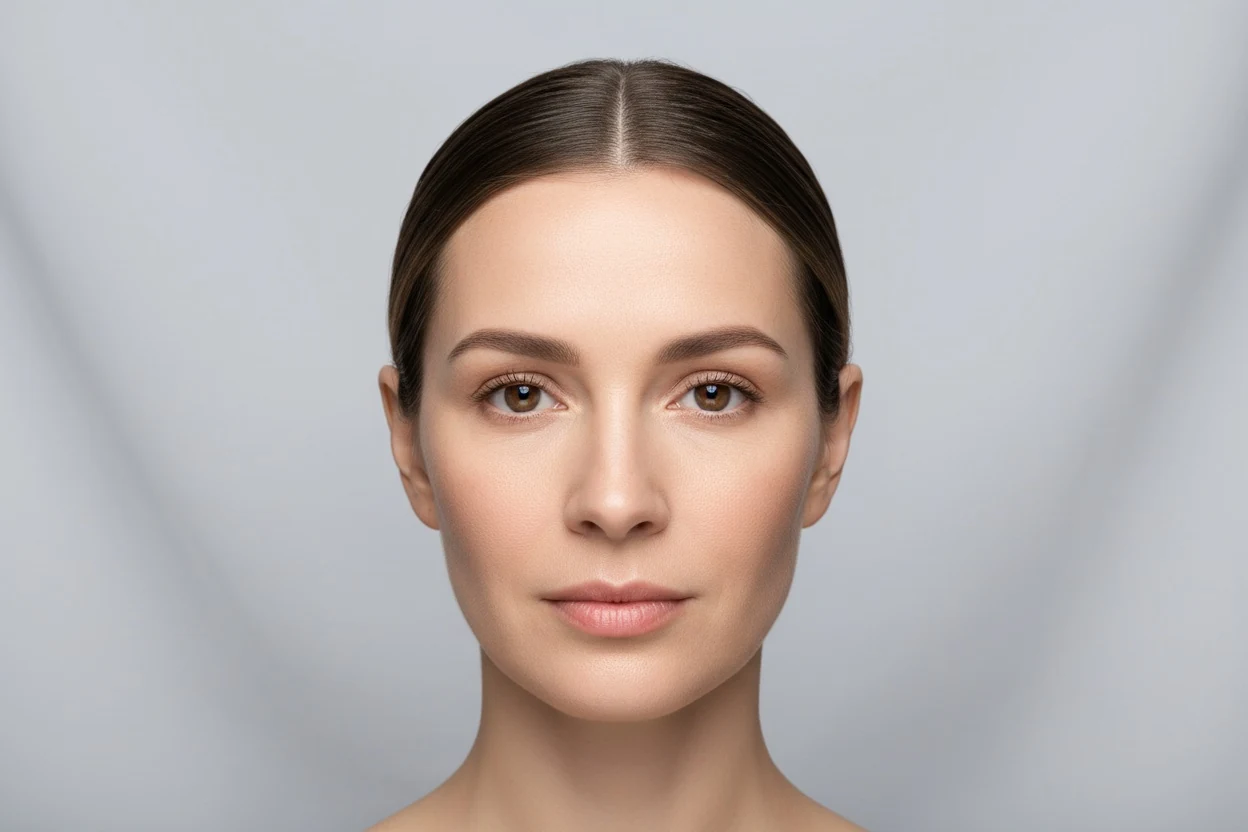
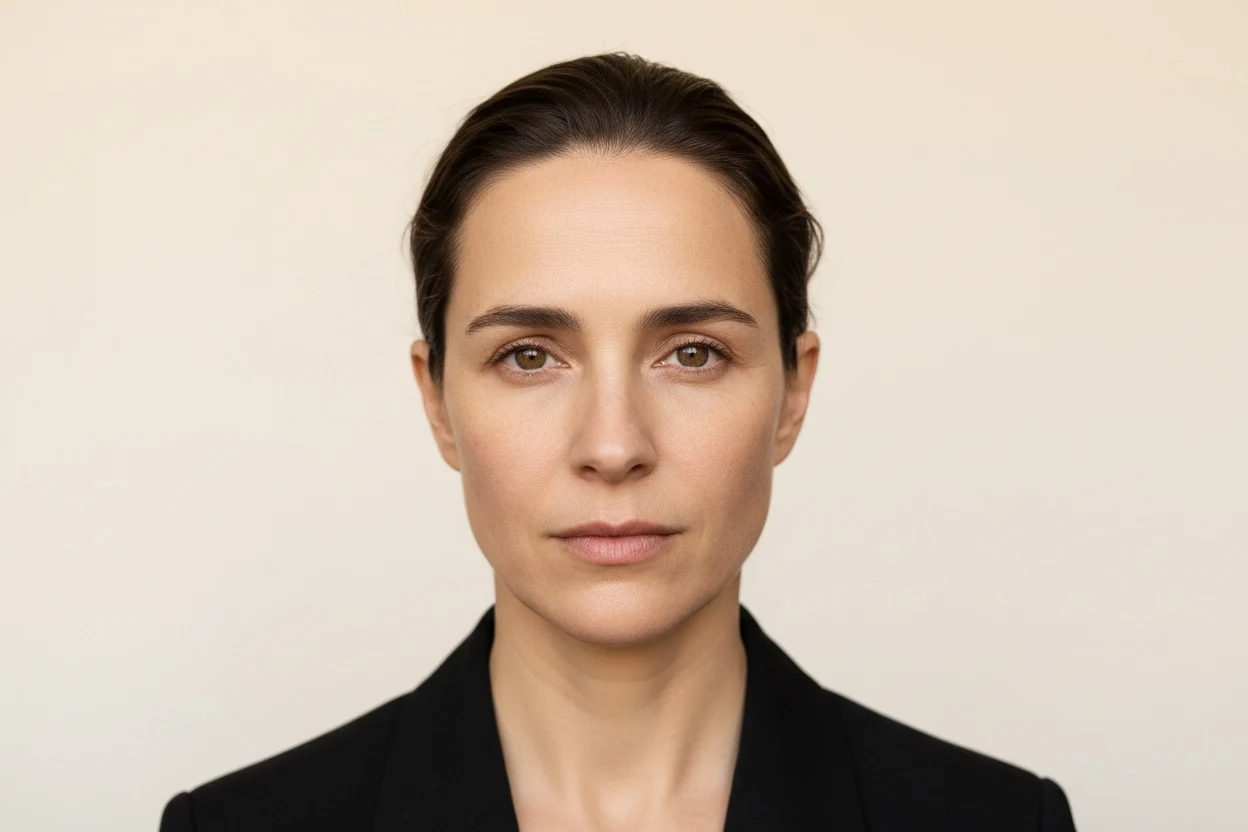
Skin Resurfacing simulator — example render
- Downtime
- None to 2+ weeks, set by depth
- Typical US cost
- From ~$200 a session to $3,000–$6,000
- How long it lasts
- Years, while skin keeps aging
- Type
- In-clinic laser treatment, non-surgical
- Upload one front-facing photo
- The render changes texture, pores and surface lines — and leaves the rest of your face alone
- Compare your before and after side by side
1 render = 1 credit
5 credits $4.99, no subscription · or Starter $7.99/month for 10. The face analysis is free.
What laser resurfacing does to skin
Laser resurfacing delivers controlled heat injury to the skin. The body repairs it with new surface cells and new collagen in the layer beneath, so the skin that grows back is smoother and more even than what was there. Skin resurfacing is the umbrella term: lasers are one way, chemical peels and microneedling are others.
Depth is the variable that matters. A light treatment refreshes the surface with almost no downtime and needs several sessions; a deep one can change wrinkles and scarring in a single treatment, with weeks of healing and more risk. "Stronger" is not the same as "better" — the right depth depends on what is being treated and on skin tone.
Types of laser resurfacing: CO2, erbium and fractional
| Type | How it works | Commonly used for | Typical downtime |
|---|---|---|---|
| Fully ablative CO2 | Vaporizes the whole surface layer over the treated area | Deeper wrinkles, marked sun damage | Up to about two weeks of healing; redness can last months |
| Fractional CO2 | Ablates tiny columns, leaving skin between them intact | Acne scars, wrinkles, texture | About a week |
| Erbium (Er:YAG) | Ablative, with less heat spread than CO2 | Fine lines, texture, lighter sun damage | Usually shorter than CO2 at similar depth |
| Non-ablative fractional | Heats columns under an intact surface | Texture, mild scarring, pigment | One to a few days of redness; several sessions |
| IPL (not a laser) | Broad-spectrum light targeting pigment and vessels | Sun spots, redness | Minimal |
Laser resurfacing before and after: what realistically changes
Laser resurfacing changes the skin itself — its surface, tone and the collagen underneath. It does not lift sagging tissue or replace lost volume, which is why a before and after showing a sharper jawline is showing something else as well.
| Concern | How it typically responds |
|---|---|
| Fine lines and crepey texture | Responds well, especially around the eyes and mouth |
| Sun spots and uneven tone | Often responds; some pigment can return with sun exposure |
| Acne scars | Improves, usually over several fractional sessions — rarely fully erased |
| Enlarged pores | Modest improvement |
| Deep lines from movement | Partly; the muscle keeps making them, which is where botox comes in |
| Sagging and jowls | No meaningful change — that is lifting, not resurfacing |
CO2 laser before and after
CO2 laser before and after photos are the most dramatic in the category, because CO2 goes deepest. They are also the ones most often taken at a flattering point: after the redness has gone but while mild swelling still plumps fine lines.
Laser resurfacing for acne scars
Rolling and boxcar scars usually respond better than narrow, deep "ice pick" scars. A course of fractional treatments is the common approach, sometimes combined with other scar treatments. Improvement is the realistic goal, and the photos worth trusting show it at several months.
How to read laser resurfacing before and after photos
Skin is the easiest thing in a photo to improve without a treatment. In laser resurfacing comparisons, the conditions around the skin matter as much as the skin.
- Lighting. Soft, frontal light erases texture; side light exaggerates it. Both frames need the same light.
- Makeup and skincare. Any foundation, tinted SPF or fresh moisturizer in the after invalidates it.
- Timing. Early photos show swelling filling lines. Three months or more shows the remodeled skin.
- Camera and filters. Phone cameras smooth skin by default. Look for the same camera and resolution in both.
- Crop. Zoomed-in scar photos should show the same area at the same size.
CO2 laser resurfacing recovery, day by day
Recovery photos are searched for because the first week looks alarming. This is what is commonly reported after fractional CO2; fully ablative treatment takes longer and non-ablative much less. Your clinic's aftercare applies over any general timeline.
| When | What is typically reported |
|---|---|
| Days 1–2 | Skin feels sunburned, looks red and swollen; oozing is common after deeper passes |
| Days 3–5 | Skin darkens, turns rough or "bronzed" and starts to flake and peel |
| Days 5–7 | Peeling finishes over most of the face; new skin is pink and sensitive |
| Weeks 2–4 | Pinkness fades; makeup is usually possible again |
| 1–3 months | Remaining redness settles; strict sun protection matters most now |
| 3–6 months | Collagen remodeling continues and the full result shows |
Clinics commonly prescribe antiviral medication beforehand for anyone prone to cold sores, because treatment can trigger an outbreak, and ask for sun avoidance for weeks before and after.
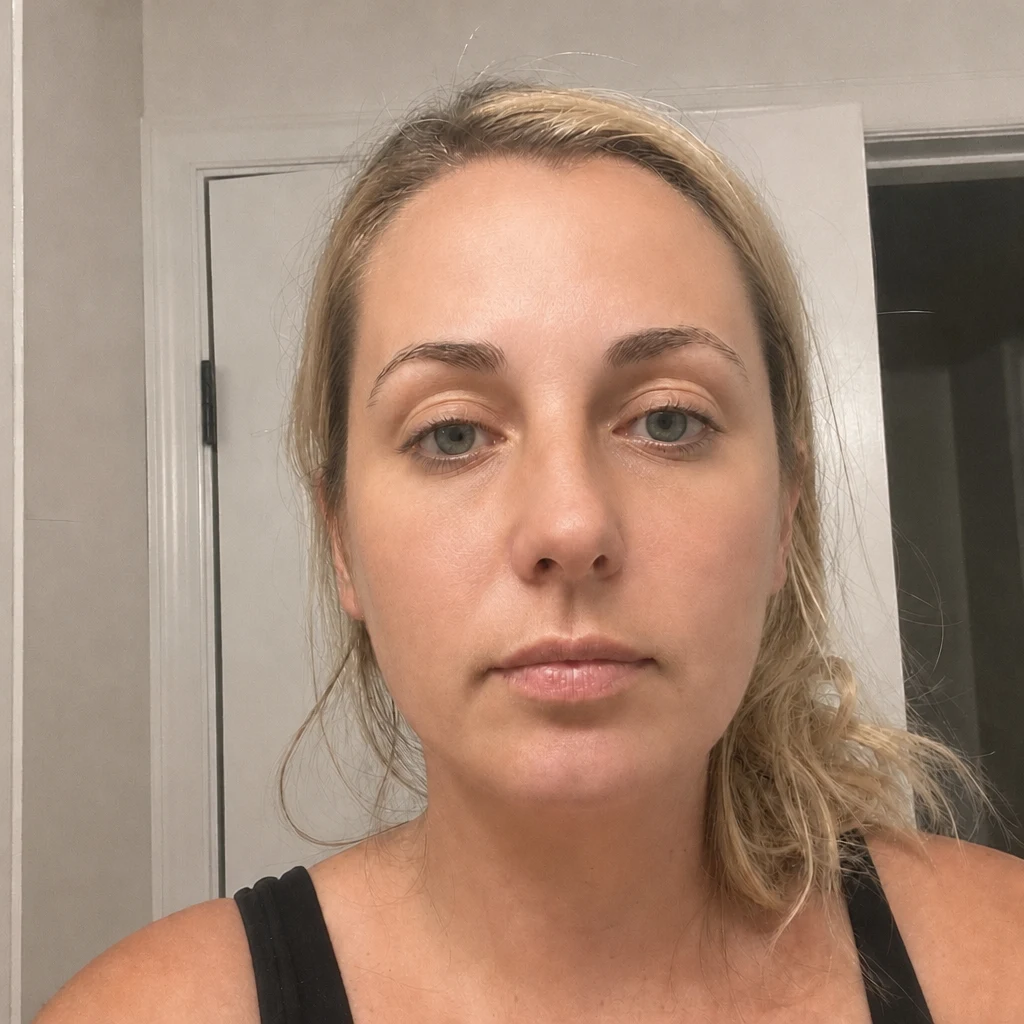
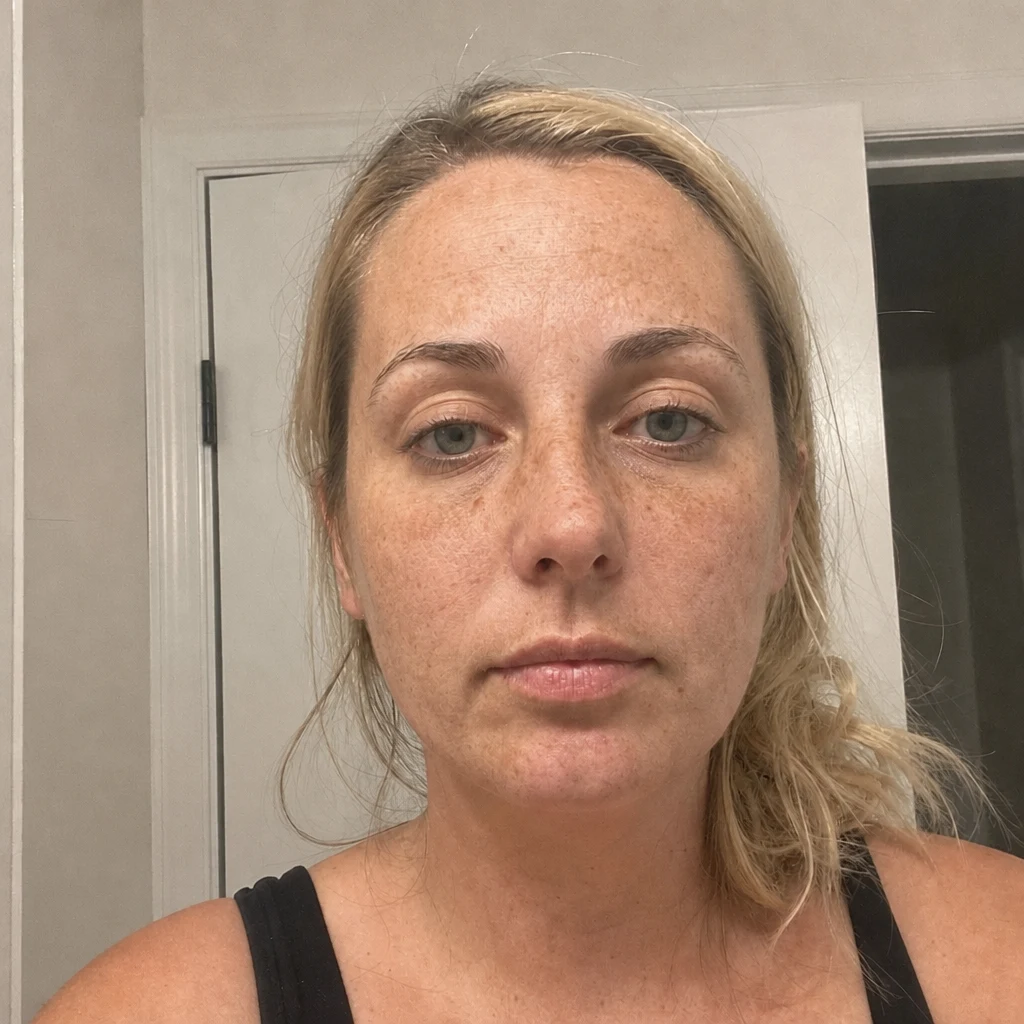
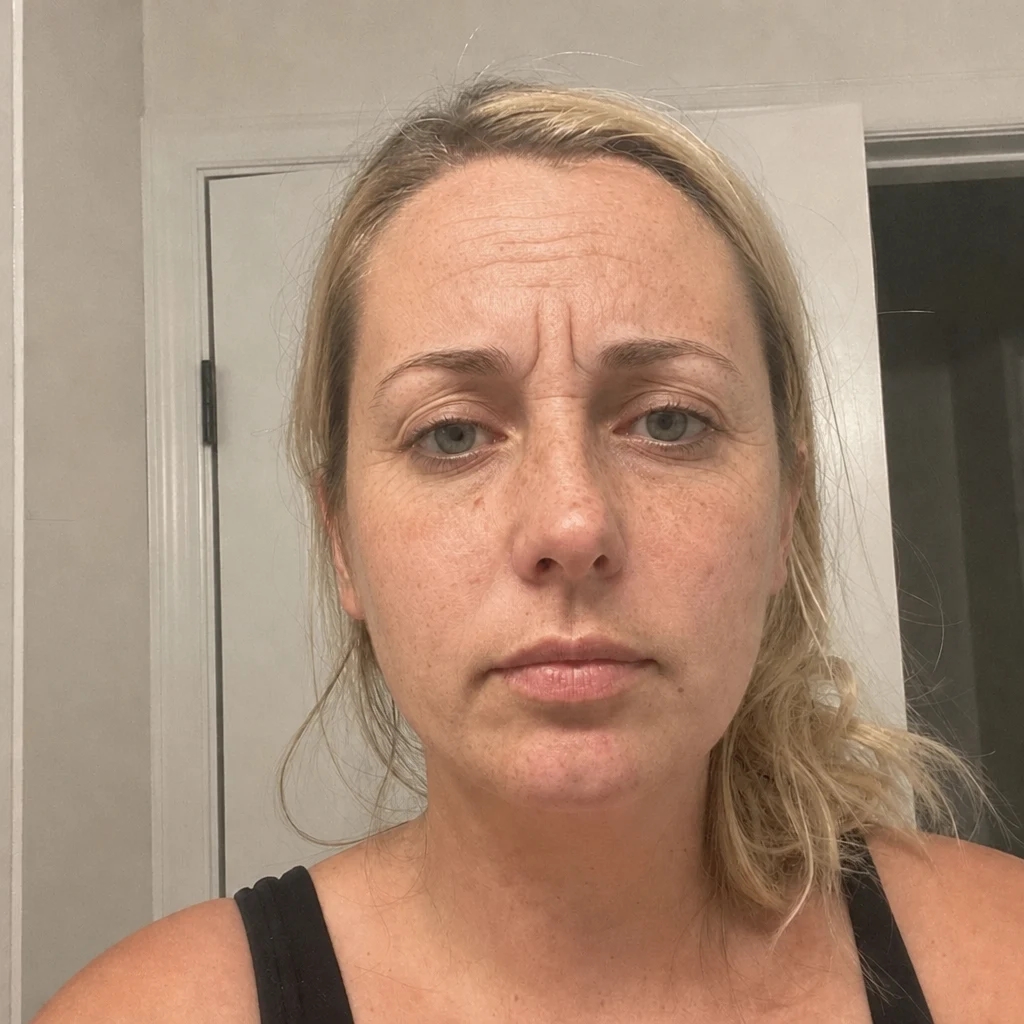
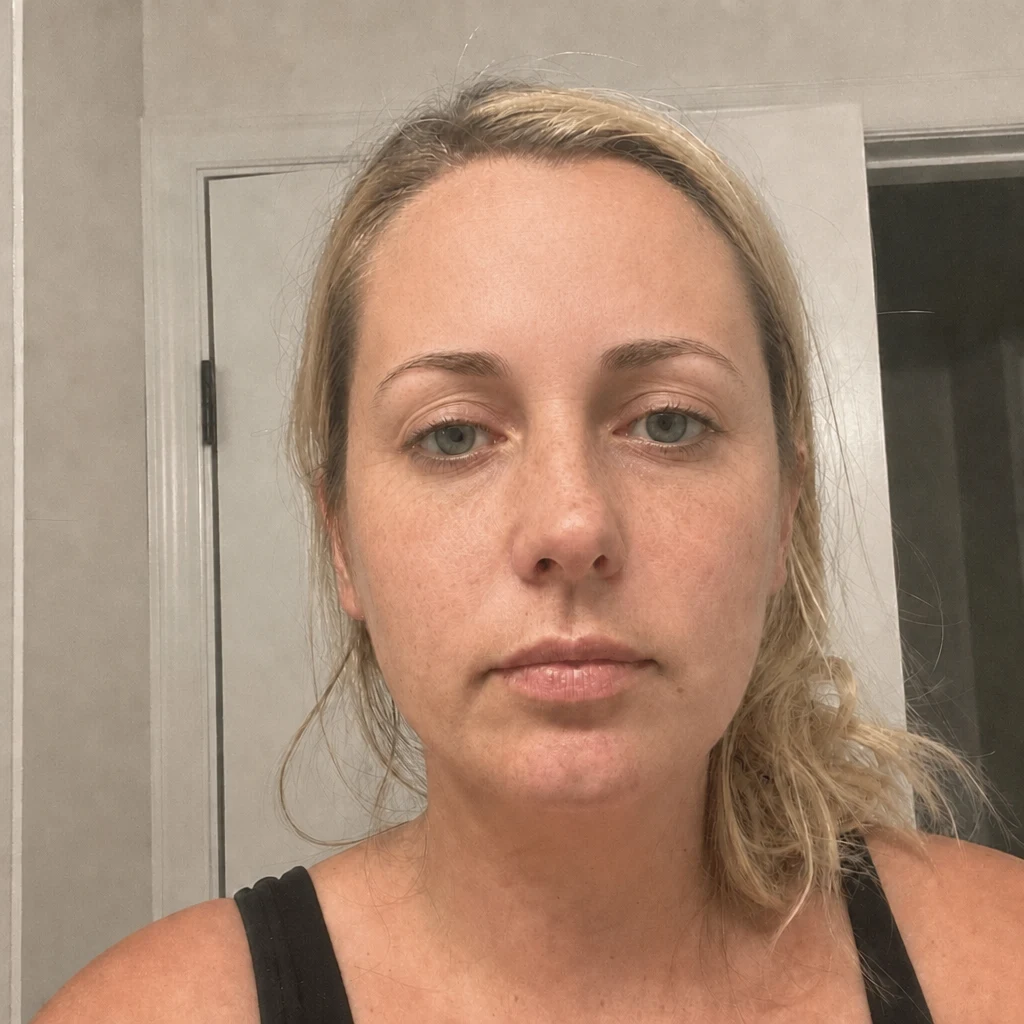
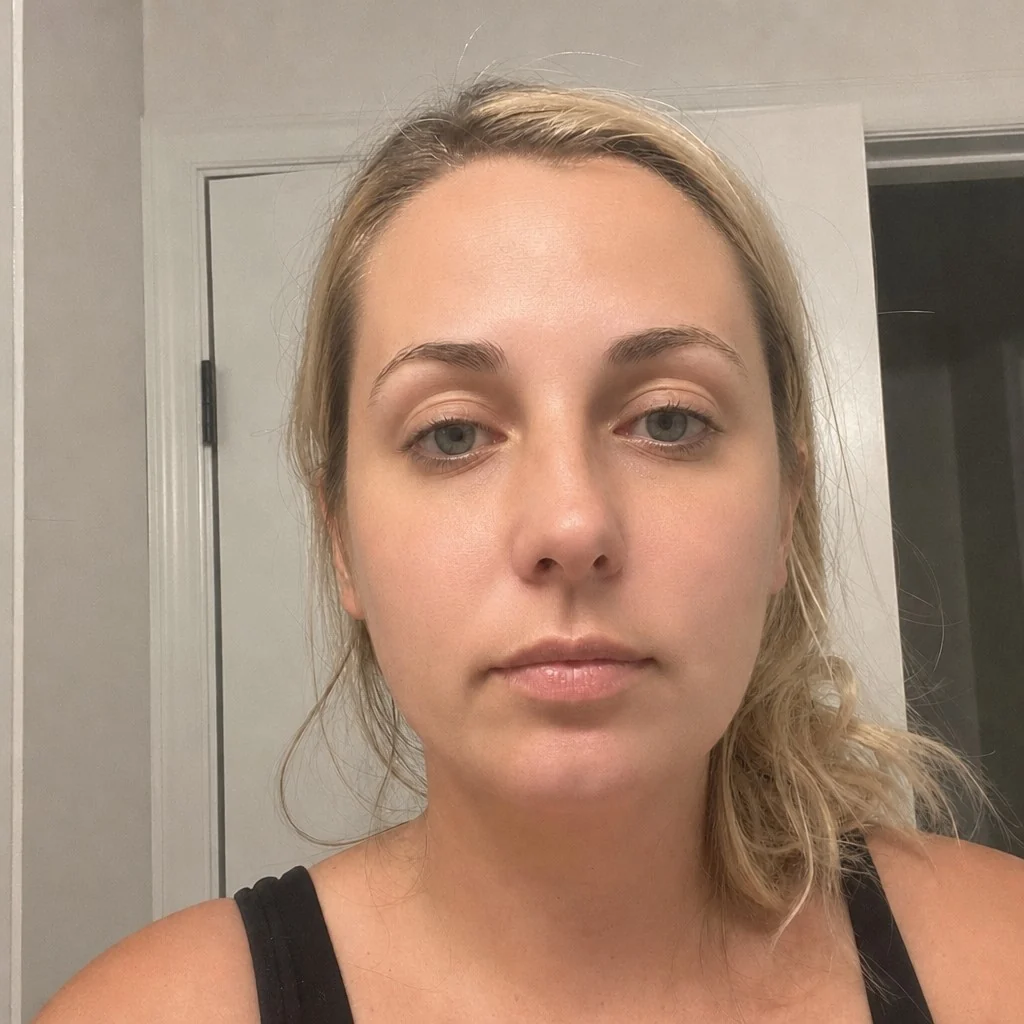
Before — generatedAfter — simulatedSee a skin resurfacing on your own face
Run this simulationLaser resurfacing cost
Prices span a wide range because the treatments do. The American Society of Plastic Surgeons lists an average of $1,829 for laser skin resurfacing, a fee that excludes facility, anesthesia and medication costs. Non-ablative fractional sessions are commonly quoted at roughly $200–$800 each, usually as a course of three to six; full-face ablative CO2 commonly runs $3,000–$6,000 as a single treatment.
| Cost factor | Why it moves the price |
|---|---|
| Laser type and depth | Ablative CO2 costs far more per treatment than non-ablative |
| Number of sessions | Lighter lasers need a course; the total can rival one deep treatment |
| Area | Full face versus around the eyes or mouth only |
| Anesthesia | Deeper treatments may need more than numbing cream |
| Who performs it | Dermatologists and plastic surgeons usually charge more than spas |
Price is also why laser resurfacing is searched alongside clinics abroad. Wherever it is done, the operator's experience with your skin type matters more than the machine's name.
Laser resurfacing risks, and why skin tone matters
- Prolonged redness — expected for weeks after ablative treatment, sometimes months.
- Darkening (post-inflammatory hyperpigmentation) — more common in medium and darker skin tones, usually temporary but slow to fade.
- Lightening (hypopigmentation) — less common, can appear months later, mainly after deeper ablative treatment, and can be permanent.
- Cold sore outbreaks, infection, acne flares and milia during healing.
- Scarring — uncommon, and more likely with overly aggressive treatment or poor aftercare.
Skin tone changes the choice of laser and settings rather than ruling treatment out. Non-ablative and lower-density fractional options are commonly used for darker skin to lower the pigment risk, at the cost of more sessions. Ask directly how many patients with your skin tone the clinic treats.
Skin resurfacing without a laser: peels and microneedling
| Option | Depth | Commonly used for | Downtime |
|---|---|---|---|
| Superficial chemical peel | Surface layer | Dullness, mild uneven tone | None to a few days of flaking |
| Medium-depth peel | Into the upper dermis | Sun damage, fine lines | About a week |
| Microneedling | Needle channels, no heat | Texture, shallow acne scars | One to three days of redness |
| Fractional laser | Adjustable | Texture, scars, lines | Days to a week or more |
For glow and smoothness without clinic downtime, a routine does more than most people expect — the glass skin simulation covers that route. Skin also matters more to how a face reads than its shape suggests: a study cited on the attractiveness test page (Fink and colleagues, 2006) found that evenness of skin color alone shifted how old, healthy and attractive the same face shape was rated.
Skin resurfacing simulator: smoother skin on your own photo
The skin resurfacing simulation renders the result of laser resurfacing on your photo: smoother, more even-toned skin with refined pores and softened fine lines, while keeping real skin texture, freckles and moles. It answers a simple question quickly — how much of what you dislike in photos is actually skin.
Treat it as the most flattering render on the site. Smoothing skin is what image models do best, so the picture shows no redness phase, no peeling week and no pigment risk, and it cannot tell which laser or how many sessions would get there. It is a direction for a consultation, not a forecast.
Questions to ask a dermatologist before laser resurfacing
- Which laser and depth for my skin type, and what is my specific risk of darkening or lightening?
- How many sessions until I would look like these photos, and what maintains the result afterwards?
- Is what I want to change texture, pigment, scarring or lines from movement — and is laser resurfacing the right tool for that one?
Alternatives to skin resurfacing
How the skin resurfacing simulation works
Your photo is analysed for the landmarks that matter to this procedure, and the render changes texture, pores and surface lines while leaving the rest of your face alone. That constraint is the hard part — a generic image model will happily redraw your whole face and hand you a stranger who looks better.
The render smooths skin in the frame. Skin texture is exactly what image generation is best at faking and what a simulation should be trusted with least — a smoothed render is a filter, not a forecast.
It is an illustration of a plausible direction, not a prediction of your result and not a medical opinion. What it is genuinely good for is finding out whether you want the change at all — plenty of people render one, find the difference smaller than they imagined, and stop there.
Measure your face before a skin resurfacing simulation
The free analysis tools measure symmetry, facial proportion and face shape, and tell you which measurements sit outside the reference range. Choosing a procedure from that is a much better starting point than choosing one from a photo you saved.
Skin Resurfacing simulator — frequently asked questions
How long does laser skin resurfacing last?
Improvements in texture, scarring and sun damage commonly last years. Skin keeps aging and sun exposure brings pigment back, so daily sunscreen and occasional maintenance treatments decide how long it looks fresh.
Does laser resurfacing actually work?
For the right problem, yes — fine lines, texture, sun damage and many acne scars improve measurably. It disappoints most when used for sagging or volume loss, which it does not treat, or when a light treatment is expected to match a deep one.
What is the downside of laser resurfacing?
Downtime and pigment risk. Deeper treatments mean a week or more of visible healing and weeks of redness, and pigment changes are the risk to weigh most carefully in medium and darker skin.
Is laser resurfacing good for older skin?
Age is not the deciding factor — skin condition, how deep the treatment goes and how well the skin heals are. Older skin can heal more slowly, which often shapes the choice toward gentler or fractional settings. That is a question for an in-person assessment.
Can laser resurfacing be done in summer?
It can, but many clinics prefer autumn and winter, because treated skin must be protected from the sun for weeks and sun exposure raises the risk of pigment changes.
Does laser resurfacing hurt?
Non-ablative treatments usually need only numbing cream and feel hot and prickly. Deeper ablative treatments are more uncomfortable and may use injected local anesthetic or sedation.
Is the skin resurfacing simulator free?
The face analysis is free and needs no account. A rendered simulation costs credits because it runs on a GPU — $4.99 buys five and does not require a subscription.
How accurate is an AI skin resurfacing simulation?
It is an illustration of a plausible outcome, not a prediction of your result. Real outcomes depend on your anatomy, the dermatologist and how you respond. Treat it as a conversation starter for a consultation, not a promise.
Do you keep my photo?
The free measurements never leave your browser. A simulation does send the photo to a rendering service, which is why it asks for explicit consent first, and you can delete the result from your dashboard at any time.
Can I show this to a dermatologist?
Yes, and that is the most useful thing to do with it. Bringing a picture of the direction you want is far more precise than describing it in words.
Other skin simulations
This page is not medical advice and we are not clinicians. A simulation cannot tell you whether a procedure is appropriate for you, what it costs, or what the risks are. Those questions belong with a qualified dermatologist.