Otoplasty Before and After: Ear Pinning on Your Own Photo
Otoplasty — ear pinning surgery — reshapes the ear cartilage so prominent ears sit closer to the head. Here is how the techniques differ, what it typically costs in the US, how the recovery and headband weeks go, what can go wrong, and a render of the change on your own photo.
Otoplasty simulator — example render


- Type
- Surgical, permanent
- Typical US cost
- Roughly $3,000–$6,000
- Headband
- Commonly worn for several weeks
- Scar
- Behind the ear, in the fold
- Upload one front-facing photo
- The render changes how far your ears sit from your head — and leaves the rest of your face alone
- Compare your before and after side by side
1 render = 1 credit
5 credits $4.99, no subscription · or Starter $7.99/month for 10. The face analysis is free.
What is otoplasty (ear pinning surgery)?
Otoplasty is surgery on the outer ear. Most of it is ear pinning: setting prominent ears — sometimes called bat ears or protruding ears — closer to the side of the head. It can also reduce very large ears, correct a folded or cupped rim, or even out two ears that differ.
Prominent ears usually come from one of two shapes, often both. The fold that runs inside the rim (the antihelical fold) is flat or missing, so the rim stands out; or the bowl next to the ear canal (the concha) is deep and pushes the whole ear forward. Which one you have decides the technique.
Otoplasty techniques: sutures, cartilage work and incisionless
| Technique | What it does | Commonly described trade-off |
|---|---|---|
| Suture otoplasty (e.g. Mustardé) | Permanent stitches fold the cartilage to create the missing antihelical fold | Nothing removed; stitches can loosen, which is part of why recurrence happens |
| Conchal setback or reduction | Stitches the bowl back toward the skull, or removes a crescent of it | Addresses a deep concha; over-setting can look pinned |
| Cartilage scoring or cutting | Weakens stiff cartilage so it holds a new fold | More durable in stiff adult cartilage; harder to undo |
| Incisionless otoplasty | Sutures placed through small punctures without an open incision | Quicker recovery; suited to softer cartilage and milder cases |
| Ear reduction | Removes skin and cartilage from the rim | For size rather than projection; a longer scar |
Otoplasty for cauliflower ear
Cauliflower ear — the thickened, lumpy ear left by repeated injury in contact sports — is corrected with a different kind of ear surgery that removes scarred cartilage and recontours it. It is not ear pinning, and the simulation on this page does not show it.
Otoplasty before and after: how to read the photos
Otoplasty before and after galleries are almost all front and back views of the head. Ear pinning is a depth change seen from the front only as an outline, so the framing matters more than usual.
- Front and back views together. The back view shows how far the rim sits from the head; the front view shows whether the result looks natural.
- Hair tucked the same way. Hair over the top of the ear hides projection; tucked hair exaggerates it.
- Same head position. Turning even slightly toward the camera makes one ear look flatter than the other.
- Same camera distance. A phone held close enlarges the middle of the face and makes the ears recede — the effect explained in how to be photogenic — so a close after shot flatters ear pinning on its own.
- Look along the whole rim. A top and bottom that stick out while the middle is flat is the 'telephone ear' shape, a known over-correction.
- Photos at a year. Recurrence happens over months, so a six-week after photo cannot show it.
Otoplasty for children and adults
People look for otoplasty before and after photos of kids, men and women separately, but the operation itself differs little between them. What changes with age is the cartilage, the anesthesia and the reason for the timing.
Ear pinning in children
The ear reaches close to adult size early, which makes otoplasty one of the few facial operations commonly done in childhood — usually from around age five. It is often timed before or early in school. Children commonly have general anesthesia.
Ear pinning in adults
A large share of otoplasty is done in adults. Adult cartilage is stiffer, so surgeons more often combine sutures with scoring or cutting to hold the new shape. Adults commonly have the operation under local anesthesia, sometimes with sedation.
Ear molding in newborns
In the first weeks of life, ear cartilage is soft enough to be reshaped with a molding device, without surgery. The window closes early, and in older children and adults non-surgical ear pinning does not work.
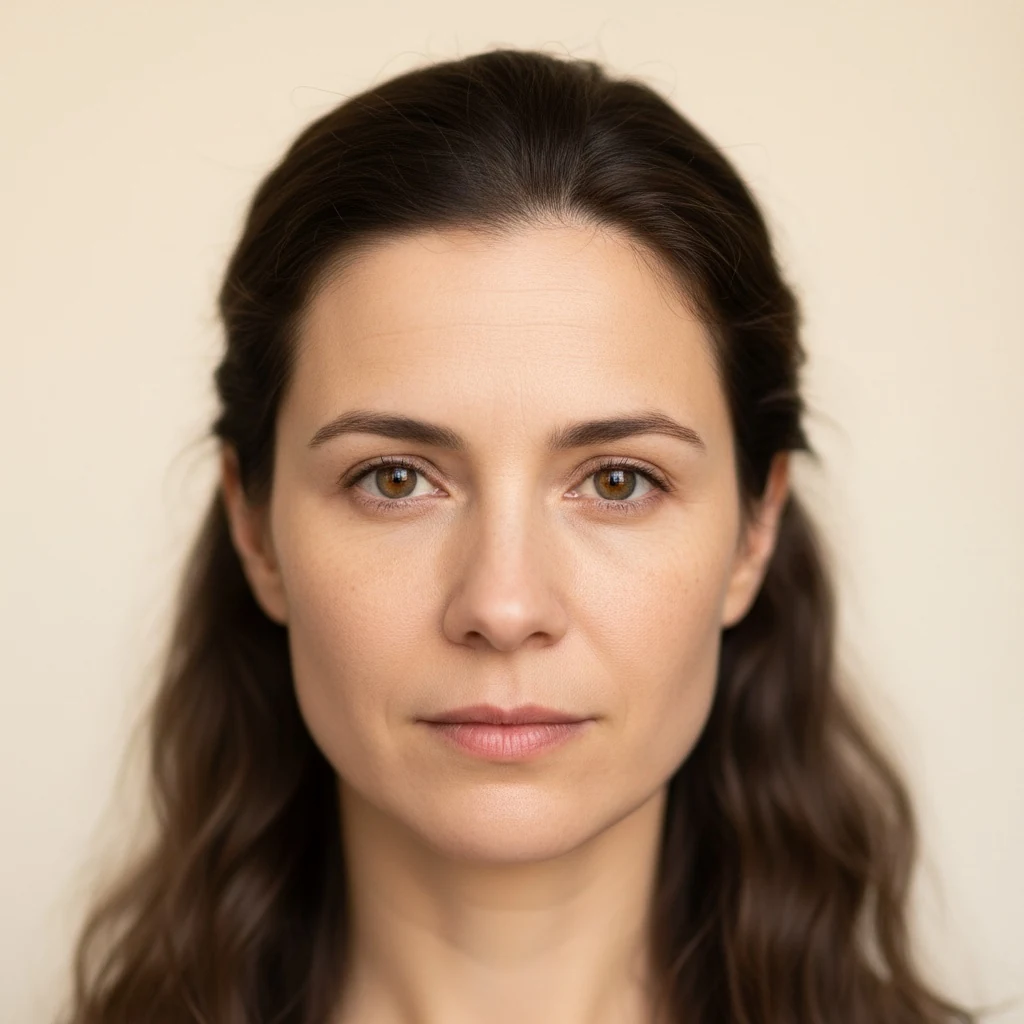
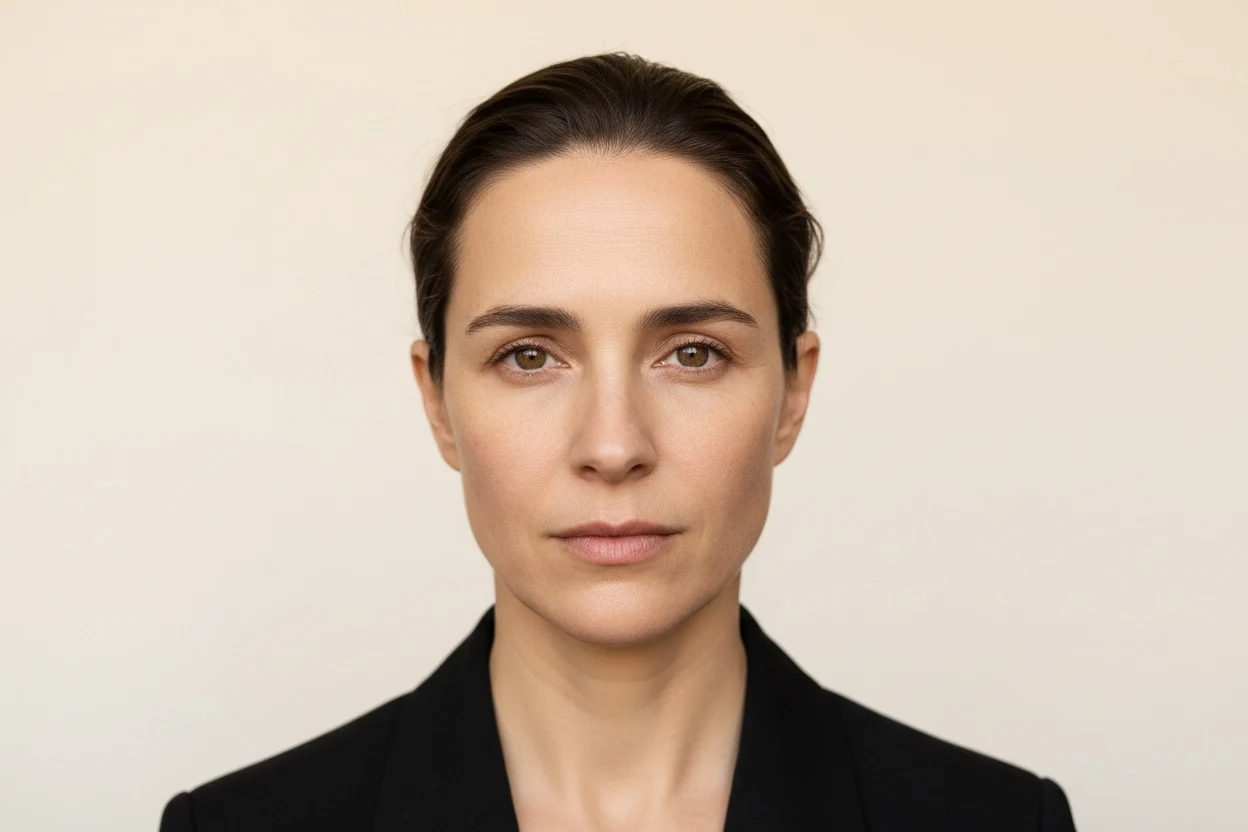
Before — generatedAfter — simulatedSee a otoplasty on your own face
Run this simulationOtoplasty cost: what ear pinning usually runs
Otoplasty cost is commonly quoted at roughly $3,000–$6,000 in the United States. Ear pinning cost varies mainly with:
- One ear or both. Operating on a single ear is less, but surgeons often adjust the other for symmetry.
- Technique. Incisionless and suture-only procedures are usually shorter than combined cartilage work.
- Anesthesia and facility. General anesthesia in a hospital costs more than local anesthesia in an office suite, and quotes do not always include either.
- Revision. Correcting recurrence or over-correction is priced separately.
Because otoplasty is a one-time operation with a permanent result, the price is less of a moving target than with treatments that need repeating. Cosmetic ear pinning is generally paid for out of pocket; ask whether the quote includes the dressings, headband and follow-up visits, since those are part of the recovery rather than extras.
Otoplasty recovery and the headband
| When | What is commonly reported |
|---|---|
| First days | A padded head dressing, throbbing and tenderness; sleeping off the ears |
| End of week 1 | Dressing removed; ears swollen, bruised and often numb |
| Weeks 1–2 | Back to school or desk work for many; an elastic headband worn day and night |
| Up to about 6 weeks | Headband commonly continued at night to protect the ears during sleep; contact sports avoided |
| Months 2–3 | Swelling settled; the ear's position looks close to final |
| First year | Numbness fades; this is the period in which any recurrence usually shows |
Otoplasty recovery is milder than most facial surgery. The early warning sign surgeons commonly stress is severe or one-sided pain in the first days, which can signal a blood collection (hematoma) under the dressing and needs to be checked promptly.
Otoplasty risks and scars
- Recurrence — the ear drifting partly back toward its old position, the outcome most worth asking a surgeon about.
- Over-correction — ears set too flat, or the telephone-ear shape where only the middle is pinned.
- Asymmetry between the two ears.
- Stitch problems — a permanent suture working through the skin behind the ear or becoming tender, sometimes needing removal.
- Hematoma and infection, uncommon but the reason early follow-up exists.
- Scarring — the scar sits in the crease behind the ear; thick or keloid scars are a known risk for people prone to them.
Ear pinning simulator: see otoplasty on your own photo
The otoplasty simulation brings protruding ears closer to the head on your photo, keeping them symmetric and natural rather than flattened. The rest of your face is meant to stay as it was.
This is one of the procedures where a photograph carries least of what matters. Projection is depth, and from the front a render can only change the outline of the ear. No tool on this site measures ears — the face landmarks stop short of them — so there is no number here to take into a consultation, only the picture. The face symmetry test reads left-right differences in the face itself, not the ears, and is worth knowing about only because uneven ears are often noticed alongside them.
Questions to ask your surgeon before otoplasty
- How often do your otoplasty patients see their ears drift back, and what do you do if it happens?
- Which technique are you planning — sutures only, cartilage scoring or conchal work — and why for my ears?
- Are my two ears different, and are you correcting that as well as projection?
- How long will I wear the headband, and when can I sleep on my side or play contact sports?
How the otoplasty simulation works
Your photo is analysed for the landmarks that matter to this procedure, and the render changes how far your ears sit from your head while leaving the rest of your face alone. That constraint is the hard part — a generic image model will happily redraw your whole face and hand you a stranger who looks better.
The render adjusts the ear in the frame. Ear projection is a depth measurement seen from the front only as an outline, and this is one of the procedures where a photograph carries the least of what matters.
It is an illustration of a plausible direction, not a prediction of your result and not a medical opinion. What it is genuinely good for is finding out whether you want the change at all — plenty of people render one, find the difference smaller than they imagined, and stop there.
Measure your face before a otoplasty simulation
The free analysis tools measure symmetry, facial proportion and face shape, and tell you which measurements sit outside the reference range. Choosing a procedure from that is a much better starting point than choosing one from a photo you saved.

Otoplasty simulator — frequently asked questions
How long do otoplasty results last?
The change is considered permanent. Some ears drift partly back over the first months, which is why surgeons judge the result at around a year rather than at the first follow-up.
Can ears go back to normal after otoplasty?
Partial recurrence is a documented outcome, most often with stitch-only techniques in stiff cartilage. A full return to the original shape is uncommon, and a revision can correct it.
Is otoplasty worth it?
That is a personal judgment, but a few things are consistent: it is one of the milder facial operations to recover from, the change is easy to see, and it is permanent. It tends to disappoint when the goal was completely flat ears, which surgeons avoid because they look unnatural.
Does otoplasty hurt?
It is done under anesthesia, so not during. Afterwards throbbing and tenderness are common for several days and usually managed with ordinary pain relief. Pain that is severe or on one side only should be reported to the surgeon.
Can you pin back just one ear?
Yes, when only one ear protrudes. Surgeons often still assess both, because matching a single corrected ear to an untouched one is the harder part.
Is the otoplasty scar visible?
For most techniques it sits in the crease behind the ear and is not visible from the front. Incisionless otoplasty leaves only small puncture marks.
Is the otoplasty simulator free?
The face analysis is free and needs no account. A rendered simulation costs credits because it runs on a GPU — $4.99 buys five and does not require a subscription.
How accurate is an AI otoplasty simulation?
It is an illustration of a plausible outcome, not a prediction of your result. Real outcomes depend on your anatomy, the plastic surgeon and how you respond. Treat it as a conversation starter for a consultation, not a promise.
Do you keep my photo?
The free measurements never leave your browser. A simulation does send the photo to a rendering service, which is why it asks for explicit consent first, and you can delete the result from your dashboard at any time.
Can I show this to a plastic surgeon?
Yes, and that is the most useful thing to do with it. Bringing a picture of the direction you want is far more precise than describing it in words.
This page is not medical advice and we are not clinicians. A simulation cannot tell you whether a procedure is appropriate for you, what it costs, or what the risks are. Those questions belong with a qualified plastic surgeon.