Dimpleplasty Before and After: See Dimples on Your Face First
Dimpleplasty, or dimple surgery, uses a small stitch inside the cheek to create a dimple that shows when you smile. Here is how it is done, what the result looks like at rest and in a smile, how long it lasts, what can go wrong and what it costs — plus a render on your own photo.
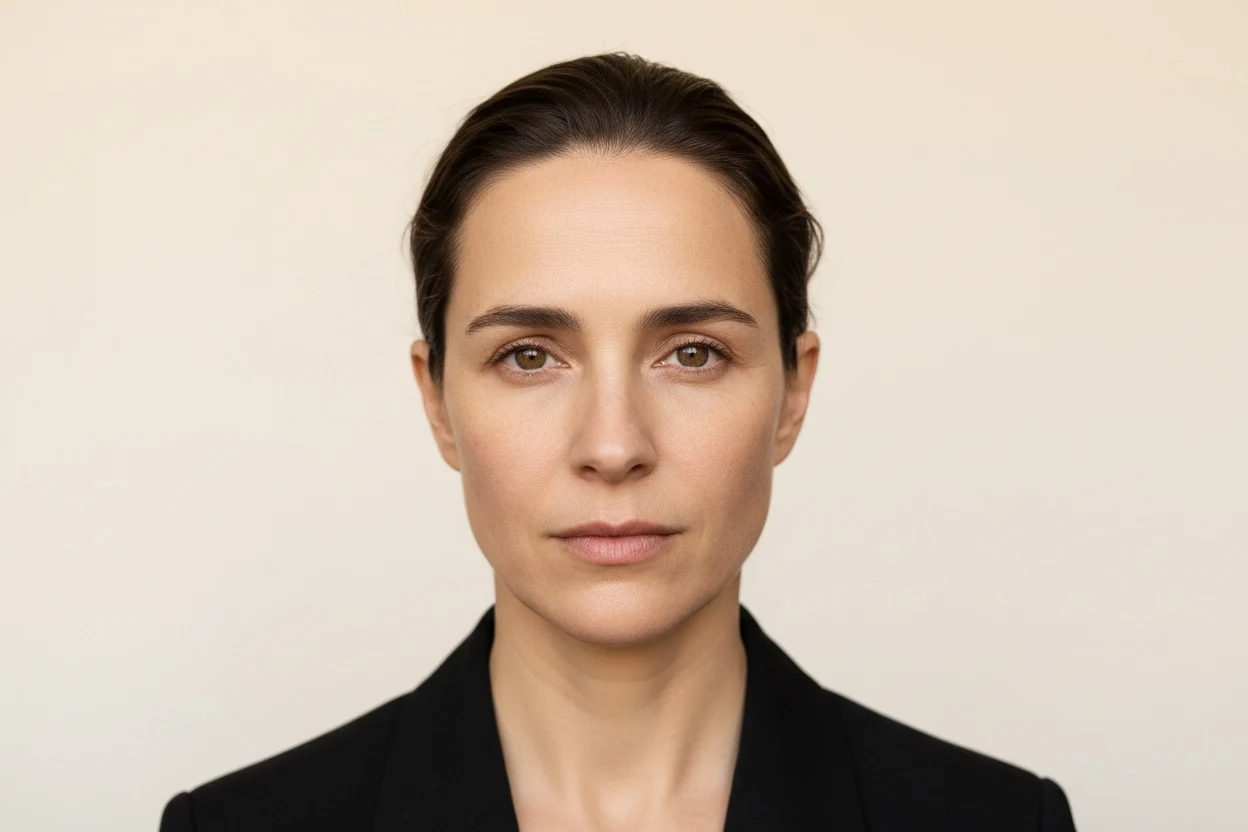
Dimple Creation simulator — example render
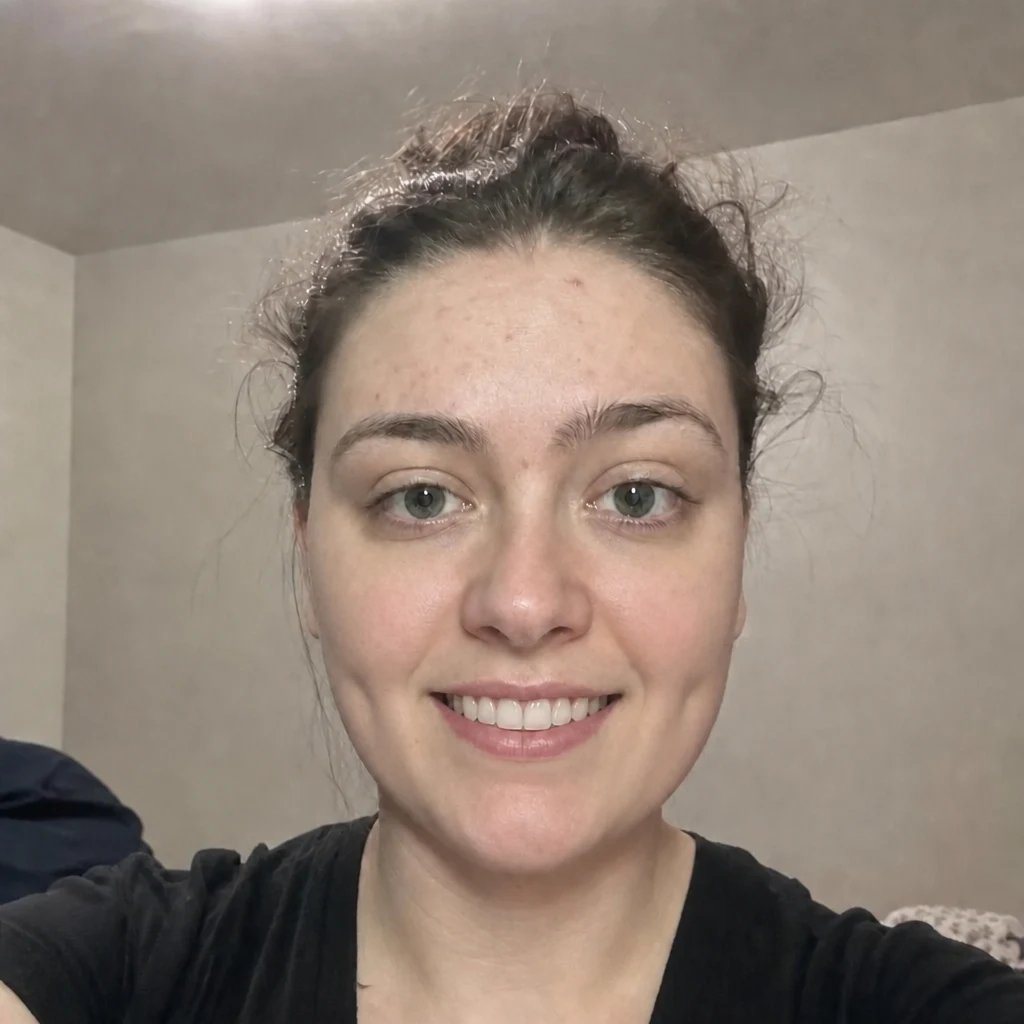
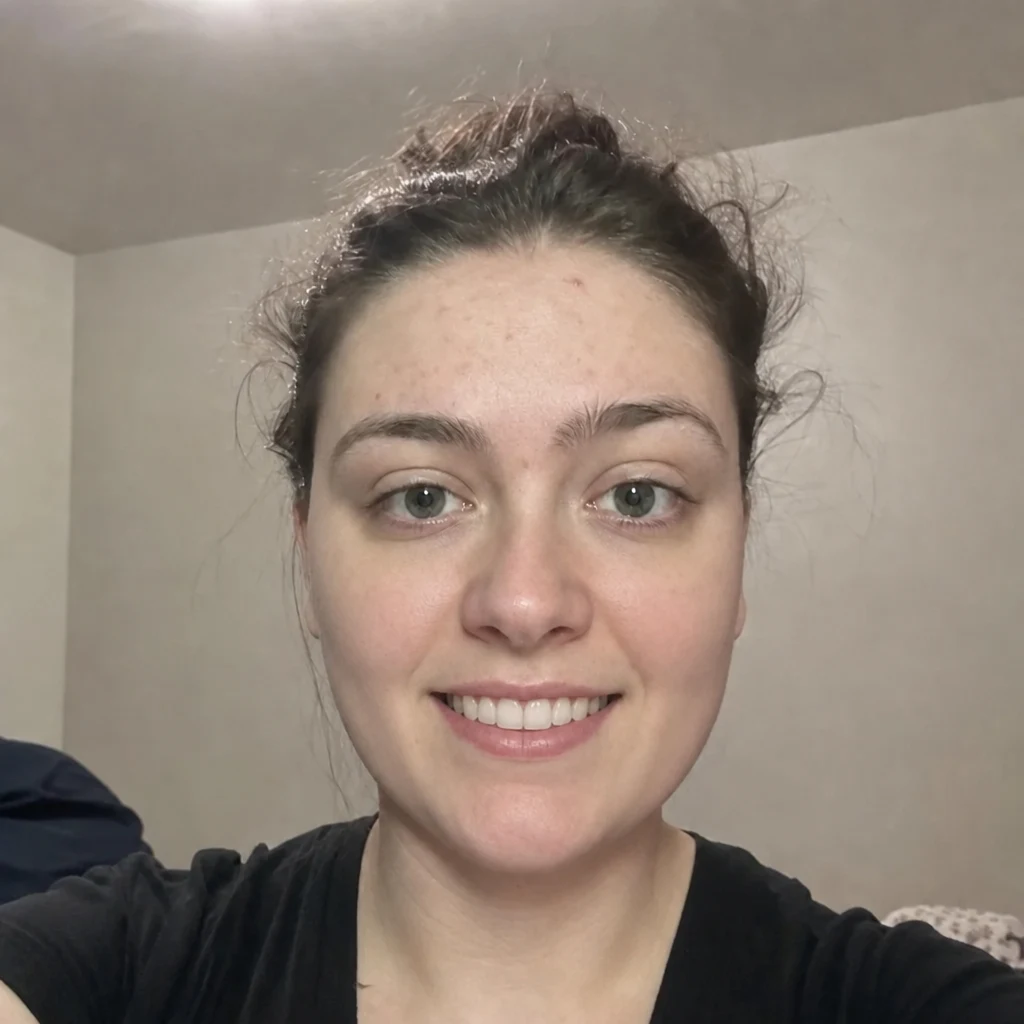
- Type
- Minor surgery, done through the mouth
- Typical US cost
- Commonly $1,000–$2,500
- Recovery
- Swelling for a few days; dimple settles over weeks
- How long it lasts
- Often permanent, but some dimples fade
- Upload one front-facing photo
- The render changes cheek dimples — and leaves the rest of your face alone
- Compare your before and after side by side
1 render = 1 credit
5 credits $4.99, no subscription · or Starter $7.99/month for 10. The face analysis is free.
What is dimpleplasty?
Dimpleplasty is a cosmetic procedure that creates cheek dimples where none exist. Natural dimples are commonly attributed to a variation in one of the smiling muscles, which tethers the skin so it folds inward when the muscle pulls. Dimple creation surgery imitates that tether with a stitch: the underside of the cheek skin is connected to the muscle beneath, so a small indentation forms when you smile.
It is one of the smaller facial procedures. It is usually done under local anesthesia, through the inside of the mouth, and most people go home the same day. A cleft chin, sometimes called a chin dimple, is a different operation and is not what dimpleplasty usually refers to.
How dimple surgery is done
- Marking the spot — with you sitting up and smiling, the surgeon marks where the dimple should sit. One commonly described landmark is where a line down from the outer corner of the eye meets a line out from the corner of the mouth, adjusted to your face.
- Local anesthesia — the cheek is numbed from inside the mouth.
- A small incision inside the cheek — made on the lining of the mouth, so there is no cut on the skin of the face. Some techniques remove a tiny amount of tissue here.
- The tethering stitch — a suture is passed to catch the underside of the skin and tied to the muscle, creating the dimple.
- Closing — the inside incision is closed with dissolvable stitches.
Surgeons use both dissolvable and permanent sutures for the tether. With a dissolvable stitch, the scar tissue that forms around it is what holds the dimple once the suture is gone — which is part of why some dimples soften or disappear.
Dimpleplasty before and after: at rest and when smiling
The detail most dimpleplasty before and after photos skip is movement. A natural dimple appears mostly when smiling; a newly created one often shows at rest too, at least at first.
| At rest | When smiling | |
|---|---|---|
| First days | Visible indentation, often with swelling | Deep and pronounced |
| First weeks | Still commonly visible, gradually softening | Clear dimple |
| After a few months | Faint or gone in most results people are happy with | The dimple that stays |
| If it fades | No indentation | Shallow dimple or none |
Dimple surgery cost
Dimple surgery is commonly quoted at roughly $1,000–$2,500 in the United States. Because it is done under local anesthesia in an office, there is usually no separate hospital fee.
- One dimple or two — some practices price per side; a single dimple is not always half the cost.
- Surgeon and city — as with other facial procedures, major cities are at the top of the range.
- Revisions — ask whether redoing a dimple that fades is included, because fading is a known outcome.
The low price abroad is one reason dimpleplasty cost is searched so often. For a procedure where placement is the whole result, being able to return to the same surgeon if a dimple fades or sits wrong matters more than usual.
Dimpleplasty recovery timeline
| When | What is commonly reported |
|---|---|
| Days 1–3 | Swelling and tenderness in the cheek; a deep dimple visible even at rest |
| Week 1 | Swelling easing; soft food and mouth rinses after meals are commonly advised |
| Weeks 2–6 | The resting dimple softens; the smiling dimple remains |
| Months 2–3 | The result is closer to final and easier to judge |
Most people return to work within a day or two. Aftercare commonly includes keeping the inside of the mouth clean, avoiding very hard foods for a short period and not pulling at the cheek to check the stitch.
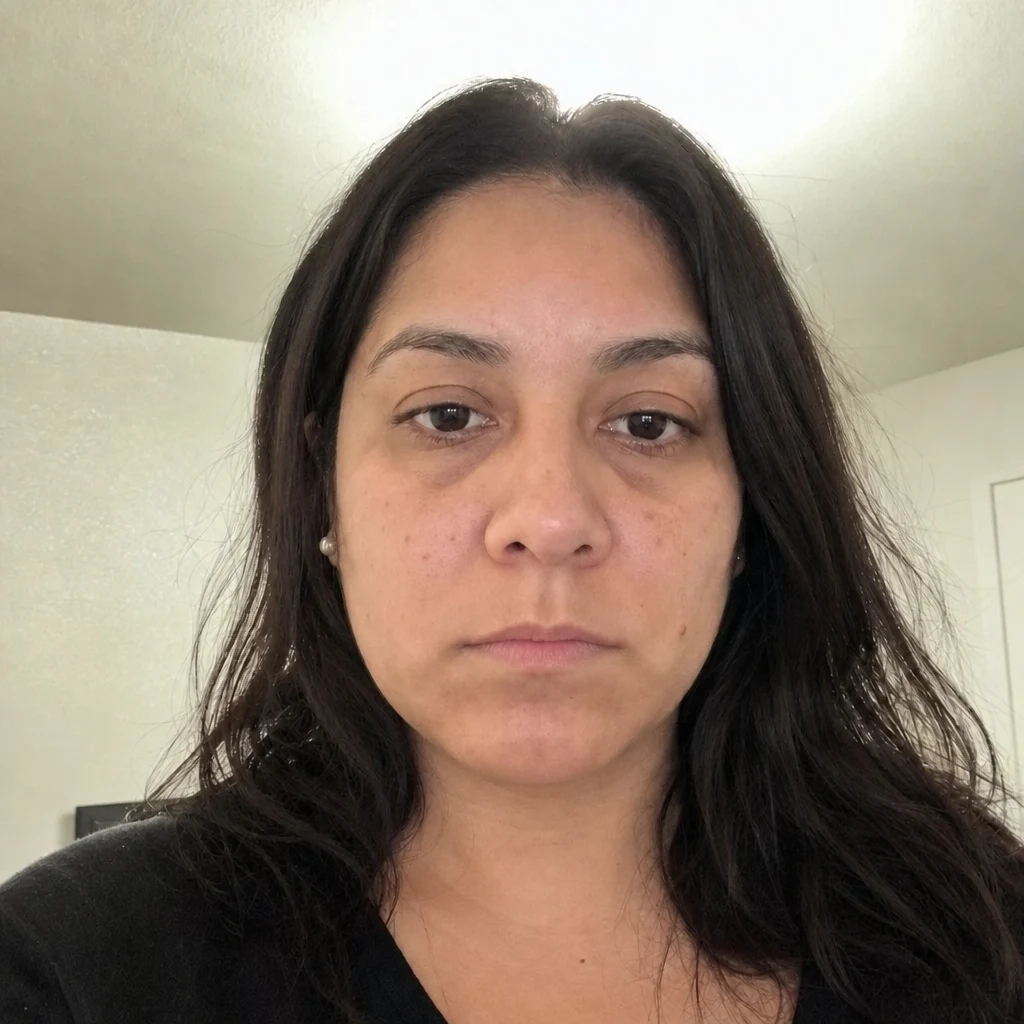
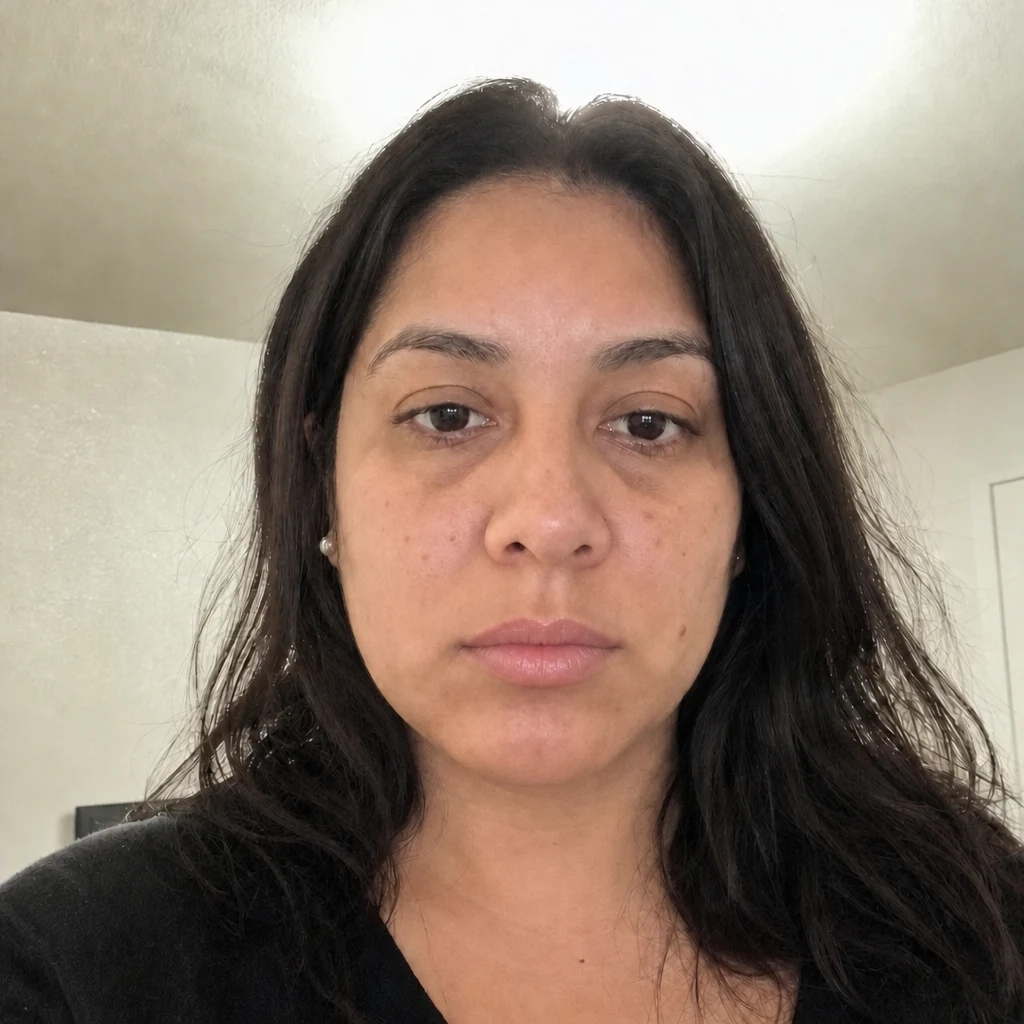
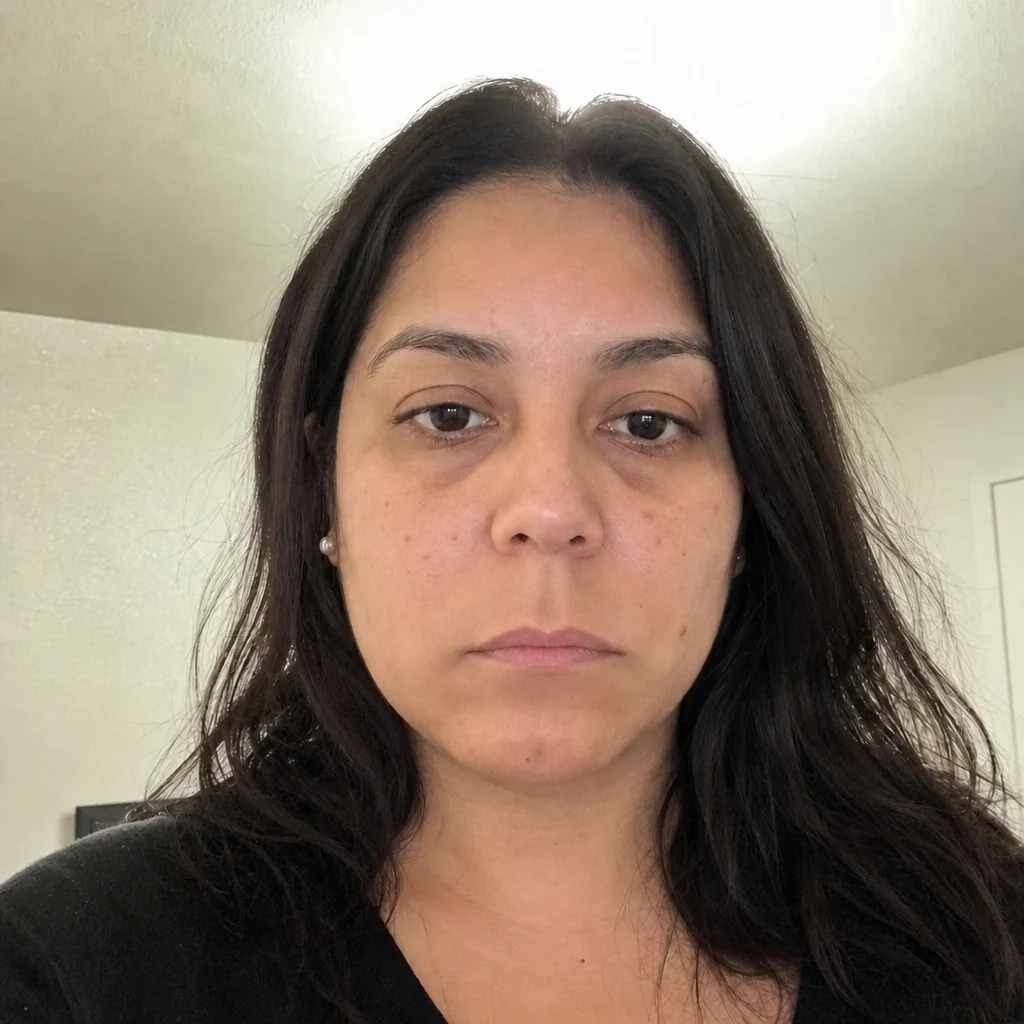
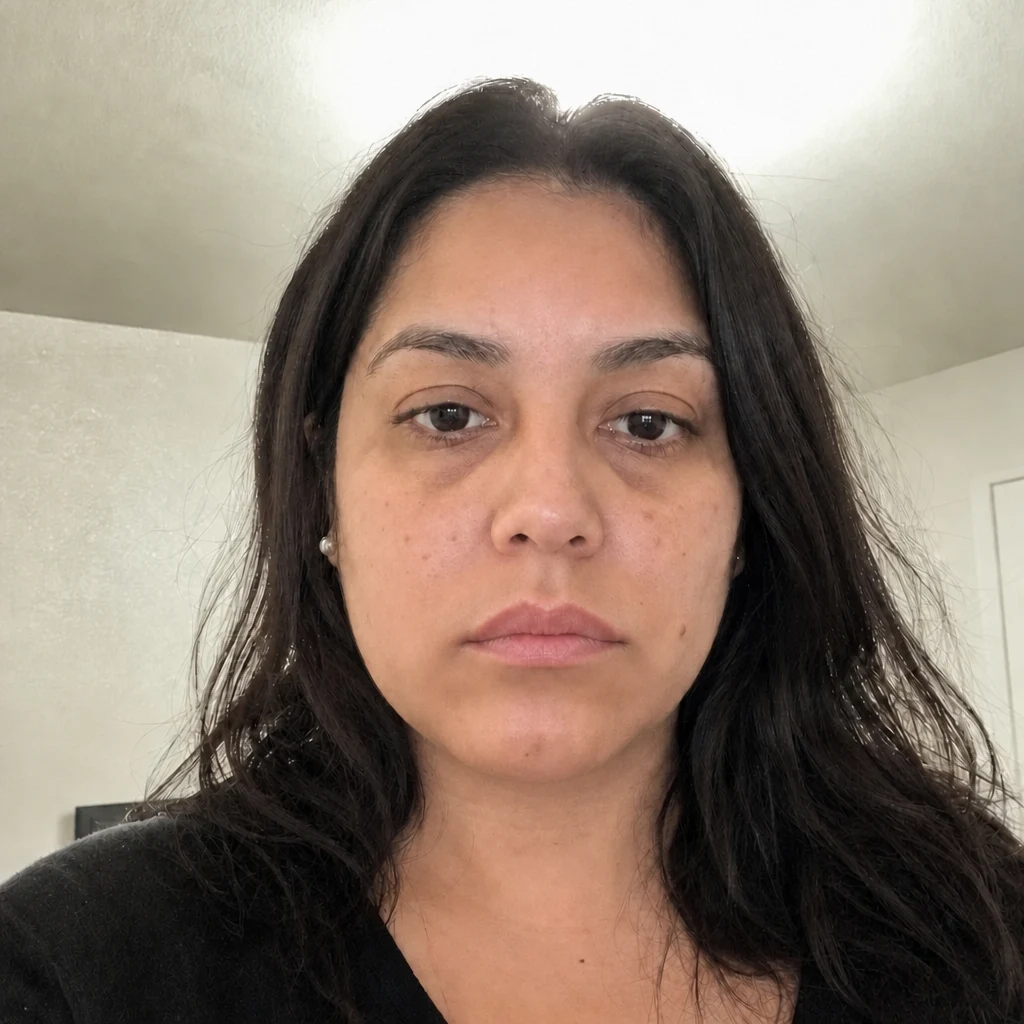
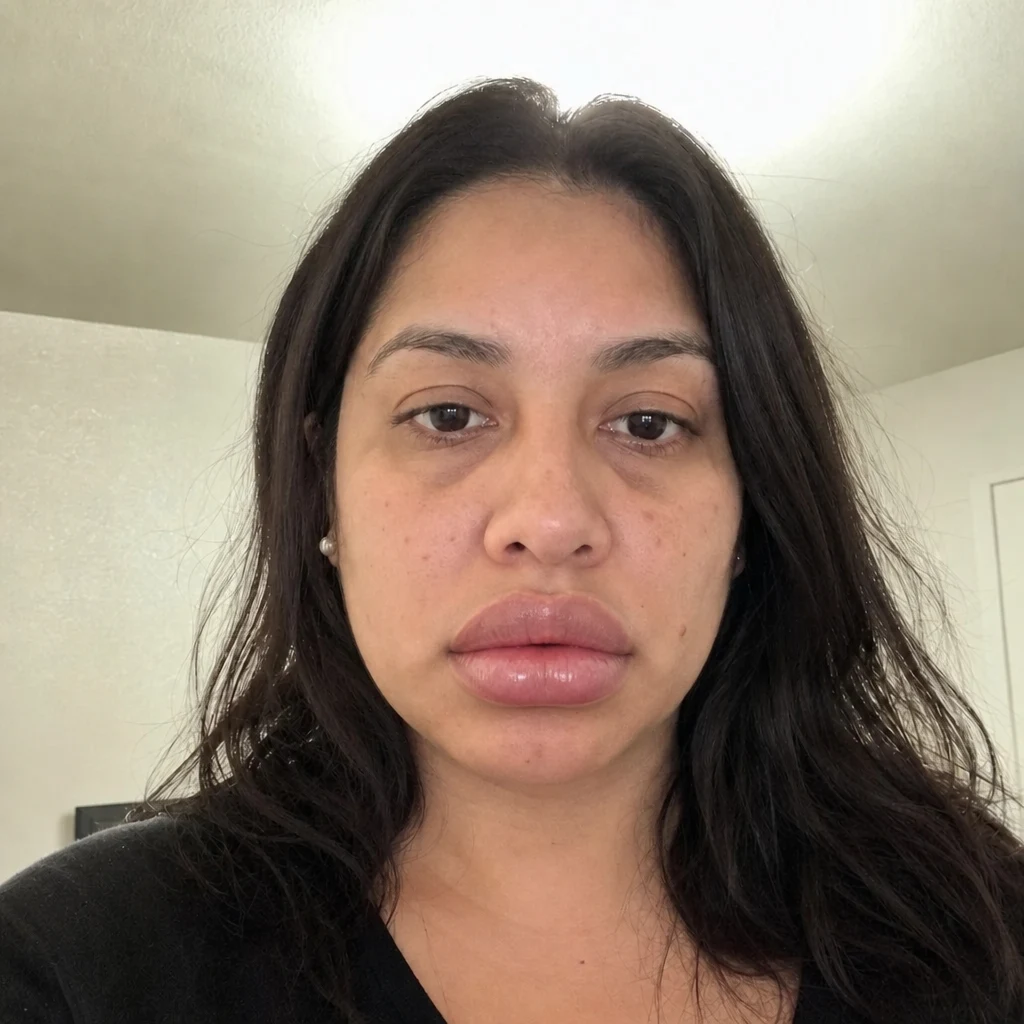
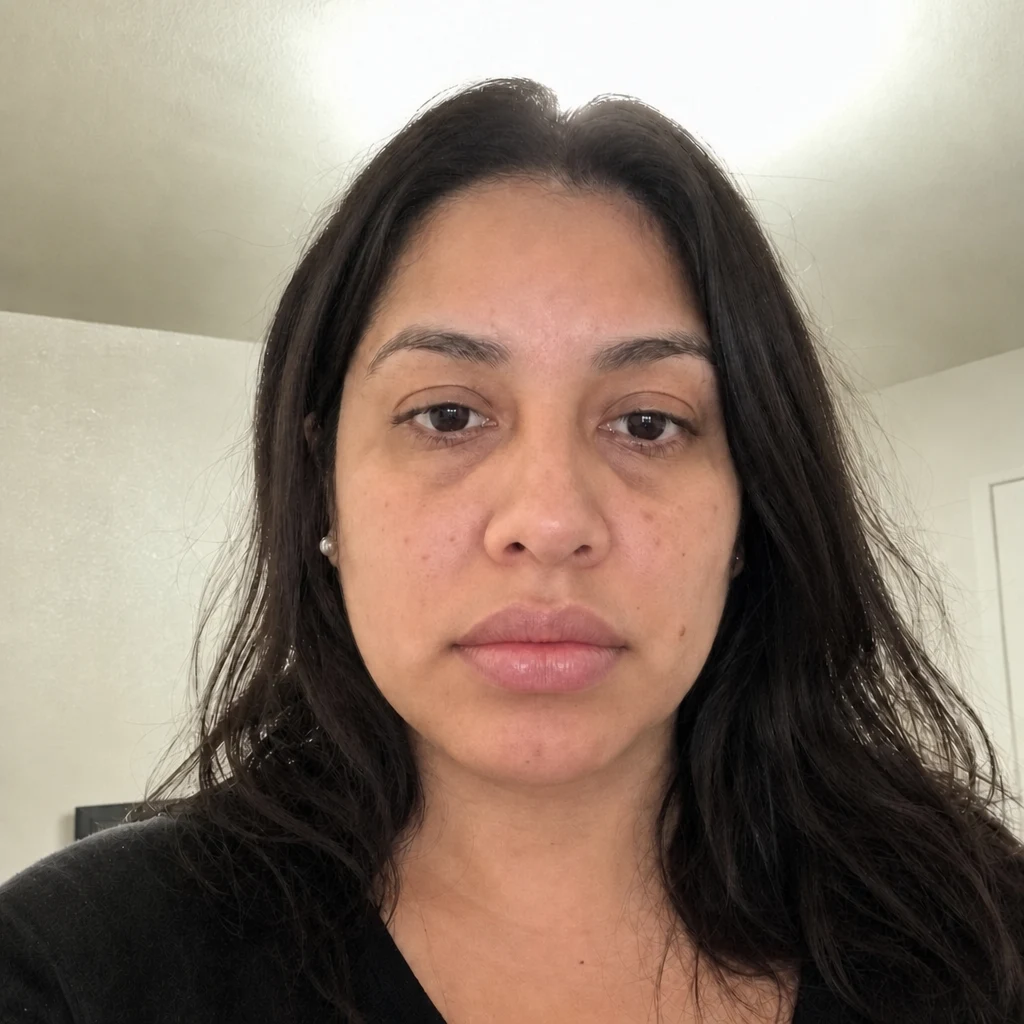
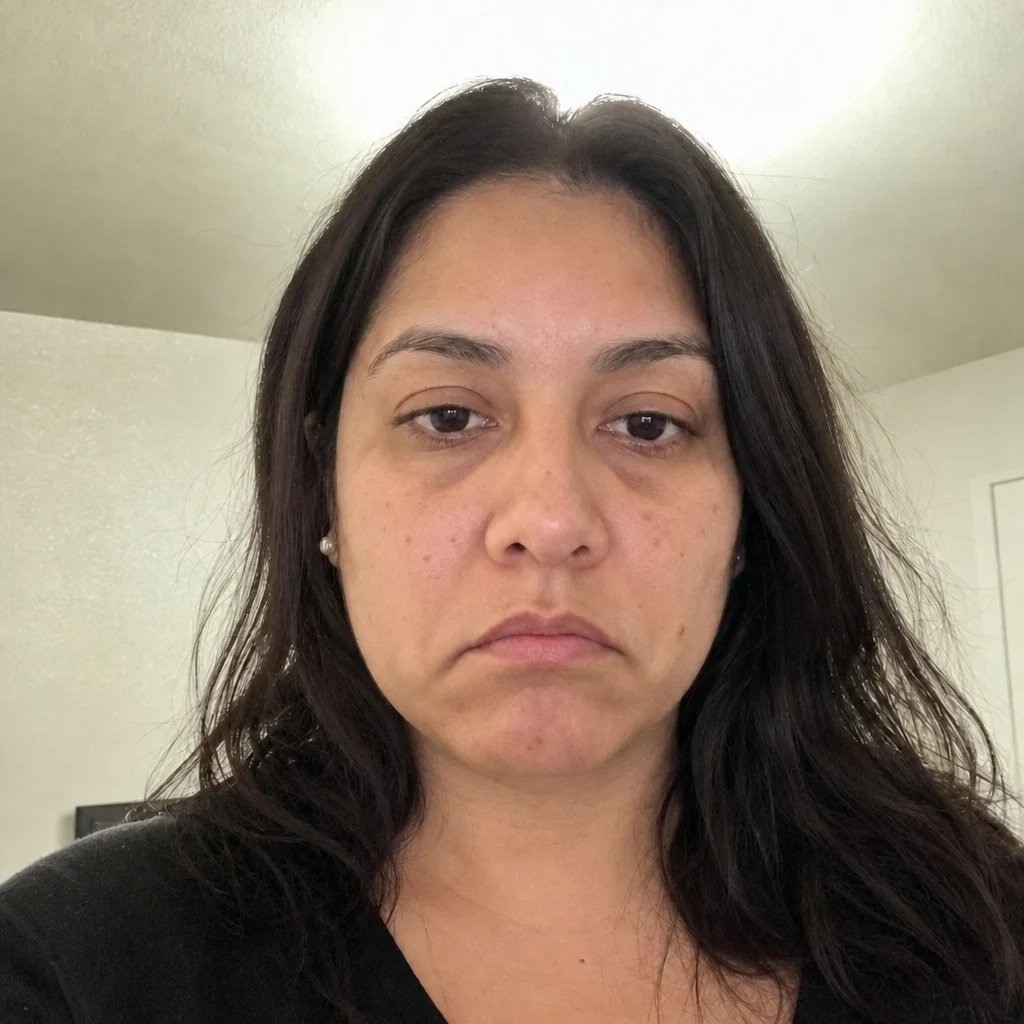
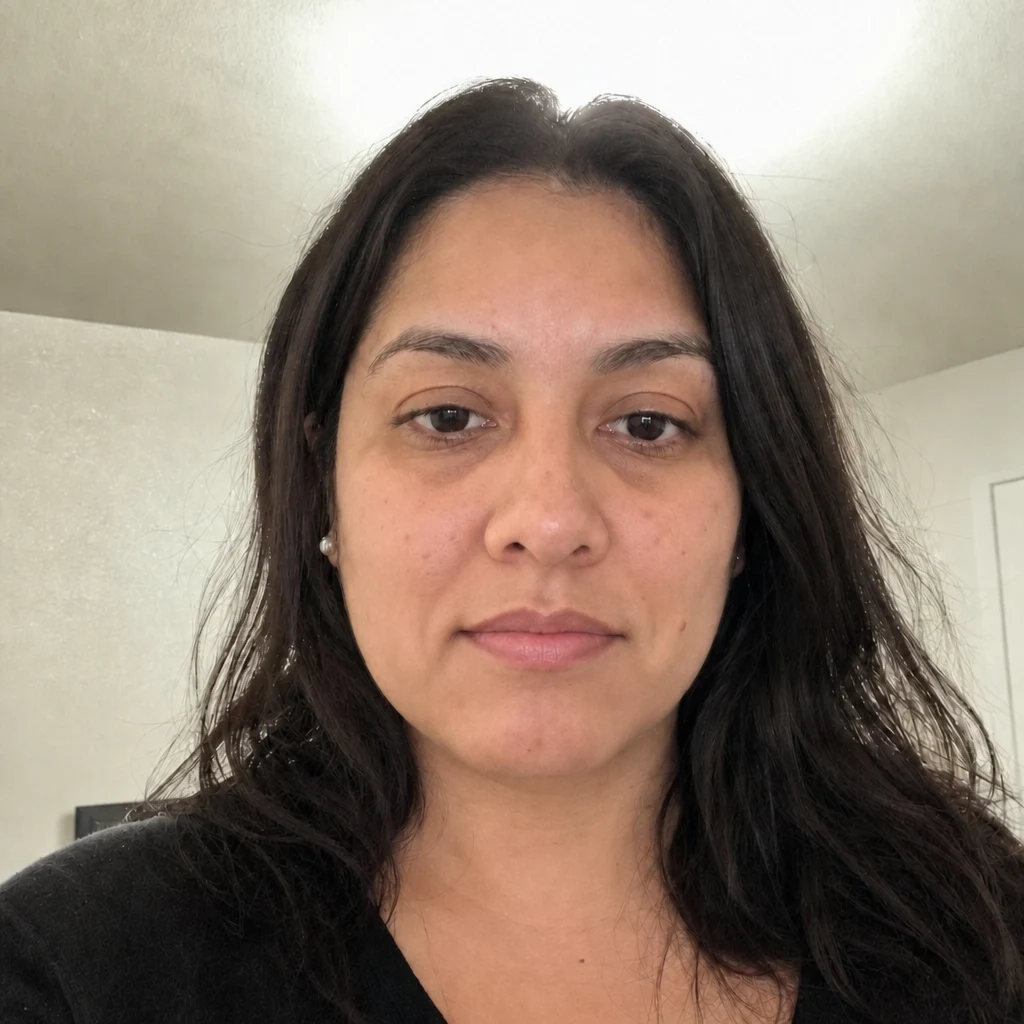
Before — generatedAfter — simulatedSee a dimple creation on your own face
Run this simulationHow long does a dimpleplasty last?
Dimpleplasty is often described as permanent, and many dimples do last. But it is not guaranteed: the dimple can become shallower over months as the tissue relaxes, and some disappear entirely. Surgeons who do the procedure often discuss that possibility openly, and it is the main difference from a natural dimple.
The opposite also happens: a dimple that stays visible at rest longer than expected. Both are reasons revision is part of the conversation from the start.
Dimple surgery risks: when it goes wrong
When people describe dimple surgery gone wrong, they mostly mean an outcome they did not want rather than a serious complication. These are the risks commonly discussed.
- Fading — the dimple becomes shallow or disappears.
- A persistent resting dimple — an indentation that does not settle and looks placed rather than natural.
- Asymmetry or poor placement — a dimple too high, too low, or at a different point on each side.
- Infection or swelling — the incision is inside the mouth, which is not a sterile environment.
- Suture problems — irritation, a palpable knot or a stitch working its way out.
- Rare structural injury — the cheek contains the salivary duct and branches of the facial nerve, which is why careful placement matters.
Dimple creation without surgery: what actually exists
How to get a dimple without surgery is a common search, and the honest answer is that nothing non-surgical creates a real dimple.
- Makeup — a small shadow in the right spot can suggest a dimple in photos, and nothing more.
- Exercises and "dimple makers" — there is no good evidence that pressing or sucking in the cheeks creates a lasting dimple.
- Cheek piercings — sometimes marketed as a dimple alternative, but they carry their own infection and scarring risks in a structure-rich area and are not a method surgeons use.
Natural dimples are also often single or uneven — a lopsided dimple is common, not a flaw. The guide to an asymmetrical face covers why small differences between the two sides are normal, and the face symmetry test measures how your two sides compare at rest.
Dimple creation simulator: see dimples on your own face
The dimple creation simulation adds natural-looking cheek dimples on your photo, placed at the apex of each cheek, symmetric, and leaving your other features alone. It is a quick way to see whether dimples suit your face before booking a consultation for a permanent stitch.
Read it with one limitation firmly in mind: it renders a pair of dimples in a still image, which is exactly where a well-settled dimple would be faintest. It cannot show how the dimple moves with a smile, the resting indentation of the first weeks, or a single dimple. Nothing on this site measures dimples either — they only exist in movement, and every measurement here is taken at rest.
Questions to ask your surgeon before dimpleplasty
- How often do your patients' dimples fade completely, and what do you offer if mine does?
- Where exactly will the dimple sit, and how are you choosing that point on my face?
- Do you use a dissolvable or permanent suture, and why?
- What does reversal involve if I change my mind, and would it leave any trace?
How the dimple creation simulation works
Your photo is analysed for the landmarks that matter to this procedure, and the render changes cheek dimples while leaving the rest of your face alone. That constraint is the hard part — a generic image model will happily redraw your whole face and hand you a stranger who looks better.
The render shows a dimple in a still photograph, which is precisely where a real dimple would not be — a created dimple is visible when you smile and, at first, sometimes at rest in a way that settles.
It is an illustration of a plausible direction, not a prediction of your result and not a medical opinion. What it is genuinely good for is finding out whether you want the change at all — plenty of people render one, find the difference smaller than they imagined, and stop there.
Measure your face before a dimple creation simulation
The free analysis tools measure symmetry, facial proportion and face shape, and tell you which measurements sit outside the reference range. Choosing a procedure from that is a much better starting point than choosing one from a photo you saved.
Dimple Creation simulator — frequently asked questions
Do dimples appear naturally in adults?
Natural cheek dimples are present from childhood and come from how the facial muscles are built. They can look more or less visible as the face changes, but they do not develop from nothing later, which is the reason the procedure exists.
Can I have one dimple instead of two?
Yes. A single dimple is a common natural pattern, and some people ask for one precisely because asymmetry reads as natural rather than placed.
Is dimpleplasty painful?
It is done under local anesthesia, so the procedure is mostly felt as pressure. Afterwards the cheek is commonly sore and swollen for a few days, which usually settles with ordinary pain relief and the surgeon's instructions.
Does dimple surgery leave a scar?
Not on the face. The incision is inside the mouth, on the cheek lining, and heals there. The dimple itself is the only visible change.
Can a dimpleplasty be reversed?
Reversal is possible by releasing the stitch or scar tether, but it is not guaranteed to leave no trace. Some created dimples also fade on their own, which is a different route to the same place.
Is the dimple creation simulator free?
The face analysis is free and needs no account. A rendered simulation costs credits because it runs on a GPU — $4.99 buys five and does not require a subscription.
How accurate is an AI dimple creation simulation?
It is an illustration of a plausible outcome, not a prediction of your result. Real outcomes depend on your anatomy, the plastic surgeon and how you respond. Treat it as a conversation starter for a consultation, not a promise.
Do you keep my photo?
The free measurements never leave your browser. A simulation does send the photo to a rendering service, which is why it asks for explicit consent first, and you can delete the result from your dashboard at any time.
Can I show this to a plastic surgeon?
Yes, and that is the most useful thing to do with it. Bringing a picture of the direction you want is far more precise than describing it in words.
Other lips & mouth simulations
This page is not medical advice and we are not clinicians. A simulation cannot tell you whether a procedure is appropriate for you, what it costs, or what the risks are. Those questions belong with a qualified plastic surgeon.