Oval Face Shape
An oval face is longer than it is wide, with a jaw that curves rather than corners. This test calls a face oval when none of the six narrower rules apply: length under 1.23× the cheekbone width, with no width extreme at the forehead or jaw.
- < 1.23×
- length ÷ cheekbones
- 7
- face shapes
- 4
- measurements
- Free
- photo not uploaded
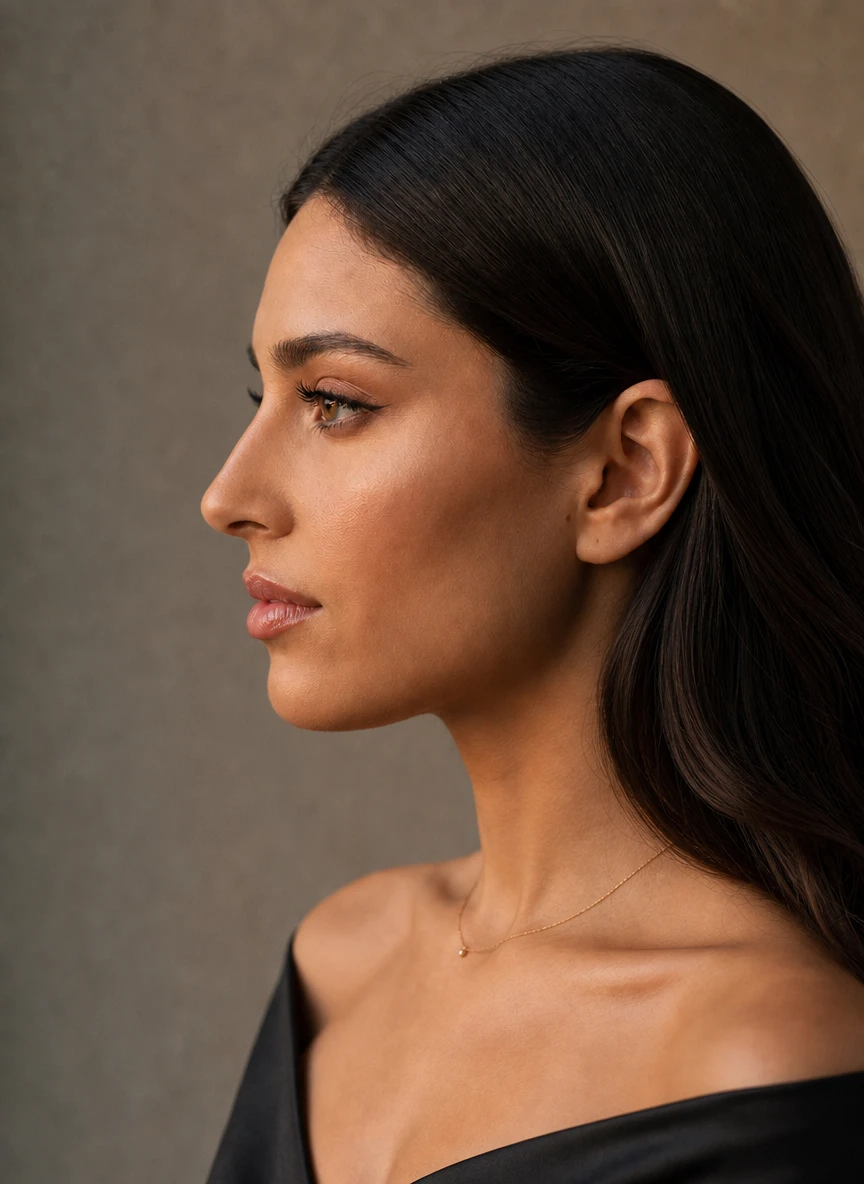
Drop a photo into the panel and it will say whether your four measurements read as oval.
 Example
Choose your own photo
Discover your face shape and proportions.
Choose your own photoClick to choose a photo, or drop one here
Front-facing · Even lightingStraight-on, even lighting, at arm's length gives the most comparable reading.
Runs in your browser. Your photo is not uploaded.
How an oval face is measured
Oval is the shape that remains when none of the six narrower conditions holds: the face is not long enough to be oblong (length under 1.23 times cheekbone width), the jaw tapers enough not to read round, square or triangle, and the forehead and jaw are too balanced for heart or diamond. That makes it a balanced proportion rather than a single threshold, and the most common result. Charts that quote 1.5 or 1.6 measure length from the hairline, which a photo landmark cannot see; this test measures from the top of the forehead, so its numbers run lower and its cut points are calibrated to its own measurements.
- Face length noticeably greater than width
- Forehead slightly wider than the jaw
- Jawline rounded, without a defined corner
- No single dominant widest point
Oval is the most frequently assigned of the seven, and for two reasons that should be separated. It is genuinely common, and it is also where borderline measurements land: a face that is not clearly round, not clearly long and has no hard jaw angle ends up oval by elimination. If your result is oval and none of the other descriptions fit, that is what the label is doing.
That is why a tape measure and the tool at the top of this page give different numbers for the same face. Both are right; they start the length in different places.
| Method | Face length measured from | Oval reads as | Round reads as | Oblong reads as |
|---|---|---|---|---|
| Tape measure in a mirror (styling-chart convention) | Hairline to chin | About 1.5 times cheekbone width | Under about 1.2 | Over about 1.6 |
| The detector on this site | Top of the forehead surface to chin — the landmark model cannot see a hairline | Under 1.23, with no other rule met | 1.16 or less, with a jaw at least 79.1% of cheekbone width | 1.23 or more |
The detector's cut points were set by measuring 102 adult faces from an open research face set (the Face Research Lab London Set) with the same landmark model; across them the length ratio ran from about 1.12 to 1.23 for the middle 80 per cent of faces. The faces are not labelled by shape, so the thresholds spread results sensibly across all seven shapes rather than representing a validated accuracy rate — and a face close to a cut point can read as either neighbouring shape from one photo to the next.
Also called: Egg-shaped face.
How to tell if you have an oval face
Two measurements decide oval, and the second one is the one people skip.
- Face the mirror straight on with your hair pulled back.
- Measure the length of your face, from your hairline straight down to the bottom of your chin.
- Measure across your cheekbones at their widest point.
- Divide the length by the width. Oval sits above about 1.5; below 1.2 you are looking at round or square.
- Now check the jaw: run the tape from below one ear to below the other. If it is clearly narrower than the cheekbone figure, the taper is there and the shape is oval rather than oblong.
A tape measure held against your own face is accurate to maybe half a centimetre, which is enough for the clear cases and not enough for the borderline ones. The tool above takes the same three widths from 478 landmarks instead.
Oval vs Round face shape
Both have a soft jaw with no sharp corner, so the jaw is no help. The separator is length against width. This test calls a face round when it is no more than 1.16 times as long as its cheekbone width and the jaw stays wide, at 79.1 per cent of that width or more; longer than that, with no other condition met, it is oval. Charts quoting 1.2 and 1.5 measure from the hairline, which a photo cannot see, so their numbers run higher. Near the cut point the two labels genuinely blur.
The round face shape in full →Oval vs Oblong face shape
Oval and oblong are both longer than they are wide, and the difference is where the width sits. An oblong face keeps roughly the same width from forehead to jaw — a rectangle. An oval face narrows at the jaw. This test, though, checks length first: at 1.32 times cheekbone width or longer, measured from the top of the forehead, it calls the face oblong whatever the jaw does. If your result sits near that line, the taper you can see in a mirror is the better guide.
The oblong face shape in full →Oval vs heart, diamond, square and triangle: the rule that separates each
On this detector oval is decided by elimination. The rules below are checked in order, and a face is called oval only when none of them is met. Order matters: a broad rule checked first would swallow a narrower one.
| Checked | Shape | Rule | What it means for an oval result |
|---|---|---|---|
| 1 | Oblong | Face length 1.23 or more times cheekbone width | An oval face is shorter than this |
| 2 | Triangle | Jaw at least 79.4% of cheekbone width, and forehead no more than 1.13 times the jaw | An oval jaw tapers more than this |
| 3 | Round | Length 1.16 or less, with a jaw at least 79.1% of cheekbone width | An oval face is longer or tapers more |
| 4 | Square | Jaw at least 79.6% of cheekbone width, and forehead no more than 1.16 times the jaw | An oval jaw is narrower |
| 5 | Heart | Forehead at least 1.24 times the jaw | An oval forehead and jaw are closer in width |
| 6 | Diamond | Forehead no more than 93.4% and jaw no more than 79.6% of cheekbone width | An oval forehead is not that much narrower |
| 7 | Oval | None of the above | The balanced remainder — and the most common result |
Long oval face
"Long oval" is not a separate label on the detector; it describes an oval result whose length ratio is close to the oblong cut point of 1.23. On those faces the advice for oblong faces starts to apply: a fringe and width at the sides, rather than height at the crown.
Hairstyles for an oval face
An oval face carries the fewest constraints of any shape, and the honest version of this section says so rather than inventing rules. The one variable worth watching is total length, because styles that add height extend a face that is already long. If your length sits at the long end of the oval band, lean toward a fringe and width at the sides; at the short end, a little height at the crown does no harm.
Haircuts for an oval face — women
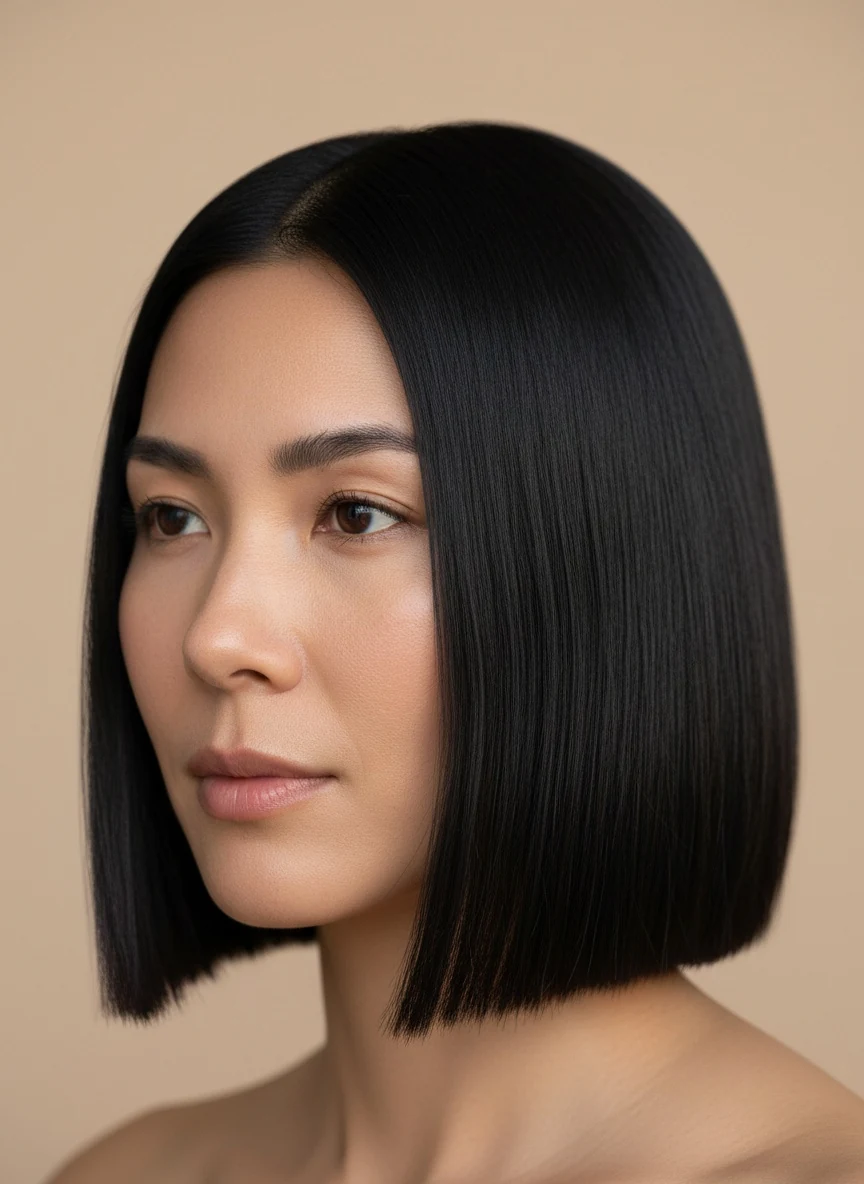
Blunt cut at the collarbone
The horizontal line a blunt cut draws is a problem on a round face and an asset here — it adds width to a shape that is longer than it is wide.
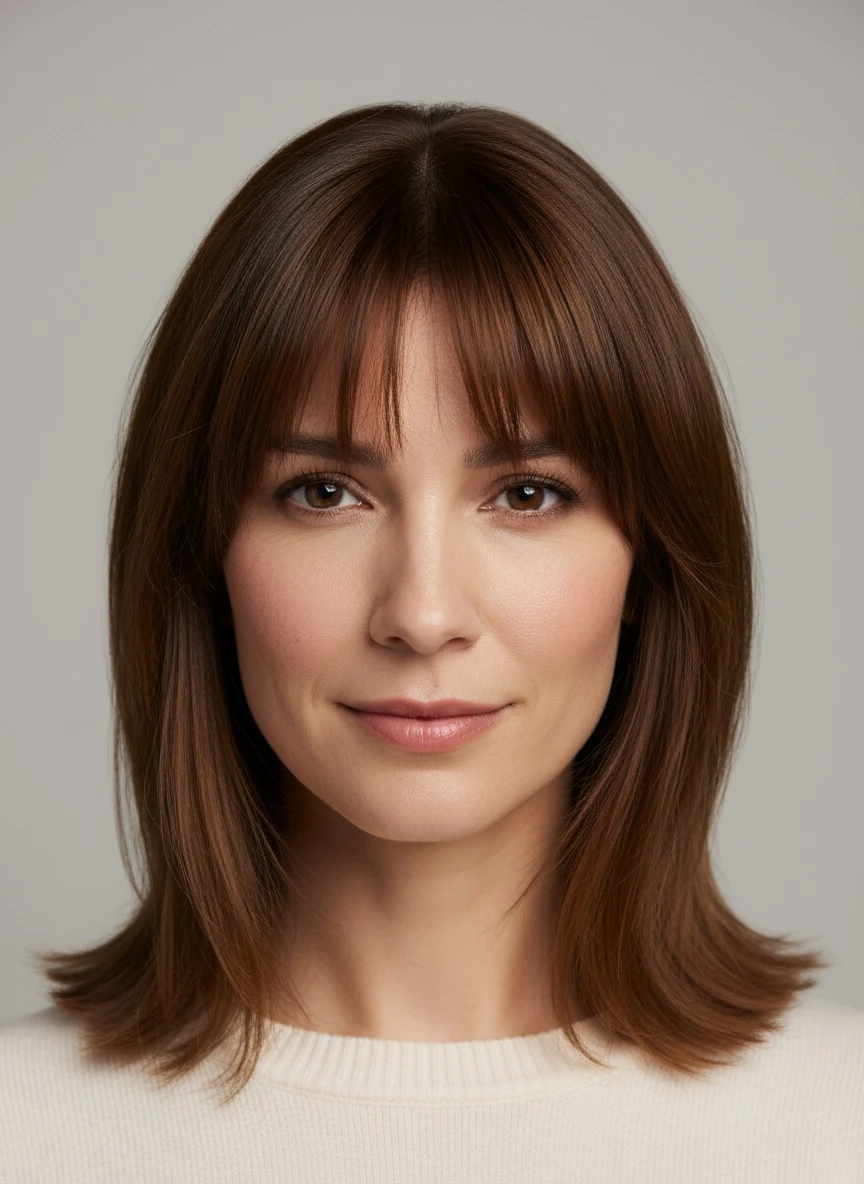
Curtain bangs
They shorten the visible forehead without committing to a full fringe, which is the usual way to bring a long face's proportions closer together.
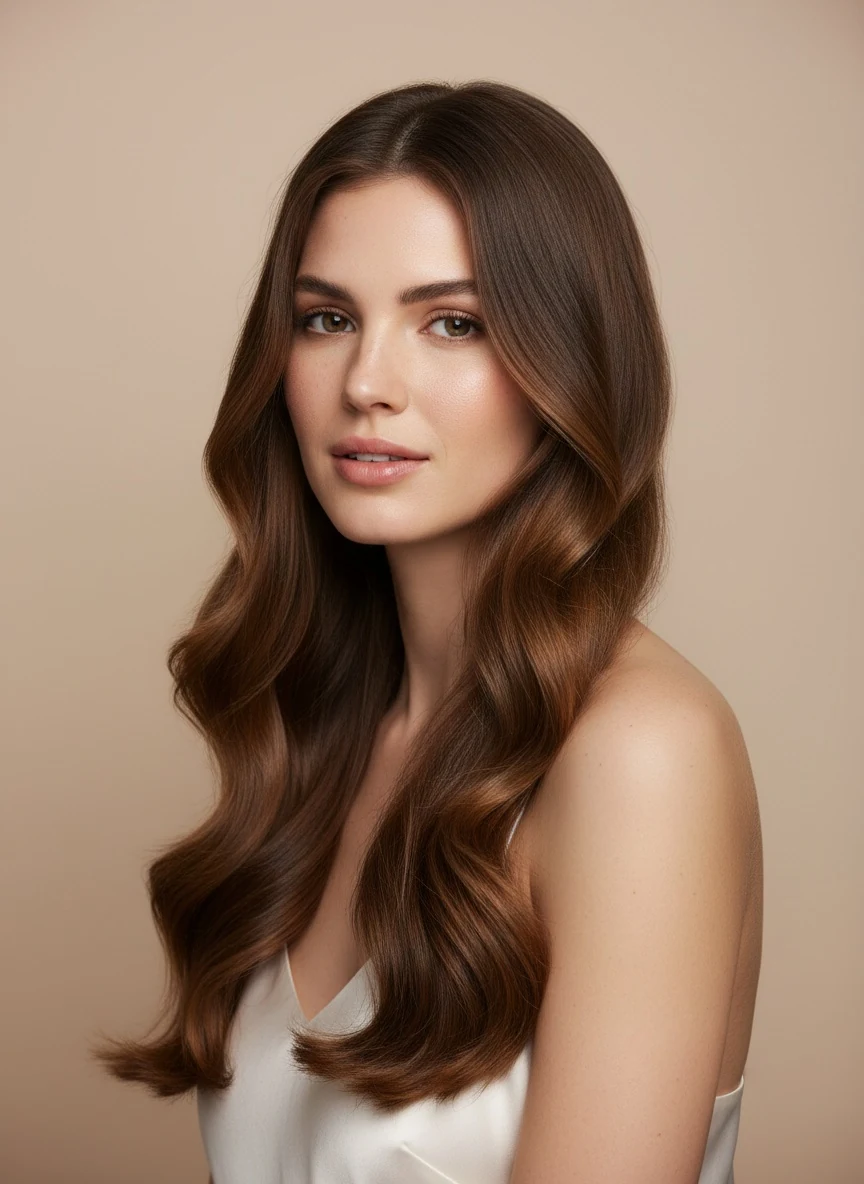
Shoulder-length waves
Width at the sides is the thing an oval face can absorb most freely, and waves place it there without any cutting.
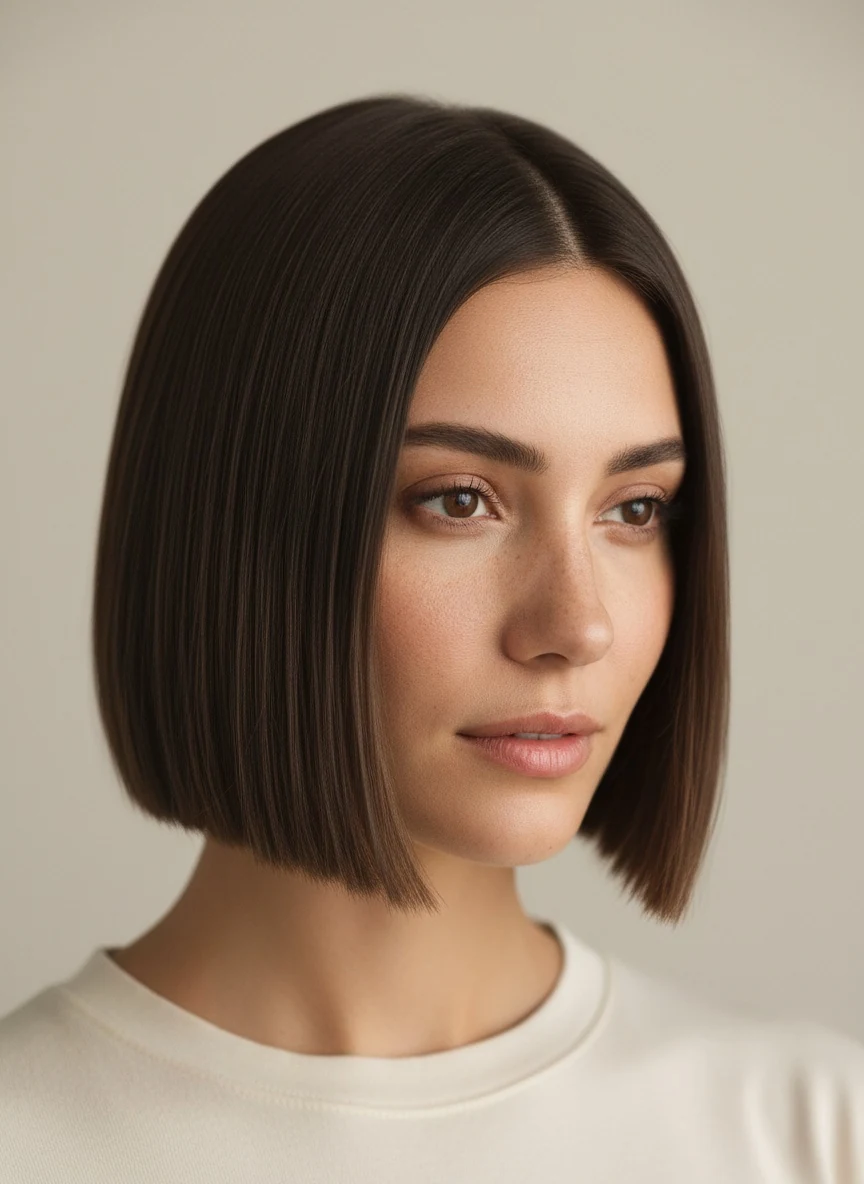
Classic bob at the jaw
One of the few shapes where a jaw-length blunt bob is a straightforwardly good idea: it puts weight at the narrowest part of the face.
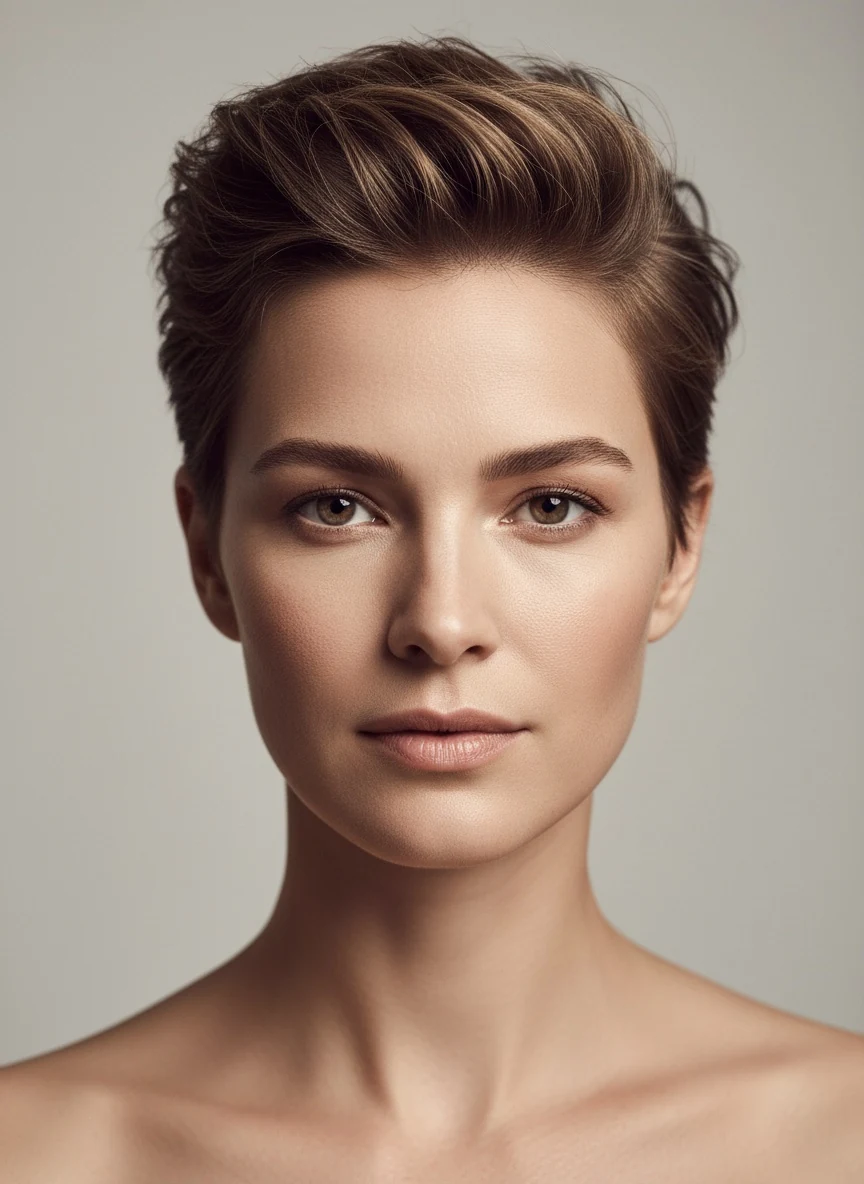
Pixie with side-swept length
Works because the proportions underneath do not need correcting. The side sweep keeps it from adding height at the crown.
Haircuts for an oval face — men
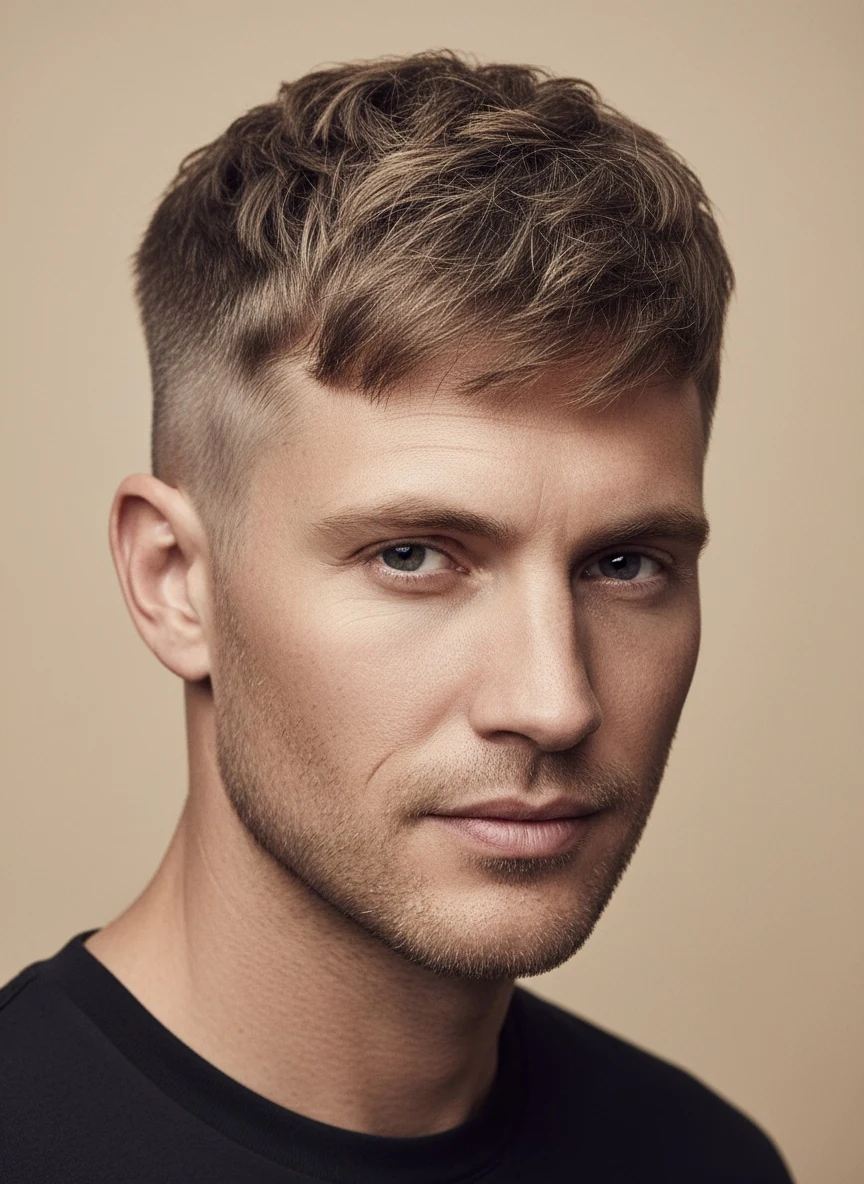
Textured crop with a light fringe
The fringe takes a little length off the forehead, which is the only adjustment this shape usually wants.
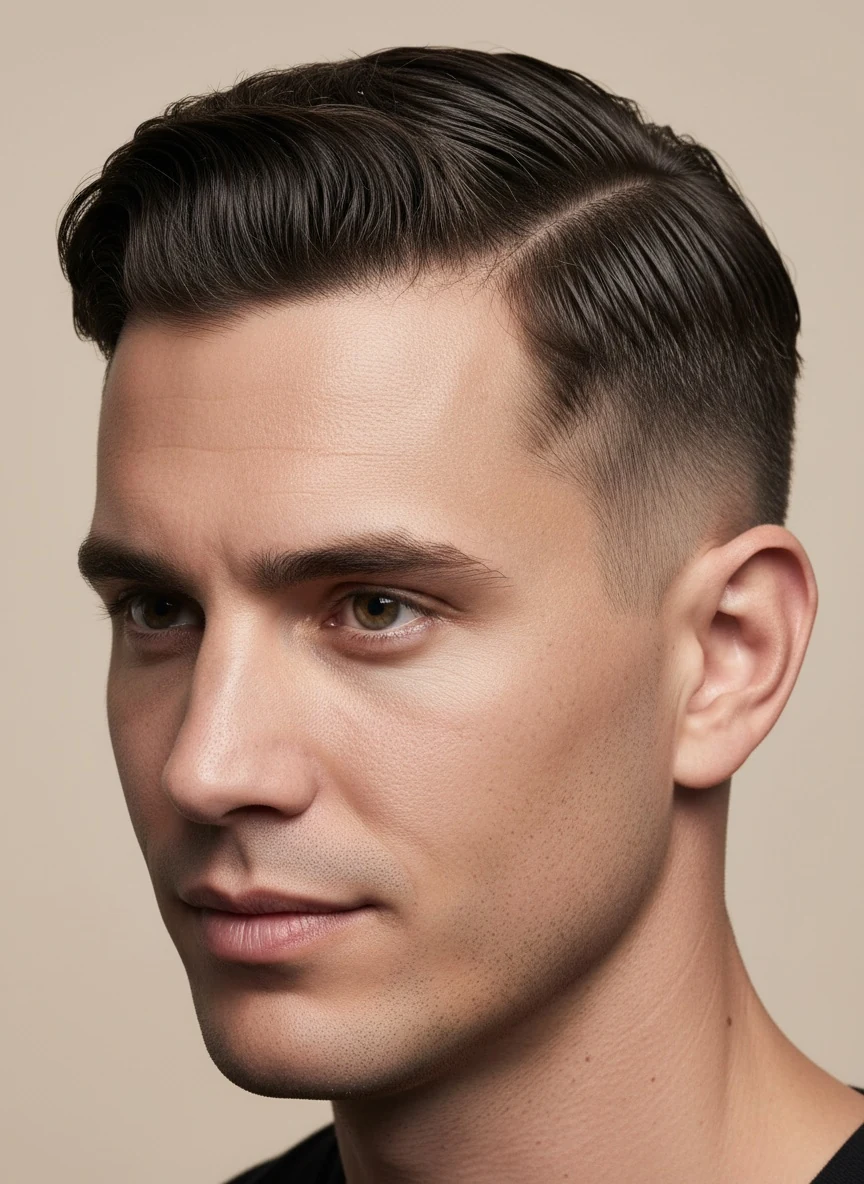
Medium-length side part
Adds width at the sides where an oval face has room for it, and needs no structural correction anywhere else.
Buzz cut or short back and sides
One of the few shapes that a very short cut does not work against, because there is no imbalance for hair to hide.
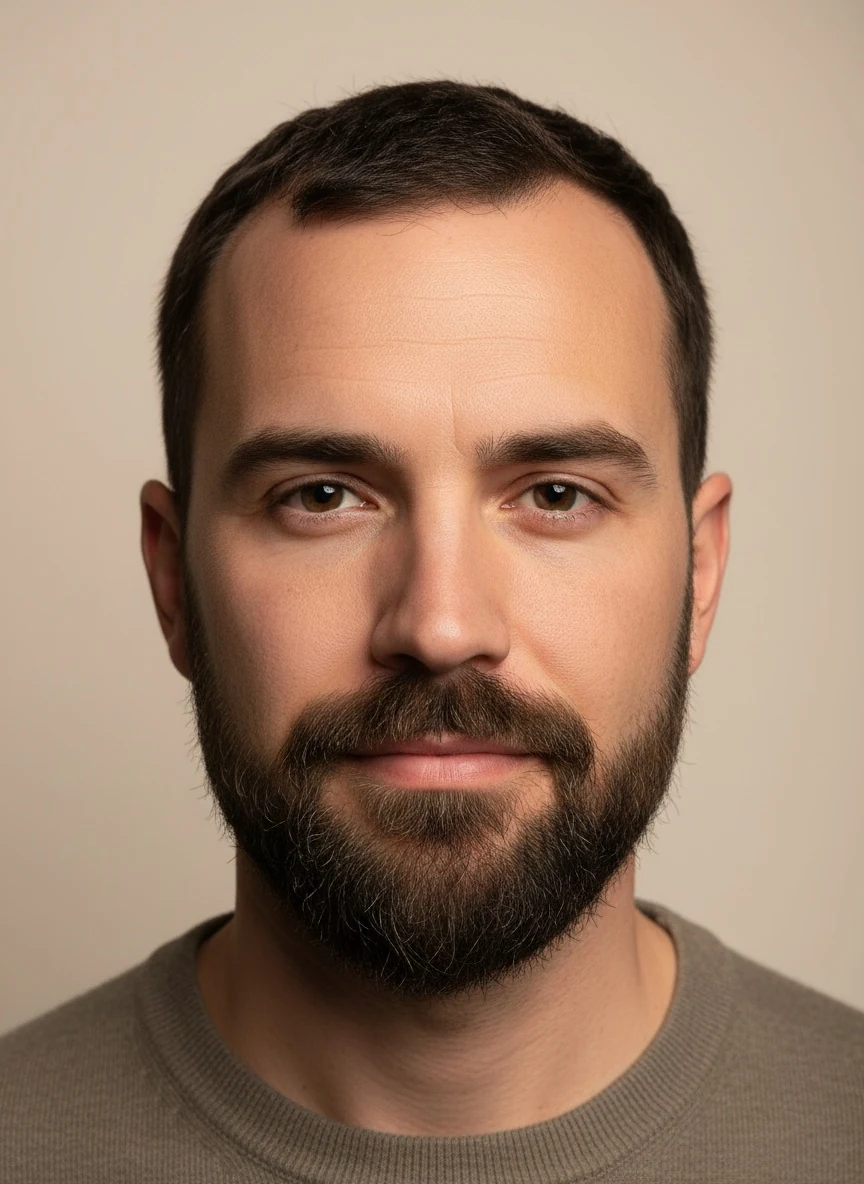
Short beard, evenly trimmed
An even trim keeps the existing taper intact. Extra length at the chin is the one thing to skip — it lengthens a face that is already long.
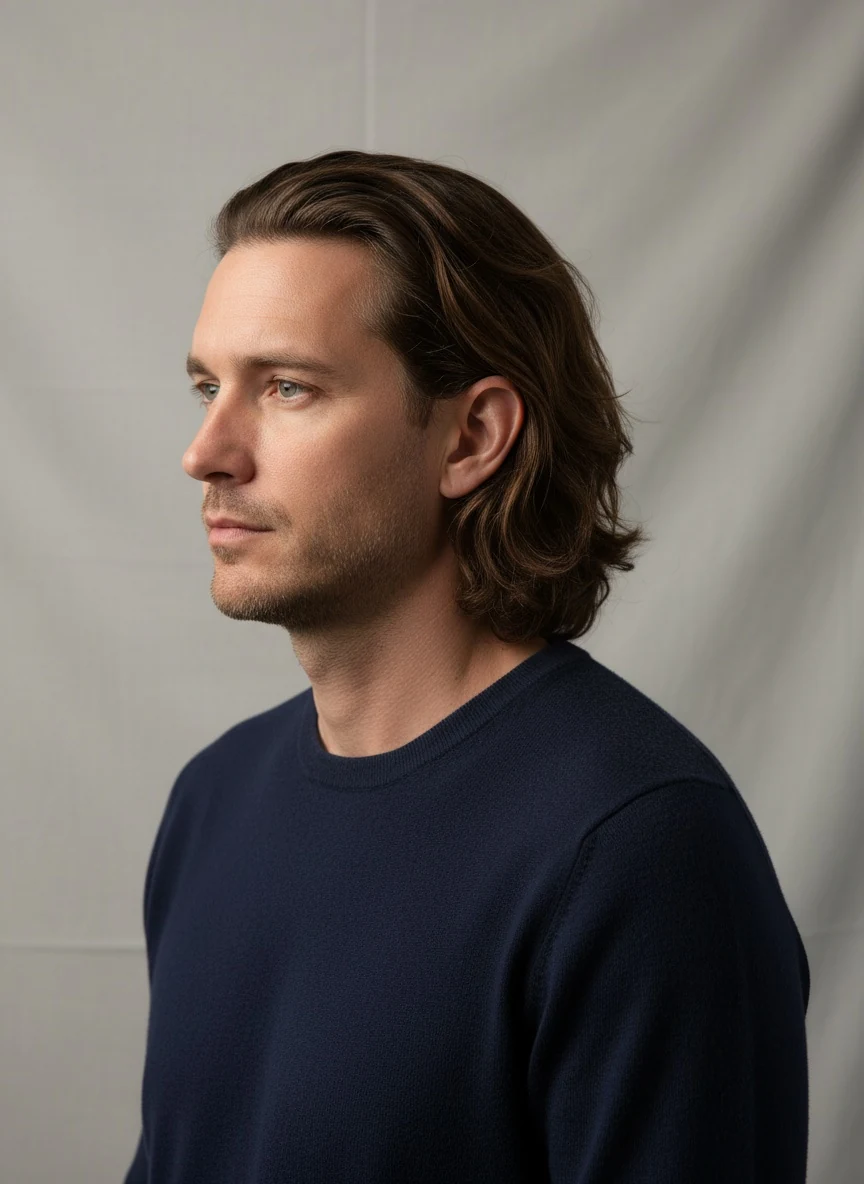
Medium-length swept-back flow
Hair pushed back and tucked behind the ears adds width at the sides without adding height, which keeps the balance an oval face already has.
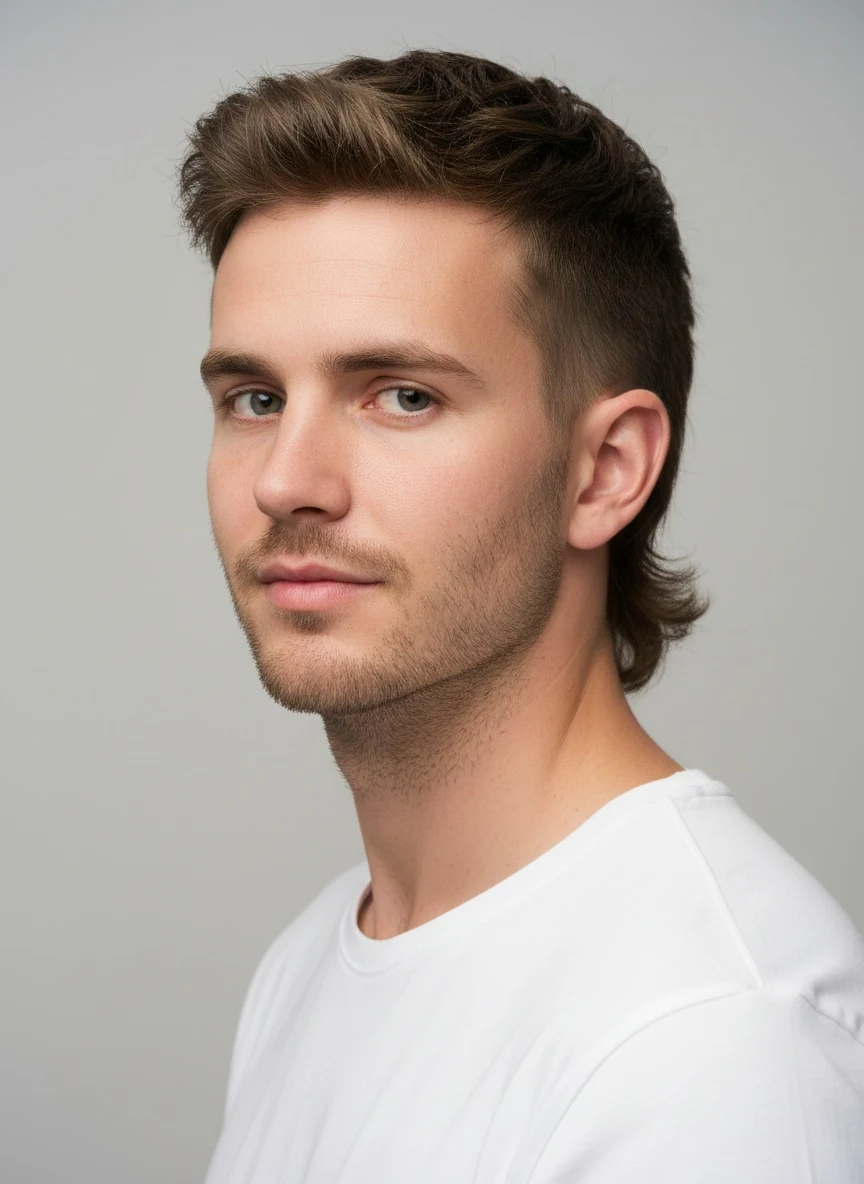
Modern mullet with a low taper
Length at the back of the neck does not add to the visible length of the face from the front, and a low taper keeps some width at the sides. It is one of the few statement cuts that leaves an oval outline unchanged.
Short, medium or long hair for an oval face
- Short
Women: A pixie or short crop works, because there is no imbalance to hide. Keep some softness at the sides rather than height at the crown.
Men: Crops, short back and sides and buzz cuts all suit. A very high skin fade with a tall top is the one short combination that lengthens the face.
- Medium
Women: Collarbone and jaw-length cuts are the most forgiving band: they add width at the sides where an oval face can take it.
Men: Side parts, textured tops and swept-back flows all hold the balance. Keep the top from rising much higher than the sides are wide.
- Long
Women: Long hair suits an oval face with layers or waves; long, flat, one-length hair with a centre part is the version that draws the face longer.
Men: Chin- to shoulder-length hair works when it has movement or is tucked back; flat, straight lengths with a centre part stretch the outline.
Bangs for an oval face
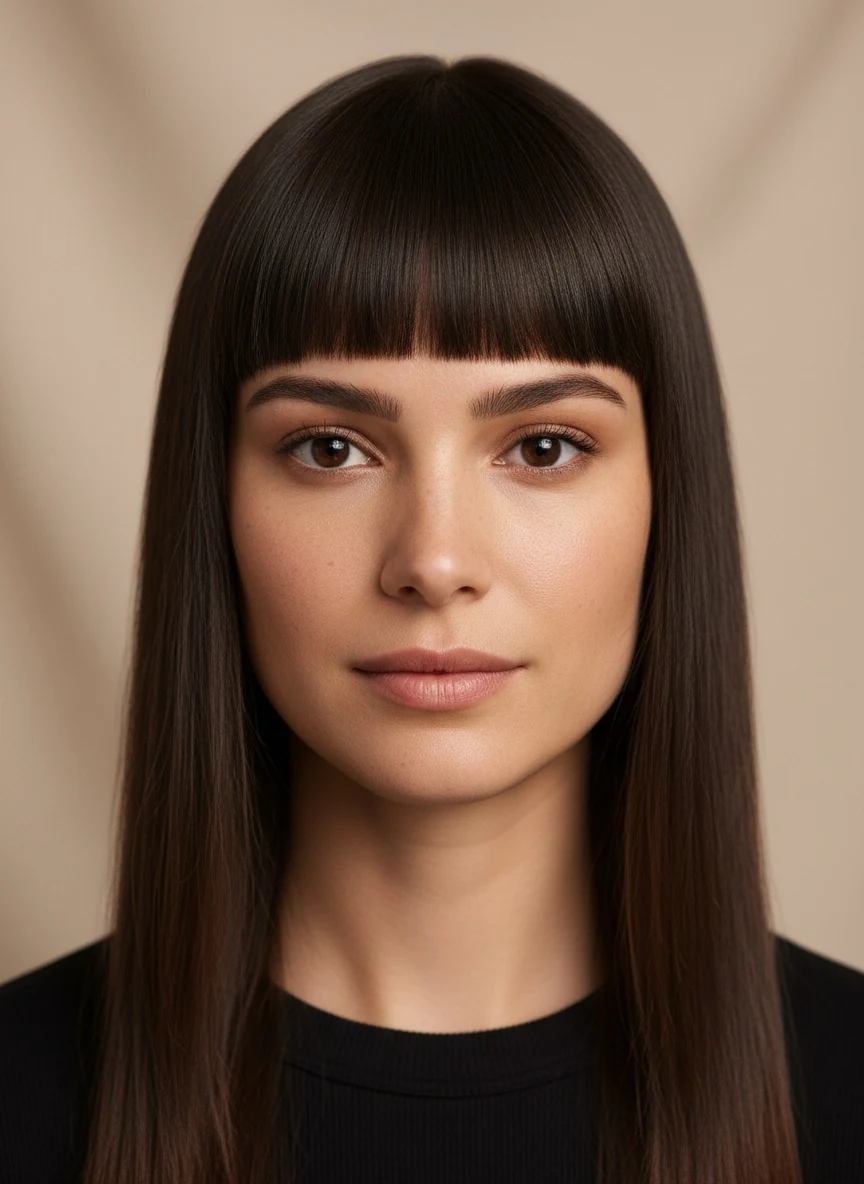
Blunt fringe
Useful if your forehead is tall or your face sits at the long end of oval: it hides a band of forehead and shortens the visible face. On a short oval it can make the face read round.
Curtain bangs
They cover a little forehead at the centre and frame the cheekbones at the sides, a light adjustment rather than a correction.
Side-swept fringe
A diagonal across the forehead that changes the look without changing the proportions much. The easiest fringe to grow out.
Wispy fringe
Thin, separated pieces soften the hairline while leaving most of the forehead visible, so the face length barely changes.
By hair type
- Straight
- Almost anything works. If the face sits at the long end of oval, a fringe or curtain bangs are the single most useful adjustment.
- Wavy
- Waves add exactly the horizontal volume this shape can take. There is no zone to protect, so let them sit where they fall.
- Curly
- Curl adds width at the sides, which balances length — this is the shape that benefits most from wearing curls at full volume rather than taming them.
- Fine
- Fine hair drags the face longer visually. Blunt ends and a chin- or collarbone-length cut hold more width than long thin lengths do.
- Thick
- Thick hair can be worn long here without the bulk becoming a problem, because the mid-face has room. Watch only for extra height at the crown.
Oval face hairstyles to avoid
Heavy volume at the crown
It extends a face that is already longer than it is wide, which is the only direction an oval shape can overshoot in.
Long, one-length straight hair with no layers
It draws two vertical lines down either side of the face and adds to the length rather than balancing it.
A very short cut with no width at the sides
Removes the horizontal counterweight and leaves the length unopposed.
Styling rules copied from another shape
Most advice written for round or square faces is corrective, and applying a correction to a face with nothing to correct usually creates the imbalance it was designed to fix.
Haircuts men with an oval face should skip
A tall pompadour or high faux hawk
Height on top adds straight to the length of a face that is already longer than it is wide.
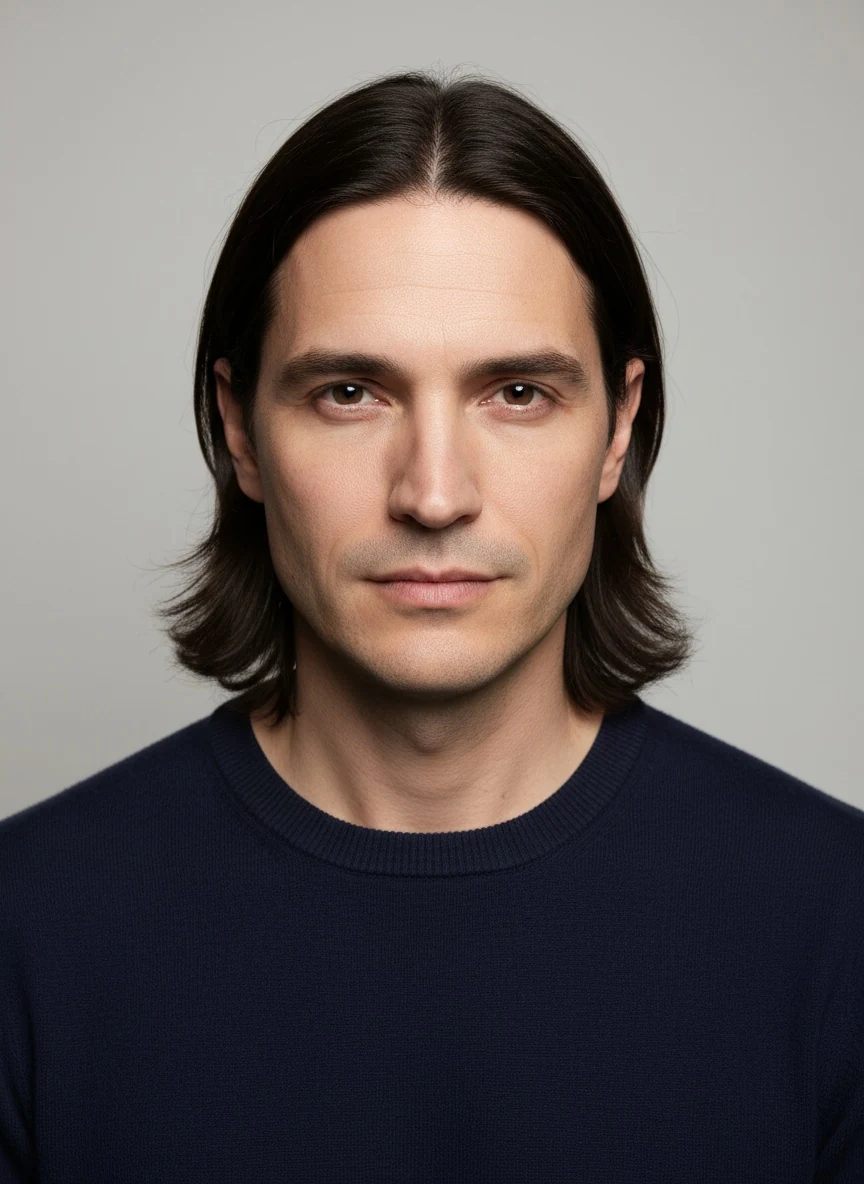
Long, straight hair with a centre part and flat sides
Two vertical curtains either side of the face with nothing adding width draw the outline longer.
A very high skin fade with a long top
Removing the sides and stacking the top narrows and lengthens the silhouette at the same time.
A heavy full fringe on a short oval face
Covering the whole forehead on a face at the short end of the band can tip it into reading round.
Beard styles for an oval face
An oval face carries most beard shapes, so the constraint comes from length rather than from shape.
- Short and medium beards both work without altering the balance
- A long beard adds visible length and pushes an oval face toward oblong
- Keep the cheek line natural rather than shaved high, which narrows the midface
Makeup for an oval face shape
There is not much structural work to do here, which is the honest version of the advice usually given. The proportions are already balanced, so contouring tends to create a problem rather than solve one.
- Light contour under the cheekbone only if you want more definition — it is not correcting anything
- Blush on the apple of the cheek, blended straight back
- Avoid heavy shadow along the jaw, which lengthens an already long face
- Keep brows soft rather than heavily arched; a hard arch shortens the upper third visually
Glasses for an oval face
Balanced proportions mean frame choice comes down to preference rather than correction. The two things that still matter are size and where the frame sits.
Aviator
Works
Squared
Also works
Wider than the face
Fights the shape
Frame styles that suit an oval face
Each style below opens to name real frames that match it, with the measurement that matters. Price band: $ under $100, $$ $100–250, $$$ above $250. Links go to Amazon search results rather than a single product, so they keep working when a colour or size sells out.
Almost any shape
The honest answer. With no imbalance to offset, the decision is aesthetic rather than geometric.
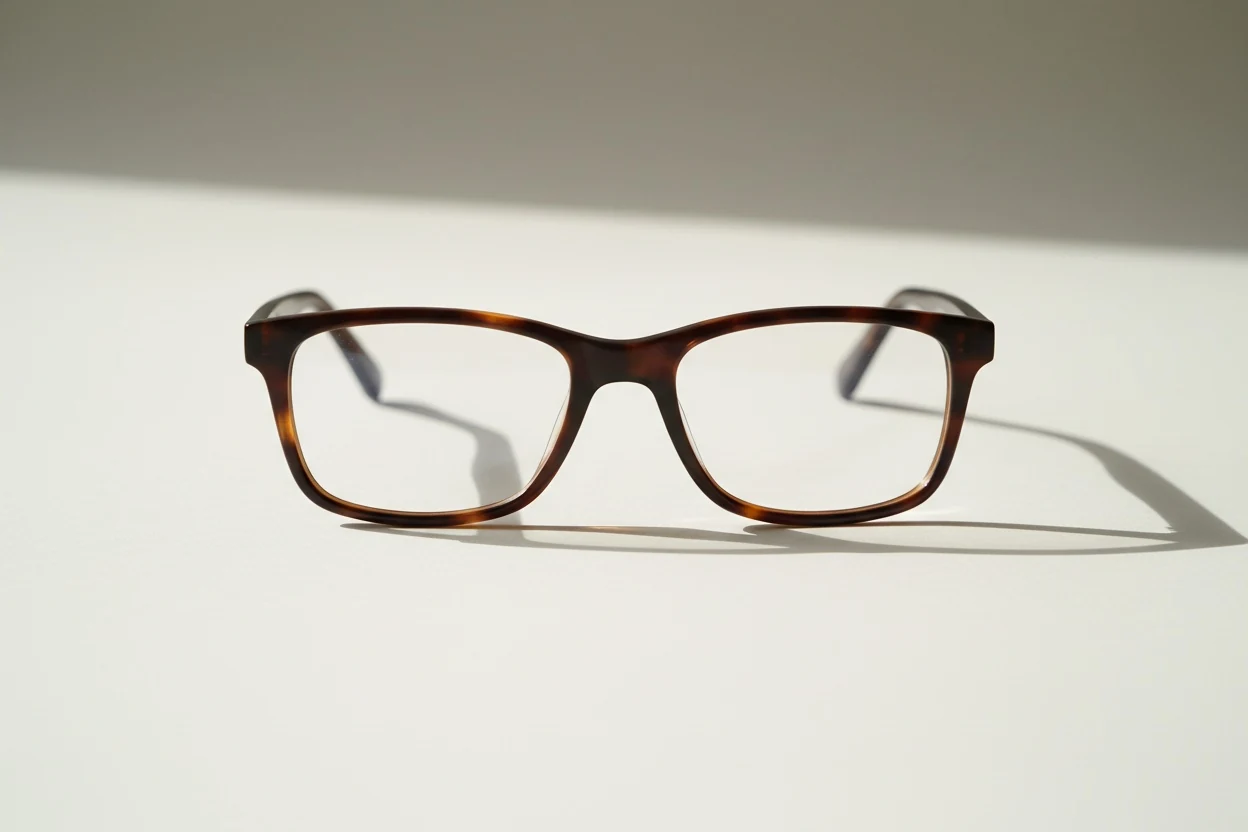
Rectangular and square glasses
Add a little structure against soft curves, which is the closest thing to a corrective option this shape has. Square corners are harder, rectangular ones calmer; both work.
RB5228 Square Optics · Chamberlain · Wilkie
Eyeglasses · 53-17 · $$
Acetate, full rim, square with the corners slightly softened. The lowest-risk version of an angular frame — you get the straight top line without the formality of a hard rectangle.
Eyeglasses · 50-18-140 · $$
A bold square with a strong bridge. One of the few models sold in a wide fit, so a broad face does not run out of frame.
Eyeglasses · $$
Rectangular lenses under a sloped browline. It runs two mechanisms at once, which makes it the second option when a face wants both corners and weight up top.
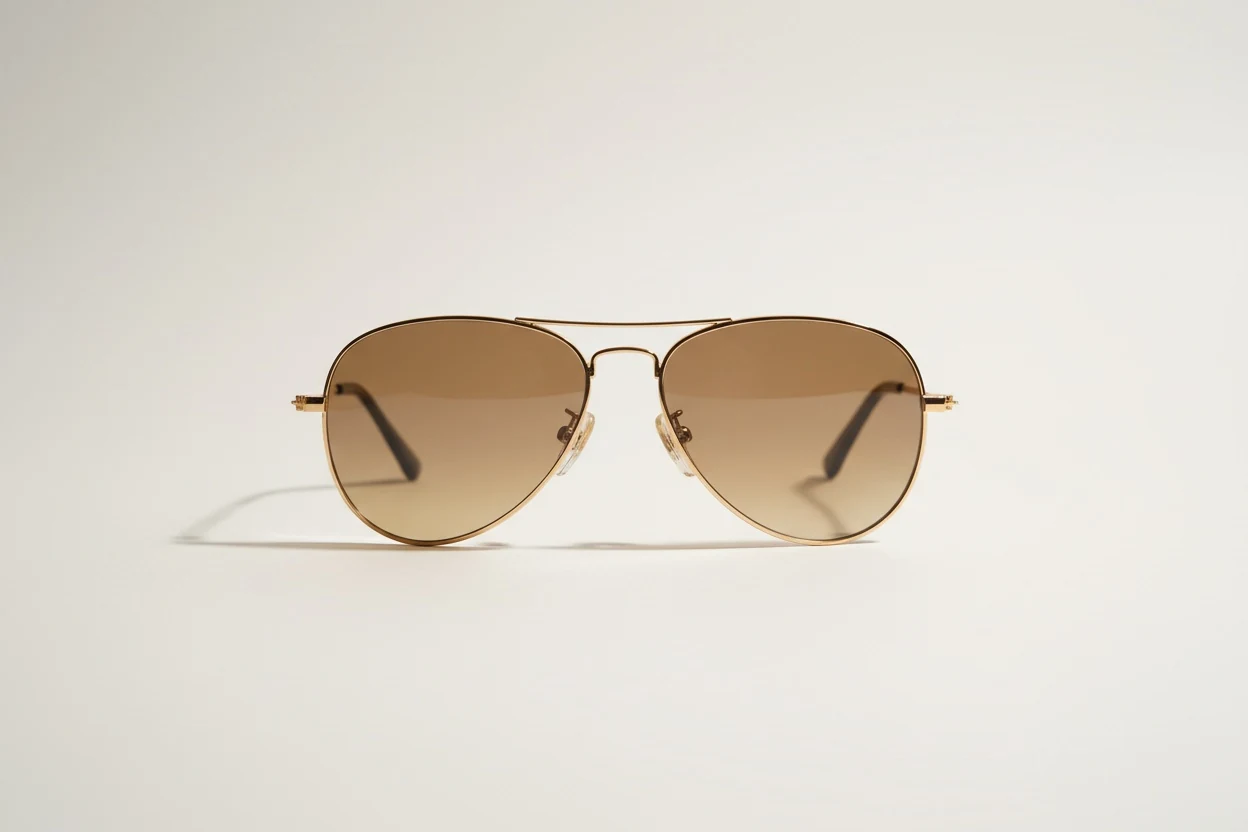
Aviator
The taper follows the natural narrowing from cheekbone to jaw, so the frame and the face point the same direction.
Aviator Classic RB3025 · Aviator · 649 / 714
Ray-Ban Aviator Classic RB3025
Sunglasses · $$
The same pattern since 1937. The teardrop narrows from cheekbone toward jaw — that geometry is the entire reason aviators get recommended.
Sunglasses · $$$
Built to military spec MIL-S-25948, with bayonet temples that run straight over the ear instead of hooking behind it. That, not the lens, is what you notice under a headset or after eight hours.
Sunglasses · $$$
A modified aviator: the same wide lens without the teardrop. The 714 is the identical shape that folds — that is the only difference.
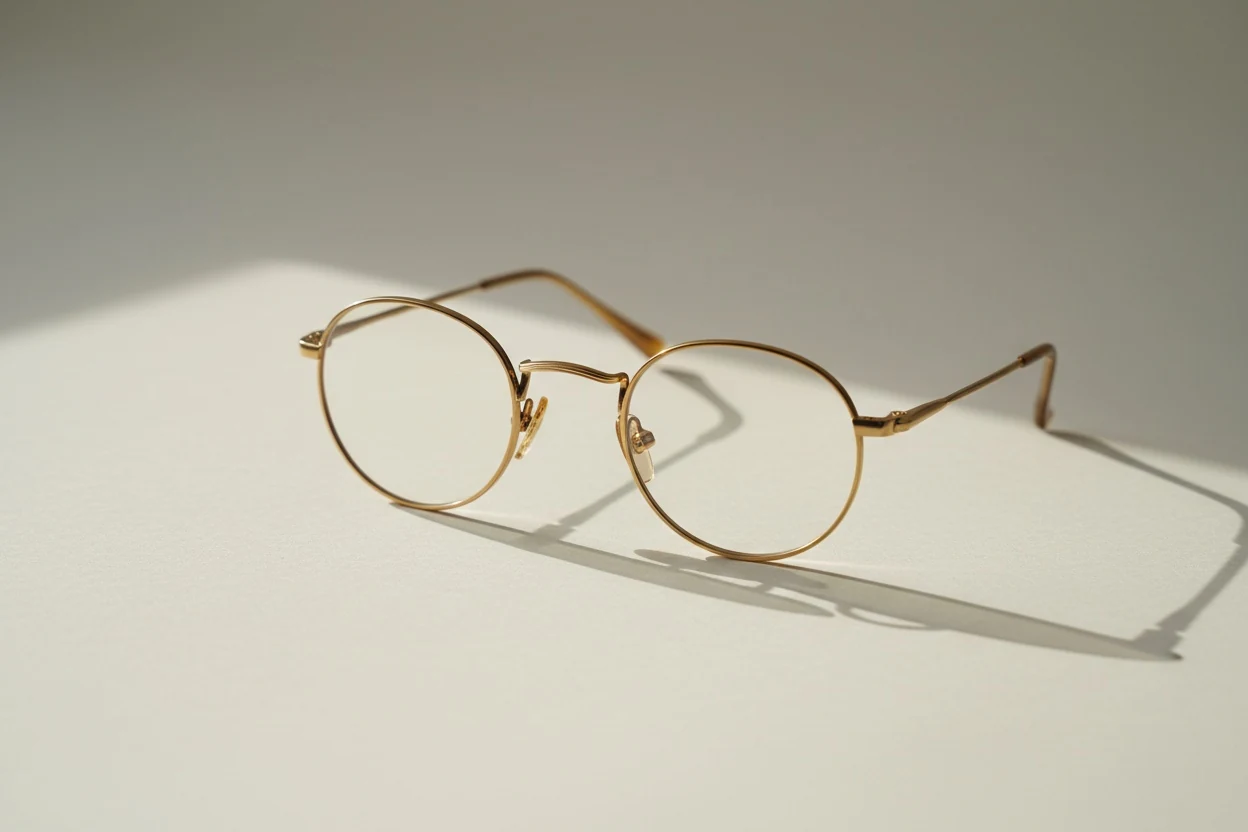
Round
One of the few shapes that carries a round frame without repeating itself, because the outline is not itself a circle.
Round Metal RB3447 · Gregory Peck OV5186 · LEMTOSH · Percey
Eyeglasses & sunglasses · $$
The reference model for a true circle. Because the rim is thin metal the round reads as a line drawn on the face rather than a block sitting on it.
Oliver Peoples Gregory Peck OV5186
Eyeglasses & sunglasses · 47-23-150 · $$$
Acetate round with a keyhole bridge. Same circle as the metal version, considerably more weight — the mechanism is identical, the volume is not.
Eyeglasses & sunglasses · $$$
The thickest end of the round family: diamond rivets, keyhole bridge. The strongest available contrast against an angular face, but on a small face the frame starts running the face.
Eyeglasses · $$
A narrow round with a keyhole bridge. Smaller lenses than the three above, which makes it the right starting point on a small face.
Oversized in width, not in depth
A larger frame works as long as it stays within the widest part of your face and its lenses are not so deep that they shorten it. The failure mode here is scale, not shape.
Women's frames for an oval face
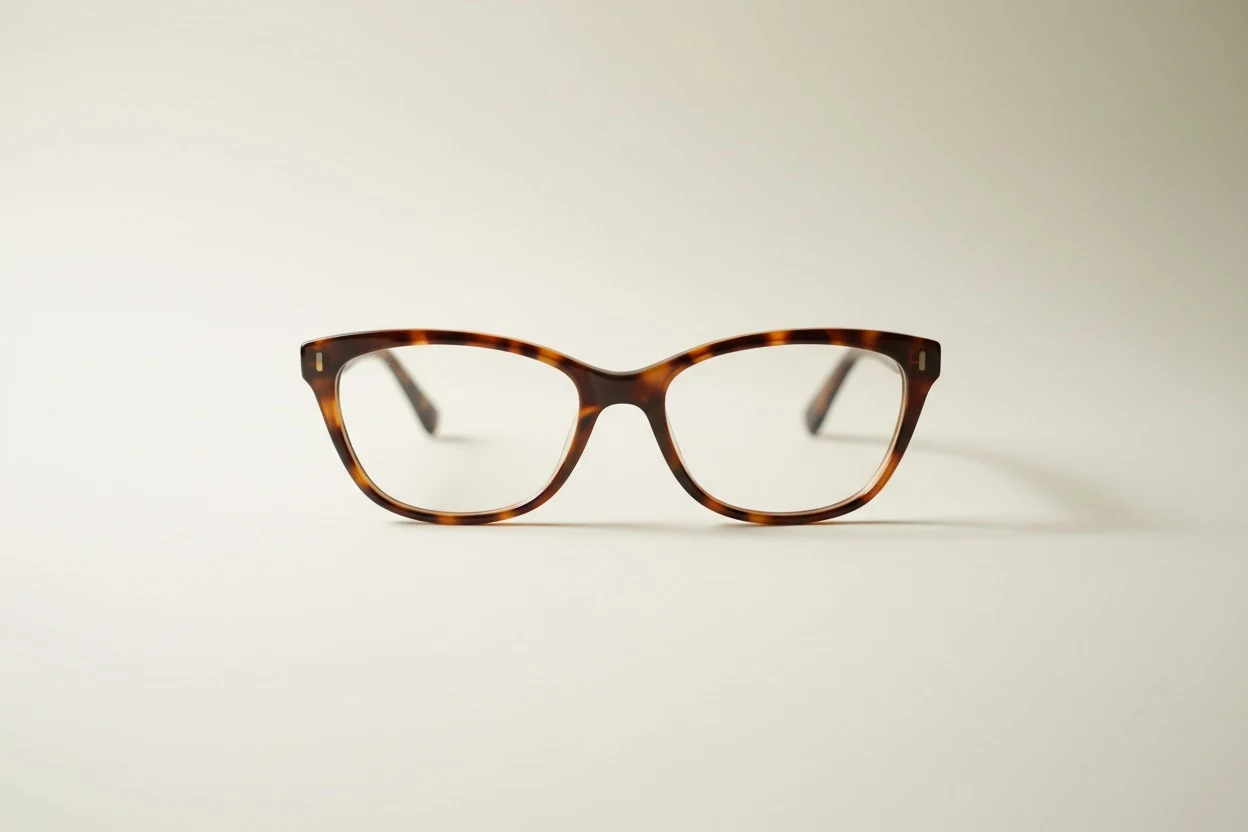
Cat-eye
On an oval face a cat-eye is an expression choice rather than a correction: the lifted outer corner adds a little width at the top, which the shape can carry.
Nina RB4314N · Esme · Louise
Sunglasses · 54 · $$
The measured version of a cat-eye: the outer corner lifts, but not far enough to read as costume in daily wear.
Eyeglasses · 55-16-145 · $$
A squared cat-eye. It combines the lifted outer corner with a straight top line, so it works where a face wants width and structure at once.
Eyeglasses · 52-15-140 / 55-16-140 · $$
The classic soft cat-eye, in two sizes. If your cheekbones are prominent, the smaller size keeps the frame from landing on the bone.
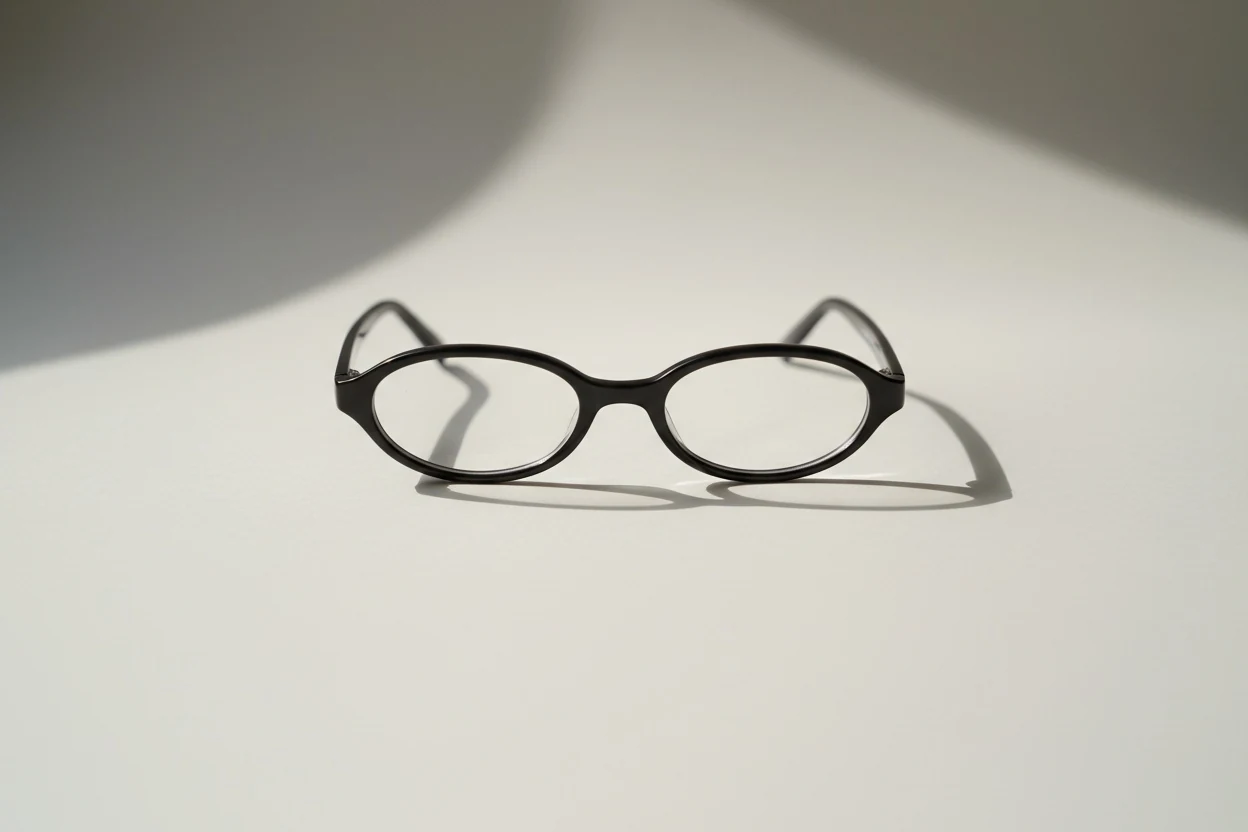
Oval metal frames
A horizontal oval follows the gentle curve of the face without repeating it, and a thin rim keeps it light.
Oval Metal RB3547 · Percey
Sunglasses · 51-21 / 54-21 · $$
Genuinely oval — longer horizontally, unlike most frames marketed as round. It comes in a narrow fit, so it sits on small and narrow faces.
Eyeglasses · $$
A narrow round with a keyhole bridge. Smaller lenses than the three above, which makes it the right starting point on a small face.
Round frames
An oval outline is not itself a circle, so a round frame contrasts with it rather than echoing it. Scale matters more than shape here.
Men's frames for an oval face
Aviator
The teardrop lens narrows from the cheekbones toward the jaw, the same direction an oval face tapers. The models are listed under the aviator style above.
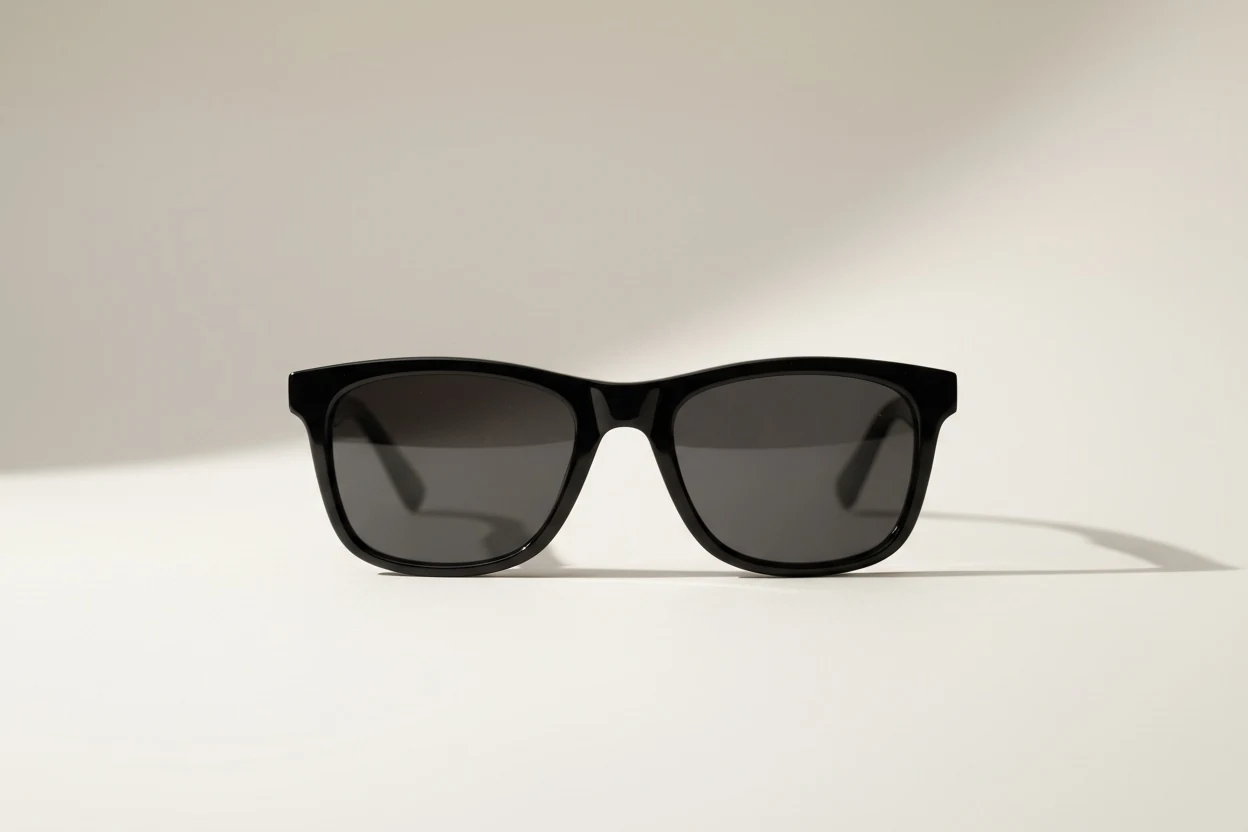
Wayfarer
Angular enough to add structure, moderate in depth, and familiar. It suits an oval face without changing it.
Original Wayfarer RB2140 · New Wayfarer RB2132
Ray-Ban Original Wayfarer RB2140
Eyeglasses & sunglasses · 50 / 54 · $$
It sits with a forward (pantoscopic) tilt and has a deeper lens than the New Wayfarer. This is the one to pick on a long face: it covers more vertical ground.
Eyeglasses & sunglasses · 52 / 55 / 58 · $$
No tilt, sits flat against the face, shallower lens. The model for people on whom the original looks oversized — and the three sizes live here.
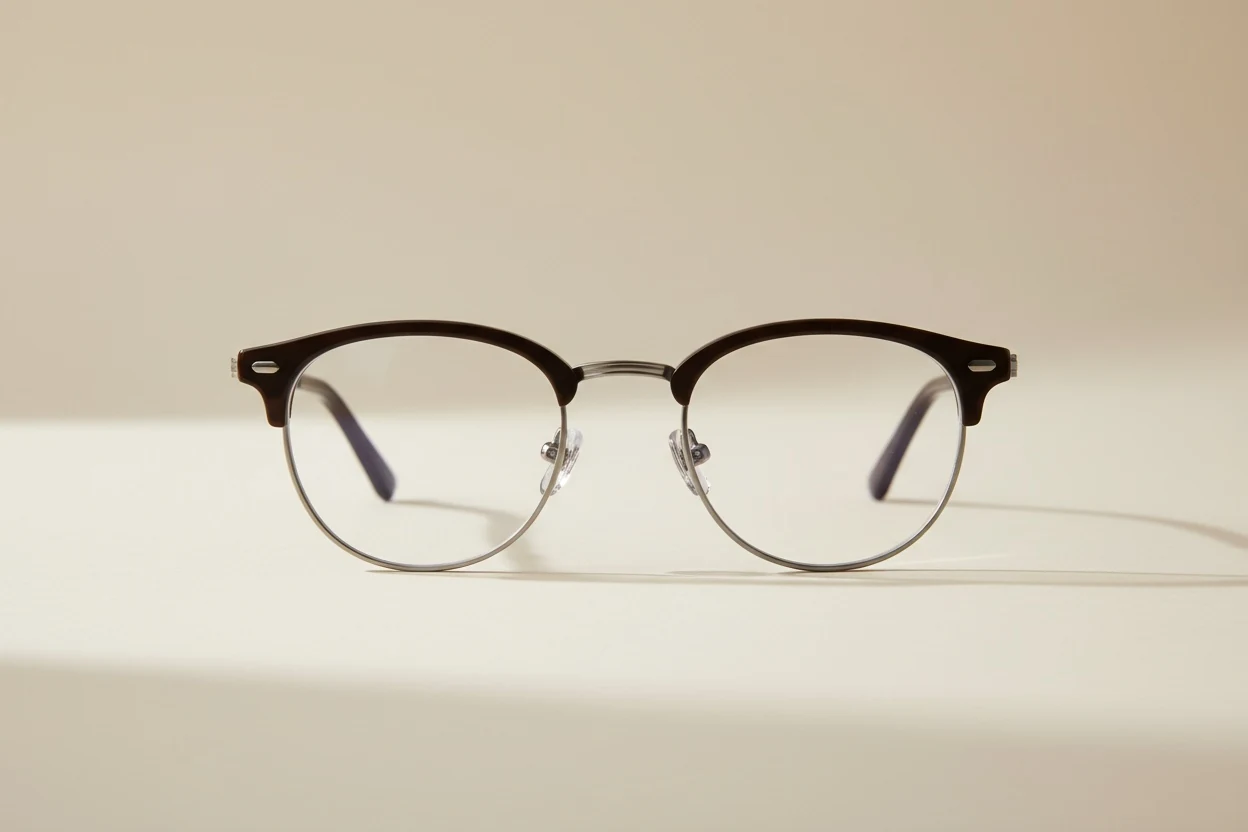
Browline
Weight at the brow and a light lower rim add definition across the top of the face. Keep the beard short if you wear one: a long beard lengthens an oval face toward oblong, and a heavy brow bar adds to that vertical read.
Clubmaster RB3016 · Clubmaster RX5154
Sunglasses · 51-21 · $$
The definition of the category: heavy acetate above, thin metal below. The purest form of moving weight to the brow.
Eyeglasses · $$
The prescription version of the RB3016. Same geometry, as everyday glasses.
Why almost any frame suits an oval face, and when it doesn't
On the detector on this site, oval is the label a face receives when none of the other six rules match, so it covers a wide range of faces. The practical consequence for glasses: if your result sits close to a boundary, the advice for the neighbouring shape applies too. A face near the long end benefits from the deeper frames recommended for oblong faces; one near the short, wide end from the angular frames recommended for round faces. Beyond that there are only two real limits, both about scale rather than style.
| Variable | What works on an oval face | What happens past it |
|---|---|---|
| Total width | About as wide as the widest part of the face, or slightly less | Frames wider than the face break the balance and look borrowed |
| Lens depth | Moderate | Very deep lenses cover a lot of vertical run and shorten the face awkwardly |
| Top-line weight | Any, from rimless to acetate | Only a very heavy brow bar on a small face starts to dominate |
| Colour contrast | Any | High contrast simply makes the frame the first thing people see — a choice, not a mistake |
What size frames fit an oval face
Match the total frame width to the widest part of your face, or go slightly narrower, and keep lens depth moderate. The three numbers printed inside a temple arm, such as 52-18-140, are the lens width, the bridge width and the arm length in millimetres. Lens height is usually not printed; product pages list it separately. Frames are fitted around your pupils, so your pupillary distance is worth knowing before you order online.
Sunglasses for an oval face
Wayfarers and aviators both sit well. The only real constraint is that the frame should be roughly as wide as the widest part of your face and no wider.
Wayfarer sunglasses
The safest frame on most faces and a straightforward one on an oval face: wide enough, not too deep.
Aviator sunglasses
The taper follows the face. Pick a lens that stops short of the jaw so the frame does not read as oversized in depth.
Round metal sunglasses
They suit an oval face for the same reason round eyeglasses do, and a thin rim keeps them from looking like a costume.
Frames to avoid
Frames much wider than the face
They break the balance that defines the shape, which is the one thing an oval face has to lose.
Very deep frames
A tall lens covers a lot of the vertical run of an already long face and shortens the read of it awkwardly.
Not sure this is your shape? Glasses for face shape measures it from a photo and lists the frames that suit the result.
What to avoid with an oval face shape
An oval face can overshoot in only a few directions, almost all of them toward looking longer. The sections above go into each; this is the summary.
| Area | What breaks the balance | Why |
|---|---|---|
| Hair | Tall volume at the crown; long, flat, one-length hair with a centre part | Both add to the face's length |
| Beard | A long beard or a beard grown out at the chin | Extra length at the chin pushes an oval face toward reading oblong |
| Glasses | Frames wider than the face, or deep enough to shorten it | Scale, not style, is the limit |
| Makeup | Heavy contour along the jaw and temples | It corrects an imbalance an oval face does not have and can make it look narrower |
The oval face shape on men
Oval is assigned to men more often than any other shape, and it is the one that gives a barber the least to work around — there is no width to add and no angle to soften. The practical consequence is that almost any length works, and the decision moves to hair texture and forehead height rather than to face shape at all.
Oval is the shape most cuts are drawn toward, which is why hairstyles for your face shape and beard styles for your face shape start from it and show what changes for the other six.
Is an oval face the ideal face shape?
Oval is often called ideal, and the label comes from styling: most hair, glasses and makeup rules were written as corrections toward an oval outline, so the shape they aim at gets called ideal. Attractiveness research does not rank face shapes. What it has found is that averaged faces, made by blending many photographs, are rated more attractive than most of the individual faces in them, and that symmetry and averageness both play a part. An oval outline is not required for either.
On this site the shape label is a description, not part of any score. The overall score in the attractiveness test does include a face length-to-width proportion among its measurements, but no shape earns points for being oval. Questions about the rarest or most attractive face shape are covered on the face shape page.
Oval face shape celebrities
Oval attracts more celebrity lists than any other shape, mostly because it is the default label when a face does not read as anything else. That is a poor basis for a list. This site does not assign a shape to a person it has not measured, and neither does any article that works from a press photo.
Procedures that change an oval face
There is no shape correction that follows from an oval result. If you are looking at a procedure, it will be because of a specific feature rather than the outline.
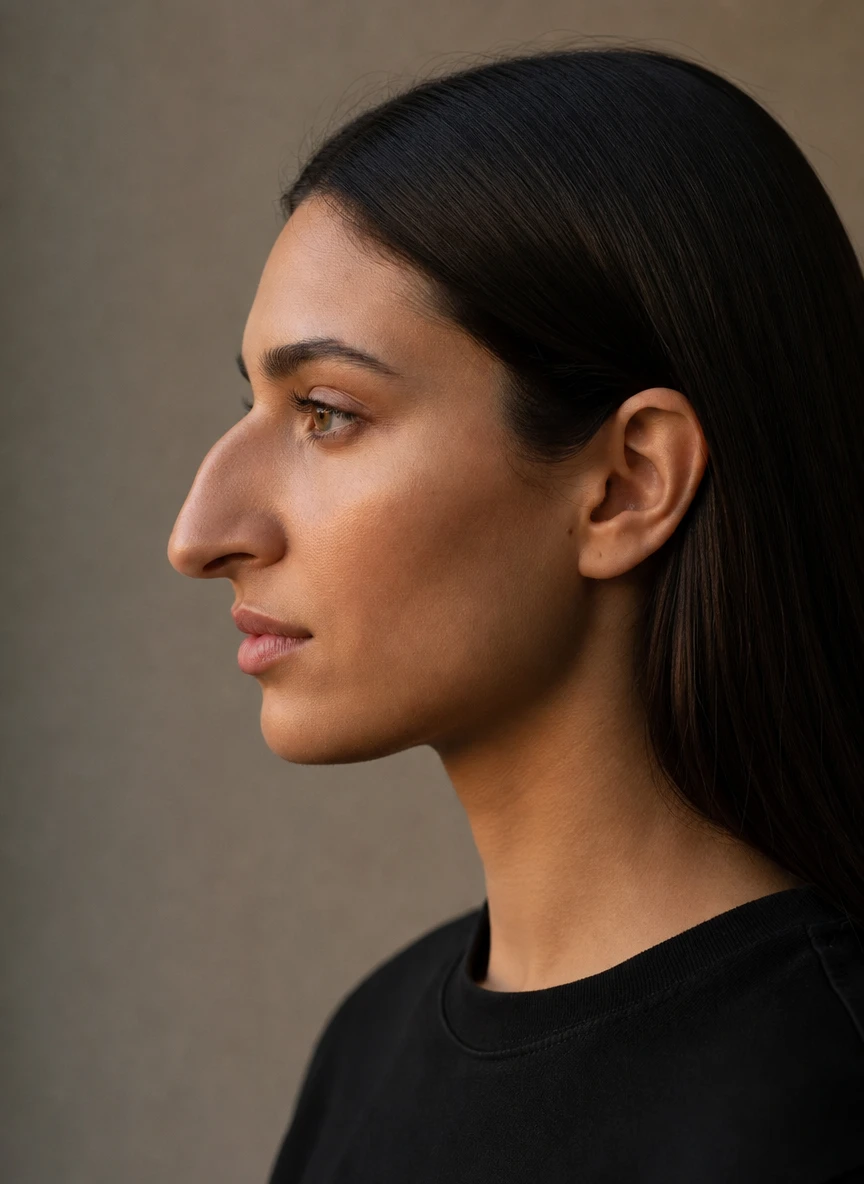
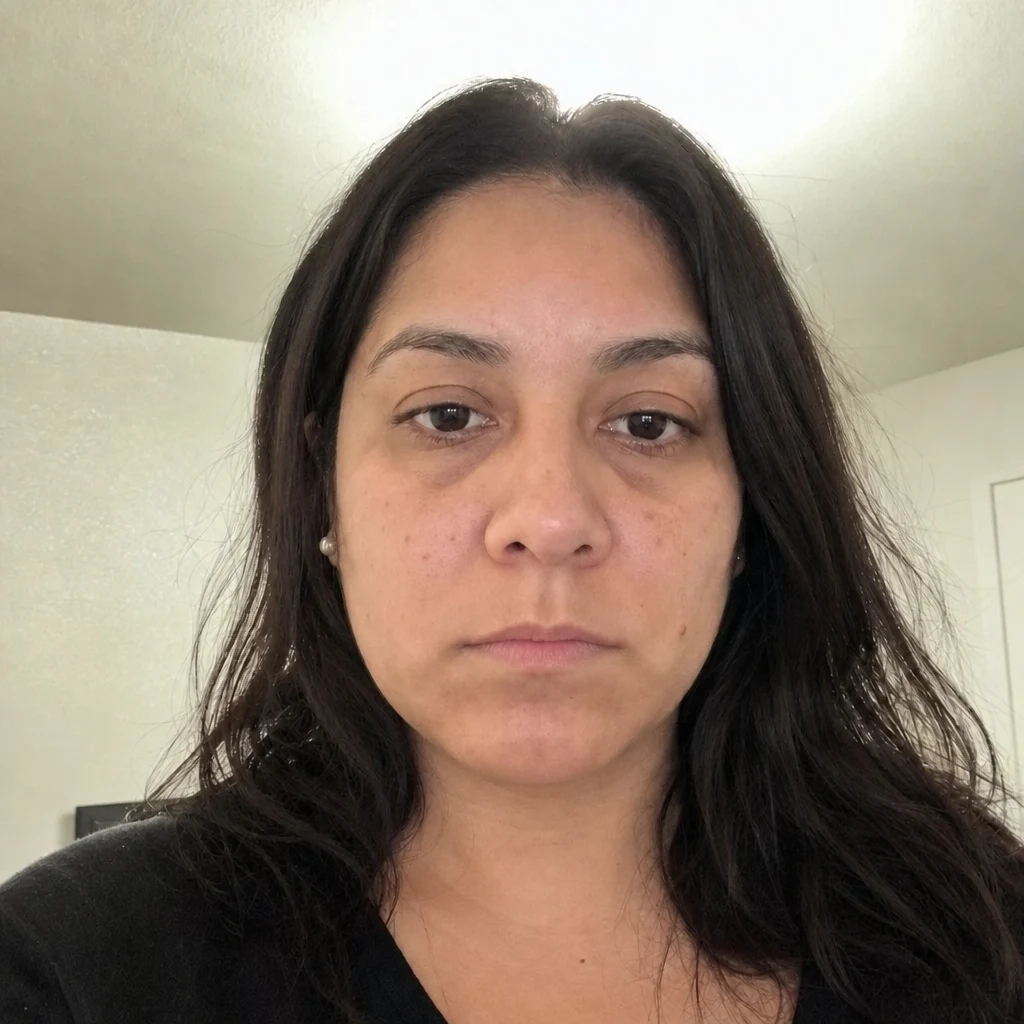
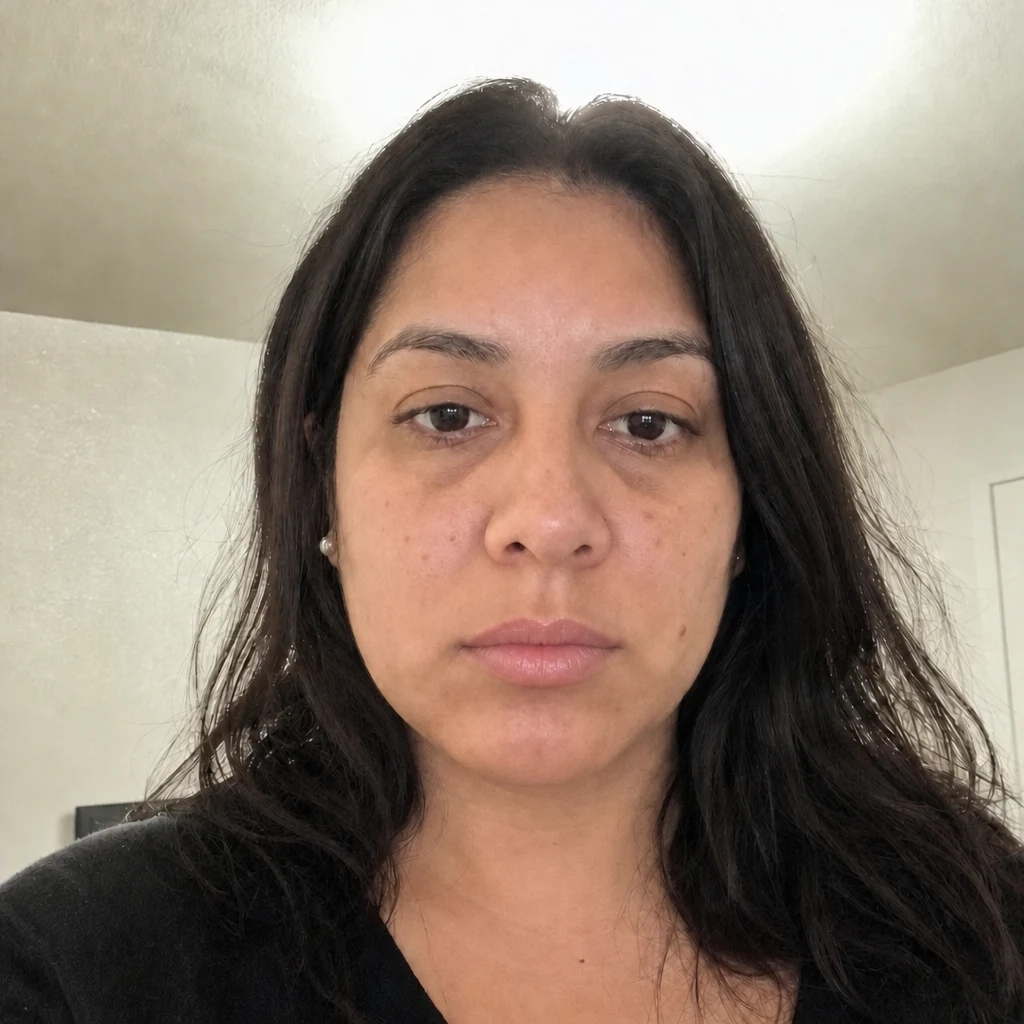
- Rhinoplasty →Changes the bridge, tip and nostril width of your nose.
- Lip Filler →Changes the volume and shape of your lips.
A simulation is a visualisation, not a surgical plan, and nothing on this page is medical advice.
Oval face shape — frequently asked questions
Why do so many tools say I have an oval face?
Because oval is the fallback when measurements do not clearly meet another shape's conditions. Our tool does the same thing — it is honest about this rather than inventing a more specific label.
What hairstyle suits an oval face shape?
Almost all of them, which is the honest answer rather than a flattering one. With balanced proportions there is nothing to correct, so the decision comes down to hair texture, forehead height and how much length you want.
How do I tell an oval face from a heart-shaped one?
Compare your forehead with your cheekbones. A heart face is widest at the forehead by a clear margin; an oval face is widest at the cheekbones and its forehead is not noticeably narrow. The chin can look pointed on both, so it is not the thing to judge by.
Does an oval face need contouring?
No, and that is worth saying plainly given how much contouring advice is written for it. Contour corrects a width imbalance, and an oval measurement means there is not one. If you use it, you are adding definition by choice rather than fixing anything.
Is short or long hair better for an oval face?
Both work, because an oval face has no imbalance to correct. The one thing to watch is total length: very long, flat, one-length hair or a tall crown adds to a face that is already longer than it is wide. Collarbone- and jaw-length cuts are the most forgiving.
Which men's haircuts make an oval face look longer?
Tall pompadours and high faux hawks, very high skin fades with a long top, and long, straight hair with a centre part and flat sides. Each adds height or removes width, and an oval face has nothing to gain from extra length.
Do round glasses suit an oval face?
Yes. An oval outline is not itself a circle, so a round frame contrasts with it rather than repeating it. As with any frame on an oval face, the limits are width and depth rather than shape.
Are rectangular or square glasses better for an oval face?
Either. Both add a little structure against a soft outline; square frames have harder corners and more presence, rectangular frames are calmer. Keep the lenses from being so deep that they shorten the face.
Why does my tape measure say oval but the tool says round?
Because they measure length from different places. A tape measure goes from the hairline, while the detector starts at the top of the forehead surface, below the hairline, so its length ratios run lower and its cut points are set lower to match. A face near a boundary can fall on different sides of it with the two methods; the comparison table on this page shows both scales.
Is an oval face the same as a long face?
No. A long, or oblong, face is clearly longer than it is wide, with similar widths at forehead, cheekbones and jaw. An oval face is longer than it is wide but less so, and tapers gently to the chin. On this detector the dividing line is a face length of 1.23 times cheekbone width.
References
- 1.Langlois, J. H., & Roggman, L. A. (1990). Attractive faces are only average. Psychological Science, 1(2), 115–121. doi:10.1111/j.1467-9280.1990.tb00079.x.
- 2.Grammer, K., & Thornhill, R. (1994). Human (Homo sapiens) facial attractiveness and sexual selection: the role of symmetry and averageness. Journal of Comparative Psychology, 108(3), 233–242. PMID 7924253.
- 3.Rhodes, G. (2006). The evolutionary psychology of facial beauty. Annual Review of Psychology, 57, 199–226. PMID 16318594.
The other face shapes
- Diamond face shape →
- Round face shape →
- Heart face shape →
- Square face shape →
- Oblong face shape →
- Triangle face shape →