Looksmax Before and After: Your Full-Face Potential, Rendered
Looksmaxxing before and after posts usually stack months of weight loss, hair, skin and — sometimes — surgery into two photos taken in very different conditions. This page takes those transformations apart trait by trait, maps each one to the procedure that actually changes it, and renders the surgical end of the spectrum on your own photo.
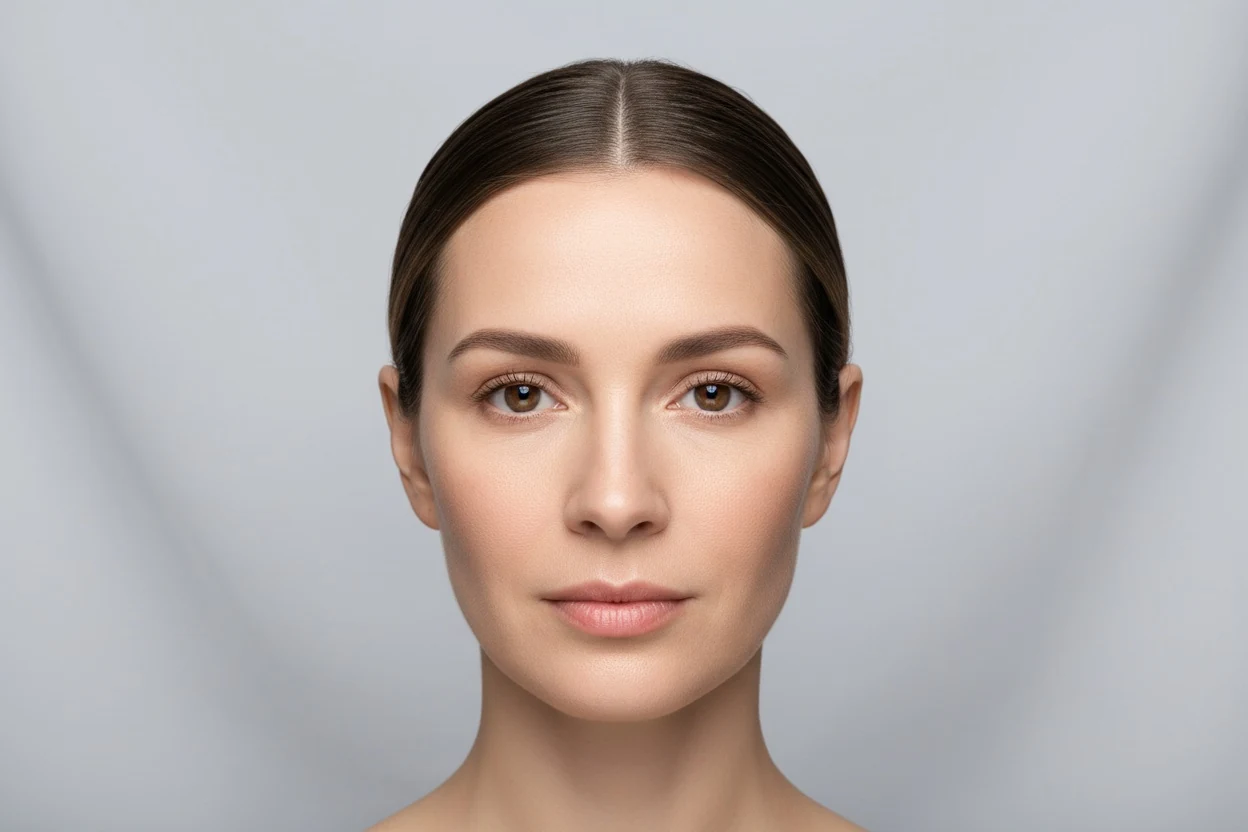
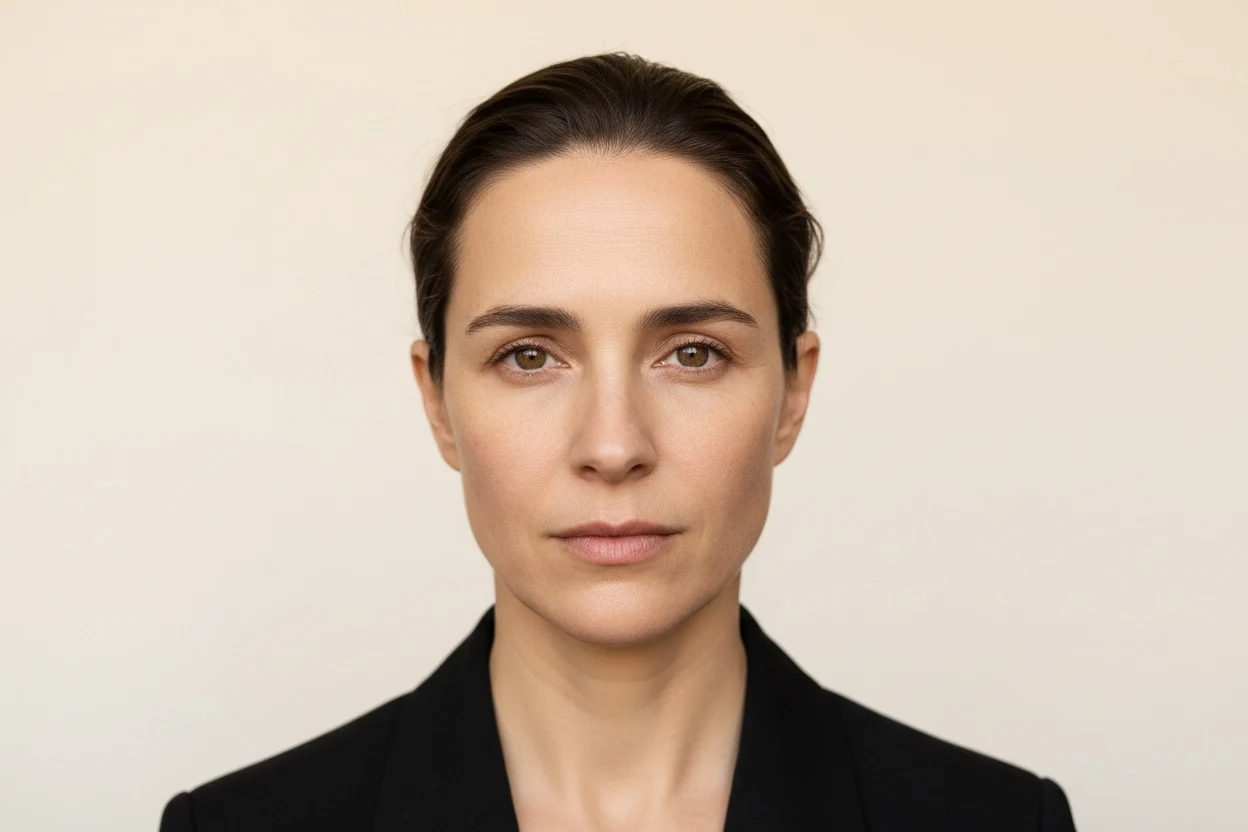
Looksmax Pack simulator — example render
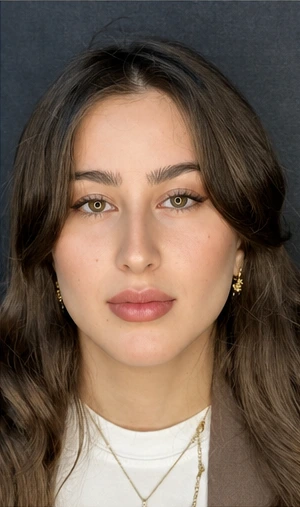
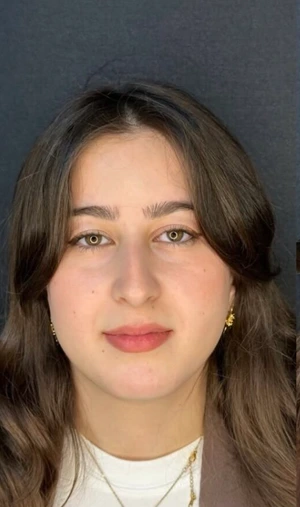
- What it is
- A combined render of cosmetic procedures
- Areas it can change
- Hairline to neck; no makeup
- Cost
- The sum of the procedures — varies enormously
- Reversible?
- Mostly not; most of the stack is surgical
- Upload one front-facing photo
- The render changes the full set of changes a looksmax plan would target — and leaves the rest of your face alone
- Compare your before and after side by side
1 render = 1 credit
5 credits $4.99, no subscription · or Starter $7.99/month for 10. The face analysis is free.
Looksmaxxing before and after: what the transformations combine
The looksmaxxing before and after posts that circulate on Reddit, YouTube and Instagram rarely show one change. A typical "six months of looksmaxxing" pair combines a haircut, weight loss, skin care, groomed brows, sometimes orthodontics or surgery — and a different camera, angle and light in each photo.
| What changed | How long it takes | In this render? |
|---|---|---|
| Body fat loss revealing the jaw and cheekbones | Months | No |
| Haircut, brows, beard | Same day | No |
| Skin tone and texture | Weeks to months | Yes, as resurfacing-type change |
| Orthodontics | One to three years | No |
| Hairline — transplant or lowering | Up to a year to show | Yes |
| Surgery on eyes, nose, jaw, chin or neck | Months of healing | Yes |
| Head tilt, lens distance, lighting | Seconds | No — and it is in most pairs |
Looksmax transformation by area: the procedures behind each trait
Every trait the looksmaxxing vocabulary talks about maps to a region of the face, and every region has procedures that change it. That mapping is what this pack renders — and what a surgeon would price one item at a time.
| Trait people focus on | Procedure that changes it | Type | Commonly quoted US range |
|---|---|---|---|
| Canthal tilt, eye shape | Canthoplasty, canthopexy | Surgical, permanent | $3,000–$7,000 (canthoplasty) |
| Hooded or heavy lids | Blepharoplasty | Surgical, long-lasting | $3,000–$6,000 per lid pair |
| Brow position | Brow lift | Surgical | $3,000–$8,000 |
| Cheekbones, midface | Cheek filler; implants | Filler temporary; implants permanent | $600–$1,200 per filler syringe |
| Nose | Rhinoplasty | Surgical, permanent | $6,000–$15,000 |
| Jaw definition | Jawline filler; jaw implants or surgery | Filler temporary; bone work permanent | $1,500–$3,000 filler, full jawline |
| Chin projection | Chin implant, genioplasty | Surgical, permanent | $3,000–$6,000 (implant) |
| Jaw-to-neck angle | Neck lift | Surgical | $5,000–$12,000 |
| Hairline | Hair transplant, hairline lowering | Surgical, permanent | $4,000–$15,000 (transplant) |
| Skin | Laser resurfacing | Non-surgical, needs repeats | From about $200 to $3,000–$6,000 |
Two of those traits can be measured before you render anything: canthal tilt in degrees from a front photo, and jaw width and taper with the jawline rating. Both are free and run in your browser.
Looksmaxxing surgery vs everything else: the risk map
Looksmaxxing advice mixes things that carry almost no risk with things that are permanent or harmful, often in the same thread. Sorting them on two axes — how reversible and how risky — is more useful than any ranking of traits.
Bottom left: sleep, grooming, haircuts, sunscreen, clothes. The middle: toxin and hyaluronic acid filler, which wear off. Right: implants and jaw surgery, which do not. And a shaded zone that no plan should include — bone smashing and self-injected filler — where the harm is real and there is no evidence of the benefit claimed.
Looksmaxxing simulator: what this pack renders on your photo
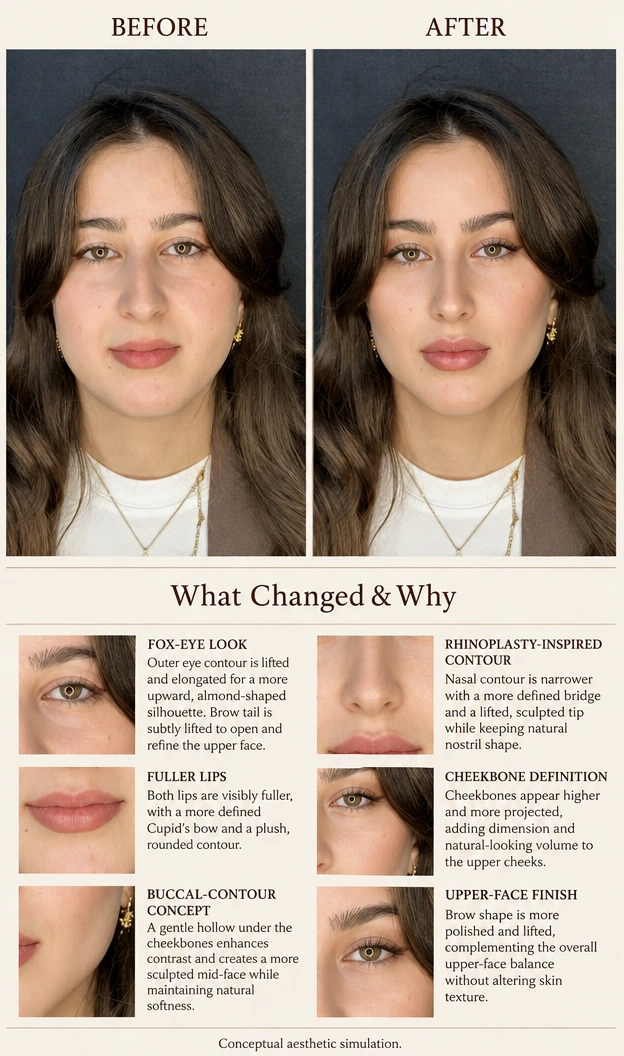
By default ("Let AI choose"), the looksmax simulation asks the image model to show your maximum potential through cosmetic surgery in every area where it fits — explicitly not makeup, and rendered as a photorealistic post-surgical result. Depending on the face, that can include the hairline, brows, eyelids, midface, nose, lips, jawline, chin, neck and skin. The model picks the areas, keeps a masculine or feminine result if your profile says which, and keeps your identity and pose.
Switch to "I'll choose" to stack up to six named procedures instead. The looksmax pack and the glow up pack run the same render — only the framing of the page differs.
Two limits matter more here than anywhere else on the site. First, errors compound: every single-procedure limitation applies at once. Second, the render works from front and three-quarter photos, while chin projection, jaw angle and eye depth are profile traits — so the traits this community cares most about are the ones the render reads least reliably.
BeforeAfter — simulatedWhat Changed & Why · Annotated AI example
See a looksmax pack on your own face
Run this simulationLooksmax potential: what "maximum potential" can and can't mean
The render is literally asked for your maximum potential, and it is worth being precise about what that is. In a photo, potential is whatever the model draws. In real life it is capped by bone and soft tissue, by how you heal, by how many operations and recoveries you would accept, and by the risk each one adds.
It is also narrower than the vocabulary suggests. The findings on facial attractiveness with the strongest evidence are averageness and symmetry, and neither is what the looksmaxxing trait list optimizes for. The facial proportions guide covers what proportion research does and doesn't show.
Looksmaxxing for women: different traits, the same render
Looksmaxxing for women tends to focus on a different set of traits: lip shape and the space above the upper lip, an upturned outer eye, nose refinement, midface fullness and skin — rather than jaw width and brow ridge. The procedure map shifts accordingly towards lip lifts, fox-eye and canthal procedures, rhinoplasty and filler.
The render follows the profile: with a female profile it is told to keep the result feminine, so it does not import the square-jaw targets from men's looksmaxxing. With no gender on the profile, it gets no hint either way.
And for men
Men's looksmaxxing discussion centers on jaw width and angle, chin projection, hooded "hunter" eyes, the hairline and the neck. Most of those are skeletal or profile traits, which is where both photographs and renders are least reliable.
Looksmaxxing before your face is done growing: why surgery waits
Much of the looksmaxxing audience is young. The face keeps maturing through the late teens — the jaw, chin and nose included — and surgeons generally wait until facial growth is complete before operating on bone or the nose for cosmetic reasons. A render of a 16-year-old's maximum potential shows a face that is still going to change on its own.
Surgeons also screen for body dysmorphic disorder, where preoccupation with a perceived flaw does not ease after a procedure. If rating and re-rating your face has stopped feeling useful, that is worth raising with a doctor before a surgeon.
Looksmax cost and recovery: adding up a full-face plan
There is no looksmax price. The table above lists per-procedure ranges; a real plan picks a few of them, a surgeon decides which can be combined, and combined operations are priced as one — sometimes for less than the sum, never for nothing. Any single total for a render like this would be made up.
- Recovery is set by the longest procedure in a combined session, and staged procedures add their recoveries end to end.
- Revisions are part of the cost of permanent work, and they are priced separately.
- Temporary treatments recur. Filler and toxin look cheap per session and add up per year.
Questions to ask a plastic surgeon before a looksmax plan
- Which of these changes has real evidence of improving how a face is perceived, in your view?
- Which would you talk me out of, and why?
- What would you suggest if I did nothing surgical?
- Which of these would you stage, and in what order?
The trait most often misjudged from photos, measured in degrees — before you decide it needs changing.
Measure your canthal tiltAlternatives to looksmax pack
How the looksmax pack simulation works
Your photo is analysed for the landmarks that matter to this procedure, and the render changes the full set of changes a looksmax plan would target while leaving the rest of your face alone. That constraint is the hard part — a generic image model will happily redraw your whole face and hand you a stranger who looks better.
This render carries the compounded limitations of everything in it, and it renders a set of traits whose published support is thinner than the online discussion suggests. Both things are worth holding at once.
It is an illustration of a plausible direction, not a prediction of your result and not a medical opinion. What it is genuinely good for is finding out whether you want the change at all — plenty of people render one, find the difference smaller than they imagined, and stop there.
Measure your face before a looksmax pack simulation
The free analysis tools measure symmetry, facial proportion and face shape, and tell you which measurements sit outside the reference range. Choosing a procedure from that is a much better starting point than choosing one from a photo you saved.
Looksmax Pack simulator — frequently asked questions
Do any looksmaxxing techniques work?
The low-risk ones change how a face reads more than people expect: sleep, skin care, body composition, a haircut and grooming. Procedures change structure, with the cost, recovery and risk each carries. Mewing has no evidence of changing an adult face, and bone smashing causes harm.
Is the looksmax pack the same render as the glow up pack?
Yes. Both run the same full-face render by default. The pages differ in framing: this one follows the traits the looksmaxxing community focuses on, the glow up page follows transformation photos and everyday changes.
Are these traits actually what makes a face attractive?
The published support is modest and narrower than the vocabulary implies. Averageness and symmetry have the strongest evidence, and neither is what the looksmaxxing trait set is about.
Does the looksmax render include non-surgical changes?
It is told to render surgery only and no makeup, so it does not show weight loss, grooming or styling. Skin can change, because resurfacing is one of the areas in the plan.
Why does my canthal tilt look different in every photo?
Because head tilt and camera height change it. The outer eye corner sits further back in the head than the inner one, so tipping the chin down makes it read higher and a camera below eye level makes it read lower. The measurement needs a level chin and a camera at eye height.
How long does a looksmax transformation take?
The habit side shows over weeks to months. The surgical side takes months per procedure to heal and settle, and staged plans stretch over a year or more — which is why a 30-day before and after is almost always photography and grooming.
Is the looksmax pack simulator free?
The face analysis is free and needs no account. A rendered simulation costs credits because it runs on a GPU — $4.99 buys five and does not require a subscription.
How accurate is an AI looksmax pack simulation?
It is an illustration of a plausible outcome, not a prediction of your result. Real outcomes depend on your anatomy, the board-certified plastic surgeon and how you respond. Treat it as a conversation starter for a consultation, not a promise.
Do you keep my photo?
The free measurements never leave your browser. A simulation does send the photo to a rendering service, which is why it asks for explicit consent first, and you can delete the result from your dashboard at any time.
Can I show this to a board-certified plastic surgeon?
Yes, and that is the most useful thing to do with it. Bringing a picture of the direction you want is far more precise than describing it in words.
Other multi-procedure packs simulations
This page is not medical advice and we are not clinicians. A simulation cannot tell you whether a procedure is appropriate for you, what it costs, or what the risks are. Those questions belong with a qualified board-certified plastic surgeon.