How to looksmax: what works, what doesn't, and what causes harm
·16 min read
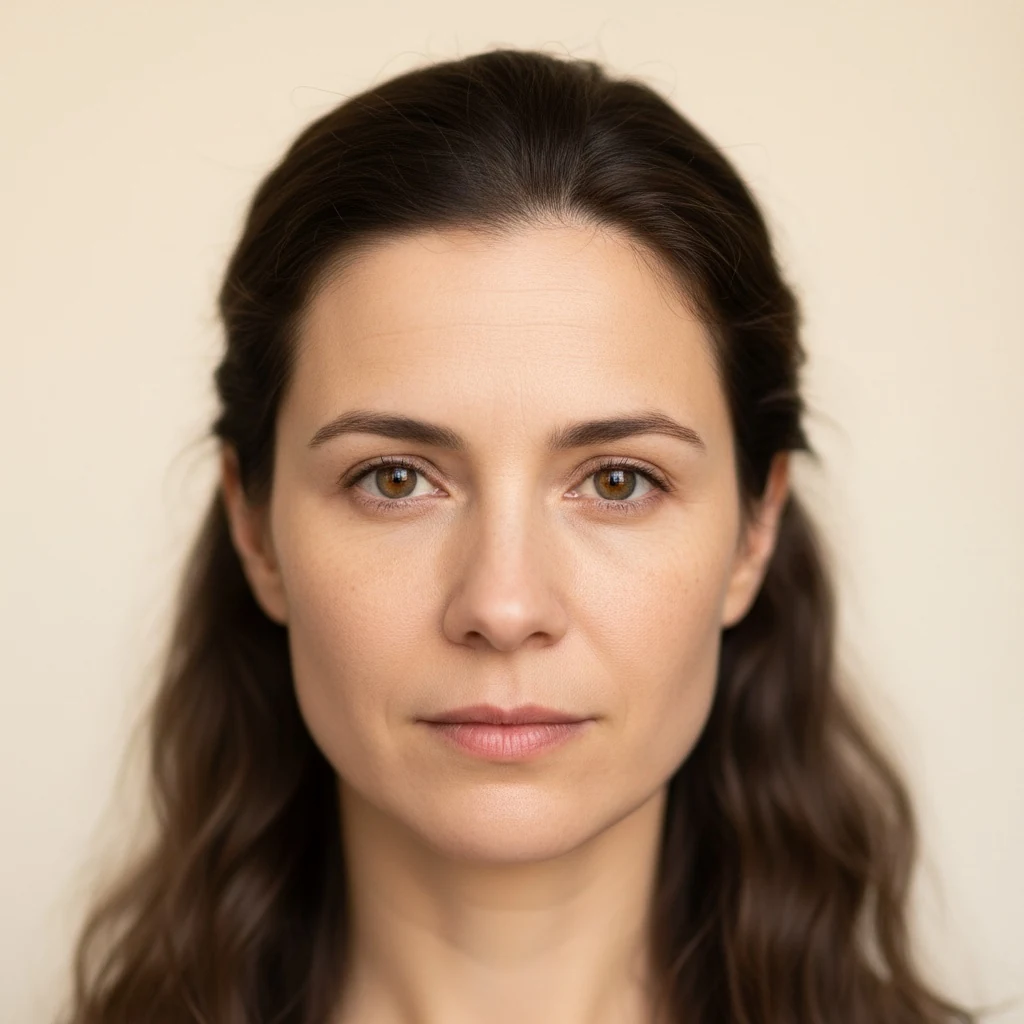
Looksmaxxing means two different things online. One is structured self-care: sleep, skin, fitness, grooming and style, approached with the discipline people bring to training. The other is a forum culture that ranks faces on a ladder, treats bone structure as destiny and promotes practices that injure people. This guide is about the first, and it is honest about the second. Where the evidence for a tip is strong, it says so; where it is weak or absent, it says that too.
How to looksmax: the short answer
- Measure first. Take a baseline photo in fixed conditions and measure what a front photo can actually measure.
- Fix the fundamentals. Sleep, daily sunscreen, a retinoid for adults, not smoking, and a healthy body composition.
- Change the fast, reversible things. Haircut, brows, beard, skin routine, clothes and colours.
- Give each change eight to twelve weeks and compare photos taken the same way.
- Leave procedures to last, and to a specialist. Know what a procedure changes and what it cannot.
- Skip anything that injures you. Bone smashing, self-injected fillers and unregulated peptides are not a lane; they are harm.
Softmaxxing vs hardmaxxing: the two lanes, ranked by risk
Looksmaxxing communities split changes into softmaxxing — anything reversible and non-medical — and hardmaxxing — anything permanent or medical. The split is useful, with one correction: the most dangerous practices promoted online are not medical at all. They belong in a third column.
| Practice | Lane | Reversible | Typical cost | Evidence for appearance | Main risk |
|---|---|---|---|---|---|
| Sleep on a regular schedule | Soft | Yes | None | Controlled experiment: sleep-deprived faces rated less healthy and attractive | None |
| Daily sunscreen | Soft | Yes | Low | Randomised trial over 4.5 years: less skin ageing | None |
| Retinoid at night (adults) | Soft | Yes | Low | Randomised trial: fewer fine wrinkles at 24 weeks | Irritation; not in pregnancy |
| Not smoking | Soft | Yes | Saves money | Identical-twin study: smokers' faces aged more | None |
| Haircut, grooming, clothes | Soft | Yes | Low to medium | Styling practice; hair changes how faces are rated | None |
| Losing excess body fat | Soft | Yes | Low | Perceived facial fat linked to rated health and attractiveness | Disordered eating if it becomes a target number |
| Mewing, jaw exercises | Soft (claimed) | Yes | None to low | No evidence of changing adult bone | Jaw joint strain with hard chewing devices |
| Toxin injections | Hard | Wears off in months | Medium, repeated | Changes muscle activity and bulk while it lasts | Medical side effects; needs a clinician |
| Hyaluronic acid filler | Hard | Partly (can be dissolved) | Medium, repeated | Adds volume where injected | Vascular complications; needs a clinician |
| Implants, jaw or nose surgery | Hard | No | High | Changes bone or cartilage contour | Surgical risks, recovery, revision |
| Bone smashing, self-injection, unregulated peptides | Harm | No | Low to buy, high to repair | None | Fractures, infection, vascular injury, unknown substances |
Softmaxxing: reversible, cheap, and where most of the change is
Softmaxxing is unglamorous and it works. The reason is that most of how a face is read is not bone. It is skin evenness and colour, how rested the eyes look, hair and facial hair, expression, posture, and the colours and clothes around the face. All of those can change, reversibly, for little money. The glow up guide lays the same levers out as a week, month and 90-day plan, and the guide to being prettier explains why each one changes how people respond.
Hardmaxxing: permanent, medical, and a specialist's decision
Fillers, toxin injections, implants and surgery do change specific features, and for some adults with a clear, specific concern they are a reasonable choice. They are also medical procedures with complications, recovery and costs that recur. The useful questions are which measurement a procedure changes, what it cannot change, and whether the feature you want to change is the one actually driving how you look. That is covered below, by region.
Practices that cause harm
Some practices promoted in looksmaxxing spaces are not a riskier version of a treatment; they are injury. Bone smashing — deliberately striking the face in the hope that bone will remodel larger — can fracture facial bones and cause permanent asymmetry, and there is no evidence it produces the promised result. Maxillofacial surgeons have published warnings about it. A 2026 analysis of social media counted 2,518 mentions of bone smashing over 12 months, with an estimated reach of 32 million; about 98% of the bone smashing content was by men, and most of the sentiment was neutral or positive. The same analysis described how posts normalise risk with pseudoscientific language. Self-injected fillers bought online and unregulated peptides or tanning injections carry risks of infection, vascular injury and unknown contents. A 2026 commentary in the journal Pediatrics described looksmaxxing, from mewing to peptides, as an emerging pediatric concern. None of these belongs in a plan.
Step 1: measure before you change anything
Measuring first stops you spending months on a feature that was never the issue, and it gives you something to compare against. The catch is that a front-facing photo can measure some things well and some not at all, and most looksmaxxing content does not separate them.
| Area | What a front photo can measure | What it cannot measure | Tool |
|---|---|---|---|
| Symmetry | Left–right balance of six landmark pairs: eye corners, brows, nose wings, mouth corners, cheek edges | The jaw is not among the pairs; expression and head turn distort it | Face symmetry test |
| Face shape | Forehead, cheekbone and jaw widths against face length | Where the hairline is; hair over the forehead or cheeks shifts it | Face shape detector |
| Facial thirds | Middle and lower thirds of the face | The upper third depends on an estimated hairline and is the least reliable | Facial thirds |
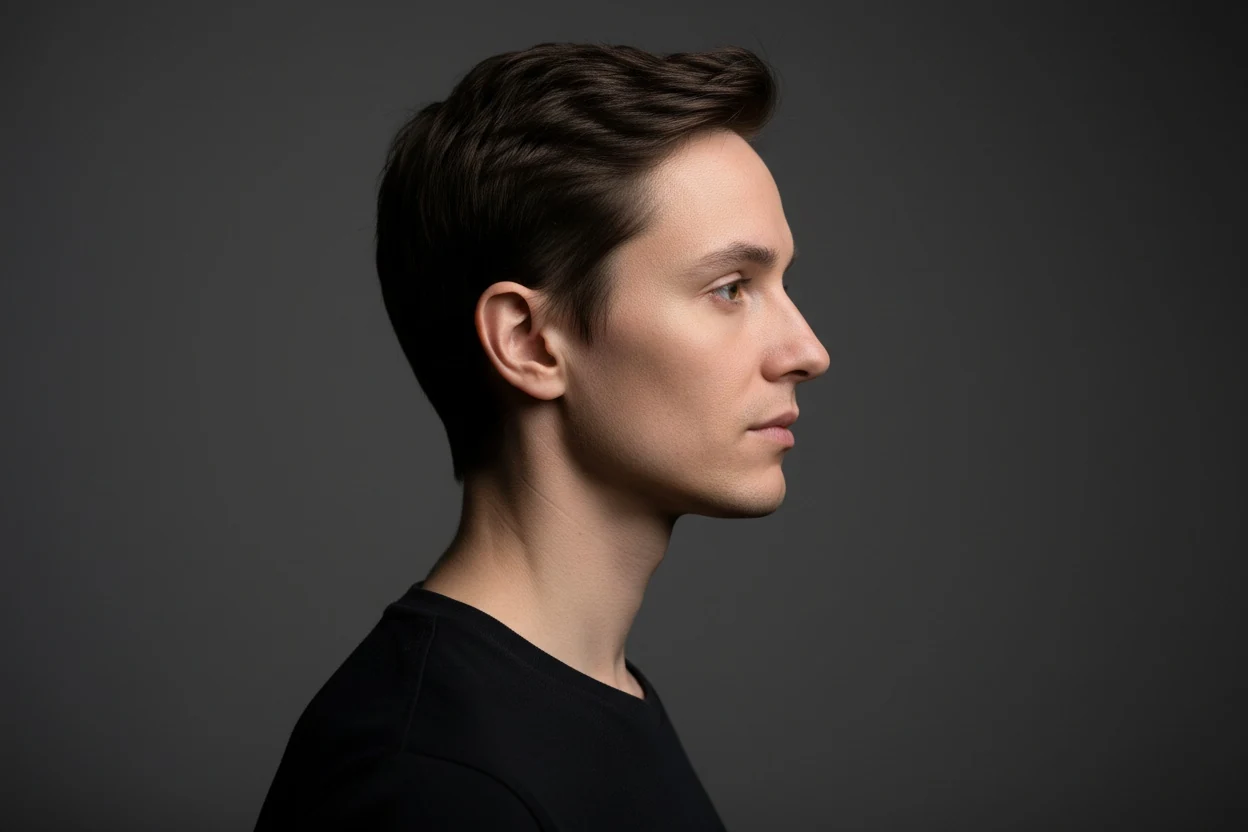
| Jaw | Jaw width against cheekbones, taper, left–right difference | True jaw angle, chin projection, the angle under the chin, whether definition is bone or fat — all need a profile view | Jawline rating |
| Eyes | Canthal tilt of each eye, eye shape, spacing | Orbital depth — whether the eye sits back under the brow bone | Canthal tilt |
| Colouring | Skin, hair and eye colour, with white balance corrected from the whites of the eyes | Results shift with lighting when correction is not possible | Colour analysis |
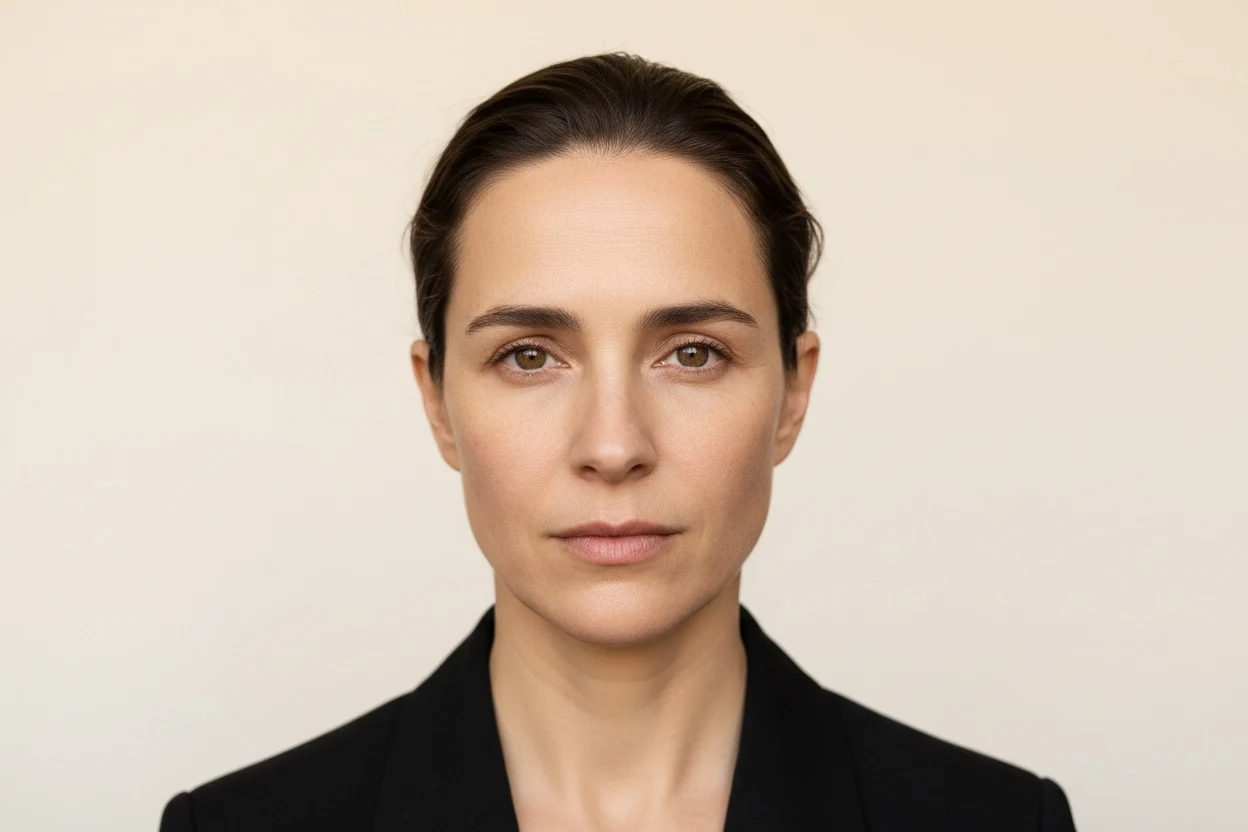
Take the baseline photo with the camera at eye level, about an arm's length or more away, in even daylight facing a window, hair pulled back, neutral expression. Every later photo has to match those conditions, or you will be measuring the camera rather than your face. The photogenic guide shows how much lens distance and camera height change a face on their own.
Symmetry and proportions from one front photo, with every measurement shown. Runs in your browser; the photo is not uploaded.
Take a measured baselineStep 2: the fundamentals that change how a face reads
Skin: sunscreen and a retinoid
Skin is the fundamental with the best trials. In a randomised trial in Australia, adults who applied sunscreen daily for four and a half years showed less skin ageing than those who used it at their own discretion. In a controlled trial of retinol in older adults, fine wrinkles improved after 24 weeks compared with a placebo lotion. Even skin tone matters more than most people expect: in experiments, the evenness of skin colour alone shifted how old, healthy and attractive faces looked. A retinoid is for adults and is avoided in pregnancy; start slowly, because irritation is common.
Body fat and the face
Body fat changes the soft tissue over the jaw and cheeks, not the bone underneath. A study of perceived facial adiposity — how much weight people see in a face — found it predicted how healthy and attractive the face was rated. That is a mechanism, not a target: there is no body fat percentage at which a jaw appears, and chasing a number is how looksmaxxing slides into disordered eating. The jawline guide covers the layers — bone, muscle, fat and skin — and why there is no magic percentage.
Sleep
In a controlled experiment published in the BMJ, the same young adults were photographed after normal sleep and after sleep deprivation, and observers rated the sleep-deprived photos as less healthy, more tired and less attractive. Sleep is the fundamental that shows fastest, and it costs nothing.
Smoking
In a study of 79 pairs of identical twins in which one twin smoked, or had smoked at least five years longer, blinded judges scored the smoking twins worse on lower lid bags, cheek bags, nasolabial folds, lip wrinkles and jowls — mostly in the middle and lower face. Because identical twins share their genes, the comparison takes genetics out of the explanation.
Step 3: grooming and style, the fastest visible changes
Grooming and style change how a face reads the same day, and all of them can be undone. A haircut chosen for your face shape moves volume to where the outline is narrow; tidy brows frame the eyes; a beard adds length or width wherever it grows; colours near the face that suit your colouring change how even the skin looks. The hairstyles for face shape guide shows where volume goes for each shape.
| Change | Visible | Cost | Reversible |
|---|---|---|---|
| Haircut chosen for face shape | Same day | Low to medium | Grows out in weeks |
| Brow tidying | Same day | Low | Grows back in weeks |
| Beard shape and neckline | Same day (shape) to weeks (growth) | Low | Yes |
| Skin routine | Weeks to months | Low | Yes |
| Clothes that fit, colours that suit you | Same day | Varies | Yes |
| Makeup, for those who wear it | Same day | Low to medium | Yes |
| Posture and head position in photos | Same moment | None | Yes |
What doesn't work, and what the evidence actually says
Mewing
There is no evidence that mewing reshapes an adult face. Tongue and lip posture influence how the jaws develop in children, but the adult jaw has stopped growing. Pressing the tongue to the palate changes head and neck posture and tightens the area under the chin while you hold it, which explains most mewing before-and-after photos, together with lighting and camera angle. It is harmless as a posture habit and useless as a bone treatment.
Facial exercises and jaw trainers
A systematic review of facial exercises for rejuvenation found the evidence too weak to support them: few studies, small samples and weak designs. A later pilot in middle-aged women reported fuller-looking cheeks after a 20-week programme, but it had no control group and did not measure the jaw. Jaw trainers and hard chewing gum promise a bigger masseter; the trial evidence does not show one, and the load on the jaw joint is real. The facial symmetry exercises guide and the jawline guide go through the studies.
Looksmaxxing products and supplements
Most "looksmaxxing product" lists are affiliate catalogues. The two product categories with strong trial evidence for appearance are the ones above: a broad-spectrum sunscreen every day and a retinoid at night for adults. A simple cleanser and moisturiser, grooming tools and a good haircut complete the list. Supplements promising jawlines, hunter eyes or taller growth do not have evidence behind them, and peptides or tanning injections sold through social media are unregulated. This guide recommends no brands and has no affiliate links.
How long does looksmaxxing take? A realistic timeline
| Timeframe | What can change | What cannot |
|---|---|---|
| Same day | Haircut, grooming, brows, clothes, posture, expression, photo setup | Anything about skin, fat or bone |
| Days | How rested the face looks, after regular sleep | Skin texture |
| 8–12 weeks | Early skin changes, beard growth, a grown-in haircut, habits | Long-term skin ageing; bone |
| 6 months | Fine lines with a retinoid (measured at 24 weeks), body composition | Bone structure in adults |
| Years | Skin ageing slowed by daily sunscreen and not smoking | Adult bone, without surgery |
| Procedures | The feature treated, after recovery | Anything the procedure does not touch |
Two practical rules follow. Change one or two things at a time, so you know which one worked. And compare photos no more often than every eight to twelve weeks, taken in the same conditions; daily checking mostly measures lighting and mood. The glow up guide turns this into a week, month and 90-day plan.
Hardmaxxing by region: what procedures change, and what they can't
A procedure changes one region and leaves everything else as it was. Before considering one, it helps to know which measurement a procedure actually moves. The table maps regions to the procedures that change them; it is not a recommendation, and a specialist examination is the only way to know whether a procedure suits a particular face.
| Region | What changes it | What does not | Read more |
|---|---|---|---|
| Jaw width and definition | Masseter toxin (narrows muscle bulk, temporary), jawline filler, implants, jaw surgery | Mewing, jaw trainers, chewing gum | Masseter botox, jawline filler |
| Chin projection | Chin filler, chin implant, genioplasty | Posture habits (only in photos) | Chin filler, genioplasty |
| Under-chin angle | Fat reduction, neck lift; body fat changes | Jaw exercises | Neck lift |
| Cheekbones and midface | Cheek filler, implants | Gua sha, massage, pressure | Cheek filler |
| Eye tilt and lids | Canthoplasty, blepharoplasty, brow lift | Taping, exercises | Canthoplasty, blepharoplasty |
| Nose | Rhinoplasty, filler for the bridge | Nose exercises, clips | Rhinoplasty |
| Hairline | Hair transplant, hairline lowering, medical treatment of hair loss | Oils, most supplements | Hair transplant |
The simulation pages render a procedure on your own photo as an AI illustration. They are useful for seeing whether a change in one region is the change you had in mind; they are not a surgical outcome, and they cannot show risk, recovery or how your tissue will respond. People seeking cosmetic procedures have much higher rates of body dysmorphic disorder than the general population, which is one more reason the decision belongs in a consultation, not a comment thread.
Looksmaxxing for women and men: same biology, different levers
Looksmaxxing forums are overwhelmingly male, but nothing in the evidence-based part of it is. Skin, sleep, sun damage, smoking and body composition work the same way for everyone. The differences are in the levers. Many women have more tools around the eyes and skin — makeup, brow shaping, hair styling — and research on facial contrast suggests why makeup works, and why its effect depends on age. Many men have beard shape and neckline, and fade height and hair length on top. Men's grooming guides tend to underrate skin and overrate the jaw; women's beauty content tends to do the reverse with products.
The PSL scale and ratings: use numbers without letting them use you
PSL is a 1–10 rating scale that came out of looksmaxxing forums, where it is assigned by other users' votes. A computed score from facial measurements is a different thing: it is a weighted combination of measurements, and the weighting is a choice somebody made. The PSL scale page explains where the scale came from and why the two numbers are not the same quantity. The looksmax AI guide explains why two apps give the same face two different scores.
The one legitimate use of any score is comparing your own photos, taken the same way, over time. A score is not a rank against other people, and it is not a measure of your worth. Ranking faces on a ladder is the part of looksmaxxing culture this guide does not reproduce.
Where the scale came from, what a computed score measures, and why it is not a forum rating.
What the PSL scale actually isWhen looksmaxxing stops helping
Appearance does matter socially, and pretending otherwise is part of why looksmaxxing content finds an audience. A large meta-analysis found that people agree, within and across cultures, about who is attractive, and that attractive children and adults are judged and treated more positively on average. But an average difference across many people is not a ceiling on any one person, and the fatalistic reading — that looks decide everything and effort is pointless — is not what the research shows. It is also a belief that makes people less likely to do the things that help.
Body dysmorphic disorder (BDD) is a preoccupation with perceived flaws in appearance that other people do not notice or see as minor. A systematic review estimated it affects about 1.9% of adults and 2.2% of adolescents in the community, and far more people in cosmetic settings: around 13% in general cosmetic surgery and 20% among people seeking rhinoplasty. Signs that looksmaxxing has stopped being self-care:
- Checking mirrors, photos or scores for hours a day, or avoiding them entirely.
- Rating yourself or others constantly, or seeking out forums that rate faces.
- Skipping school, work or social plans because of how you look.
- Planning procedures to fix something that people close to you cannot see.
- Trying risky practices after being told they cause harm.
Where to start: an order that works
- Week 0: take a baseline photo in fixed conditions and measure what a front photo can measure. Write down what you want to change and why.
- Weeks 1–2: fix sleep timing, start daily sunscreen, get a haircut chosen for your face shape, tidy brows or beard.
- Weeks 2–4: add a simple skin routine; adults can add a retinoid slowly. Sort out clothes that fit.
- Ongoing: exercise and eat in a way you can sustain, without a body fat target.
- Weeks 8–12: retake the photo in the same conditions and compare. Keep what worked; drop what did not.
- Only after that: if one specific feature still bothers you, learn what changes it and book a consultation with a qualified specialist.
One front photo, measured in your browser. Retake it in the same conditions after eight to twelve weeks.
Start with a week-0 measurementFrequently asked questions
How do I start looksmaxxing?
Take a baseline photo in fixed conditions — same light, distance and camera height, neutral expression — and measure what a front photo can measure. Then start with the reversible basics that have evidence: regular sleep, daily sunscreen, not smoking, a haircut and grooming chosen for your face shape, and clothes in colours that suit you. Change one or two things at a time and compare photos taken the same way after eight to twelve weeks.
How long does looksmaxxing take?
It depends on the change. Grooming, a haircut and posture show the same day. Sleep changes how rested a face looks within days. Skin care is measured in months: retinol's effect on fine lines was measured at 24 weeks, and sunscreen's protective effect over years. Changes in body composition take months. Procedures have their own recovery times and should be the last step, not the first.
Does looksmaxxing actually work?
The self-care part does: sleep, sun protection, not smoking, grooming, a suitable haircut and clothes all change how a face and a person read, and several have trials behind them. The parts that promise to change bone in adults — mewing, jaw exercises, bone smashing — have no evidence of doing so, and some cause harm. Procedures change specific features, with risks and costs, and are medical decisions.
What is natural looksmaxxing?
Natural looksmaxxing usually means softmaxxing: improving appearance without procedures, through skin care, sleep, body composition, grooming, hair and style. It is the lane with the lowest risk and the most reversible changes, and it is where most people get most of their visible improvement.
What is the difference between softmaxxing and hardmaxxing?
Softmaxxing covers reversible, low-cost changes: skin care, sleep, grooming, haircuts, clothes and fitness. Hardmaxxing covers permanent or medical changes: fillers, toxin injections, implants and surgery. Online, hardmaxxing is also used for dangerous unsupervised practices such as bone smashing, which are not a medical option at all but a form of injury.
What are the best looksmaxxing products?
Two categories have strong trial evidence: a broad-spectrum sunscreen used every day, and a retinoid at night for adults. Beyond that, a basic cleanser and moisturiser, a decent haircut and grooming tools cover most needs. Jaw trainers, most supplements and unregulated peptides or tanning injections sold through looksmaxxing channels do not have evidence for appearance, and some carry real health risks.
Does mewing work for looksmaxxing?
There is no evidence that mewing reshapes an adult face. Tongue and lip posture influence how the jaws grow in children, but the adult jaw has finished growing. Holding the tongue against the palate can change head and neck posture and tighten the area under the chin while you hold it, which, with lighting and camera angle, explains most mewing before-and-after photos.
Is bone smashing safe?
No. Bone smashing means deliberately striking the face in the hope that bone will remodel larger. It is injury: it can fracture facial bones and cause permanent asymmetry, and there is no evidence it produces the intended change. Maxillofacial surgeons have published warnings about the trend.
Can girls looksmax?
Yes. The biology of skin, sleep, body composition and facial proportions is the same, and the evidence-based basics apply equally. The levers differ: makeup, brows and hair styling are bigger tools for many women, and beard shape for many men. Most looksmaxxing communities are male, but nothing in the evidence-based part of it is.
Is looksmaxxing bad for mental health?
It can be. Structured self-care is fine; constant rating, comparison and the belief that looks decide everything are not. Body dysmorphic disorder, a preoccupation with perceived flaws that others barely notice, affects around 2% of adults and is much more common among people seeking cosmetic procedures. If checking your appearance takes hours, stops you going out, or you are planning procedures to fix flaws others do not see, talk to a doctor or mental health professional.
References
- Grillo, R., Fernandes, L. A., Rodrigues dos Santos, L. A., Lima, B. C., Brozoski, M. A., & Spagnol, G. (2026). Dangerous trends on social media related to facial esthetics: analysis of looksmaxxing and its softmaxxing and hardmaxxing practices. Journal of Stomatology, Oral and Maxillofacial Surgery, 127(5), 102971. PMID 42674114.
- Mekhail, J., Howard, C., & Milanaik, R. (2026). From mewing to peptides: looksmaxxing as an emerging pediatric concern. Pediatrics, 158(3), e2026077705. PMID 42580741.
- Veale, D., Gledhill, L. J., Christodoulou, P., & Hodsoll, J. (2016). Body dysmorphic disorder in different settings: a systematic review and estimated weighted prevalence. Body Image, 18, 168–186. PMID 27498379.
- Salari, N., Kazeminia, M., Heydari, M., Darvishi, N., Ghasemi, H., Shohaimi, S., & Mohammadi, M. (2022). Body dysmorphic disorder in individuals requesting cosmetic surgery: a systematic review and meta-analysis. Journal of Plastic, Reconstructive & Aesthetic Surgery, 75(7), 2325–2336. PMID 35715310.
- Langlois, J. H., Kalakanis, L., Rubenstein, A. J., Larson, A., Hallam, M., & Smoot, M. (2000). Maxims or myths of beauty? A meta-analytic and theoretical review. Psychological Bulletin, 126(3), 390–423. PMID 10825783.
- Axelsson, J., Sundelin, T., Ingre, M., Van Someren, E. J., Olsson, A., & Lekander, M. (2010). Beauty sleep: experimental study on the perceived health and attractiveness of sleep deprived people. BMJ, 341, c6614. PMID 21156746.
- Hughes, M. C. B., Williams, G. M., Baker, P., & Green, A. C. (2013). Sunscreen and prevention of skin aging: a randomized trial. Annals of Internal Medicine, 158(11), 781–790. PMID 23732711.
- Kafi, R., Kwak, H. S. R., Schumacher, W. E., Cho, S., Hanft, V. N., Hamilton, T. A., … Kang, S. (2007). Improvement of naturally aged skin with vitamin A (retinol). Archives of Dermatology, 143(5), 606–612. PMID 17515510.
- Okada, H. C., Alleyne, B., Varghai, K., Kinder, K., & Guyuron, B. (2013). Facial changes caused by smoking: a comparison between smoking and nonsmoking identical twins. Plastic and Reconstructive Surgery, 132(5), 1085–1092. PMID 23924651.
- Coetzee, V., Perrett, D. I., & Stephen, I. D. (2009). Facial adiposity: a cue to health? Perception, 38(11), 1700–1711. PMID 20120267.
- Van Borsel, J., De Vos, M. C., Bastiaansen, K., Welvaert, J., & Lambert, J. (2014). The effectiveness of facial exercises for facial rejuvenation: a systematic review. Aesthetic Surgery Journal, 34(1), 22–27. PMID 24327764.
- Fink, B., Grammer, K., & Matts, P. J. (2006). Visible skin color distribution plays a role in the perception of age, attractiveness, and health in female faces. Evolution and Human Behavior, 27(6), 433–442. doi:10.1016/j.evolhumbehav.2006.08.007.
- Alam, M., Walter, A. J., Geisler, A., Roongpisuthipong, W., Sikorski, G., Tung, R., & Poon, E. (2018). Association of facial exercise with the appearance of aging. JAMA Dermatology, 154(3), 365–367. PMID 29299598.
- Jung, H. J., Hwangbo, N. K., Park, Y., & Ahn, H. J. (2024). Effects of gum chewing training on occlusal force, masseter muscle thickness and mandibular shape: a randomised controlled clinical trial. Journal of Oral Rehabilitation, 51(12), 2529–2536. PMID 39215439.
- Saegusa, C., Intoy, J., & Shimojo, S. (2015). Visual attractiveness is leaky: the asymmetrical relationship between face and hair. Frontiers in Psychology, 6, 377. PMID 25914656.
- Pacquelet, E., Bon, L., Essid, L., & Guillier, D. (2024). The bone smashing and the excesses of social networking trends. Journal of Stomatology, Oral and Maxillofacial Surgery, 125(Suppl 2), 101814. PMID 38458546.
Tools mentioned in this article
- Attractiveness TestAm I pretty? Your 1-10 score against 102 research faces, formula shown.
- PSL Scale TestYour measurements on the 1-10 axis, and what the scale actually is.

- Jawline Rating TestJaw against cheekbones, taper and asymmetry — and why the gonial angle is not in there.
- Face Shape DetectorOval, round, square, heart, oblong, diamond or triangle.
Measurements on this site are for information only. Nothing here is medical advice, and no result is a diagnosis. Talk to a qualified clinician before making any decision about a procedure.